


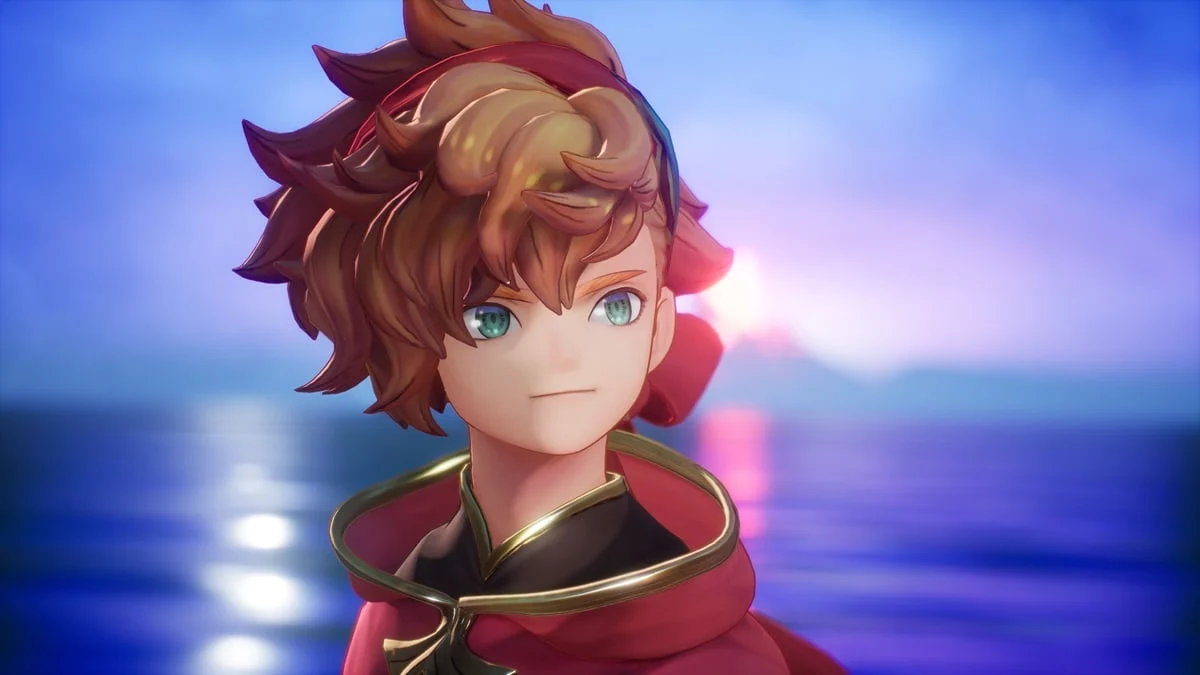
The gaming community experienced a brief surge of excitement, quickly followed by disappointment, surrounding the highly anticipated Square Enix action-RPG, Visions of Mana. For a short period, the official Xbox.com page for the title indicated that it would be included as a Day One release on Xbox Game Pass, Microsoft’s popular subscription service. This revelation, widely shared and celebrated by subscribers, proved to be a significant error, which Microsoft has since officially confirmed. The incident highlights the critical importance of accurate information in the rapidly evolving landscape of video game distribution and the potent impact of subscription service announcements on consumer expectations.
A Brief Glimmer of Hope: The Initial Announcement and Community Reaction
The saga began to unfold following the Xbox Developer_Direct showcase on January 23rd, 2024. During this event, Visions of Mana made a surprise appearance, marking a notable moment for Xbox fans. Historically, Square Enix’s prominent Japanese Role-Playing Games (JRPGs), including many entries in the venerable Mana series, have often been perceived as having a stronger presence or even exclusivity on PlayStation platforms in the console space. Therefore, the prominent feature of Visions of Mana in an Xbox-centric presentation was already a cause for optimism among Xbox Series X|S owners, signaling a potential shift in platform strategy for Square Enix.
Shortly after this showcase, eagle-eyed gamers and industry observers discovered a crucial detail on the official Xbox.com game page for Visions of Mana. The listing explicitly stated that the upcoming title would be available "Day One with Game Pass." This information quickly disseminated across social media platforms, particularly X (formerly Twitter), where prominent gaming news accounts and community figures, such as "Idle Sloth," shared screenshots and celebrated what appeared to be a major coup for the Xbox ecosystem. The prospect of a high-profile, brand-new Square Enix JRPG launching directly into Game Pass was met with considerable enthusiasm. Subscribers envisioned immediate access to a title that promised lush visuals, engaging combat, and the return of a beloved franchise, all without an additional purchase beyond their existing subscription fee. This type of Day One inclusion is a cornerstone of Game Pass’s appeal, offering immense value and often driving subscription numbers.
The Correction: Microsoft Confirms a "Big Mistake"
The widespread jubilation, however, was short-lived. The unusual nature of such a significant announcement appearing quietly on a game page rather than through an official press release or a dedicated segment in a major presentation raised some initial questions among more cautious observers. Responding to the growing buzz and the need for clarification, Eurogamer, a reputable gaming news outlet, reached out directly to Microsoft for comment on the Visions of Mana Game Pass listing.
A Microsoft spokesperson promptly responded to Eurogamer’s inquiry, delivering the news that would deflate the hopes of many Game Pass subscribers. "We’re aware that Xbox.com included language that indicated Visions of Mana was coming to Xbox Game Pass and can confirm this was an error," the spokesperson stated. The statement concluded with an unambiguous clarification: "We do not have plans to bring Visions of Mana to Game Pass at this time." This official debunking confirmed that the initial listing was indeed a mistake, dashing expectations for a Day One Game Pass launch. The retraction underscored the fragility of unconfirmed information, even when sourced from official platform websites.
Chronology of Events
To provide a clearer picture of the rapid development of this story, here is a brief timeline of the key events:
- January 23, 2024: Visions of Mana is officially revealed and featured during the Xbox Developer_Direct showcase, generating initial excitement among Xbox owners for a major Square Enix title.
- Shortly After Developer_Direct: The official Xbox.com game page for Visions of Mana is updated to include a prominent mention of "Day One with Game Pass."
- Late January 2024: Gaming communities and news outlets widely share screenshots and reports of the Game Pass listing, leading to widespread celebration among subscribers on social media platforms like X.
- January 26, 2024 (Approx.): Eurogamer contacts Microsoft seeking clarification on the Game Pass listing due to its unexpected nature and the lack of a formal announcement.
- January 26, 2024 (Approx.): A Microsoft spokesperson confirms to Eurogamer that the Game Pass mention was an error and that there are no current plans to bring Visions of Mana to the subscription service at launch.
- Immediately Following: News outlets report on Microsoft’s retraction, leading to widespread disappointment within the gaming community.
The Broader Context: Game Pass, Square Enix, and JRPGs
This incident cannot be fully understood without examining the broader strategic landscape of Xbox Game Pass, Square Enix’s publishing approach, and the historical presence of JRPGs on various platforms.
Xbox Game Pass’s Value Proposition: Launched in 2017, Xbox Game Pass has grown exponentially to become a cornerstone of Microsoft’s gaming strategy, boasting over 30 million subscribers as of early 2023. Its appeal lies in offering a vast library of games, including first-party Xbox titles available Day One, for a monthly subscription fee. Day One additions from major third-party publishers are particularly valuable, as they immediately enhance the service’s perceived worth and attract new subscribers. Notable past examples include titles like MLB The Show (from Sony-owned studios) and various independent darlings. The expectation of such high-profile inclusions has become deeply ingrained in the Game Pass subscriber base, making any erroneous announcement of this nature particularly impactful.
Square Enix’s Evolving Strategy: Square Enix, a titan in the JRPG genre, has a complex history with platform exclusivity. While many of its flagship franchises, including Final Fantasy and Dragon Quest, have historically enjoyed strong ties with PlayStation in Western markets, the company has increasingly adopted a multi-platform strategy in recent years. This shift is driven by a desire to maximize sales reach and mitigate risks associated with platform-specific development costs and market performance. Recent titles like Final Fantasy XVI have maintained timed exclusivity, while others, such as Final Fantasy VII Rebirth, have also seen console exclusivity. However, many of their newer, non-flagship titles, or even remasters, are often released simultaneously on PlayStation, Xbox, and PC. The inclusion of Visions of Mana in an Xbox Developer_Direct was itself a strong indicator of Square Enix’s willingness to engage more directly with the Xbox ecosystem.
The Mana Series Legacy: The Mana series, known in Japan as Seiken Densetsu, holds a cherished place in the hearts of many JRPG fans. Originating in 1991 with Final Fantasy Adventure (known as Seiken Densetsu: Final Fantasy Gaiden in Japan) on the Game Boy, the series quickly carved out its own identity with its real-time action combat, vibrant fantasy worlds, and memorable soundtracks. Iconic entries like Secret of Mana (1993) on the Super Nintendo Entertainment System are celebrated for their innovative multiplayer co-op and enchanting narratives. After a period of less frequent new mainline entries, Visions of Mana represents a significant return to form, promising to revitalize the beloved franchise for a new generation while appealing to long-time fans. The game’s visual style and gameplay presented during the Developer_Direct were met with positive reception, further elevating anticipation.
Implications of the Error: Trust, Marketing, and Consumer Behavior
The mistaken Game Pass listing for Visions of Mana carries several implications for various stakeholders:
For Xbox and Microsoft:
- Trust and Credibility: Errors of this magnitude, particularly on official channels, can erode consumer trust. Gamers rely on official websites for accurate information regarding game availability and pricing. A retraction, even if swift, can lead to frustration and skepticism about future announcements.
- Marketing Challenges: The incident underscores the complexities of managing information across vast corporate structures. Ensuring consistency between marketing teams, web development teams, and external communication channels is paramount for a global platform like Xbox.
- Subscriber Expectations: Game Pass subscribers have come to expect a high level of value, particularly Day One releases. While one error is unlikely to cause a mass exodus, repeated incidents could temper enthusiasm and impact subscriber retention or acquisition.
For Square Enix:
- Platform Relations: While Square Enix was not directly responsible for the error, the incident occurred during a period where they are actively building bridges with the Xbox platform. Such missteps, while not their fault, can complicate perceptions of their multi-platform strategy or create unnecessary friction.
- Marketing Messaging: The game’s official marketing now needs to contend with the lingering perception of a Game Pass release among some players, requiring clear and consistent messaging about its retail availability across all platforms.
For the Gaming Community:
- Disappointment and Frustration: For players who celebrated the initial news, the retraction led to significant disappointment. Many had already factored the Game Pass inclusion into their purchasing plans or subscription considerations.
- Information Vigilance: The incident serves as a stark reminder for consumers to approach early or unconfirmed information with caution, even when it appears on official channels, until formally announced through multiple verified sources.
- Purchasing Decisions: Xbox Series X|S owners who were hoping to play Visions of Mana via Game Pass will now need to decide whether to purchase the game outright when it launches. This shift in expectation can influence sales projections and player engagement for the title on the Xbox platform.
Analysis of Potential Reasons for the Error
While Microsoft did not provide specific details on how the error occurred, common reasons for such mistakes in large organizations include:
- Human Error: A simple oversight during content management, such as selecting an incorrect tag or template, is often the most straightforward explanation.
- Internal Miscommunication: Different departments (e.g., marketing, web development, business development) might operate with outdated or incomplete information regarding a game’s distribution plans.
- Placeholder Content: Sometimes, website sections might be populated with placeholder text or tags that are intended to be updated later but are accidentally published prematurely.
- Negotiation Changes: Less likely for a "Day One" announcement, but occasionally, deals can be under negotiation or change at the last minute, leading to discrepancies if public-facing assets aren’t updated in sync. In this case, Microsoft explicitly stated "We do not have plans," suggesting it wasn’t a deal that fell through, but rather an error in communication or tagging.
Looking Ahead: Visions of Mana‘s Release and Industry Lessons
Despite the Game Pass confusion, Visions of Mana remains a highly anticipated title. The game is slated for release later this summer across multiple platforms, including PlayStation 4, PlayStation 5, Xbox Series X|S, and PC. Xbox owners will still have the opportunity to experience the "awesome-looking action-RPG," but it will require a direct purchase rather than being part of their subscription.
The Visions of Mana Game Pass error serves as a valuable case study for the entire video game industry. It underscores the immense power of subscription services in shaping consumer expectations and purchasing behaviors. For platform holders like Microsoft, it reinforces the critical need for rigorous internal communication protocols and meticulous accuracy in all public-facing information, especially concerning high-profile titles and key service offerings. For publishers like Square Enix, it highlights the importance of clear and consistent messaging across all platform partners. And for gamers, it’s a reminder that while excitement is natural, official confirmation from multiple, authoritative sources is always the most reliable indicator of a game’s availability and distribution model. The incident, while disappointing for many, ultimately reinforces the necessity of precision in an industry where information travels at lightning speed and directly impacts millions of potential players.