


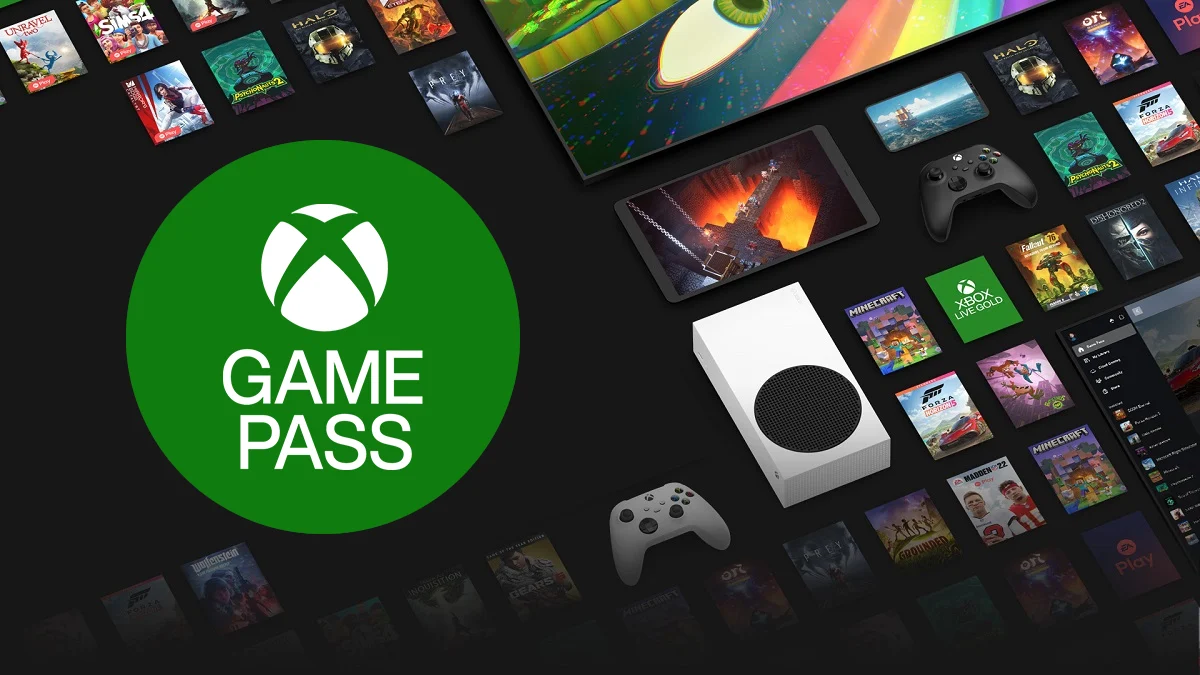
While rival platforms like PlayStation and Nintendo garnered significant accolades for their exclusive game titles throughout 2023, Xbox players experienced a different, yet equally compelling, form of victory: unprecedented savings. According to a comprehensive analysis by TrueAchievements, a reputable source for Xbox statistics and news, the cumulative retail value of all new games added to Xbox Game Pass in 2023 reached an astonishing figure of nearly $9,000. This substantial sum underscores the immense value proposition offered by Microsoft’s flagship subscription service, positioning it as a potentially unrivaled deal for consumers seeking broad access to a diverse library of gaming content.
The Unpacking of Unprecedented Value: The $9,000 Calculation
The calculation performed by TrueAchievements meticulously tracks every new title introduced to Xbox Game Pass across its various tiers throughout the calendar year. This includes major first-party releases, significant third-party additions, and a continuous stream of independent games. By aggregating the individual retail price of each game upon its debut on the service, the total sum reached an estimated $8,993.89, or roughly $9,000. This figure represents the cost a subscriber would have incurred if they had purchased every single game newly added to the Game Pass library in 2023 at its launch price, rather than accessing them through their subscription.
Such a colossal saving is particularly noteworthy when contrasted with the actual cost of an Xbox Game Pass Ultimate subscription, which provides access to both console and PC libraries, as well as cloud streaming, for $16.99 per month. Over a full year, this amounts to approximately $203.88. The disparity between the annual subscription fee and the retail value of the added games highlights a core tenet of Microsoft’s strategy: to offer unparalleled access and perceived value to its subscriber base, fostering loyalty and expanding its gaming ecosystem.
A Strategic Imperative: The Evolution of Xbox Game Pass
The emergence of Xbox Game Pass as a dominant force in the gaming industry is not an overnight phenomenon but the culmination of a deliberate and long-term strategic vision by Microsoft. Launched in June 2017, Game Pass initially offered a curated library of over 100 Xbox 360 and Xbox One titles for a monthly fee. The service quickly distinguished itself from traditional subscription models by committing to including all first-party Xbox exclusives on day one of their global release. This groundbreaking move fundamentally altered the landscape of gaming subscriptions and set a new benchmark for consumer value.
Under the leadership of Xbox head Phil Spencer, Microsoft has consistently articulated its ambition for Game Pass to become the "Netflix of gaming." This vision encompasses not only an expansive library but also accessibility across multiple platforms, including consoles, PCs, and mobile devices via cloud streaming (xCloud). The introduction of PC Game Pass, and subsequently the Xbox Game Pass Ultimate tier (which bundles console, PC, and cloud gaming with Xbox Live Gold and EA Play), demonstrated a clear intent to transcend traditional console-centric models and embrace a broader, more inclusive gaming audience.
The strategic rationale behind this aggressive value proposition is multifaceted. Firstly, it aims to reduce the financial barrier to entry for players, encouraging them to try a wider variety of games than they might otherwise purchase individually. Secondly, it serves as a powerful incentive for consumers to invest in the Xbox ecosystem, either through console purchases or by subscribing to the service on existing PC hardware. Thirdly, it provides a stable revenue stream for Microsoft, moving away from a sole reliance on hardware sales and individual game purchases towards a recurring subscription model. Finally, it acts as a significant competitive differentiator against rivals who primarily focus on traditional game sales and more limited subscription offerings.
2023’s Banner Year: A Chronology of Key Additions
The year 2023 proved to be a pivotal period for Xbox Game Pass, marked by a consistent influx of high-profile titles that underscored its commitment to diverse, high-quality content. The year kicked off strongly, with subscribers gaining access to critically acclaimed Japanese role-playing games such as Persona 3 Portable and Persona 4 Golden early in the year. These additions were particularly welcomed by RPG enthusiasts, offering hundreds of hours of gameplay.
Mid-year saw the arrival of other significant titles, including the acclaimed remake of Dead Space, which offered a terrifying return to the classic survival horror genre. While some subscribers, particularly those still on older hardware like the Xbox One, might have missed out on certain graphically intensive titles or relied on cloud streaming, the sheer breadth of offerings ensured something for everyone.
The latter half of 2023 was dominated by two monumental releases that epitomized the Game Pass day-one strategy: Starfield and Hi-Fi Rush. Starfield, a highly anticipated space-faring RPG from Bethesda Game Studios (a Microsoft-acquired developer), launched directly into Game Pass on its global release day. This was a defining moment, offering a massive, brand-new AAA title to subscribers without an additional purchase. Similarly, Hi-Fi Rush, a surprise rhythm-action game from Tango Gameworks (another Xbox-owned studio), launched "shadow-drop" style onto Game Pass, garnering widespread critical acclaim and demonstrating the service’s ability to deliver unexpected hits.
Beyond these tentpole releases, 2023 saw Game Pass embrace a robust selection of acclaimed independent games and third-party blockbusters. Titles like Cocoon and Sea of Stars emerged as indie darlings, praised for their innovative gameplay and captivating narratives. Furthermore, highly anticipated third-party games such as Lies of P, a challenging soulslike, and Persona 5 Tactica, a tactical RPG spin-off, joined the service, further diversifying the library and catering to a wide range of player preferences. Like a Dragon Gaiden: The Man Who Erased His Name, another notable third-party title, also made its day-one debut, reinforcing the service’s appeal to fans of diverse genres. This continuous stream of diverse and high-quality titles was the primary driver behind the calculated $9,000 worth of games.
The Competitive Arena: Game Pass vs. PlayStation Plus and Nintendo Switch Online
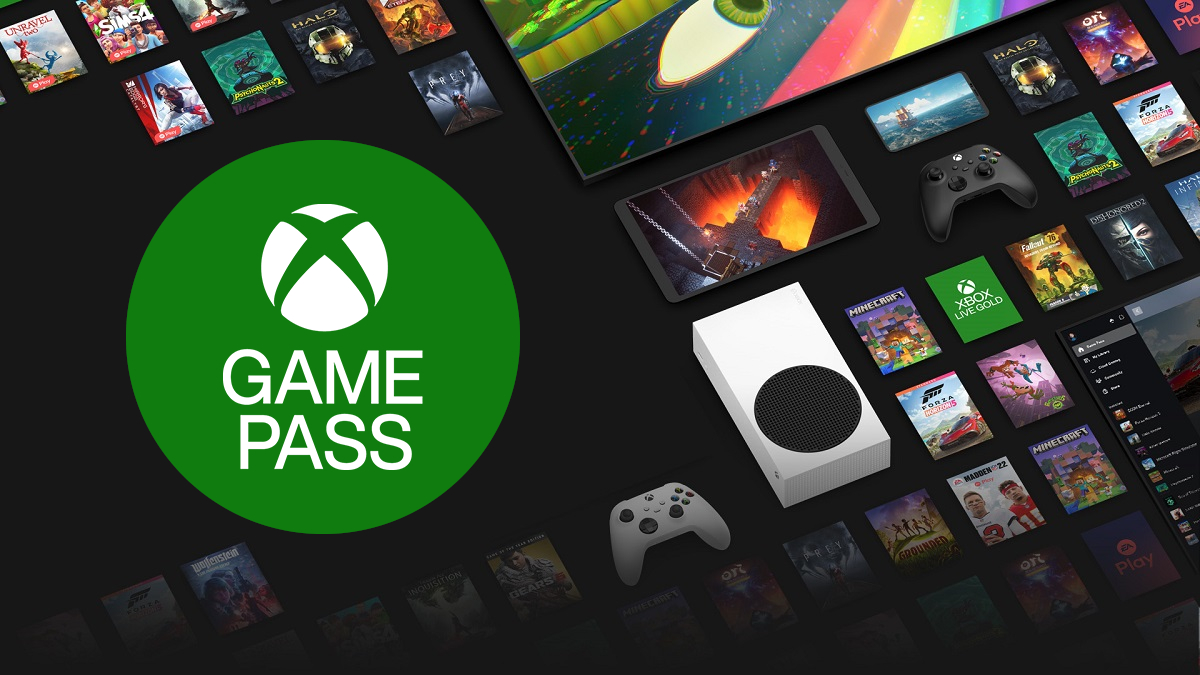
The gaming subscription market is a fiercely contested space, with each platform holder adopting a distinct strategy. While Xbox Game Pass focuses heavily on day-one access to new releases and a constantly evolving library, its primary competitor, PlayStation Plus, has a different approach.
Sony’s PlayStation Plus service, which underwent a significant overhaul in mid-2022, is structured into three tiers: Essential, Extra, and Premium. While Essential offers monthly rotating games (often older titles) and online multiplayer access, the Extra and Premium tiers provide a catalog of hundreds of PS4 and PS5 games, along with classic PlayStation titles and cloud streaming in the Premium tier. However, unlike Game Pass, PlayStation Plus generally does not include first-party PlayStation exclusives on day one of their release. Instead, these titles typically arrive on the service many months or even years after their initial launch, allowing Sony to maximize initial full-price sales. This fundamental difference in strategy significantly impacts the perceived immediate value for consumers seeking the latest blockbusters.
Nintendo, with its Nintendo Switch Online service, occupies yet another niche. Its primary appeal lies in access to online multiplayer, a growing library of classic Nintendo Entertainment System (NES), Super Nintendo Entertainment System (SNES), Nintendo 64 (N64), and Sega Genesis games, and cloud saves. The Expansion Pack tier adds more classic libraries and DLC for select modern games. Nintendo’s strategy is less about offering a vast, current-generation game library and more about providing a gateway to its rich legacy content and core online functionality.
In this competitive landscape, Xbox Game Pass’s $9,000 value proposition for 2023 stands out as a clear statement of intent. It signifies Microsoft’s aggressive pursuit of market share and subscriber growth by prioritizing direct, immediate value for its users, often at the expense of upfront game sales.
The Economic Equation: Price Adjustments and Consumer Perception
While the value proposition of Xbox Game Pass in 2023 was undeniable, the year also brought certain economic adjustments to the service. In the summer of 2023, Microsoft announced price increases for both the Xbox Series X console and the Game Pass Ultimate subscription in several markets globally. The monthly price for Xbox Game Pass Ultimate increased from $14.99 to $16.99 in the United States, with similar adjustments in other regions. Standard console Game Pass also saw a price hike from $9.99 to $10.99.
These price adjustments, the first since the service’s inception, were attributed by Microsoft to "local market conditions" and aimed at ensuring the long-term sustainability and continued investment in the Game Pass library. While any price increase can lead to subscriber apprehension, the context of the nearly $9,000 worth of content added in the same year provides a powerful counter-narrative. For many subscribers, the increased monthly fee, though noticeable, was likely perceived as a minor adjustment given the extraordinary access to new and high-quality games. This delicate balance between subscription cost and perceived value is crucial for the ongoing success of any subscription service, and Microsoft appears to have navigated it effectively in 2023.
Moreover, the gaming industry, like many entertainment sectors, is grappling with broader trends such as "subscription fatigue," where consumers feel overwhelmed by the sheer number of monthly services vying for their attention and disposable income. By offering such a compelling value proposition, Xbox Game Pass aims to mitigate this fatigue, positioning itself as an essential entertainment expense rather than a discretionary one for avid gamers.
Anticipating the Future: The 2024 Roadmap and Broader Implications
The momentum built by Xbox Game Pass in 2023 shows no signs of abating as Microsoft outlines an ambitious roadmap for 2024. Subscribers can look forward to another strong year of day-one releases, including highly anticipated titles such as Persona 3 Reload, a modern remake of the beloved RPG, slated for February 2024. This continues the trend of bringing significant JRPG titles to the service, appealing to a dedicated fan base.
Furthermore, several high-profile Xbox exclusives are confirmed for Game Pass launch in 2024, including Obsidian Entertainment’s fantasy RPG Avowed, the cooperative action-RPG Towerborne, and the visually stunning action-adventure Senua’s Saga: Hellblade 2. These titles, developed by Xbox’s growing portfolio of first-party studios, are crucial for driving console sales and reinforcing the unique value of the Game Pass ecosystem. This list, of course, does not account for the numerous unannounced titles that will inevitably join the service throughout the year, often revealed during major gaming showcases.
Beyond the immediate game lineup, the long-term implications of Microsoft’s strategy, particularly its monumental acquisition of Activision Blizzard King, loom large. While regulatory hurdles have largely been overcome, the integration of such a massive publisher into the Xbox ecosystem promises a future where iconic franchises like Call of Duty, Warcraft, and Candy Crush could potentially find their way onto Game Pass, further amplifying its value and market dominance. This strategic move is poised to reshape the competitive landscape for years to come, offering Microsoft an unparalleled catalog of intellectual property to leverage within its subscription model.
The broader implications for the gaming industry are profound. Game Pass continues to influence how games are developed, published, and consumed. For developers, inclusion in Game Pass offers a guaranteed audience and revenue stream, potentially allowing for more creative risks or reaching a broader player base that might not otherwise purchase their game. For consumers, it shifts the paradigm from game ownership to game access, offering an "all-you-can-play" buffet that can democratize gaming, making it more affordable and accessible to a wider demographic. This model also encourages players to experiment with genres and titles they might not typically consider, fostering a more adventurous gaming culture.
In conclusion, the nearly $9,000 worth of games delivered to Xbox Game Pass subscribers in 2023 is more than just an impressive statistic; it is a tangible manifestation of Microsoft’s unwavering commitment to its subscription service. This aggressive value proposition, coupled with a diverse and continuously expanding library, strategic acquisitions, and a clear vision for the future, firmly establishes Xbox Game Pass as a formidable force in the entertainment industry. As the gaming landscape continues to evolve, Game Pass stands as a testament to the power of a consumer-centric, access-driven model, offering an unparalleled gateway to a universe of digital entertainment.