


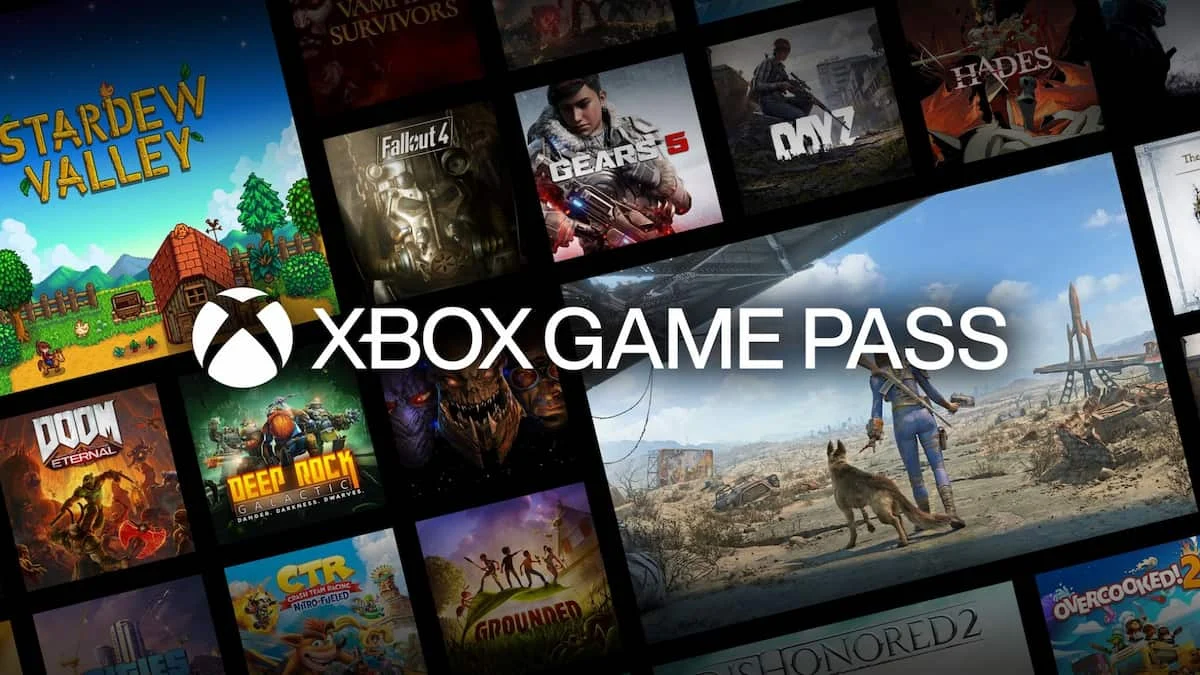
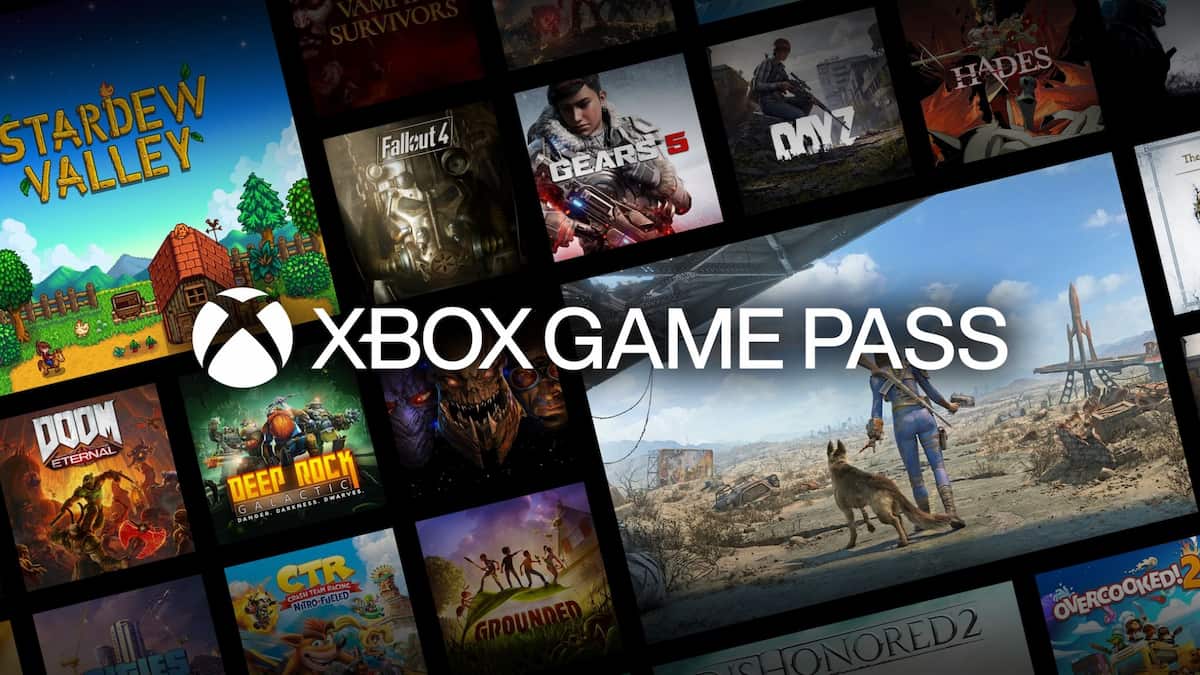
Xbox Game Pass has undeniably revolutionized the way millions of players access and consume video games, offering an expansive library of titles, including major AAA releases and viral sensations, at a significantly reduced cost. In many regions, a monthly subscription fee, often less than $15, unlocks access to hundreds, if not thousands, of games that would otherwise represent a substantial financial investment. This unparalleled accessibility has democratized gaming, bringing high-quality experiences to a broader audience than ever before. However, this very success has also ignited a contentious debate within the industry, raising critical questions about its impact on game sales, revenue generation, and the perceived value of individual titles.
The core of the concern lies in the fundamental shift in player behavior and economic models. When a premium title, typically priced at $50, $60, or even higher, is immediately available on a subscription service, the incentive for players to purchase it outright diminishes considerably. This phenomenon was starkly illustrated with the release of games like The Outer Worlds 2. Despite being a critically well-received title, its engagement on platforms like Steam reportedly remained low, with a significant portion of the player base opting to access it through Game Pass on its day-one release rather than incurring the full purchase price. This trend leads to a significant dilution of direct sales revenue and complicates the measurement of a game’s individual commercial success.
This internal tension within Xbox, stemming from the perceived devaluation of its game portfolio by Game Pass, has become a focal point of industry discussion. According to prominent investigative journalist Jason Schreier, speaking through outlets such as Wccftech, a notable segment of Xbox’s studio leadership harbors a deep-seated dissatisfaction with Game Pass, bordering on outright detestation. While the service’s discontinuation is deemed highly improbable due to its immense popularity and strategic importance to Microsoft’s ecosystem, there are strong indications that Xbox may pivot away from the day-one release of all its major titles on Game Pass. The rationale behind this potential shift, as articulated by Schreier, is that the current model "makes no sense anymore" in terms of fostering traditional sales and adequately recognizing the commercial success of individual games.
The Economic Dilemma of Day-One Releases
The core of the discontent among some Xbox executives revolves around the economic implications of placing a full-priced game on Game Pass from its launch day. This strategy, while beneficial for subscriber acquisition and retention, can severely undercut the potential for direct sales. Consider a title like South of Midnight. While not universally lauded by critics, it resonated deeply with a dedicated player base. However, the discrepancy between its standalone purchase price (reportedly around $40) and its immediate availability on Game Pass for a fraction of that monthly cost creates a significant disincentive for consumers to opt for the direct purchase.
Jason Schreier elaborated on this point, stating, "You take a game like South of Midnight, that’s a game that was not exactly critically acclaimed or anything, but the people who really loved it, really loved it, really spoke to them. And that’s a game that costs $40 to buy, but on Game Pass, you can get it for, what was it, $15 a month, $20 a month, whatever it was at the point that that game was released." This economic disparity fosters an environment where players are incentivized to wait for Game Pass access rather than commit to a full purchase, effectively bypassing the traditional revenue streams that have long supported game development and publishing.
Erosion of Perceived Value and Industry Health
The sentiment among these dissenting Xbox studio leaders is that Game Pass, as a service, has fundamentally "destroyed the value of their games." This perspective extends beyond individual titles, with concerns that the subscription model devalues games in general. "They think it has taken away from the value of all games in general just as a service," Schreier noted, adding, "[and that] it’s been a detriment to the games industry and those people’s views because of how it devalues games." This viewpoint suggests a belief that the constant availability of high-value content at a low, fixed price erodes the perception of individual games as distinct, valuable products worthy of their retail price.
This issue is not entirely new. Destructoid has previously reported on the significant toll Game Pass can take on game releases on other platforms, with numerous day-one titles experiencing diminished performance in sales when their primary audience is already engaged with the subscription service. The inherent competition between a direct purchase and a subscription offering creates a complex marketplace where the perceived value proposition for a standalone purchase is significantly challenged.
Data and Evidence: The Case of Tony Hawk’s Pro Skater 3+4
While specific sales figures for individual games released on Game Pass are often not publicly disclosed, anecdotal evidence and industry analyses point towards the challenges. The hypothetical scenario presented by the Tony Hawk’s Pro Skater 3+4 cover image in the original context, while not directly tied to a specific release’s performance on Game Pass within the provided text, serves as a potent visual metaphor for the broader discussion. If such a title were to be a day-one release on Game Pass, its commercial performance outside the service could be significantly impacted. Players might be less inclined to purchase the game individually if they can access it as part of their existing subscription. This scenario highlights the potential for a disconnect between a game’s critical reception or player interest and its actual commercial success when measured by traditional sales metrics.
The implication is that for games where the perceived value aligns with their asking price, players are more likely to purchase them outright, even if they are also available on Game Pass. This suggests that the success of a game outside of Game Pass is not solely determined by its presence on the service, but also by the intrinsic appeal and perceived worth it holds for consumers willing to invest in its individual ownership.
Potential Shifts and Future Implications
The reported internal sentiment at Xbox suggests a potential recalibration of their Game Pass strategy. The removal of day-one releases for a significant portion of their first-party titles is a plausible outcome. This would allow Microsoft to better balance the benefits of Game Pass for its subscribers with the need to generate direct revenue and accurately assess the commercial viability of its games through traditional sales channels.
Such a shift could have far-reaching implications for the gaming industry:
- Restored Sales Momentum: By withholding day-one releases, Xbox could re-establish stronger sales momentum for its premium titles outside of Game Pass, providing a more traditional measure of success for developers and publishers.
- Varied Value Proposition: This move would diversify the value proposition of Game Pass. While it would still offer a vast library, the immediate availability of all new AAA Xbox titles would be removed, potentially prompting some users to reconsider their subscription solely based on new releases.
- Increased Pressure on Developers: Developers might face renewed pressure to ensure their games are compelling enough to warrant a full purchase, even with the existence of a subscription service. This could lead to a greater focus on perceived quality and unique selling points.
- Market Segmentation: The industry might see a clearer segmentation between games designed primarily for subscription inclusion and those intended for robust direct sales. This could influence development priorities and marketing strategies.
- Impact on Third-Party Partnerships: The decision regarding day-one releases could also influence negotiations with third-party developers and publishers looking to have their games featured on Game Pass. The terms of inclusion, particularly for new releases, might be subject to renegotiation.
Industry Reactions and Expert Opinions
The debate surrounding Game Pass and its impact on game sales is multifaceted, with various stakeholders offering differing perspectives. While some developers and publishers have embraced Game Pass as a powerful tool for reaching a wider audience and ensuring a baseline revenue, others, as evidenced by the internal Xbox sentiments, express concerns about the long-term sustainability of traditional sales models.
Industry analysts often point to the complexity of the modern gaming economy, where multiple revenue streams, including subscriptions, microtransactions, and direct sales, coexist. The challenge lies in finding a harmonious balance that allows for innovation, profitability, and fair compensation for the creative efforts involved in game development.
Microsoft, through its Xbox division, has consistently championed Game Pass as a cornerstone of its gaming strategy, emphasizing its role in driving engagement and fostering a loyal player base. However, the internal discussions highlighted by Schreier suggest that even within Microsoft, there is an ongoing evaluation of the service’s economic impact and a recognition of the need to adapt its approach to ensure the continued health and growth of its game development studios and the broader gaming ecosystem. The future of Game Pass’s day-one release strategy remains a critical point of observation for the entire industry, with potential adjustments poised to reshape player expectations and developer strategies alike.