



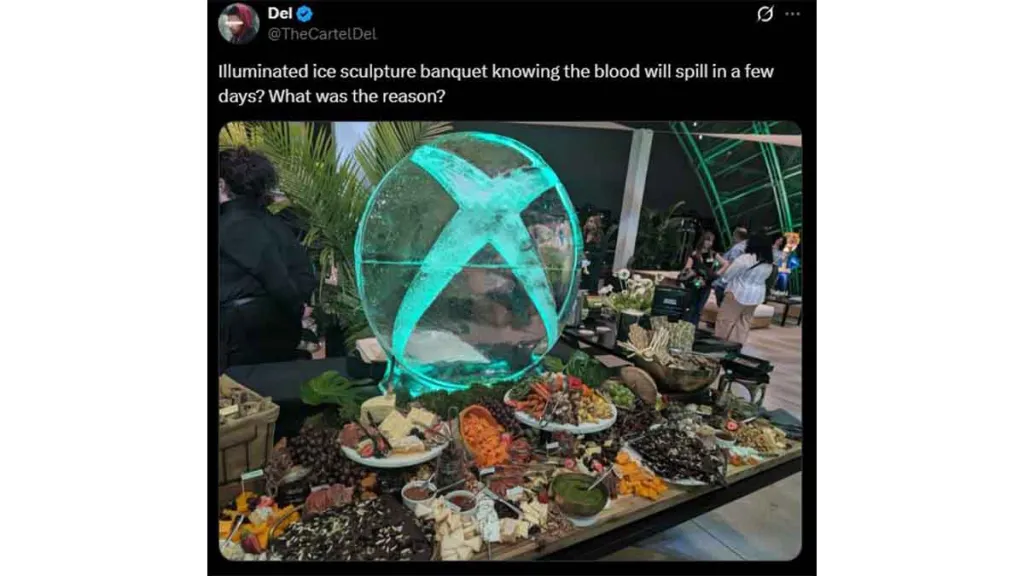
Microsoft’s recent decision to shutter several prominent game development studios, including Compulsion Games, Ninja Theory, and Double Fine, has sent shockwaves through the gaming community and industry. The announcement, made shortly after a seemingly triumphant showcase at the Summer Games Fest, has drawn sharp criticism and ignited comparisons to some of the most shocking betrayals in popular culture, most notably the "Red Wedding" event from HBO’s "Game of Thrones." This move not only impacts the livelihoods of hundreds of developers but also casts a shadow of uncertainty over the future of several anticipated game projects.
The Shadow of the Red Wedding: A Betrayal of Trust
The comparison to the "Red Wedding" is not merely hyperbolic; it encapsulates the sentiment of deep betrayal felt by many within the gaming sphere. In "Game of Thrones," the Red Wedding depicted a seemingly secure feast where key characters were ambushed and brutally murdered, representing a catastrophic loss for the protagonists and a profound moment of shock for viewers. While the human cost of studio closures is far more significant and real than fictional deaths, the parallel lies in the perceived breach of trust. Gamers and industry observers alike are expressing a sense of being led to believe in a bright future, only to have that vision abruptly shattered by a harsh corporate reality.
The timing of Microsoft’s announcement is particularly galling. The Summer Games Fest showcased a slate of exciting upcoming titles, with appearances and reveals from the very studios now facing closure. The presentation of projects like the next installment in the "Senua" saga, a visually stunning and critically acclaimed series developed by Ninja Theory, offered a glimpse into compelling future experiences. For these promising projects to be potentially jeopardized, or cease development altogether, just days after being highlighted as flagship offerings, fuels the perception of a deliberate and calculated deception.
A Chronology of Disappointment: From Showcase to Shutdown
The events leading to the current controversy can be traced through a rapid sequence of announcements and subsequent revelations. The Summer Games Fest, a major industry event, served as a platform for Microsoft to unveil its gaming roadmap and highlight upcoming titles. During this showcase, studios like Ninja Theory presented updates and trailers that generated significant excitement. For instance, the reveal trailer for "Senua’s" third chapter, presented with fanfare, suggested continued investment and support for the acclaimed franchise.

However, the celebratory mood was short-lived. Within days of these optimistic presentations, reports began to emerge of significant restructuring within Microsoft’s gaming division, leading to the eventual confirmation of studio closures and widespread layoffs. This stark juxtaposition of a public display of confidence and investment, followed by swift and severe cutbacks, has been a primary source of public outcry. The narrative suggests a calculated presentation designed to garner positive publicity and consumer engagement, while simultaneously executing a pre-determined plan for cost-saving and strategic realignment that involved the dismantling of these creative teams.
The Human and Economic Fallout: More Than Just Layoffs
The impact of studio closures extends far beyond the cancellation of games. For the developers employed by Compulsion Games, Ninja Theory, and Double Fine, these decisions represent a devastating loss of employment and career disruption. These are not merely anonymous employees; they are skilled artists, engineers, and storytellers who have dedicated years to their craft. The abrupt cessation of their work leaves them in a precarious position, facing an uncertain job market, particularly in an industry that, while dynamic, can be highly competitive.
Beyond the immediate human cost, these closures have broader implications for the gaming ecosystem. Each studio brought unique talent, creative vision, and a distinct identity to the Xbox portfolio. Compulsion Games, known for its atmospheric and narrative-driven titles like "We Happy Few," contributed to the platform’s diversity. Ninja Theory has consistently pushed the boundaries of character-driven action games with titles like "Hellblade: Senua’s Sacrifice." Double Fine Productions, under the leadership of industry veteran Tim Schafer, is renowned for its quirky, innovative, and beloved adventure games. The loss of these studios represents a significant erosion of creative diversity and specialized expertise within Microsoft’s first-party development capabilities.
Historical Precedents: A Pattern of Disruption?
This is not the first time Microsoft’s gaming division has been accused of disruptive corporate practices. Industry observers have pointed to a history of seemingly abrupt shifts in strategy and, at times, a perceived disregard for established developer relationships. Some recall the early days of the Xbox, when a significant shift in hardware component sourcing from AMD to Intel, announced by Bill Gates himself, left AMD engineers who had been integral to the project feeling blindsided and betrayed. While this involved a component supplier rather than an in-house studio, it illustrates a recurring theme of last-minute strategic decisions that have had significant repercussions for partners.
More recently, Microsoft’s gaming division has undergone significant restructuring and has been involved in substantial layoffs across various departments, including within its game studios. The current wave of studio closures, while particularly stark in their finality, can be seen by some as part of a larger, ongoing pattern of consolidation and strategic recalibration within the company’s gaming arm. This historical context, for some, amplifies the current criticism, suggesting a systemic approach to managing its gaming acquisitions and internal development rather than isolated incidents.
Analyzing the Implications: Strategic Shifts and Developer Relations
Microsoft’s decision to close these studios is likely driven by a complex interplay of financial pressures, strategic realignments, and the ongoing consolidation within the gaming industry. Following its substantial acquisition of Activision Blizzard, Microsoft now faces the immense task of integrating that vast entity and optimizing its overall gaming portfolio. This often involves difficult decisions regarding resource allocation and the streamlining of operations.
However, the manner in which these closures have been executed has undeniably damaged Microsoft’s reputation among developers and a significant segment of its player base. The gaming industry is built on collaboration, trust, and a shared passion for creating and experiencing interactive entertainment. Actions perceived as antithetical to these principles can have long-term consequences, potentially deterring future talent from joining Microsoft-owned studios or leading to a decline in the goodwill and support it enjoys from the independent development community and its dedicated players.
The immediate implication for gamers is the potential loss of beloved franchises and the uncertainty surrounding the future of ongoing projects. For developers, it highlights the precarious nature of studio employment, even within the umbrella of a major corporation, and underscores the importance of strong community and advocacy for fair labor practices within the industry.
A Call for a New Approach: Rebuilding Trust
In the wake of widespread criticism, Microsoft faces a critical juncture. The company’s leadership must address the concerns raised by developers and gamers to mitigate the damage to its reputation. The prevailing sentiment is that a more transparent and empathetic approach is necessary. While business decisions are often driven by market forces and financial objectives, the human element and the long-term health of the creative ecosystem cannot be overlooked.
The most evident and arguably the simplest path forward for Microsoft is to prioritize a strategy that fosters trust and collaboration, both internally and externally. This means engaging in open communication with developers, providing clear long-term visions for studios, and ensuring that corporate restructuring does not come at the expense of the creative talent that drives innovation and player engagement. For gamers, this translates to a renewed focus on delivering high-quality experiences and a commitment to nurturing the studios that contribute to the richness and diversity of the Xbox ecosystem. Ultimately, the future success of Microsoft’s gaming endeavors may hinge on its ability to demonstrate that it values its creative partners and the passion of its player base, moving beyond the shadow of perceived betrayals.