


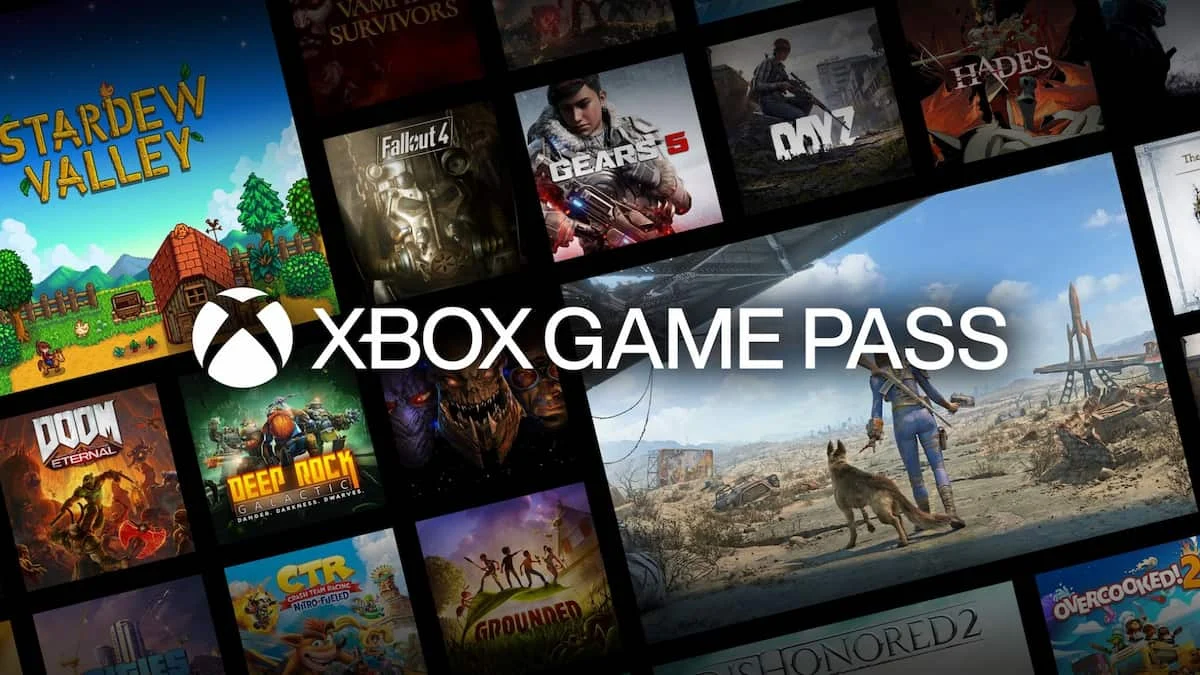
The landscape of video game accessibility has been fundamentally reshaped by the advent and rapid expansion of subscription services, most notably Xbox Game Pass. For millions of gamers worldwide, this service has democratized access to a vast library of titles, from critically acclaimed AAA blockbusters to indie darlings and viral hits, all for a fraction of the cost of purchasing individual games. In many regions, a monthly subscription can cost less than $15 USD, unlocking hundreds, if not thousands, of dollars worth of gaming content. However, this unprecedented accessibility has also ignited a complex debate surrounding its impact on game sales, revenue generation, and the very definition of a game’s commercial success, particularly for titles that command premium price points of $50, $60, or even $70.
This tension was recently brought to the forefront by investigative journalist Jason Schreier, who, citing sources within Xbox, suggested that a significant portion of Xbox studio leadership harbors a deep-seated resentment towards Game Pass. According to Schreier’s reporting, these executives reportedly "detest Game Pass with a passion," believing it has fundamentally devalued their products and undermined the traditional gaming economy. While it is highly improbable that Xbox will ever discontinue its flagship subscription service, the sentiment within its development studios may lead to a strategic shift, potentially involving a reduction in the number of day-one releases available on Game Pass. The rationale, as articulated by Schreier, is that the current model for launching premium titles directly into the subscription service "makes no sense anymore" from a revenue-generating perspective.
The Accessibility Paradox: Game Pass and Shifting Consumer Behavior
The core of the controversy lies in the inherent conflict between the value proposition of Game Pass and the traditional model of game monetization. When a game that would typically retail for $60 or more is immediately available as part of a monthly subscription that costs a fraction of that price, consumer behavior naturally shifts. Instead of opting to purchase the game outright, many players opt for the "Game Pass shortcut," accessing the title without incurring the full upfront cost. This has been observed with titles like Obsidian Entertainment’s The Outer Worlds 2. While a well-regarded game, its performance on platforms like Steam, where it requires a direct purchase, reportedly saw limited engagement. The prevailing sentiment among potential buyers appeared to be that rather than spending $70, it was more economically sensible to access the game on Game Pass, especially given its day-one availability on the service.
This phenomenon extends beyond high-profile AAA titles. Schreier highlighted South of Midnight as another example. While not a universally acclaimed title, it resonated deeply with a dedicated player base. However, its retail price of $40 became a significant barrier when compared to its inclusion in Game Pass. "The people who really loved it, really loved it, really spoke to them," Schreier remarked. "And that’s a game that costs $40 to buy, but on Game Pass, you can get it for, what was it, $15 a month, $20 a month, whatever it was at the point that that game was released." This stark contrast in perceived value incentivizes players to leverage the subscription service, even for titles they might otherwise have purchased.
Executive Discontent and the Erosion of Perceived Value
The underlying issue, as described by Schreier, is that this consumer behavior creates an environment where the perceived value of individual game purchases is significantly diminished. "There are a lot of people out there in studio leadership within Xbox who absolutely detest Game Pass and think it has destroyed the value of their games," he stated. This sentiment is not confined to the financial implications; it extends to a broader concern about the long-term health and perception of the gaming industry as a whole.
"They think it has taken away from the value of all games in general just as a service," Schreier elaborated, "and that it’s been a detriment to the games industry and those people’s views because of how it devalues games." This perspective suggests a fear that the subscription model, while beneficial for player access, is fundamentally eroding the economic foundation upon which game development relies. When the act of purchasing a game becomes a less frequent or even obsolete behavior for a significant portion of the player base, it directly impacts revenue streams that fund future development.
Historical Context and Precedent
This is not the first time that the impact of Game Pass on game releases has been a subject of scrutiny. Destructoid, in a previous report, highlighted how Game Pass has taken a "major toll on games’ releases" on other platforms. Many titles, particularly those that launch day-one on Game Pass, have subsequently struggled to gain traction or achieve significant commercial success when they eventually become available for purchase on competing storefronts. This creates a scenario where a game is, in essence, competing with itself, with a large segment of its potential audience already having access through the subscription service.
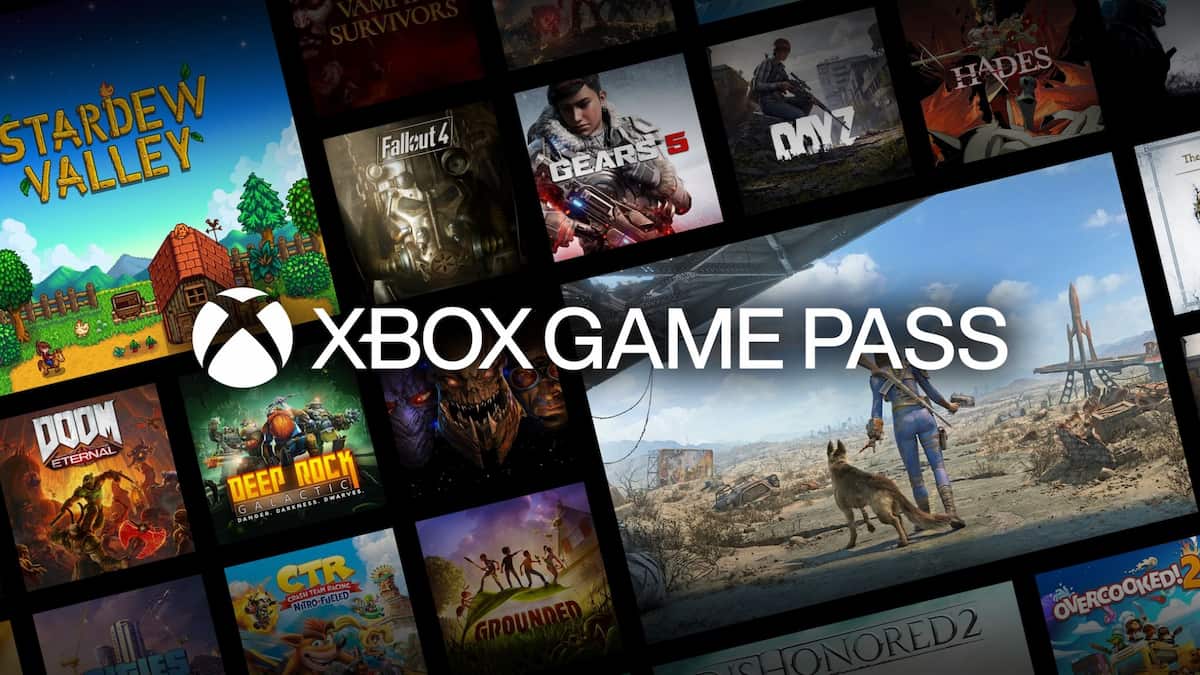
The case of Tony Hawk’s Pro Skater 3+4 has been cited as an example where a day-one release on Game Pass may have hampered its broader market penetration. While the specific sales figures for this title are not publicly detailed in the provided context, the implication is that its availability on Game Pass, coupled with the premium price point if purchased separately, dissuaded a significant number of players from buying it outright. This illustrates the challenge faced by publishers and developers when a game is simultaneously offered at a low entry cost through a subscription and at a high retail price for direct purchase.
The Counterargument: Player Perception and Value Beyond Price
However, it is important to acknowledge that the success of a game’s release is not solely dictated by its presence on Game Pass. There is an argument to be made that players’ willingness to purchase games outside of the subscription service is directly tied to their perception of a game’s intrinsic value. When fans genuinely believe a first-party Xbox title, for instance, is worth the investment, it can perform exceptionally well even when not offered day-one on Game Pass. This suggests that while Game Pass offers immense value, it does not inherently diminish the appeal of titles that players deem exceptional or unique enough to warrant a separate purchase.
This distinction is crucial. It implies that the issue might not be Game Pass itself, but rather the strategic decision of placing all premium, full-priced titles on the service on day one. If Xbox were to adopt a more curated approach, perhaps reserving day-one Game Pass releases for a select few titles or adopting a staggered release strategy, it could potentially alleviate some of the concerns within studio leadership. This would allow for games that are perceived as having significant standalone market appeal to still benefit from direct sales revenue, while still leveraging Game Pass as a powerful promotional tool and a way to broaden the reach of other titles.
Implications for the Future of Game Development and Distribution
The ongoing tension between the accessibility model of Game Pass and the traditional revenue streams of game development presents a significant crossroads for the industry. If the sentiments reported by Schreier are widespread among Xbox studio executives, it suggests a potential recalibration of Game Pass’s content strategy. The most likely outcome, as he posits, is not the dismantling of Game Pass, but rather a strategic shift away from a universal day-one inclusion of all first-party titles.
This could manifest in several ways:
- Tiered Releases: Games might be released on Game Pass a few months after their initial retail launch, allowing for a period of direct sales to capture the early adopters and those willing to pay the premium.
- Selective Day-One Releases: Only a curated selection of games, perhaps those deemed more experimental or less reliant on immediate sales, might receive day-one Game Pass treatment.
- Focus on Back Catalog: Game Pass could increasingly become a destination for a vast library of older titles, with new releases being prioritized for direct purchase.
The broader implications of this shift, if it occurs, are multifaceted. For consumers, it could mean a return to a more traditional purchasing model for some of the most anticipated games, potentially increasing upfront costs for players who want to experience new releases immediately. For developers, it could lead to more predictable revenue streams and a clearer path to profitability, which could, in turn, encourage greater investment in ambitious and potentially riskier projects.
However, it also raises questions about the long-term sustainability of the subscription model as a primary driver of industry growth. The success of Game Pass has undoubtedly spurred competitors to explore similar offerings, but the reported internal conflict within Xbox highlights the inherent challenges of balancing broad accessibility with robust financial returns for game creators. The industry will be closely watching how Xbox navigates this complex landscape, as its decisions will undoubtedly influence the future of how games are made, distributed, and consumed for years to come. The challenge lies in finding a harmonious equilibrium that satisfies both the ever-growing demand for accessible gaming and the fundamental need for a healthy and financially viable development ecosystem.