



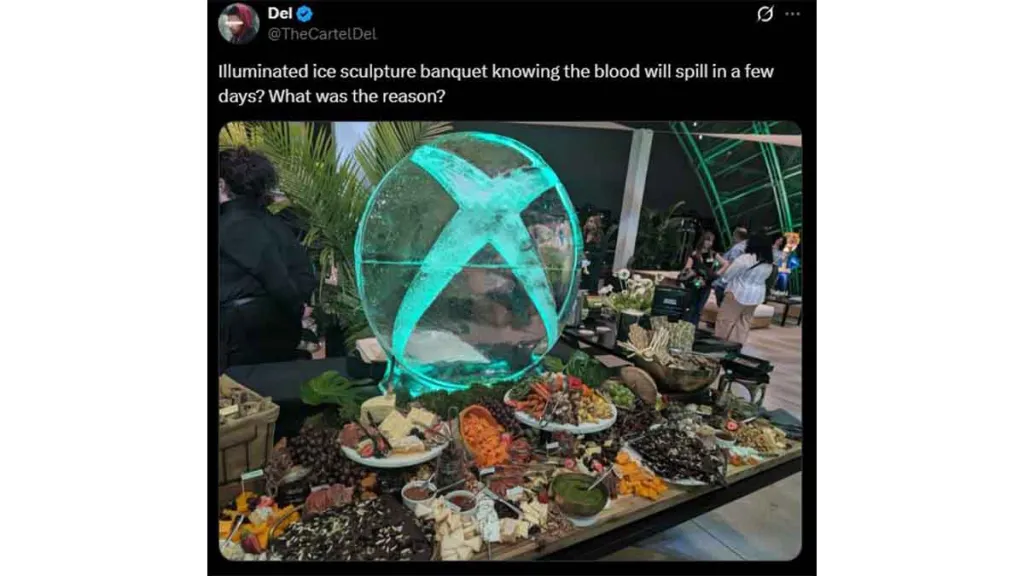
Microsoft’s recent announcement of impending studio closures, including prominent names like Compulsion Games, Ninja Theory, and Double Fine, has ignited a firestorm of criticism across the internet. This decision, made in the immediate aftermath of a seemingly triumphant Xbox Games Showcase at Summer Game Fest, has drawn sharp comparisons to one of the most shocking and widely condemned betrayals in television history: the "Red Wedding" from Game of Thrones. The move has left many industry observers and gamers feeling blindsided and disillusioned, questioning the strategic rationale and ethical implications of such drastic actions.
The Unveiling and the Aftermath: A Stark Contrast
The Xbox Games Showcase, held on June 9th, 2026, was widely anticipated as a pivotal moment for Microsoft’s gaming division. The event featured a robust slate of upcoming titles, highlighting a diverse range of genres and studios, many of which were showcased with impressive trailers and gameplay reveals. Among these promising previews was the third chapter of the Senua saga, developed by Ninja Theory, which garnered significant positive attention for its ambitious visual presentation and narrative potential.
However, the celebratory mood was short-lived. Just eight days later, on June 17th, 2026, Microsoft confirmed its intention to shutter or significantly restructure several studios, including Compulsion Games, Ninja Theory, and Double Fine. This abrupt announcement sent shockwaves through the industry, leaving employees in limbo and fans questioning the future of beloved projects. The juxtaposition of the vibrant showcase, which painted a picture of a thriving and forward-looking Xbox ecosystem, with the subsequent news of studio closures has been widely interpreted as a profound act of perceived betrayal.
The "Red Wedding" Parallel: A Cultural Touchstone for Disappointment
The comparison to the "Red Wedding" is not merely a hyperbolic internet meme; it reflects a deep-seated feeling of betrayal among those who invested emotionally in the showcased projects and the studios behind them. In Game of Thrones, the Red Wedding is a pivotal plot point where a supposed feast and alliance turns into a brutal massacre, wiping out a significant portion of the noble Stark family and their allies. The event is characterized by its unexpected savagery and the shattering of trust.
While the stakes in the gaming industry are undeniably different from the fictional realm of Westeros, the sentiment of betrayal stems from a similar mechanism: the luring of an audience into a false sense of security and optimism, only to be met with devastating news. For gamers who had eagerly anticipated new titles from these now-threatened studios, the experience mirrors the shock and disillusionment of witnessing beloved characters meet a tragic end under treacherous circumstances. The announcement of promising games, like the Senua sequel, only to have the studio responsible face imminent closure, creates a sense of dashed hopes and wasted potential.
The "Red Wedding" comparison underscores the emotional investment that fans have in game development studios and their creative output. When studios are shut down, it not only impacts the livelihoods of their employees but also severs the connection between creators and their dedicated player base. This latest move by Microsoft has amplified existing concerns about the consolidation of the gaming industry and the potential for creative talent to be sacrificed for corporate restructuring.

A Pattern of Disruption: Historical Context for Microsoft’s Actions
This is not the first time Microsoft’s gaming division has been accused of disruptive or seemingly callous decision-making. Detractors point to a history of acquisitions followed by closures or significant staff reductions, leading to a perception of instability and a lack of long-term commitment to acquired talent and intellectual property.
One notable instance often cited is the acquisition of Lionhead Studios in 2006, which was later shut down in 2016 after the cancellation of Fable Legends. Another example is the closure of Press Play in 2015, known for games like Max: The Curse of Brotherhood and Kalimba, just a few years after their acquisition. These past events contribute to a narrative of Microsoft being a potentially volatile partner for game development studios, fueling apprehension among both developers and players.
More recently, in 2023, Microsoft initiated significant layoffs across its gaming division, impacting studios like Bethesda Softworks and 343 Industries, which led to the departure of key personnel and questions about the future of franchises like Halo. These recurring patterns suggest a broader corporate strategy that prioritizes consolidation and cost-saving measures, sometimes at the expense of established development teams and their ongoing projects.
Furthermore, historical anecdotes, such as the widely reported shift from an AMD-designed CPU to an Intel chip for the original Xbox, illustrate a precedent for abrupt strategic changes that can have profound consequences for partners and internal teams. While the specifics of these historical events differ, they collectively contribute to a perception of Microsoft’s gaming division as prone to making decisive, often disruptive, choices that can leave stakeholders feeling blindsided.
Data and the Bottom Line: Analyzing the Business Rationale
While the emotional response to studio closures is significant, it is also important to consider the potential business drivers behind such decisions. The gaming industry is characterized by intense competition, escalating development costs, and fluctuating market demands. Companies like Microsoft, operating at a global scale, are constantly evaluating their portfolio of studios and their financial performance.
Recent industry reports indicate a slowdown in the growth of the global video game market following a pandemic-induced boom. According to Newzoo, a leading games market intelligence firm, the global games market is projected to grow by 5.4% in 2024, reaching $209.4 billion. While this represents continued expansion, it is a moderation from the higher growth rates seen in previous years. This economic climate often prompts major corporations to reassess their investments and streamline operations to maintain profitability.
The decision to close or restructure studios can be driven by several factors, including:
- Underperforming Titles: Studios whose recent releases have not met financial expectations or strategic goals may be deemed less viable.
- Strategic Realignment: Microsoft may be shifting its focus to specific genres, platforms, or business models, leading to the divestment of studios that do not align with these new priorities. This could include a greater emphasis on PC gaming, cloud gaming (Xbox Cloud Gaming), or specific first-party franchises.
- Cost Synergies: Consolidating operations or shutting down studios can lead to significant cost savings in terms of operational expenses, talent acquisition, and marketing budgets.
- Acquisition Integration: Following large-scale acquisitions, such as the integration of Activision Blizzard, companies often undertake restructuring to optimize their overall portfolio and eliminate redundancies.
However, the timing of these closures, immediately following a showcase that highlighted the very studios affected, raises questions about transparency and corporate communication. If these decisions were long in the making, the public presentation of their work as integral to Xbox’s future could be interpreted as misleading.
The Broader Impact: Developers, Gamers, and the Creative Landscape
The implications of Microsoft’s studio closures extend far beyond the immediate financial concerns. For the employees of Compulsion Games, Ninja Theory, and Double Fine, the news represents a profound personal and professional upheaval. Many of these developers are highly skilled individuals with years of experience and a passion for their craft. Layoffs and studio closures can lead to a brain drain within the industry, with talented individuals seeking opportunities elsewhere, potentially impacting the diversity and innovation of future game development.
For gamers, the closures signal a potential loss of unique creative voices and anticipated titles. Ninja Theory, for instance, was renowned for its distinctive art style and narrative-driven games like Hellblade: Senua’s Sacrifice. Double Fine, under the leadership of Tim Schafer, has a long history of crafting quirky and innovative titles. Compulsion Games was known for its atmospheric and distinctive titles like We Happy Few. The potential cancellation or indefinite delay of projects from these studios leaves a void in the gaming landscape.
The "betrayal" narrative also risks eroding player trust in Xbox as a platform. When gamers invest time and money into titles developed by studios that are subsequently shut down, it can foster a sense of distrust and disappointment. This can have long-term consequences for brand loyalty and market perception.
The Path Forward: Rebuilding Trust and Fostering Stability
The current situation presents a critical juncture for Microsoft’s Xbox division. To mitigate the damage to its reputation and to foster a healthier relationship with both developers and gamers, the company needs to address the concerns raised by these closures with greater transparency and a clear articulation of its long-term strategy.
Moving forward, key considerations for Microsoft should include:
- Enhanced Communication: Clear and timely communication regarding studio futures, especially when projects are actively being promoted, is paramount.
- Support for Displaced Talent: Providing robust support for affected employees, including severance packages, outplacement services, and opportunities within other Microsoft studios, is crucial.
- Strategic Clarity: Articulating a coherent and consistent long-term vision for Xbox’s first-party development that prioritizes creative sustainability and talent retention.
- Developer Relations: Rebuilding trust with independent and acquired studios by demonstrating a commitment to their creative autonomy and long-term success.
The internet’s visceral reaction, drawing parallels to the Red Wedding, highlights the deep emotional connection many have to the creative process of game development. For Microsoft, navigating this challenge will require more than just financial adjustments; it will necessitate a fundamental re-evaluation of its approach to talent, creativity, and the cultivation of trust within the gaming community. The "feast" of the Xbox Games Showcase has been overshadowed by the "betrayal" of studio closures, and the path to regaining goodwill will be a long and arduous one.