


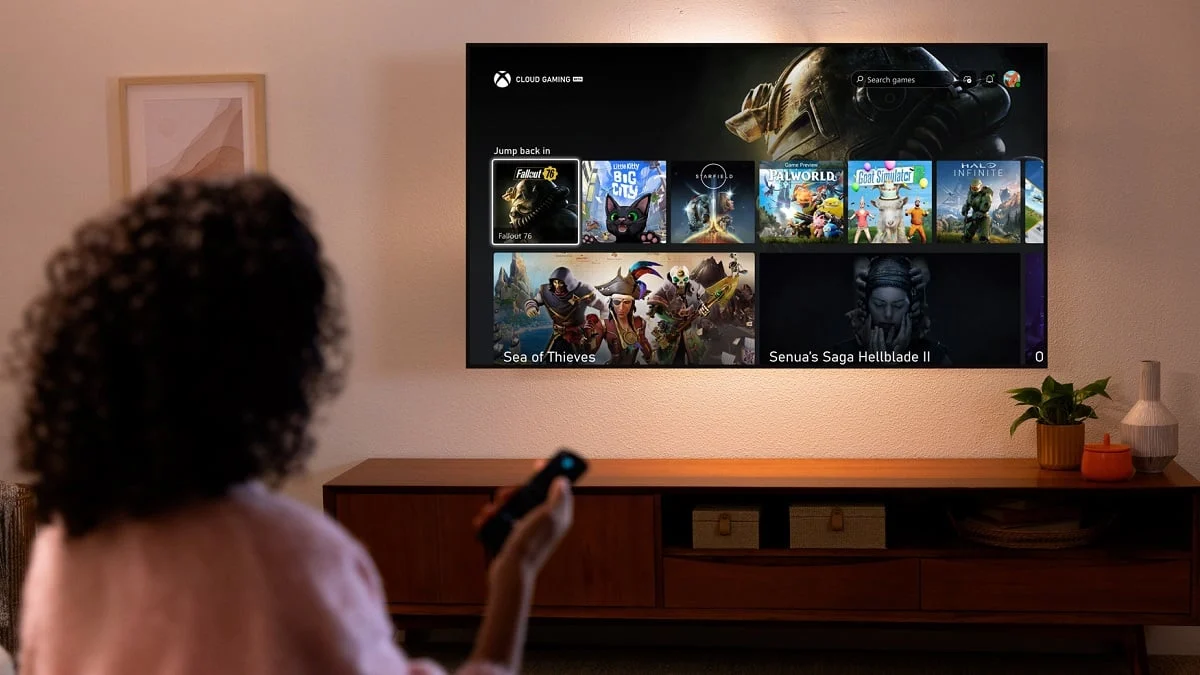
Microsoft has officially announced a significant expansion of its Xbox Cloud Gaming service, bringing the full Xbox Game Pass library to select Amazon Fire TV devices. This strategic move allows subscribers to access a vast catalog of Xbox titles without the need for a dedicated Xbox console, directly leveraging existing streaming hardware. The announcement, made via an Xbox Wire post on June 27, 2024, did not specify an exact launch date but confirmed that the Xbox app would soon be compatible with Amazon Fire TV Stick 4K and Fire TV Stick 4K Max models, fundamentally altering the entry point into the Xbox ecosystem for millions of potential players.
The "Hardware-Agnostic" Vision: Microsoft’s Long-Term Strategy for Xbox
This latest development is not an isolated event but rather a clear manifestation of Microsoft’s long-articulated "hardware-agnostic" strategy for its Xbox brand. For several years, Xbox head Phil Spencer has emphasized a vision where Xbox’s reach extends far beyond its proprietary consoles, aiming to meet players "where they are" across various devices. This philosophy began to take tangible form with the robust integration of Xbox Game Pass on PC, allowing PC gamers to access the same subscription library without owning an Xbox console. Subsequent initiatives included the launch of Xbox Cloud Gaming (initially Project xCloud) in beta, which brought high-fidelity Xbox titles to mobile devices, web browsers, and eventually smart TVs through integrated apps, most notably with Samsung.
The journey towards this console-less future has been incremental but consistent. Microsoft’s investment in cloud infrastructure, powered by Azure, has been central to this ambition, enabling the streaming of graphically intensive games over the internet. The goal has always been to transform Xbox from a console-centric platform into a comprehensive gaming service, with Game Pass as its centerpiece. This shift reflects a broader industry trend towards subscription-based models and cloud delivery, moving away from a sole reliance on upfront hardware sales. By making its service accessible on ubiquitous streaming devices like the Fire TV Stick, Microsoft is not just expanding its audience; it is fundamentally redefining what it means to be an "Xbox player."
Accessibility and Affordability: A Deep Dive into the Economics
One of the most compelling aspects of this announcement is the dramatic reduction in the cost of entry for accessing the Xbox Game Pass library. The original article highlights a stark financial comparison that underscores Microsoft’s strategy to prioritize subscriber growth over console unit sales.
Let’s break down the economics:
- Dedicated Console Path: An Xbox Series S, the most affordable current-generation Xbox console, retails for approximately $299.99. To access the full Game Pass Ultimate library, a subscriber would then add the monthly cost of $16.99. Over a single year, this amounts to $203.88 for the subscription. The total initial investment for the console and one year of Game Pass Ultimate would be approximately $503.87.
- Streaming Stick Path: The Amazon Fire TV Stick 4K costs $49.99, and the Fire TV Stick 4K Max costs $59.99. Choosing the cheaper 4K model, combined with a year of Game Pass Ultimate ($203.88), brings the total initial cost to approximately $253.87. This makes the streaming stick option not only significantly cheaper than the Xbox Series S plus a year’s subscription but also less expensive than the console itself.
This affordability factor is critical, particularly in emerging markets or for consumers who may be hesitant to invest hundreds of dollars in a dedicated gaming console. The global installed base of Amazon Fire TV devices is substantial, with tens of millions of units sold worldwide. By tapping into this existing hardware ecosystem, Microsoft effectively bypasses the traditional barriers of console ownership, making Game Pass accessible to a much broader demographic.
Furthermore, this move aligns with Microsoft’s stated objective to significantly grow Game Pass subscriber numbers. While official, regularly updated subscriber figures are not always public, Microsoft last reported over 30 million Game Pass subscribers in early 2023. Expanding availability to an affordable, widely adopted streaming device is a direct pathway to accelerate this growth, transforming casual streaming device owners into potential long-term Game Pass subscribers. This pivot towards a service-centric model suggests that the lifetime value of a subscriber is now considered more strategically important than individual console sales.
Technical Requirements and User Experience
While the economic advantages are clear, it is important to understand the technical requirements and potential implications for the user experience. The Xbox app will be compatible with specific Amazon Fire TV devices: the Fire TV Stick 4K and the Fire TV Stick 4K Max. These devices, priced at $49.99 and $59.99 respectively, are designed for high-resolution streaming and possess sufficient processing power and connectivity options to handle cloud gaming.
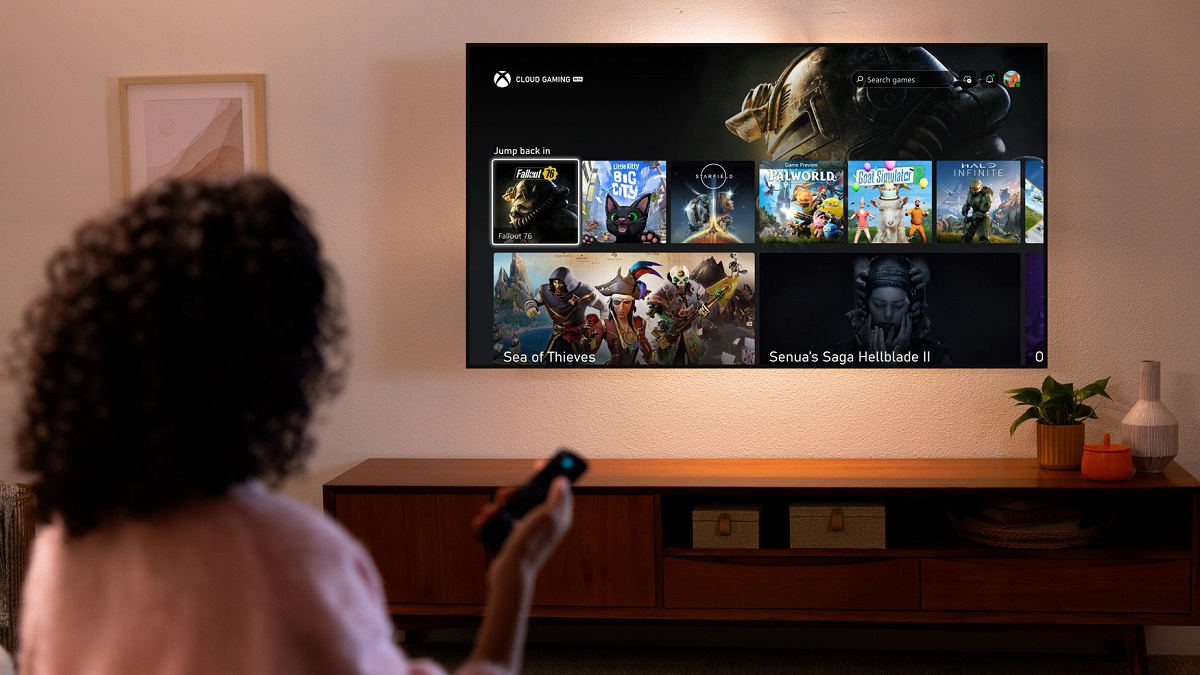
A crucial component for this setup is a compatible Bluetooth wireless controller. Microsoft has emphasized flexibility, confirming that players are not restricted to Xbox-branded controllers. Users can connect a wide array of Bluetooth controllers, including PlayStation 5 DualSense controllers, various third-party gamepads, and even older Xbox controllers that support Bluetooth. This broad compatibility further reduces the barrier to entry, as many potential users may already own a suitable controller.
However, the nature of cloud gaming introduces a significant caveat: the reliance on a stable and robust internet connection. Unlike traditional console gaming where games are installed locally, cloud gaming streams video and audio from remote servers while sending player inputs back. This process demands low latency and high bandwidth. Microsoft typically recommends a minimum download speed of 20 Mbps for a smooth cloud gaming experience, though higher speeds are always preferable, especially for 4K streaming. Any instability in the internet connection – such as high ping, packet loss, or insufficient bandwidth – can lead to noticeable input lag, visual artifacts, and a generally degraded experience. This means that while the hardware cost is reduced, the quality of the gaming experience becomes directly tied to the user’s internet service provider and home network setup. There is no offline play option for cloud-streamed games, meaning a lost internet connection equates to a lost gaming session. This limitation could impact adoption in regions with less developed internet infrastructure.
Strategic Partnerships and Market Dynamics
The partnership with Amazon for Fire TV devices is a calculated strategic move by Microsoft. Amazon Fire TV holds a substantial share of the global streaming device market, competing fiercely with Roku, Google Chromecast, and Apple TV. By integrating the Xbox app onto Fire TV, Microsoft gains immediate access to a massive installed base of users who are already accustomed to consuming digital entertainment through their televisions. This collaboration is mutually beneficial: Microsoft expands Game Pass’s reach, while Amazon enhances the value proposition of its Fire TV devices, potentially driving sales and increasing user engagement within its ecosystem.
This move also intensifies competition within the broader cloud gaming landscape. While Google Stadia famously shut down, services like NVIDIA GeForce NOW, Amazon Luna, and Sony’s PlayStation Plus Premium (which includes cloud streaming for PS3, PS4, and some PS5 titles) are actively competing. Microsoft’s aggressive expansion into new hardware form factors and partnerships positions Xbox Cloud Gaming as a leading contender, particularly given the vast and appealing library offered through Game Pass Ultimate. For Sony, which has historically focused on console sales and a more walled-garden approach, Microsoft’s strategy presents a significant challenge, forcing a re-evaluation of how gaming content is delivered and consumed in an increasingly multi-platform world.
Beyond the Console: The Future of Xbox Hardware
This latest announcement raises pertinent questions about the long-term future of dedicated Xbox console hardware. While Microsoft has repeatedly affirmed its commitment to hardware innovation, the increasing availability of its flagship service on non-Xbox devices suggests a diversification of priorities. In recent years, Microsoft has already demonstrated a willingness to release its first-party intellectual properties (IPs) on rival platforms. Titles like Sea of Thieves, Hi-Fi Rush, Grounded, and Pentiment have successfully launched on PlayStation and Nintendo Switch, proving that Xbox-developed games can thrive beyond the green brand. Furthermore, persistent rumors about a Halo: Combat Evolved remaster potentially coming to PlayStation 5, though unconfirmed, indicate a further softening of exclusivity boundaries for even Microsoft’s most iconic franchises.
Despite this strategic pivot towards services and multi-platform availability, Microsoft is not abandoning hardware entirely. Xbox head Phil Spencer has openly teased the existence of a rumored Xbox handheld device, suggesting that while traditional home consoles might see their role evolve, portable gaming hardware remains an area of interest. This potential handheld could serve as another dedicated entry point into the Game Pass ecosystem, offering a premium, purpose-built experience for cloud and local gaming. The strategy seems to be about offering choice: a high-end console experience for those who want it, a portable experience for gaming on the go, and an accessible streaming option for everyone else.
Broader Implications for the Gaming Industry
The expansion of Xbox Cloud Gaming to Amazon Fire TV Sticks carries profound implications for the entire gaming industry.
- Democratization of Gaming: By significantly lowering the cost barrier, high-fidelity gaming becomes accessible to a much broader global audience. This could foster new communities of players and open up gaming to demographics previously excluded by the high cost of consoles and gaming PCs.
- Evolving Definition of a "Gaming Platform": The traditional understanding of a gaming platform as a dedicated console or PC is increasingly blurred. Services like Game Pass on Fire TV redefine a "platform" as a content delivery ecosystem accessible across a multitude of devices.
- Challenges and Opportunities for Developers and Publishers: For game developers, this expansion means a potentially larger addressable market for their titles, especially those included in Game Pass. However, it also emphasizes the importance of cloud-optimized game design and monetization strategies within a subscription model. Publishers may need to adapt their strategies from relying solely on upfront game sales to considering broader subscription engagement.
- Internet Infrastructure Demands: While democratizing access to games, this model simultaneously places greater demands on global internet infrastructure. The success of cloud gaming at scale will hinge on the continued expansion and improvement of broadband access worldwide.
In conclusion, Microsoft’s decision to bring Xbox Cloud Gaming to Amazon Fire TV Sticks is a landmark move that solidifies its commitment to a service-first, hardware-agnostic strategy. It represents a pragmatic response to the evolving gaming landscape, prioritizing Game Pass subscriber growth and broad accessibility over traditional console sales dominance. By transforming ubiquitous streaming devices into gateways to its vast game library, Microsoft is not just expanding its reach; it is actively shaping the future of how games are delivered, consumed, and experienced by a global audience. This strategic pivot marks a new chapter for Xbox, one where the console is but one of many avenues into an ever-expanding gaming universe.