

The gaming industry was rocked on the morning of July 6, 2026, as Xbox CEO Asha Sharma unveiled a comprehensive "reset" of the company, a move that has resulted in the immediate termination of approximately 1,600 employees. This significant workforce reduction is only the beginning, with further layoffs anticipated before the close of the 2027 fiscal year, potentially affecting an additional 1,600 individuals. The impact extends beyond Xbox, with reports indicating that other departments within Microsoft have also experienced considerable job losses, signaling a grim period for the broader technology sector.
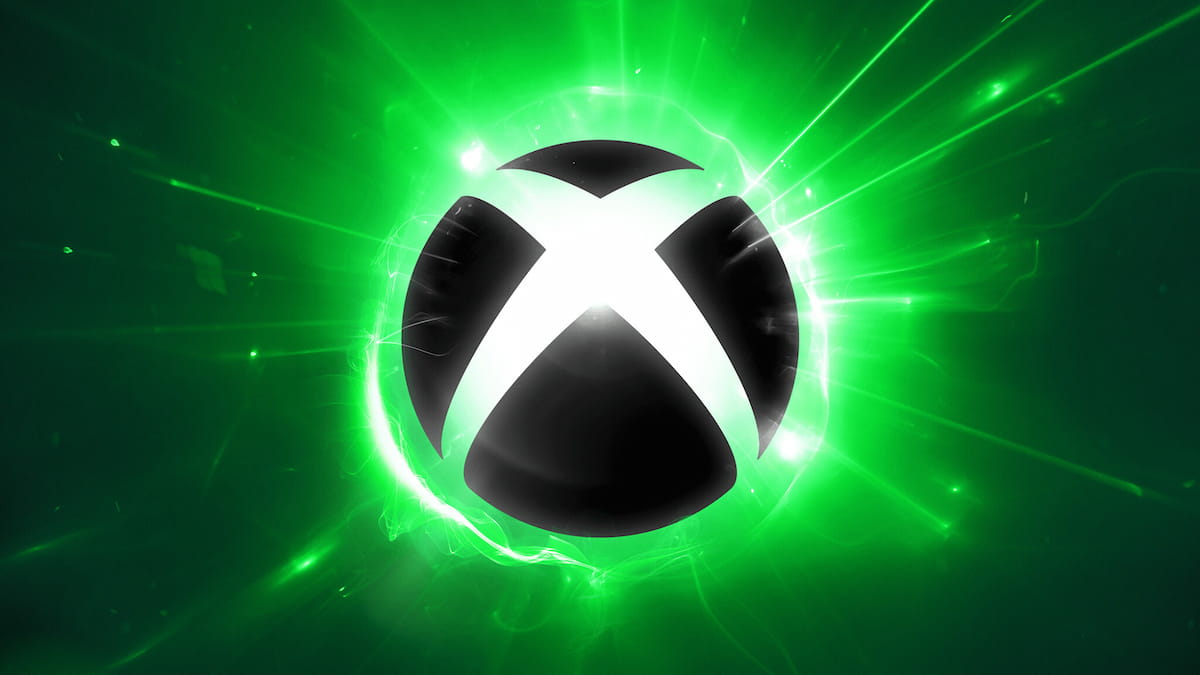
Sharma described the initiated changes as "the most significant restructure in XBOX history," underscoring the profound nature of the operational overhaul. While the exact financial motivations and strategic objectives behind this drastic measure are still being fully elucidated, the immediate consequence is a substantial contraction of the Xbox division’s workforce. This decision marks a pivotal moment, reshaping the landscape of game development and publishing under the Xbox umbrella.
Crucially, Sharma assured stakeholders and the gaming community that "None of our first-party publicly announced games or projects are being cancelled as part of these reductions." This statement offers a degree of reassurance to fans eagerly awaiting upcoming titles, indicating that while the human cost is high, the pipeline of announced games remains intact. This suggests the restructuring is focused on operational efficiency, strategic realignment, and potentially a re-evaluation of internal studio structures rather than an abandonment of planned creative endeavors.
The layoffs have impacted a wide array of studios and companies operating under the Xbox banner. While no studios have been entirely shuttered, the sale of several entities is a direct consequence of this strategic pivot. This indicates a potential shift in Microsoft’s approach to third-party acquisition and management, possibly favoring consolidation or divestment in certain areas. The full extent of these sales and their implications for the acquired studios and their ongoing projects are yet to be fully detailed.
The Chronology of a Major Overhaul
The events leading up to and immediately following the July 6, 2026, announcement paint a picture of rapid and decisive action. While internal discussions and strategic planning undoubtedly preceded this date, the public revelation of the layoffs marks the definitive start of this new era for Xbox.
- Early 2026: Rumors and industry speculation regarding a potential strategic review within Microsoft’s gaming division begin to surface. Economic headwinds and evolving market dynamics are cited as potential catalysts.
- Mid-2026 (leading up to July): Internal communications within Xbox and Microsoft likely intensify as plans for the restructuring are finalized. Employees may have experienced a period of heightened uncertainty.
- July 6, 2026, Morning: CEO Asha Sharma officially announces the initial wave of 1,600 layoffs across Xbox. The announcement is made internally to employees and subsequently communicated to the public.
- July 6, 2026, and onward: The process of implementing the layoffs and identifying further roles for reduction continues. News of broader Microsoft layoffs begins to emerge, indicating the systemic nature of the changes.
- Throughout Fiscal Year 2027: The company anticipates an additional 1,600 layoffs to be completed by the end of the fiscal year, suggesting a phased approach to workforce reduction or ongoing strategic adjustments.
Financial and Strategic Underpinnings
While specific financial figures detailing the cost savings expected from these layoffs have not been publicly released, industry analysts suggest that such large-scale reductions are typically aimed at improving profitability, streamlining operations, and reallocating resources towards key strategic growth areas. Microsoft, like many major technology corporations, faces constant pressure to demonstrate financial performance and adapt to a rapidly changing technological landscape.
The acquisition of Activision Blizzard in early 2023 represented a monumental investment for Microsoft, costing approximately $68.7 billion. Following such a significant acquisition, it is not uncommon for the acquiring company to undertake a period of integration and operational review to realize synergies and optimize its portfolio. While the current layoffs are not directly attributed solely to the Activision Blizzard integration, it is plausible that this massive undertaking has influenced Microsoft’s broader strategic and financial considerations. The substantial capital outlay for Activision Blizzard may have necessitated a re-evaluation of other Xbox divisions to ensure overall financial health and strategic alignment.
Furthermore, the gaming industry has seen shifts in consumer spending habits, with a growing emphasis on subscription services like Xbox Game Pass and an increasing demand for high-quality, live-service games. Companies often adjust their workforce and development strategies to align with these evolving market trends, focusing on areas with the highest potential for return on investment. The restructuring could indicate a strategic sharpening of focus on these core growth areas, potentially at the expense of less critical or underperforming segments.
Impact on Key Development Studios and Projects
The announcement of the restructuring has inevitably led to widespread concern among developers and fans regarding the fate of specific studios and their ongoing projects. While Sharma’s statement confirmed that publicly announced first-party games are safe, the broader impact on studio operations and potential future projects is a significant point of discussion.
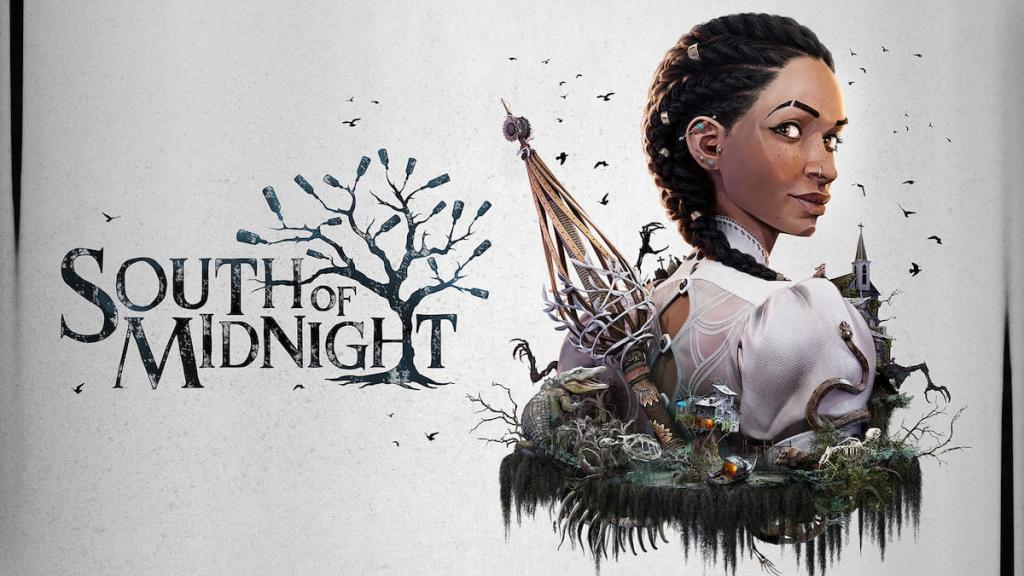
Compulsion Games: Known for titles like We Happy Few, Compulsion Games has been working on South of Midnight. The confirmation that announced projects are safe suggests that development on South of Midnight is likely to continue, though the impact of staff reductions on the studio’s capacity and long-term vision remains to be seen.
Double Fine Productions: This studio, renowned for its unique and often quirky titles such as Psychonauts, has not had a major project publicly announced recently that would be directly impacted by this statement. However, the general uncertainty surrounding any large-scale restructuring means that the studio’s future creative direction and resource allocation may be subject to change.
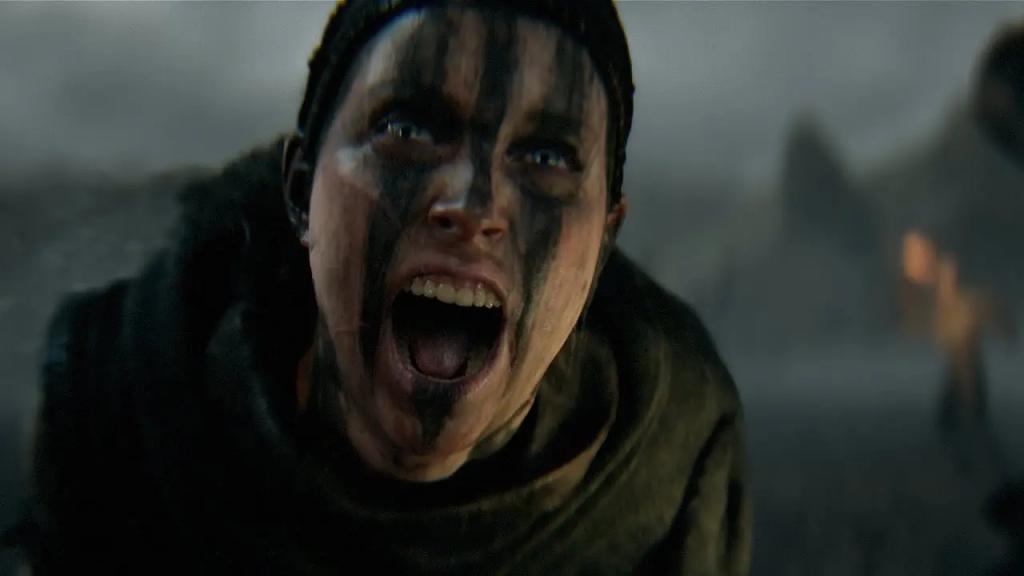
Ninja Theory: Having recently released Hellblade II: Senua’s Saga, Ninja Theory’s future projects are now under scrutiny. While no new games have been formally announced that would fall under the "publicly announced" umbrella, the studio’s continued involvement in developing ambitious narrative-driven titles is a key question.
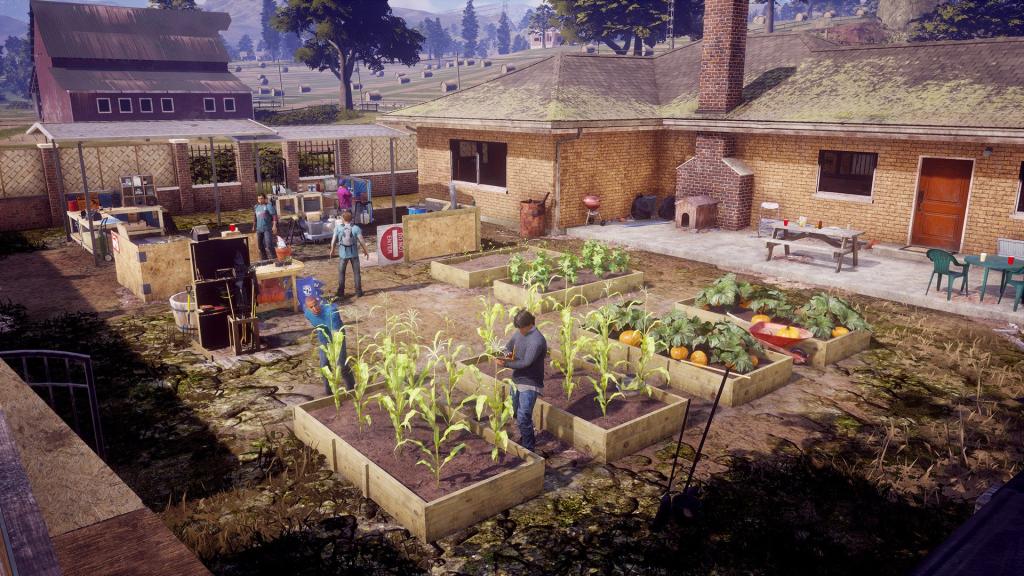
Undead Labs: The creators of the State of Decay series have been a significant part of Xbox’s first-party lineup. The continuation of their work on any announced titles is expected, but the long-term implications for their development pipeline and the potential for future State of Decay installments will be closely watched.

Arkane Lyon: Known for its immersive sim titles like Dishonored and Deathloop, Arkane Lyon’s future is a point of interest. While they are a highly respected studio, the restructuring could influence the scale or nature of their future projects, especially if they are not directly tied to existing, publicly revealed commitments.
Activision and Blizzard Entertainment: Following Microsoft’s acquisition of Activision Blizzard, these entities represent a vast portfolio of gaming IPs. The assurance that publicly announced games are safe is particularly relevant here, given the broad range of franchises under these banners, including Call of Duty, World of Warcraft, and Diablo. The layoffs at Xbox could be part of a larger, company-wide effort to integrate and streamline operations following this colossal acquisition, impacting shared services and potentially some development roles across the broader Microsoft Gaming ecosystem.

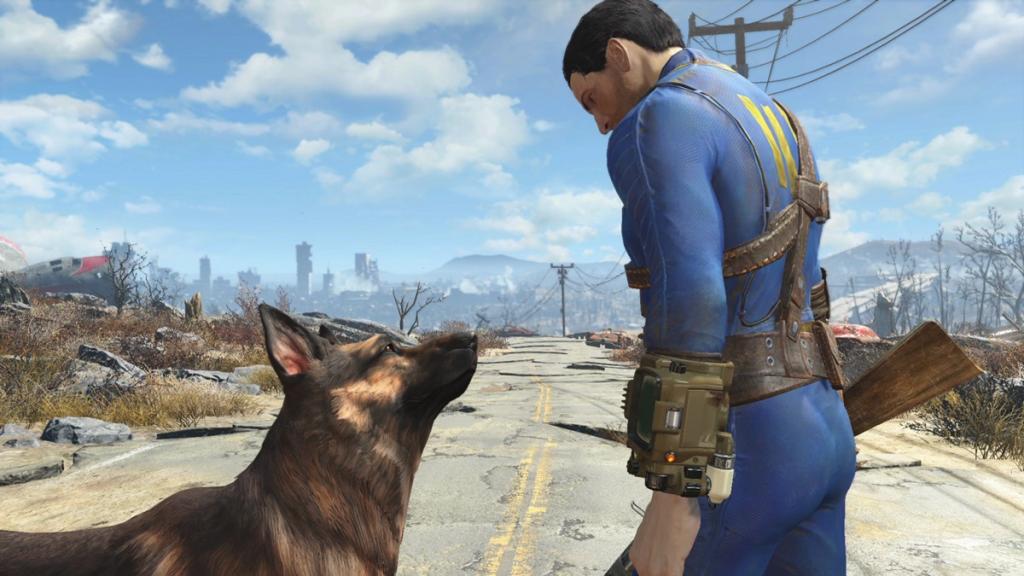
Bethesda/ZeniMax: This acquisition brought studios like Bethesda Game Studios (The Elder Scrolls, Fallout), id Software (DOOM), and MachineGames (Wolfenstein) under the Xbox umbrella. Similar to Activision Blizzard, the integration of ZeniMax has been a significant undertaking. The assurance regarding announced games would apply to titles like the recently released Fallout 4 updates or any officially revealed future projects from these studios.
King: As a prominent mobile game developer, particularly known for Candy Crush Saga, King’s integration into Microsoft’s portfolio presents a different set of considerations. The focus here might be on how their lucrative mobile operations align with Xbox’s broader strategy, and whether any operational adjustments are planned to maximize their contribution.

Mojang Studios: The creators of Minecraft are a cornerstone of Xbox’s intellectual property. Given Minecraft‘s enduring global popularity and its status as a platform for innovation, it is highly probable that Mojang’s core operations and announced projects will remain a priority.
Obsidian Entertainment: Known for critically acclaimed RPGs like The Outer Worlds and Pillars of Eternity, Obsidian has a strong track record. Any publicly revealed projects, such as the sequel to The Outer Worlds, are expected to proceed as planned, though the studio’s operational structure might be reviewed as part of the broader Xbox consolidation.
Broader Industry Repercussions and Analyst Perspectives
The substantial layoffs at Xbox are not occurring in a vacuum. The technology sector has experienced waves of job cuts across various companies in recent years, driven by factors such as post-pandemic recalibration, economic uncertainty, and a renewed focus on profitability. For the gaming industry, this represents a significant shift from a period of rapid growth and expansion.
Industry analysts have offered varying perspectives on the implications of Sharma’s "reset." Some view it as a necessary, albeit painful, step towards greater financial discipline and strategic focus in a highly competitive market. The sheer scale of the layoffs suggests a fundamental re-evaluation of operational costs and resource allocation. The emphasis on protecting announced game projects indicates a commitment to delivering on existing promises, but it also raises questions about the long-term development capacity and the potential for innovation if creative talent is significantly reduced.

Others express concern about the impact on game development culture and the potential for a "brain drain" if talented individuals seek opportunities in less volatile sectors. The gaming industry has historically relied on passionate creators, and significant workforce reductions can erode morale and trust. The industry’s cyclical nature means that periods of intense hiring can be followed by sharp contractions, a pattern that may be unsettling for developers.
The future of Xbox under Asha Sharma’s leadership will be closely observed. The success of this restructuring will likely hinge on its ability to foster a more efficient and focused organization without compromising the quality and innovation that define its most beloved franchises. The coming months and years will reveal the true impact of this significant pivot, not only on the thousands of individuals affected but also on the trajectory of Xbox and the broader gaming landscape. The industry will be watching to see if this bold "reset" ultimately leads to a stronger, more sustainable future for one of gaming’s most iconic brands.