


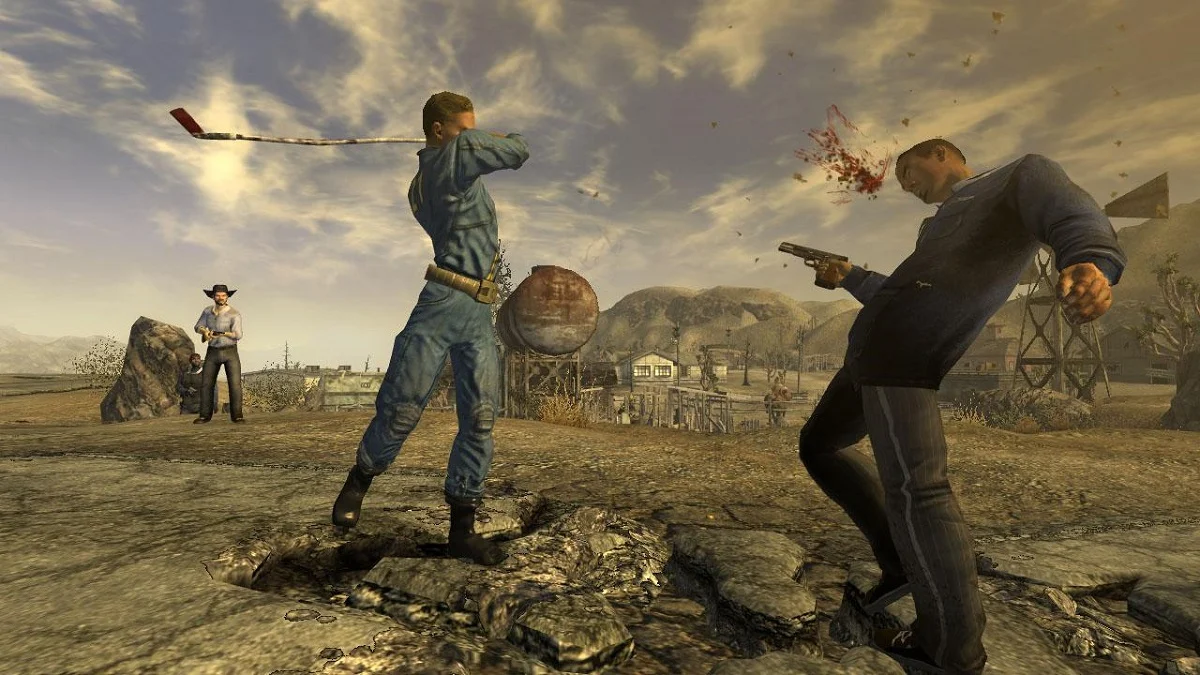
The landscape of the video game industry, particularly within the expansive ecosystem of Microsoft’s Xbox division, has undergone a significant recalibration, with Obsidian Entertainment now reportedly pivoting to a new installment in the beloved Fallout franchise. This strategic shift, revealed in a report by Bloomberg’s Jason Schreier, coincides with a substantial wave of layoffs that have impacted Obsidian and several other Xbox studios. Concurrently, the development of a sequel to Obsidian’s fantasy RPG Avowed has been officially canceled, marking a definitive end to that project’s immediate future.
Fallout’s Return to Obsidian: A Familiar Partnership
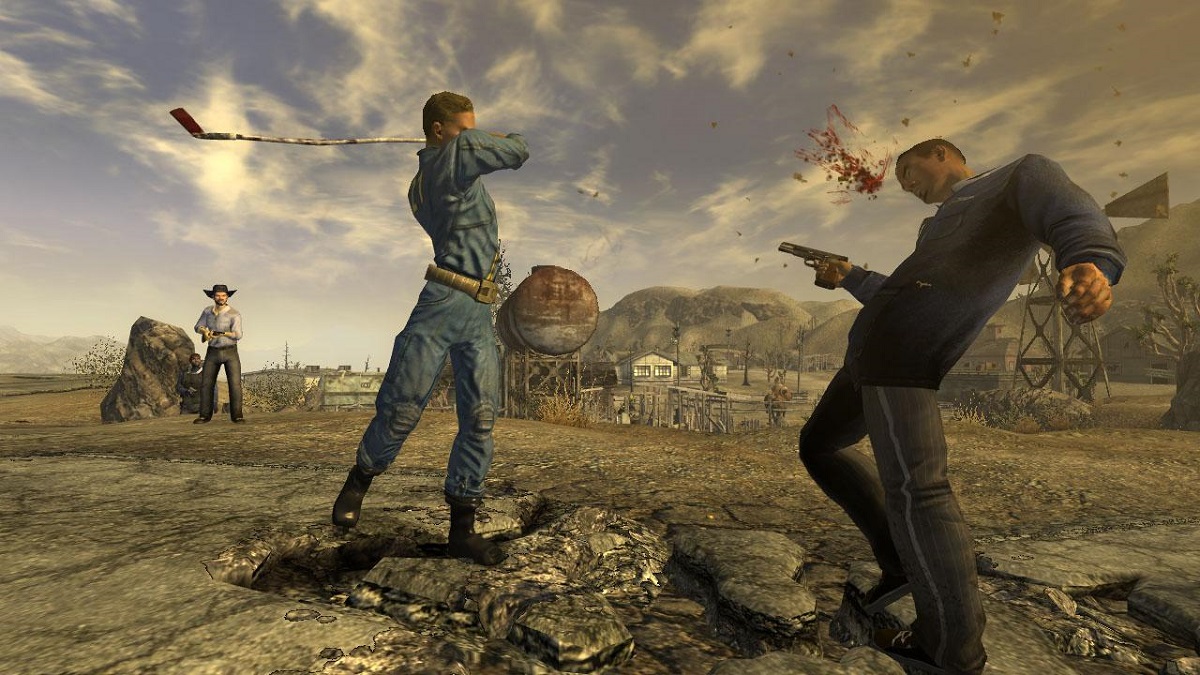
The news of Obsidian Entertainment spearheading a new Fallout game ignites considerable excitement among fans who fondly remember the studio’s critically acclaimed 2010 title, Fallout: New Vegas. This title is widely regarded as a high point in the series for its deep role-playing mechanics, compelling narrative choices, and intricate world-building. Sources close to the report indicate that Josh Sawyer, the director of Fallout: New Vegas, is slated to lead this new project, suggesting a potential return to the design philosophies that garnered such widespread praise.
The Fallout franchise, a cornerstone of post-apocalyptic gaming, has seen its development cadence fluctuate in recent years. Bethesda Game Studios, the primary custodian of the series, released Fallout 4 in 2015, followed by the online multiplayer experience Fallout 76 in 2018. While Fallout 76 has evolved significantly since its launch and garnered a dedicated player base, the demand for a traditional, single-player Fallout experience has remained consistently high. The recent surge in popularity of the Fallout IP, amplified by the successful Prime Video television series, has further underscored the franchise’s enduring appeal and the market’s appetite for new content. This move by Xbox to leverage Obsidian’s proven expertise in the Fallout universe, particularly with the talent behind New Vegas, appears to be a calculated effort to capitalize on this renewed interest.
The Fallout Franchise: A Brief Historical Overview
The Fallout series, originally developed by Interplay Entertainment and Black Isle Studios, debuted in 1997 with Fallout. Set in a retro-futuristic, post-nuclear wasteland, the games are renowned for their blend of dark humor, societal commentary, and player-driven storytelling. The franchise transitioned to Bethesda Game Studios following the financial difficulties of Interplay, leading to the release of Fallout 3 in 2008, which revitalized the series with a shift to a first-person perspective and a more open-world design. Fallout: New Vegas, developed by Obsidian Entertainment and published by Bethesda Softworks, was released in 2010 and is often lauded for its more nuanced role-playing elements and branching narrative paths compared to Fallout 3 and Fallout 4. The most recent mainline entry, Fallout 4, released in 2015, continued the first-person perspective and introduced a robust settlement-building mechanic. Fallout 76, a live-service online multiplayer game, launched in 2018, initially facing a critical reception but has since undergone substantial updates and content additions.
Xbox’s Strategic "Reset" and the Layoffs at Obsidian
The development of the new Fallout game by Obsidian Entertainment is unfolding against the backdrop of a significant organizational restructuring within Microsoft’s Xbox division. Reports from various outlets, including Game File, indicate that as many as 52 employees were laid off at Obsidian this past week. This action is part of a broader "reset" initiative by Xbox, which is projected to result in the displacement of over 3,200 employees across various departments within the next year. These layoffs have also affected other studios under the Xbox umbrella, including Arkane Austin, Tango Gameworks, and Alpha Dog Games, leading to the closure of these studios.
This period of intense restructuring suggests a strategic re-evaluation of Microsoft’s gaming portfolio and development priorities. The decision to shift Obsidian’s focus to Fallout, a well-established and commercially viable intellectual property, while simultaneously canceling an original IP like Avowed, points towards a prioritization of established franchises and titles with clearer market potential. This strategy is not uncommon in the gaming industry, especially during periods of economic uncertainty or when a company aims to consolidate its market position.
The Demise of an Avowed Sequel
The cancellation of the Avowed sequel comes as a surprise to many, as Bloomberg’s report indicates that the game was reportedly "well into development" and "going well." Sources familiar with the project suggested that Avowed was "on track to be announced within the next year," hinting at a tangible progression in its development lifecycle. The abrupt halt to this project, especially given its seemingly positive trajectory, underscores the severity of the strategic shifts occurring within Xbox.
It is also noted that some Obsidian employees will continue to work on the Avowed sequel in the interim, while awaiting the initiation of new projects like the Fallout game. This transitional phase suggests that while the sequel is officially canceled, there might be a hope, however distant, of potentially reviving the project in the future, or at the very least, retaining some of the foundational work and talent for potential future endeavors.
The decision to cancel an Avowed sequel, a project that represented Obsidian’s foray into a new fantasy RPG world, while greenlighting a Fallout title, highlights a pragmatic approach to resource allocation. Established intellectual properties like Fallout often carry a built-in audience and a more predictable market reception compared to new franchises. For a company like Microsoft, seeking to maximize returns and solidify its position in a competitive market, investing in proven entities can be a more secure strategy, particularly in the wake of significant financial adjustments.
Analyzing the Implications: A Strategic Pivot
The implications of this strategic pivot are multifaceted. For the Fallout franchise, this signifies a potential resurgence of the series under a developer with a proven track record of delivering exceptional RPG experiences within its universe. The prospect of a Fallout game developed by the New Vegas team offers a beacon of hope for fans yearning for the series’ traditional strengths. This move could also be seen as a direct response to the growing anticipation for new Fallout content, further fueled by the television series’ success.
For Obsidian Entertainment, this represents a significant redirection of its creative energies. While the cancellation of an Avowed sequel is undoubtedly a blow, the opportunity to work on a flagship franchise like Fallout provides a substantial platform and a renewed sense of purpose. The studio’s history with the IP positions it uniquely to deliver a title that resonates with the franchise’s legacy. However, the recent layoffs also signal a period of uncertainty and adaptation for the studio’s workforce.
From Xbox’s perspective, this strategy appears to prioritize established, high-demand intellectual properties. By re-engaging Obsidian with Fallout, Microsoft aims to leverage a known quantity with a strong fan base, potentially ensuring a more secure commercial outcome. This decision, however, raises questions about the future of original IP development within Xbox and the potential impact on studio morale and creative diversity. The broader trend of consolidation and focus on established franchises within the gaming industry, amplified by these recent events, suggests a cautious approach to risk-taking and a strong emphasis on intellectual property that has already demonstrated market viability.
The coming months and years will reveal the full impact of this strategic recalibration. The success of the new Fallout game, the studio’s ability to navigate these changes, and the broader trajectory of Xbox’s gaming initiatives will all be closely watched by the industry and its dedicated player base. While the human cost of layoffs is always regrettable, the industry’s continuous evolution often necessitates difficult decisions in pursuit of long-term sustainability and market leadership. The renewed focus on Fallout by a beloved developer like Obsidian Entertainment offers a compelling narrative for fans, even as the industry grapples with the complexities of restructuring and strategic realignments.