


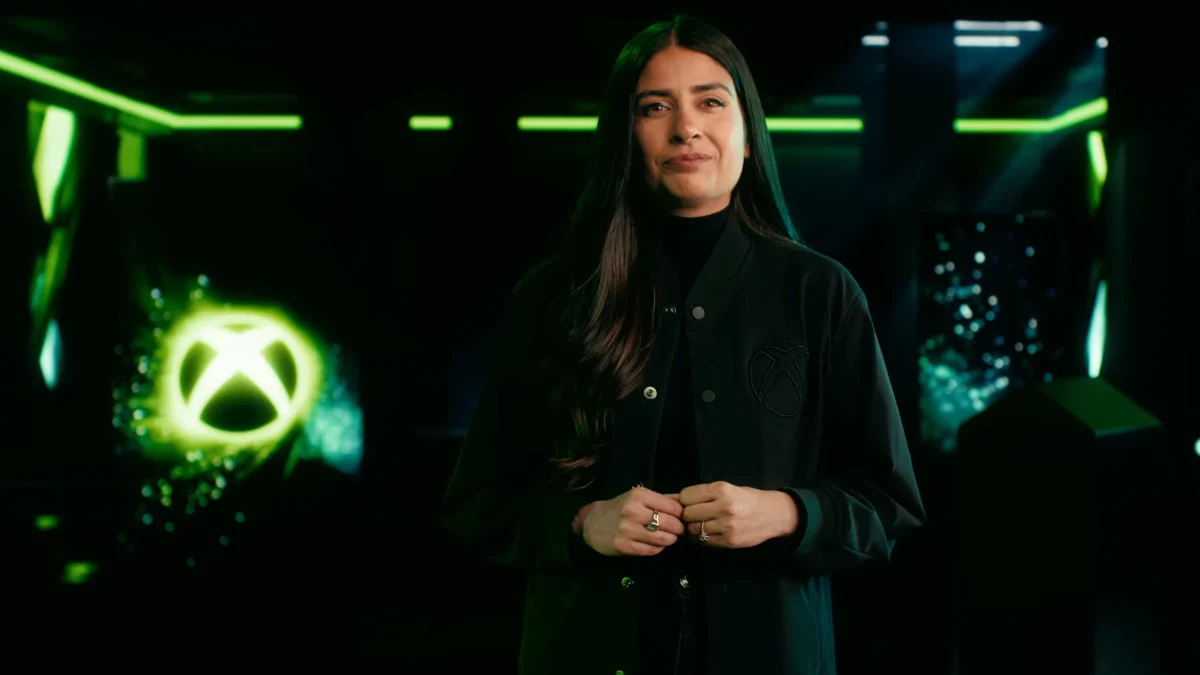
Xbox CEO Asha Sharma has officially confirmed widespread workforce reductions and significant strategic shifts across Microsoft’s gaming division, impacting approximately 1,600 employees immediately, with an additional 1,600 planned reductions by the end of the fiscal year 2027. This amounts to a total of 3,200 job losses, representing a substantial 20% of the Xbox workforce. The announcement, delivered through a company-wide statement and a public post, signals a broad restructuring initiative aimed at improving profitability and streamlining operations within the gaming giant.
The current wave of layoffs is part of a larger, more extensive overhaul within Microsoft, which is slated to affect around 6,400 employees across various divisions over the coming year. This means that many remaining employees will continue their work under the shadow of further anticipated cuts, creating an atmosphere of uncertainty and apprehension within the company. The scale of these reductions marks one of the most significant employment changes in the history of the gaming industry under a single organizational umbrella.
A Year-Long Restructuring Amidst Financial Pressures
In her statement, Sharma acknowledged the challenging nature of a protracted restructuring process. "I recognize that a year-long restructuring creates additional challenges," Sharma stated. "Unfortunately, it is not possible to make all the necessary changes in a single day, and I wanted to be direct about the scale." This approach, while intended to provide clarity on the long-term vision, undoubtedly prolongs the period of anxiety for employees across the affected departments.
The impetus for these drastic measures appears to stem from a stated need to make the Xbox business more profitable. Sharma candidly described the current state of the Xbox business as "not healthy," citing margins that are "3-10x lower than comparable platform and publishing businesses." She further elaborated that strategic bets on services like Game Pass, multi-platform strategies, and an expanded content portfolio, while ambitious, have not yielded the expected financial returns. This financial pressure is the driving force behind the extensive operational and personnel adjustments.
Strategic Realignment of Studios and Ownership
Beyond the direct workforce reductions, the restructuring involves significant changes to the operational structure of several key game development studios. In a move aimed at fostering greater autonomy and potentially new growth avenues, two formerly wholly-owned Xbox studios are set to transition. Compulsion Games and Double Fine Productions will "return to management and transition to independent studios." This implies a shift in ownership or operational control, allowing these studios to pursue their own strategic directions, potentially with different funding models.
Further complicating the studio landscape, Ninja Theory and Undead Labs are reportedly in the process of entering terms to be acquired by new ownership. These studios will receive funding to continue and expand their current major projects: Ninja Theory with the Senua series and Undead Labs with State of Decay 3. This arrangement suggests a belief in the potential of these franchises, but a decision that their development might be better served under a different financial and managerial structure.
Meanwhile, Arkane, the studio currently developing Marvel’s Blade game, is initiating "required consultation with its Works Council to review potential strategic options." This phrasing indicates a more complex and potentially sensitive process for Arkane, hinting at further uncertainty regarding its future within the Xbox ecosystem, though no immediate closure or layoff figures have been explicitly linked to this consultation process.
Broad Impact Across Major Gaming Brands
The scope of these changes extends to many of Microsoft’s most prominent gaming labels. Sharma’s statement indicated that adjustments will occur across Activision, Bethesda/ZeniMax, Blizzard, King, Mojang, and Xbox Game Studios. This broad sweep suggests that no single corner of Microsoft’s gaming empire has been left untouched by the restructuring.
However, in a crucial piece of information for fans and stakeholders, Sharma assured that "none of our first party publicly announced games or projects are being cancelled as part of these reductions." This commitment aims to mitigate concerns about the future of anticipated titles and ongoing development pipelines.
In a notable organizational shift, Mojang, the creator of the immensely popular Minecraft, and King, the developer behind the ubiquitous Candy Crush franchise, will now report "directly" to Asha Sharma. This consolidation of reporting lines for two of Microsoft’s most lucrative gaming entities suggests a desire for closer oversight and integration of their performance and strategies directly under the Xbox leadership.
Underlying Financial Performance and Strategic Bets
Sharma’s candid assessment of the Xbox business’s financial health underscores the strategic rationale behind these decisions. The comparison of Xbox’s profit margins to those of "comparable platform and publishing businesses" points to a significant performance gap. Industry analysts have long noted the intense competition in the console market and the increasing costs associated with game development and marketing. The shift towards subscription services like Game Pass, while a significant strategic investment, has evidently not yet translated into the desired profitability levels to sustain the current operational overhead.
The decision to diversify and expand into multi-platform releases, including bringing some previously Xbox-exclusive titles to other consoles, was a bold move. While intended to broaden the audience and revenue streams, its success in fully offsetting the costs and achieving target profit margins remains a subject of ongoing evaluation within Microsoft. The current restructuring suggests that the financial returns from these initiatives have not met internal expectations, necessitating a recalibration of the business model.
A Difficult Acknowledgment of Human Impact
Sharma concluded her statement with a somber acknowledgment of the human cost of these decisions. "I know this is painful," she stated. "These changes will directly affect people who have poured their creativity into building XBOX. Many joined us through acquisitions, while others were recruited here, or sought us out because they loved this industry and loved XBOX. Today’s decisions do not reflect their talent or dedication." This recognition of the dedication and contributions of the affected employees aims to temper the corporate messaging with empathy, though the impact on individuals remains profound.
Context and Broader Implications
The news of these layoffs and restructuring comes amidst a broader trend of consolidation and cost-cutting within the technology and gaming sectors. Following a period of rapid growth and significant hiring during the pandemic, many tech companies have been re-evaluating their workforce size and operational efficiency in response to changing economic conditions and market dynamics. Microsoft’s acquisition of Activision Blizzard for $68.7 billion in 2023, one of the largest in gaming history, has also presented significant integration challenges and likely contributed to the need for synergy and efficiency gains.
The strategic shift away from direct ownership of certain studios, such as Compulsion Games and Double Fine, could be interpreted as a move to de-risk the core Xbox business from the inherent financial volatility of individual studio performance. By allowing these studios to operate more independently, Microsoft may be seeking to reduce its direct financial exposure while still potentially benefiting from their creative output through publishing agreements or other strategic partnerships.
The restructuring also raises questions about the long-term vision for Xbox’s first-party studio portfolio. While announced games are safe, the future development pipeline and the potential for new acquisitions or divestitures remain open for speculation. The direct reporting of Mojang and King to Sharma suggests a stronger emphasis on the monetization and strategic alignment of these highly profitable entities.
Looking Ahead: A Return to Growth in 2027?
Despite the current turbulence, Sharma expressed optimism for the future, setting a target for returning to growth in 2027. "I want XBOX to be one of the few companies that entertains more than a billion people each day and gives everyone the opportunity to create and connect," Sharma said. "I know we can achieve this goal. XBOX has many of the most beloved franchises in entertainment history, talented studios around the world, and we will return to growth in 2027."
This forward-looking statement aims to provide a sense of direction and purpose to the remaining workforce and reassure investors. The company’s stated ambition to reach over a billion people daily underscores a long-term vision that transcends immediate financial performance. The presence of iconic franchises and talented developers is positioned as the bedrock upon which this future growth will be built.
The coming months and years will be critical in determining the success of this ambitious restructuring. The ability of Xbox to navigate these significant changes, retain key talent, and deliver on its strategic objectives will be closely watched by the gaming industry, its competitors, and its dedicated player base. The immediate impact, however, is undeniable for the thousands of individuals whose careers at Xbox have been irrevocably altered.