


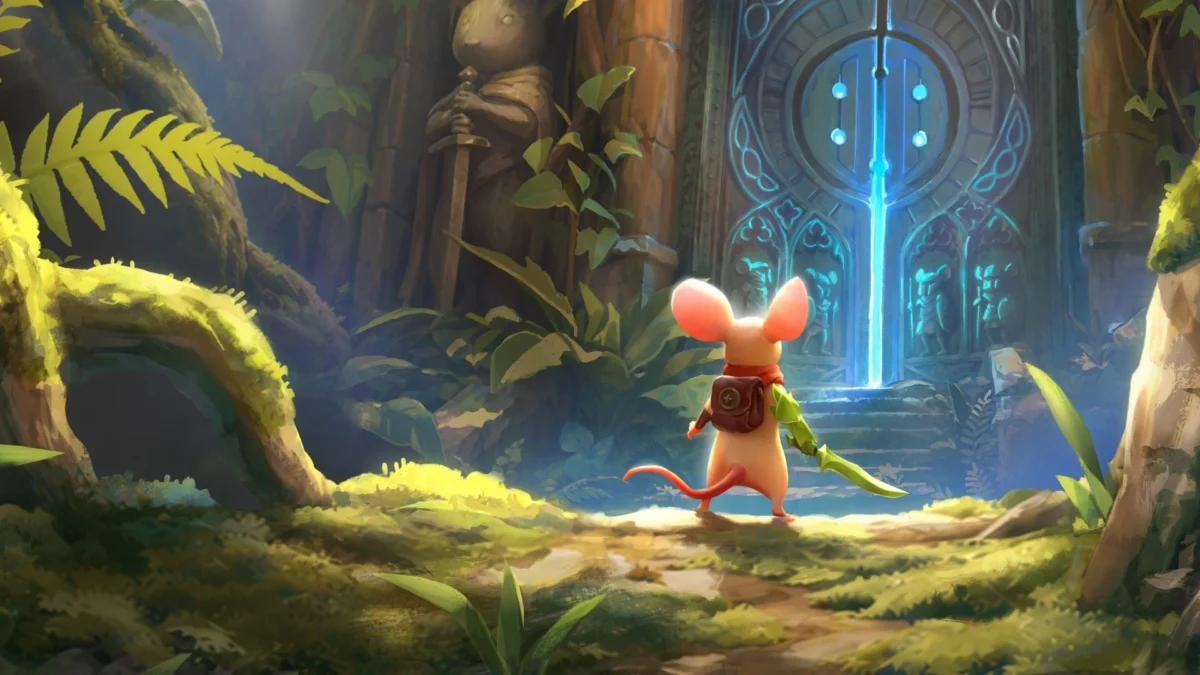
The highly anticipated console adaptation, Moss: The Forgotten Relic, has commenced its rollout with an overwhelmingly positive reception from critics, marking a significant success for developer Polyarc in translating its acclaimed virtual reality experience to traditional gaming platforms. Initial reviews highlight the game’s enduring charm, intricate puzzle design, and captivating narrative, solidifying its status as a standout title now accessible to a much broader audience. This reimagined port, which bundles both the original Moss and its sequel Moss: Book II, has garnered a "Generally Favourable" Metacritic score of 81, a testament to its successful transition from a VR-exclusive format and a significant achievement in game porting.
A Beloved Tale Reimagined: The Genesis of The Forgotten Relic
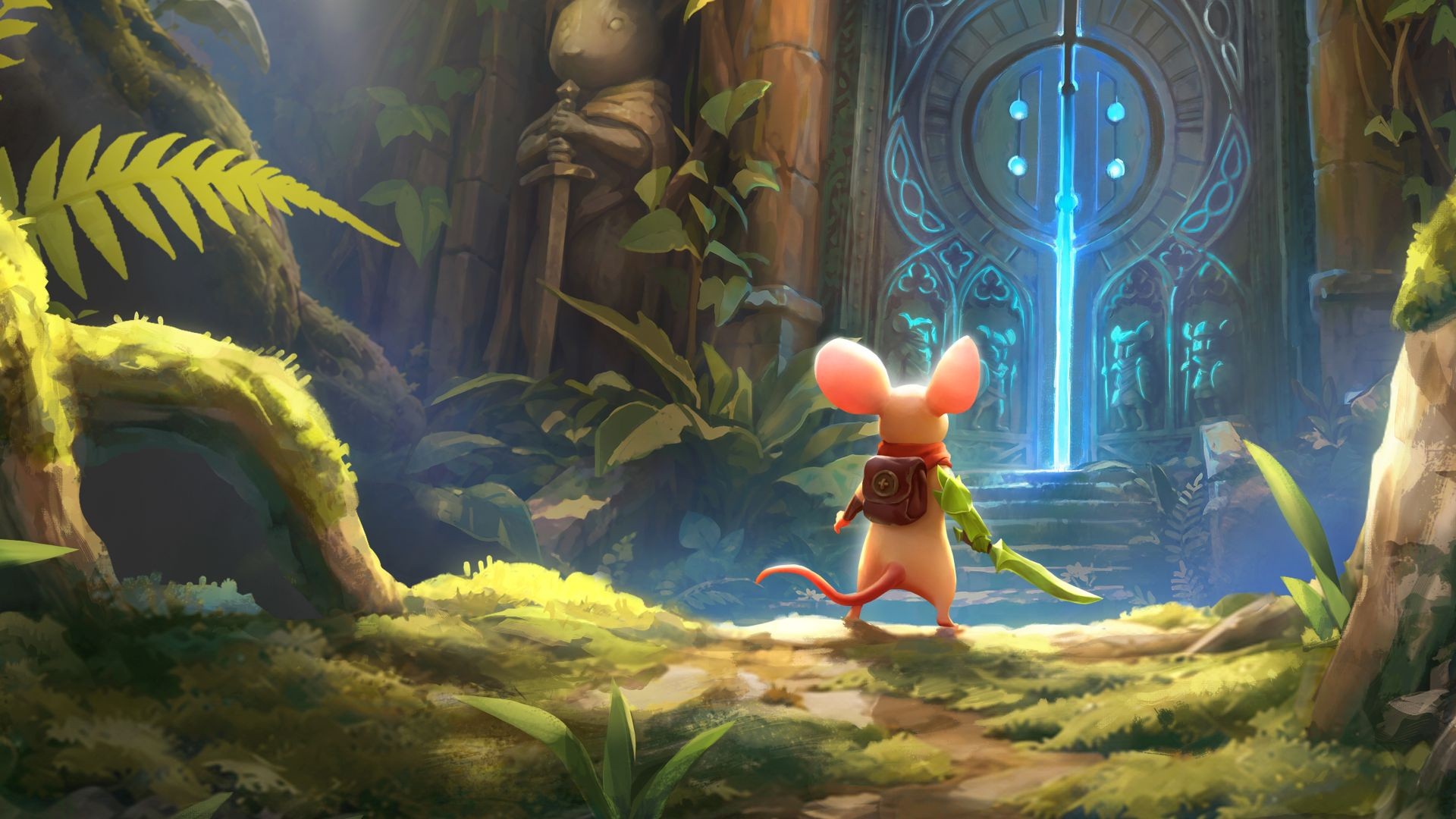
At its core, Moss: The Forgotten Relic invites players into an emotional and atmospheric adventure set within the pages of a living storybook, a world rich with myth and ancient magic. Players assume a dual role: as the "Reader," a benevolent guardian spirit observing and subtly influencing the world, and as Quill, a tiny yet incredibly determined mouse hero. Quill embarks on a heartfelt journey filled with challenges, moments of courage, and profound connections, traversing lush environments, solving environmental puzzles, and engaging in combat against various fantastical creatures. The game’s narrative depth, coupled with its innovative gameplay mechanics, originally captivated players in the VR space, earning it numerous accolades for its immersive storytelling and unique player-character relationship.
The original Moss launched in February 2018 for PlayStation VR, quickly becoming a flagship title for the platform due to its innovative blend of third-person action-adventure with a unique second-person perspective provided by the "Reader." Players, in their role as the Reader, could physically lean into the world, manipulate environmental elements, and even interact directly with Quill through gestures, fostering an unparalleled sense of connection and scale. Its critical success, often cited for its artistic direction, engaging puzzles, and emotional resonance, paved the way for Moss: Book II, released in March 2022. The sequel expanded upon the narrative, introduced new mechanics, and further cemented the series’ reputation as a benchmark for VR game design. The decision to bring these beloved experiences to traditional consoles as Moss: The Forgotten Relic was met with considerable excitement, promising to break down accessibility barriers for players who lacked VR hardware but yearned to experience Quill’s saga.
Polyarc, the Seattle-based independent game studio behind the Moss series, has consistently emphasized storytelling and player immersion. Their design philosophy centers on creating intimate, character-driven experiences that foster a deep emotional connection between the player and the protagonist. The development of The Forgotten Relic involved a meticulous process of re-engineering the VR mechanics for flat screens, ensuring that the unique sense of scale, presence, and interaction that defined the VR versions was preserved or effectively translated. This included adapting camera controls, refining character movement, and redesigning certain puzzle elements to function intuitively without the direct gaze-based interactions and hand-tracking inherent to VR. The goal was not merely a direct port, but a reimagining that honored the original vision while providing a seamless and engaging experience for a new platform.
Critical Consensus: Praising a Seamless Transition
The critical reception for Moss: The Forgotten Relic largely celebrates Polyarc’s success in porting the game without compromising its core strengths. Reviewers consistently highlighted the game’s ability to maintain its enchanting atmosphere and engaging gameplay despite the significant shift from VR to traditional console input, a feat often challenging for VR adaptations.
-
TheXboxHub (9/10) lauded the game as being "about as rich as an adventure game can get." While acknowledging minor control quirks inherited from its PSVR origins—a common challenge when remapping VR interactions to a gamepad—the reviewer found these negligible against the backdrop of an "enthralling and elegantly constructed" experience, likening its immersion to a "top-tier animated movie." This comparison underscores the game’s strong artistic direction and narrative quality, which resonate powerfully even without the immediate, physical immersion of VR. The review emphasized that the game’s inherent design quality shines through, making it a highly recommended title for adventure game enthusiasts seeking a rich narrative and engaging gameplay.
-
Console Creatures (9/10) expressed palpable gratitude for the wider accessibility, stating, "After years, it’s great that we now all have a way to experience what Polyarc created." The review affirmed that the games "feel just as great" on consoles as they presumably did in VR, praising the "well-realized" world of Moss and Quill as "the perfect mouse to take along on this journey." This sentiment speaks directly to Polyarc’s successful adaptation, validating the notion that the magic of Moss is not solely dependent on its VR presentation but on its fundamental design principles. The reviewer positioned it as an "action puzzle game that many, many more people should check out now that it’s more widely accessible."
-
IGN (8/10) described Moss: The Forgotten Relic as an "incredibly charming fairy tale," noting that "aside from a couple of minor issues, this is a very smooth remake that doesn’t feel compromised by breaking free of its VR-exclusive origins." This review is particularly important as it directly addresses the common concern about VR-to-flat-screen ports—the potential for loss of immersion or clunky controls. IGN’s assessment suggests Polyarc largely navigated these challenges successfully, delivering an experience that feels native to consoles rather than merely transplanted. The article commended the developers for maintaining the game’s unique perspective and interactive elements without the direct presence afforded by VR.
-
TheGamer (8/10) echoed this sentiment, acknowledging that while the game might "lose a little bit of the personal magic that it’s become known for with the removal of VR," Quill’s adventure "absolutely manages to stand on its own two paws as a slightly more traditional puzzle platformer." The reviewer concluded with appreciation, stating, "More than anything, I’m grateful that anyone who couldn’t handle Moss in VR finally has a chance to try out a truly special game." This perspective highlights the game’s inherent quality and the immense value of making it available to a broader audience, regardless of the platform. The review pointed out that the core charm and clever design elements transcend the original medium.
Collectively, these reviews underscore a unanimous agreement among critics: Moss: The Forgotten Relic is a masterclass in adaptation, retaining the core essence that made the original VR titles so beloved while effectively translating the experience for traditional consoles. The minor criticisms often revolve around control nuances that are frequently encountered when remapping VR interactions to gamepad inputs, but these are consistently overshadowed by the overall quality of the game, its captivating world, and its endearing protagonist.
The Chronology of Quill’s Journey to Consoles
The journey of Quill and the enchanting world of Moss to a wider audience has been a carefully orchestrated progression, reflecting Polyarc’s commitment to quality and accessibility:
- February 2018: The original Moss launches exclusively for PlayStation VR, immediately gaining critical acclaim and establishing Polyarc as a significant VR developer. It quickly becomes a benchmark for narrative-driven VR experiences.
- May 2018 – December 2021: Following its initial success, Moss expands its reach within the VR ecosystem, being released on other major VR platforms, including Oculus Rift, HTC Vive, and Valve Index. This period solidifies its reputation across the nascent VR market.
- March 2022: Moss: Book II, the highly anticipated sequel, is released for PlayStation VR and later for Meta Quest 2 and other VR headsets. It successfully builds upon the narrative and gameplay foundations of its predecessor, deepening the lore and expanding Quill’s adventure.
- Late 2025 (Inferred): Industry speculation and subtle hints begin to circulate regarding a potential non-VR version of the Moss series. This period sees growing demand from console players who have heard of the VR titles’ acclaim but lacked the necessary hardware.
- Early 2026: Polyarc officially announces Moss: The Forgotten Relic, confirming it as a reimagined console port bundling both Moss and Moss: Book II. This announcement marks a pivotal moment, signaling Polyarc’s strategic commitment to making their celebrated titles more accessible to a global audience beyond the VR niche.
- May 2026 (Current Event): Moss: The Forgotten Relic is released on Xbox One, Xbox Series X|S, and PC. The immediate influx of positive reviews following its launch confirms the success of the extensive porting effort and the enduring appeal of the Moss universe.
This timeline illustrates Polyarc’s strategic and patient approach: first establishing the series as a premier VR experience, then carefully planning and executing its transition to a broader console audience, ensuring quality and fidelity every step of the way. The phased release strategy allowed the developers to refine their craft in VR before tackling the complexities of a multi-platform launch.
Polyarc’s Vision and the Broader Industry Impact
Polyarc’s success with Moss: The Forgotten Relic is not merely a triumph for the studio but also serves as a compelling case study for the wider gaming industry. For years, one of the primary challenges for VR games has been their limited market reach due to the specialized hardware requirements and higher entry cost for consumers. Successful ports like The Forgotten Relic demonstrate a viable pathway for critically acclaimed VR titles to transcend their niche and reach millions of new players. This could encourage other VR developers to consider similar strategies, potentially revitalizing interest in existing VR libraries and fostering new revenue streams for titles that were previously hardware-locked.

From Polyarc’s perspective, this expansion represents a significant milestone. By making Moss accessible to Xbox and PC players, the studio not only taps into a massive install base but also introduces its unique brand of storytelling and gameplay to a demographic that might not have otherwise encountered it. This broader exposure can foster a larger fan community, generate increased revenue, and potentially fund future projects, allowing Polyarc to continue innovating in both VR and traditional gaming spaces. The consistent praise for the port also reinforces Polyarc’s reputation as a developer capable of delivering high-quality experiences across different platforms, which is crucial for long-term studio viability in a competitive market.
The game’s current price point of £16.74 / $19.99 for a bundle of two critically acclaimed games is also notable. This competitive pricing strategy makes The Forgotten Relic an attractive proposition for new players, offering substantial value for an experience that has been lauded for its depth and charm. This accessible price point, combined with widespread availability on major console and PC storefronts, positions the game for strong sales performance, especially during key promotional periods. Industry analysts suggest that this strategic pricing could drive significant adoption rates among players new to the Moss universe.
Player Engagement and Future Outlook
The release of Moss: The Forgotten Relic has reignited discussions within the gaming community about the potential for VR titles to succeed on traditional platforms. Social media channels and gaming forums are abuzz with players expressing their excitement, many of whom have long admired the Moss series from afar but lacked the means to play it. The immediate and overwhelmingly positive response from both critics and the gaming community suggests a robust future for the title, potentially securing its place as a classic beyond its original medium.
Looking ahead, the success of The Forgotten Relic could significantly influence Polyarc’s strategic direction. While the studio has a strong legacy in VR development, the positive reception of this console port might encourage them to develop future titles with multi-platform compatibility in mind from the outset. This could involve parallel development for VR and flat-screen versions, or a more streamlined porting process for subsequent releases, ensuring that their creative vision reaches the widest possible audience. This approach could maximize their development investment and market penetration.
Furthermore, Moss: The Forgotten Relic sets a new standard for how VR games can be adapted. It demonstrates that with careful consideration for control schemes, camera perspectives, and player interaction, the magic of a VR experience can be effectively translated without losing its essential charm or immersive qualities. This successful blueprint could inspire other developers to re-evaluate their VR-exclusive titles for potential console or PC releases, ultimately enriching the entire gaming landscape by making more unique and high-quality experiences available to a global audience. The port’s success underlines the fact that great game design transcends platform specifics, provided the adaptation is handled with care and respect for the original experience.
In conclusion, Moss: The Forgotten Relic stands as a definitive example of a successful transition from virtual reality to traditional gaming. Its critical acclaim validates Polyarc’s meticulous efforts in adaptation and underscores the universal appeal of Quill’s enchanting journey. For players, it’s an unprecedented opportunity to dive into a beloved narrative; for Polyarc, it’s a triumph of expanded reach and strategic development; and for the industry, it’s a compelling blueprint for bridging the gap between immersive VR and mainstream gaming. The little mouse, Quill, has truly found her way into the hearts of many more players, cementing her legacy in the annals of video game history.