


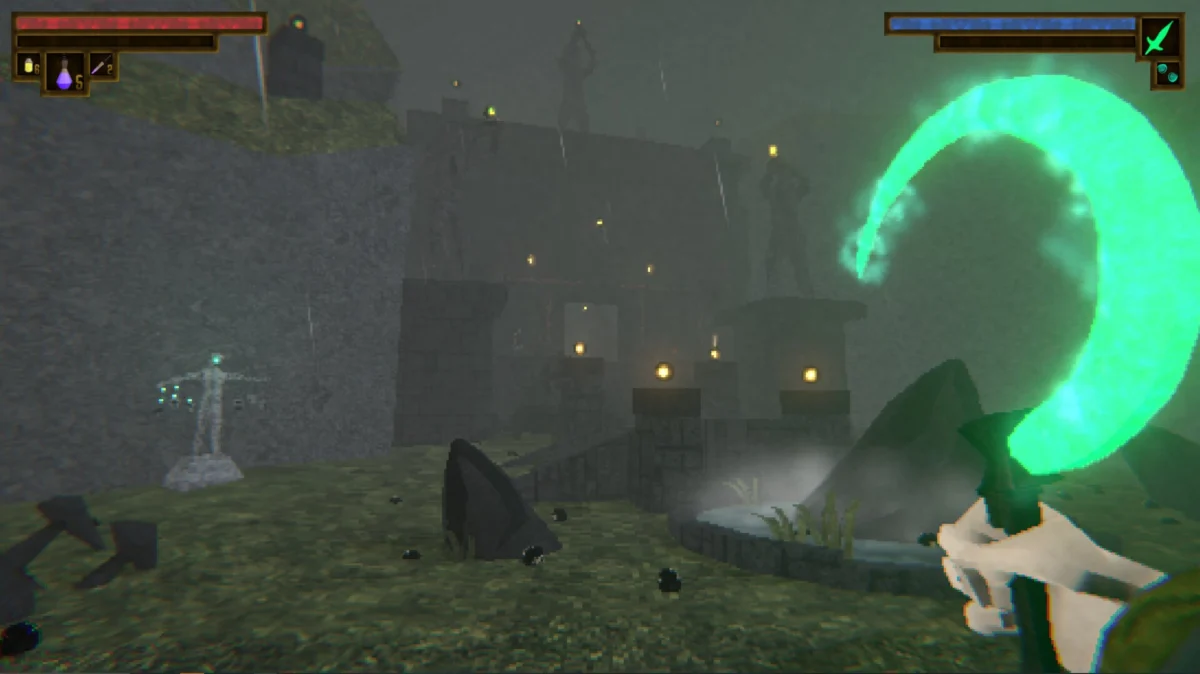
Following a successful period on PC via the Steam platform, the dark fantasy role-playing game Verho – Curse of Faces has officially expanded its reach to home consoles, including a high-performance release on the Xbox Series X. Developed through a collaboration between Casur Games and CobraTekku Games, the title serves as both a spiritual successor to the archaic first-person dungeon crawlers of the 1990s and a modern refinement of the "Soulslike" subgenre. While the game initially garnered a niche but dedicated following on Steam, its transition to the Xbox ecosystem provides an opportunity for a broader audience to engage with its distinctive blend of atmospheric horror and methodical combat.
Historical Context and the Legacy of First-Person Dungeon Crawlers
To understand the design philosophy behind Verho – Curse of Faces, one must look back to the origins of FromSoftware, the Japanese developer now famous for the Dark Souls series and Elden Ring. Before the advent of third-person action RPGs, FromSoftware established its reputation with King’s Field, a series of first-person titles characterized by their slow movement, punishing difficulty, and cryptic environmental storytelling. These games laid the groundwork for what would eventually become the Soulslike formula: deliberate combat, interconnected level design, and a reliance on player intuition rather than explicit tutorials.
In recent years, a burgeoning movement within the indie development scene has sought to revive this specific "proto-Souls" experience. Titles such as Lunacid and Dread Delusion have demonstrated a significant market appetite for low-poly, first-person RPGs that prioritize atmosphere over graphical fidelity. Verho – Curse of Faces enters this landscape as a more accessible entry point, streamlining certain navigation and mechanical hurdles while retaining the core tension and mystery that define the genre.

Narrative Premise: The Mechanics of the Curse
The narrative of Verho – Curse of Faces is centered on a high-concept supernatural catastrophe known as the "Curse of Faces." According to the game’s lore, a mysterious epidemic decimated the global population through a visceral and immediate phenomenon: the heads of human beings would spontaneously detonate upon viewing the face of another person. This catastrophic event forced the few remaining survivors to adopt permanent, cryptic masks to ensure their survival.
The player assumes the role of a masked warrior who travels to Yariv, an accursed and fog-shrouded land believed to be the source of the plague. The journey begins with the protagonist losing consciousness upon entering the region, a narrative device that facilitates the player’s choice of background and starting statistics. By selecting a specific mask, players determine their initial class, though the game employs a flexible progression system that allows for the hybridization of playstyles through experience point (XP) allocation.
Gameplay Mechanics and Combat Systems
Combat in Verho – Curse of Faces is characterized by a departure from modern action-game tropes. Unlike contemporary titles that rely heavily on "dodge rolls" with invincibility frames (i-frames), Verho utilizes a movement-based evasion system. Players must rely on precise positioning, backstepping, and sidestepping to avoid enemy hitboxes. This mechanical choice heightens the stakes of every encounter, as a single error in positioning can lead to rapid health depletion.
The game features a variety of combat options, including:

- Melee Weaponry: Starting with rudimentary tools such as broken swords, players eventually gain access to specialized equipment like sickles and heavy blades.
- Ranged Combat: Bows and projectiles allow for tactical engagements from a distance, which is often necessary when facing the game’s more aggressive insectoid and supernatural entities.
- Magic Systems: Intricate spells provide utility and high-damage options for players who invest in the appropriate statistics.
- Defensive Maneuvers: Well-timed parries are essential for neutralizing enemy attacks, rewarding players who study the specific animation cues of their foes.
The game’s progression is anchored by shrines, which serve as localized checkpoints. Interacting with a shrine restores the player’s health and resources but triggers a "reset" of the world’s enemies, a staple mechanic of the Soulslike genre. Notably, the developers have tuned the XP requirements to be more forgiving than those found in the Dark Souls series, reducing the necessity for extensive grinding and allowing for a more consistent narrative pace.
Technical Performance and Aesthetic Direction
The Xbox Series X version of Verho – Curse of Faces leverages the console’s hardware to provide a stable and responsive experience. While the game utilizes a low-poly art style reminiscent of the PlayStation 1 and early PlayStation 2 eras, this is a deliberate aesthetic choice rather than a technical limitation. The "retro" visuals are complemented by modern lighting effects and a minimalist audio design that emphasizes environmental ambiance, creating a pervasive sense of dread and isolation.
One of the more unique features included in the package is a digital in-game manual. This inclusion is a direct homage to the physical documentation that accompanied games in the 1990s, providing players with essential lore and mechanical explanations in a format that mirrors the tactile experience of classic gaming. This attention to detail reinforces the game’s identity as a bridge between the past and the present.
Chronology of Development and Release
The path to the console release of Verho – Curse of Faces followed a standard trajectory for successful indie titles:

- Initial Development: The project was conceived as an homage to King’s Field, focusing on atmospheric first-person exploration.
- Steam Launch: The game debuted on PC last year. Despite a crowded market, it maintained a "Very Positive" rating among users, praised for its world-building and fair but challenging difficulty.
- Console Porting: Following the PC success, Casur Games and CobraTekku Games worked to optimize the title for the Xbox Series X|S and PlayStation 5, ensuring that the controller mapping and performance met console standards.
- Current Availability: The game is now available across major digital storefronts, featuring all post-launch updates and balance patches from the original PC version.
Player Engagement and Content Depth
Verho – Curse of Faces offers a substantial amount of content for its price point. A standard playthrough of the main campaign is estimated to take approximately 15 hours. However, the game’s replayability is bolstered by several factors:
- Multiple Endings: Player choices and exploration of optional routes lead to different narrative conclusions.
- Class Variety: With seven distinct starting classes (masks), players can experiment with radically different builds across multiple playthroughs.
- Optional Zones: The land of Yariv contains numerous hidden locations and "golden paths" that are not required for completion but offer high-tier rewards and deeper lore insights.
The difficulty curve is described as more manageable than its inspirations, though it remains "unforgiving" in specific scenarios. For instance, the lack of a global invincibility window means that players can be hit multiple times in rapid succession if they are cornered by a group of enemies. This necessitates a strategic approach to room clearing and environmental awareness.
Broader Impact on the RPG Landscape
The release of Verho – Curse of Faces on consoles represents a broader trend in the gaming industry where "forgotten" genres are being revitalized by independent studios. As major AAA publishers focus on high-fidelity, open-world experiences with microtransactions and live-service models, indie developers are finding success by returning to rigid, authored, and atmospheric experiences.
By modernizing the King’s Field formula, Verho – Curse of Faces serves a dual purpose. It acts as a preservation of a specific style of game design that FromSoftware has largely moved away from, while also introducing those concepts to a generation of players who may only be familiar with the third-person iterations of the Soulslike genre. The game’s success suggests that there is a sustainable market for "lo-fi" experiences that prioritize deep mechanics and immersive world-building over visual spectacle.

Conclusion and Market Reception
Industry analysts note that titles like Verho – Curse of Faces benefit significantly from the "Xbox Game Pass" era and the visibility provided by console storefronts. While the Steam release established the game’s critical credentials, the Xbox Series X version provides the technical stability and accessibility needed to reach a global audience. The game stands as a testament to the enduring appeal of dark fantasy and the effectiveness of a "less is more" approach to game design.
For enthusiasts of the genre, the title offers a compelling journey through a unique world, grounded in a premise that is as disturbing as it is fascinating. As the gaming community continues to embrace retro-inspired aesthetics, Verho – Curse of Faces is positioned to remain a significant entry in the ongoing evolution of the action-RPG.