


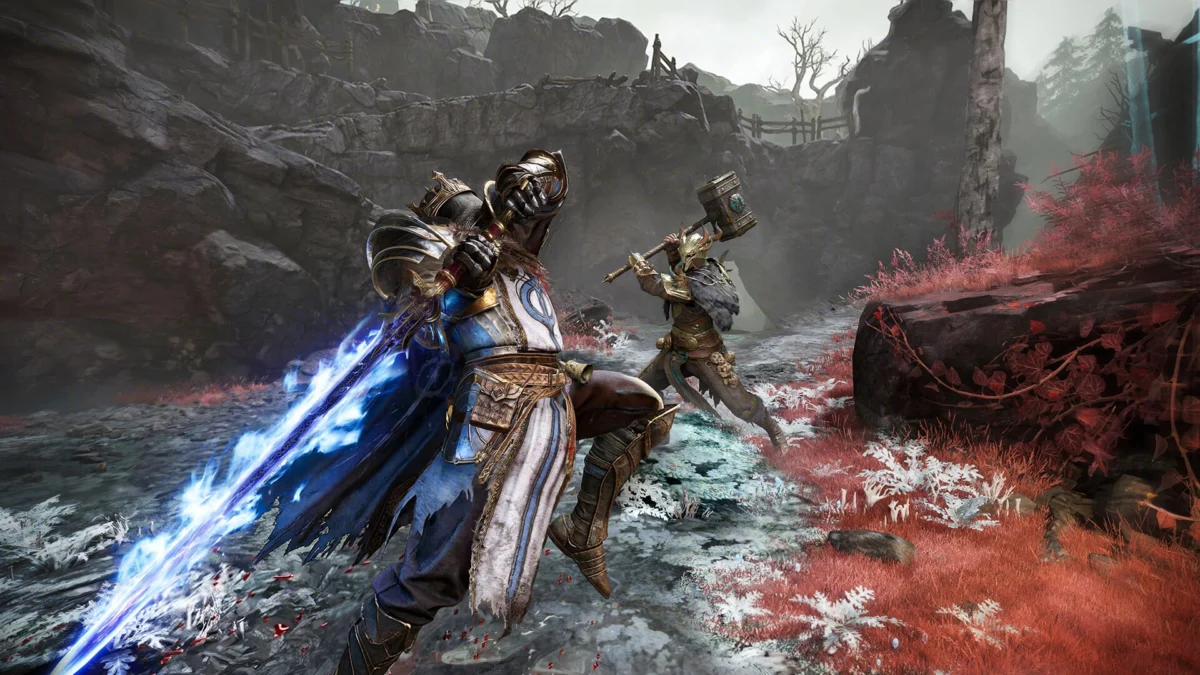
Mistfall Hunter enters a crowded and increasingly volatile market for extraction shooters, attempting to carve out a niche by blending the high-stakes PvPvE (Player versus Player versus Environment) mechanics of the genre with the methodical, high-intensity combat characteristic of dark fantasy action-RPGs. Published by Skystone Games and developed by Bellring Games, the title represents a significant pivot in the genre’s evolution, moving away from the tactical military aesthetics of Escape from Tarkov and the sci-fi settings of Marathon toward a grim, Soulslike atmosphere. This review examines the title’s performance on the PlayStation 5 and Xbox Series X, evaluating its systems, content volume, and its potential to survive in a competitive live-service landscape.
The State of the Extraction Genre in 2026
To understand the positioning of Mistfall Hunter, one must look at the broader industry context of the mid-2020s. By 2026, the "extraction shooter" has become the primary focus for many AAA and AA studios, following the peak of the battle royale era. However, the market has proven notoriously difficult to penetrate. Industry data from 2025 suggests that while interest in the genre remains high, player retention is the primary hurdle. Bungie’s highly anticipated revival of Marathon struggled to maintain a consistent player base shortly after its launch, and ARC Raiders, despite a successful debut in 2025, saw its active user count diminish as players returned to established titles or moved on to newer iterations of the formula.

Against this backdrop, Mistfall Hunter attempts to differentiate itself through "genre-mashing." Rather than relying on firearms and ballistic physics, it leans into the heavy, animation-locked combat popularized by FromSoftware. This strategic shift addresses a specific fatigue within the player base, offering a fantasy alternative to the dozens of "tacticool" shooters currently vying for attention on Steam and consoles.
Core Gameplay Mechanics and the Extraction Loop
The fundamental structure of Mistfall Hunter follows the established extraction blueprint: players enter a map, secure loot, and must reach a designated extraction point to keep their findings. Lobbies consist of up to 15 players, typically organized into teams of three. The world is populated by a variety of AI-driven threats, ranging from standard undead fodder to massive, multi-phase bosses that require coordinated team efforts to defeat.
The environmental design encourages exploration through environmental storytelling and a variety of interactable objects. Players encounter treasure chests, smashable containers, and "rifts" that serve as high-risk, high-reward encounters. The tension of the game is derived from the "human element"—the unpredictable nature of other player teams. In Mistfall Hunter, encounters with other trios often result in emergent gameplay scenarios. Teams may choose to collaborate to take down a world boss, only for one side to initiate a betrayal at the extraction point. This psychological layer remains the genre’s strongest hook, and it is executed here with a dark fantasy flair that feels distinct from its contemporaries.

Combat Systems and Class Diversity
The combat in Mistfall Hunter is best described as a "forgiving Soulslike." While it retains the weight and deliberate pace of titles like Elden Ring, it incorporates larger health pools and wider hitboxes to accommodate the chaos of multiplayer skirmishes. This balance prevents the game from becoming frustratingly punishing for newcomers while still rewarding players who master parry timings and stamina management.
At launch, the game features six distinct classes, each offering a unique tactical contribution to a three-person squad:
- The Mercenary: A frontline melee specialist focused on crowd control and damage mitigation.
- The Blackarrow: A ranged specialist utilizing bows and javelins, essential for picking off enemies from a distance.
- The Sorcerer: A high-damage, low-health class capable of devastating area-of-effect spells.
- The Shadowblade: A stealth-oriented class designed for flanking and high-burst damage.
- The Cleric: A support-focused role providing heals and buffs to the party.
- The Vanguard: A defensive powerhouse capable of locking down corridors and protecting vulnerable teammates.
Character progression is handled through two primary avenues: equipment and a permanent skill tree. The inclusion of a robust character editor allows for significant visual customization, rivaling top-tier RPGs. More importantly, the "power creep" is managed through a "meat" skill tree for each class. As players successfully extract, they earn experience used to unlock passives and new active abilities, transforming the initial "janky" feel of low-level movement into a fluid, empowering combat experience.

Content Volume and Map Design
At the time of its release, Mistfall Hunter features two primary maps, which serves as both a showcase for its art direction and a point of contention regarding its longevity.
- Hallowgrove: The introductory map is a sprawling, nature-based environment. It serves as the primary training ground for new players and is currently the only map accessible to solo players. The layout is a mix of dense forests, ruins, and open clearings, providing varied terrain for both PvE and PvP encounters.
- Brandrgarde: Unlocked at level 5, this map shifts the aesthetic to a medieval urban setting. It is significantly more difficult, featuring tighter corridors, verticality, and higher-tier AI enemies. Brandrgarde is designed as the "endgame" experience, housing the most valuable loot and the most dangerous environmental hazards.
A significant limitation noted during the review period is the restriction on the second map. As of the current build, Brandrgarde is only accessible to teams of two or three. This design choice effectively walls off half of the game’s geographical content for solo players, a decision that has already drawn criticism from the community. While the developers at Bellring Games have indicated that they are receptive to feedback, the current lack of a solo-specific queue for Brandrgarde limits the game’s appeal to a segment of the extraction shooter audience that prefers the "lone wolf" playstyle.
Technical Performance and User Interface
On the PlayStation 5 and Xbox Series X, Mistfall Hunter maintains a stable performance profile, targeting 60 frames per second. The dark fantasy aesthetic is enhanced by high-quality lighting effects and detailed textures that bring the grim world to life.

One of the most notable successes of the title is its User Interface (UI). In a year where Marathon was criticized for a stylized but often illegible UI, Mistfall Hunter provides a masterclass in readability. The menus are intuitive, and the in-game HUD provides essential information without cluttering the screen. This clarity is vital during high-stakes combat where a misread of a stamina bar or a cooldown can result in the loss of hours of progress.
Economic Model and Market Impact
The decision to launch Mistfall Hunter as a "Day One" title on Xbox Game Pass and concurrently on Steam has provided the game with an immediate and healthy player population. For an extraction shooter, the "population health" is a critical metric; without a constant influx of players, matchmaking times increase, and the "meta" becomes stagnant.
Preliminary data suggests that the Game Pass partnership has successfully lowered the barrier to entry, allowing the game to reach a wider audience than a standard premium release might have achieved. However, the long-term sustainability will depend on the developer’s ability to provide a consistent roadmap of new content. The current offering, while polished, is thin in terms of environmental variety.

Broader Implications for the Industry
The success or failure of Mistfall Hunter will likely serve as a bellwether for the "Fantasy Extraction" sub-genre. Following the legal and developmental hurdles faced by Dark and Darker in previous years, there has been a vacuum for a high-production-value fantasy extraction game. Mistfall Hunter fills this void, proving that there is a significant appetite for melee-focused PvPvE experiences.
Furthermore, the game’s "forgiving" approach to Soulslike combat may signal a shift in how developers approach difficulty in multiplayer settings. By softening the edges of the "hardcore" experience, Bellring Games has created a title that is accessible to the "podcast gamer"—someone who wants to engage in satisfying loops while multitasking—while still providing enough depth for competitive teams to thrive.
Conclusion and Future Outlook
Mistfall Hunter is a strong, albeit content-light, entry into the extraction genre. Its core combat mechanics are addictive, and its visual identity is strikingly realized. The primary challenges facing the title are the limited map pool and the current neglect of the solo player experience.

As the game evolves, the addition of more maps, a dedicated solo matchmaking system for all areas, and continued balance patches will be necessary to keep the community engaged. For now, it stands as a refreshing alternative to the military shooters that have dominated the space, offering a "swing, swoosh, and boom" loop that is as satisfying as it is dangerous. Whether it can maintain its momentum in the face of upcoming competitors remains to be seen, but its foundation is undeniably solid.