


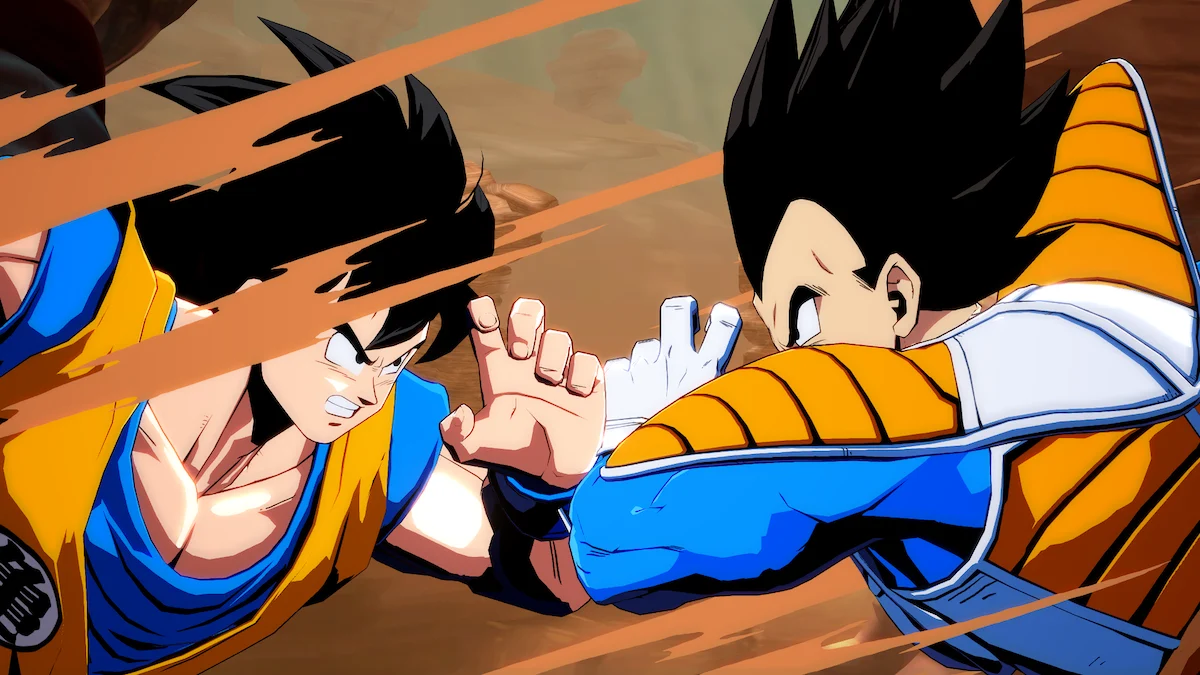
Dragon Ball FighterZ, the visually stunning and mechanically deep fighting game developed by Arc System Works and published by Bandai Namco, has been at the center of a widespread digital acquisition anomaly on the Xbox platform. Recognized globally for its critical acclaim and commercial success, the title has played a significant role in introducing countless new players to the intricate world of fighting games and fostering a vibrant community around the genre. However, a recently discovered, seemingly unintentional loophole has allowed a considerable number of Xbox gamers to acquire permanent ownership of both the Xbox One and Xbox Series X|S versions of the game without charge, leveraging the platform’s "Free Play Days" promotion. This unforeseen digital giveaway has generated considerable buzz within the gaming community, raising questions about digital rights management, platform security, and the potential implications for both players and publishers.
The mechanism behind this digital exploit is remarkably straightforward, requiring only an active Xbox Game Pass subscription, which often includes Xbox Live Gold or Game Pass Ultimate, thereby granting access to "Free Play Days" promotions. The process begins with an eligible player downloading the Xbox One version of Dragon Ball FighterZ during its limited-time "Free Play Days" access period. Upon launching the game application, users are presented with an in-game menu prompt offering the option to upgrade to the enhanced Xbox Series X|S version. Crucially, selecting this upgrade option appears to trigger a licensing mechanism that adds both the Xbox One and Xbox Series X|S versions of Dragon Ball FighterZ to the player’s permanent owned games library, bypassing the typical purchase requirement. This effectively transforms temporary promotional access into indefinite digital ownership, an outcome clearly unintended by the design of either the "Free Play Days" program or the cross-generational upgrade path.
Deconstructing the Exploit: A Technical Overview
The technical underpinnings of this loophole likely reside in how Xbox’s digital storefront and game licensing systems interact, particularly concerning cross-generation upgrades. Typically, when a user purchases a game that offers a free upgrade to a newer console generation (e.g., Xbox One to Xbox Series X|S), the system verifies the original purchase and then grants the license for the upgraded version, often bundling the previous generation’s license for backward compatibility. In this specific scenario, the "Free Play Days" promotion provides a temporary license, allowing full access to the Xbox One version of Dragon Ball FighterZ for a defined period. The exploit suggests that the upgrade verification process within the game’s menu, or the Xbox system’s response to it, may not be robust enough to distinguish between a permanent, paid license and a temporary, promotional one. Instead, it seems to assume that any active access to the Xbox One version is sufficient grounds to process the generational upgrade, thereby inadvertently converting temporary access into permanent ownership of both versions. This oversight highlights a potential vulnerability in the complex web of digital entitlements that modern gaming platforms manage.
The Phenomenon of Dragon Ball FighterZ: A Brief History
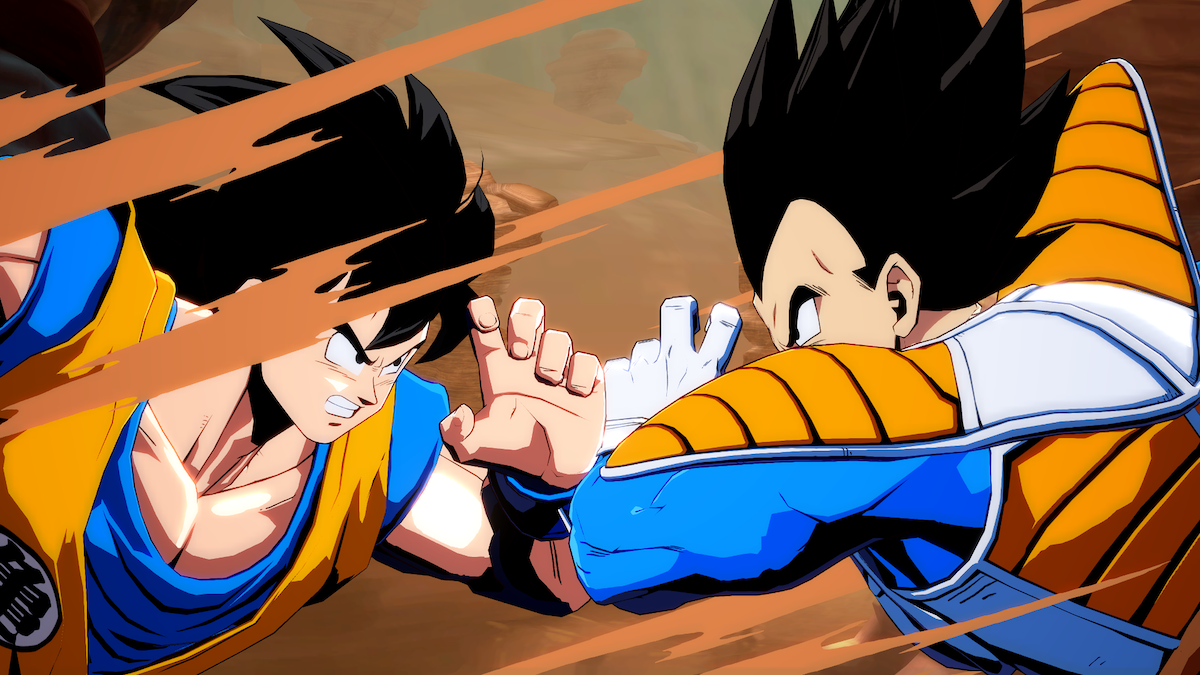
To fully appreciate the significance of this digital acquisition event, it is essential to understand the stature of Dragon Ball FighterZ within the gaming landscape. Released in January 2018, the game quickly garnered widespread critical acclaim, with Metacritic scores consistently in the high 80s and low 90s across various platforms. Reviewers lauded its stunning anime-accurate visuals, fluid animation, accessible yet deep combat mechanics, and faithful recreation of the Dragon Ball universe. Developed by Arc System Works, renowned for their work on intricate fighting games like Guilty Gear and BlazBlue, Dragon Ball FighterZ managed to strike a rare balance between catering to hardcore fighting game enthusiasts and attracting a broader audience, including fans of the Dragon Ball franchise who might not typically engage with the fighting game genre.
Commercially, the game was an immediate success, selling millions of copies worldwide and quickly becoming a staple in esports. Its inclusion in major tournaments like the Evolution Championship Series (EVO) solidified its position as a competitive fighting game titan. The game’s success led to multiple seasons of downloadable content (DLC) characters, expanding its roster and maintaining player engagement for years. The subsequent release of native Xbox Series X|S and PlayStation 5 versions further extended its lifespan, offering enhanced graphics and performance, making the prospect of acquiring this high-quality, often full-priced title for free particularly enticing to gamers.
Xbox Game Pass and Free Play Days: The Ecosystem’s Role
The backdrop to this exploit is Microsoft’s highly successful Xbox Game Pass subscription service, often dubbed "the Netflix of video games." Launched in 2017, Game Pass offers subscribers access to a rotating library of hundreds of games for a monthly fee, including first-party Xbox titles on day one of their release. It has been a cornerstone of Microsoft’s gaming strategy, providing immense value to consumers and significantly influencing player engagement across the Xbox ecosystem.
"Free Play Days," a feature often bundled with Xbox Game Pass Ultimate or Xbox Live Gold subscriptions, is a promotional tool designed to allow subscribers to sample full versions of select games for a limited period, typically a few days. The primary objective of "Free Play Days" is to drive sales; by offering a taste of a game, Microsoft and its publishing partners hope to convert temporary players into permanent owners. In the case of Dragon Ball FighterZ, the "Free Play Days" window was scheduled to conclude on March 2 at 11:59 pm PST, providing a specific timeframe within which the loophole could be exploited. The unintended interaction between the temporary access granted by "Free Play Days" and the game’s generational upgrade prompt created the perfect storm for this digital anomaly.
The Discovery and Community’s Reaction: A Digital Chain Reaction
The existence of this workaround first came to public attention via @Wario64, a highly influential Twitter account known for meticulously tracking and sharing video game deals, discounts, and freebies. With a massive following of gamers keen on maximizing their value, @Wario64’s posts often go viral, instantly disseminating information about lucrative opportunities. Upon sharing the Dragon Ball FighterZ loophole, the initial reaction from the gaming community was a mix of excitement and skepticism. Many users in the comments section expressed disbelief, claiming the method was either too good to be true or that it simply did not work for them. This initial doubt is common with such exploits, as users often assume a catch or that the information is inaccurate.
However, as more and more users successfully followed the instructions and confirmed their permanent acquisition of the game, the skepticism quickly gave way to widespread verification and a surge of players attempting the workaround. Screenshots showing Dragon Ball FighterZ listed as "owned" in their libraries flooded social media, solidifying the exploit’s validity. This rapid community verification transformed the initial report into a verifiable, actionable opportunity, leading to a significant uptake of the "free" game. The swift spread of this information underscored the power of social media in the modern gaming landscape, where news of deals and exploits can travel globally in a matter of minutes. This also sparked minor ethical discussions among some players about whether it was "right" to exploit such a loophole, though the overwhelming sentiment was one of seizing a rare opportunity.
Official Silence: Microsoft and Arc System Works Remain Mute
As of the reporting period, a striking aspect of this entire situation has been the complete lack of official acknowledgment or comment from either Microsoft, the platform holder, or Arc System Works/Bandai Namco, the developer and publisher of Dragon Ball FighterZ. Despite the widespread discussion and clear evidence of the exploit’s functionality, neither entity has issued any statement regarding the loophole, its potential fix, or the fate of the licenses acquired through this method.
This official silence can be interpreted in several ways. One possibility is that both companies are genuinely unaware of the specific technical flaw, which, while plausible for a highly niche bug, seems less likely given the exploit’s high visibility and the sophisticated monitoring systems typically employed by major platform holders and publishers. A more probable scenario is that they are aware but are currently evaluating the situation, weighing the potential costs and benefits of various responses. Addressing the issue prematurely could create a larger public relations challenge than simply allowing it to run its course. They might be assessing the number of players who have utilized the loophole, the revenue impact, and the technical complexity of revoking licenses or patching the system without causing further issues.
Historically, digital storefront errors have been handled inconsistently across the industry. Some companies have honored mistaken free giveaways or pricing errors as a gesture of goodwill, while others have quietly revoked licenses or canceled orders. The lack of an immediate, decisive response from Microsoft or Arc System Works suggests a cautious approach, perhaps due to the delicate balance between maintaining platform integrity, respecting consumer expectations, and managing potential public backlash.
Analyzing the Implications: A Multi-faceted Impact
The Dragon Ball FighterZ loophole carries significant implications for all parties involved: players, the platform holder, and the developer/publisher.
For Players: The immediate benefit is undeniable: permanent access to a high-quality, full-price game for free. For many, this represents a substantial saving, especially if they had been considering purchasing the game or its upgraded version. However, this benefit comes with a cloud of uncertainty. Players who acquired the game via this method are now in a "wait and see" position, unsure whether their licenses will ultimately be revoked. While mass revocation could lead to consumer dissatisfaction, honoring the accidental giveaway could set a precedent for future exploits. The terms of digital game "ownership" often stipulate that licenses can be rescinded under certain conditions, making the long-term status of these acquisitions precarious.
For Microsoft (Xbox): This incident presents a nuanced challenge. On one hand, it exposes a vulnerability in their digital distribution and licensing system, potentially raising questions about the robustness of their platform’s security. Such an oversight, particularly for a high-profile title, could impact developer trust in the platform’s ability to protect their intellectual property and revenue. On the other hand, a quiet resolution or even an implicit honoring of the acquired licenses could be spun as an unexpected act of goodwill, potentially boosting Game Pass subscriptions (as it required an active subscription) and player engagement. However, the direct revenue loss from potential Dragon Ball FighterZ sales is a tangible negative. Microsoft will need to carefully consider the balance between system integrity, developer relations, and consumer sentiment.
For Arc System Works and Bandai Namco (Developer/Publisher): The primary impact here is a direct, albeit unquantified, loss of potential revenue from base game sales. While increased player numbers might seem beneficial, especially for a multiplayer-focused game, these players did not contribute to the initial purchase price. This could also indirectly affect future DLC sales if a significant portion of the player base acquired the base game for free. Furthermore, the incident highlights a potential friction point in the relationship between a publisher and a platform holder, as the vulnerability resides within the platform’s ecosystem. Discussions regarding who bears the ultimate responsibility for such errors and any associated revenue losses are often complex and occur behind closed doors.
The Looming Deadline: March 2, 11:59 PM PST
The critical deadline in this unfolding digital saga is March 2 at 11:59 pm PST, which marks the scheduled end of the Dragon Ball FighterZ "Free Play Days" promotion. After this point, players without a permanent license will no longer be able to download or launch the game, effectively closing the window for exploiting the loophole.
This deadline is significant not only because it caps the period of the exploit but also because it is the most likely moment for Microsoft or Arc System Works to take definitive action. Post-deadline, several scenarios could unfold:
- Revocation of Licenses: Microsoft could identify all accounts that acquired the game through the loophole and revoke their licenses. This would be a clear message that such exploits are not tolerated, but it risks alienating a segment of the player base and could lead to negative PR.
- Honoring the Acquisition: The companies might choose to implicitly honor the acquisitions, perhaps reasoning that the PR cost of revocation outweighs the revenue loss, or that the increased player count provides some indirect benefit. This would set a precedent but could be seen as a generous, albeit accidental, gesture.
- Patching and Ignoring: They could patch the underlying loophole to prevent future occurrences during "Free Play Days" but leave existing acquisitions untouched. This would be a middle-ground approach, preventing further unauthorized acquisitions while avoiding mass revocations.
- No Action: The issue might simply be ignored, with no public statement or technical intervention, leaving players who missed the window out of luck and those who acquired it in a state of perpetual uncertainty.
The resolution, whatever form it takes, will provide valuable insight into how major gaming corporations handle unforeseen digital distribution errors in an increasingly complex ecosystem of subscriptions, cross-generational upgrades, and temporary access models.
Broader Context: Digital Rights and Consumer Expectations
This Dragon Ball FighterZ incident serves as a compelling case study in the evolving landscape of digital rights and consumer expectations within the gaming industry. Unlike physical media, where ownership is typically clear, digital games are often licensed rather than truly "owned," meaning access can be revoked under certain terms. When a game is acquired for free, even inadvertently, it complicates this dynamic. Consumers, having successfully added the game to their permanent library, will naturally feel a sense of entitlement to their acquisition, regardless of the method.
The complexity of modern gaming platforms, with their layers of subscriptions, generational upgrades, and promotional events, creates numerous potential points of failure. Ensuring seamless and secure digital distribution requires robust systems that can account for every possible interaction. This incident underscores the delicate balance developers and platform holders must strike between offering flexible, user-friendly features (like free upgrades and promotional play) and maintaining stringent controls over licensing and revenue protection. As the industry continues its shift towards digital-first models, such exploits, and their subsequent handling, will undoubtedly shape future policies, system designs, and consumer trust.
Conclusion: An Unfolding Digital Saga
The accidental permanent acquisition of Dragon Ball FighterZ via an Xbox Game Pass loophole represents a fascinating intersection of digital rights, platform mechanics, and community dynamics. As the clock ticks towards the March 2 deadline, the gaming world watches to see how Microsoft and Arc System Works will address this unforeseen digital giveaway. Will they revoke the licenses, silently honor the acquisitions, or implement a partial solution? The outcome will not only determine the fate of thousands of free copies of a critically acclaimed fighting game but will also offer a valuable glimpse into the ongoing challenges of managing vast digital ecosystems in the era of subscription services and cross-generational gaming. For now, the exploit remains a testament to the intricate and sometimes unpredictable nature of modern digital distribution, leaving a significant portion of the Xbox gaming community in eager anticipation of the final act in this unfolding digital saga.