


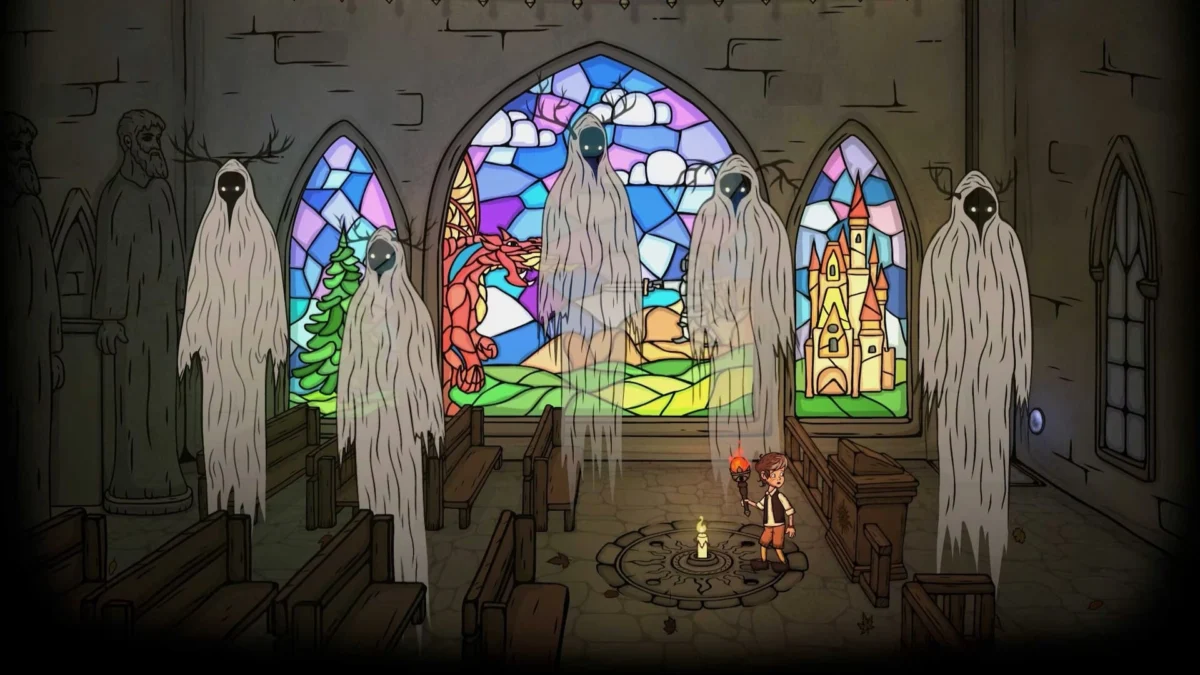
The digital landscape of modern gaming has long operated under a social contract that balances convenience with the precarious nature of licensing. For the vast majority of digital purchases on the Xbox Store, a "delisting"—the removal of a game from sale—is a managed transition where new customers can no longer purchase the title, but existing owners retain the right to download and play their software. However, a rare and more disruptive phenomenon known as a "hard delisting" has recently impacted three specific titles on the Xbox platform, effectively severing the connection between consumers and their purchased content. The games in question—Creepy Tale, Creepy Tale 2, and Strike Force Kitty—have been removed from the Xbox ecosystem in a manner that prevents even previous purchasers from re-accessing their digital copies, a move that has sparked significant concern regarding digital ownership and the stability of developer-publisher relationships.
This specific wave of removals stems from an escalating legal and financial dispute between the games’ developer, Deqaf Studio, and their publisher, No Gravity Games. According to statements attributed to the developers, the relationship has collapsed following allegations of contractual violations and a prolonged failure to distribute royalty payments. While standard delistings are common due to expired music licenses or the expiration of intellectual property rights, a hard delisting is typically the result of a fundamental legal challenge to the publisher’s right to distribute or even host the software on a platform’s servers.
Understanding the Mechanics of the Hard Delisting
To appreciate the gravity of the current situation, one must distinguish between the two primary forms of digital removal. A "soft delisting" is the industry standard; when a game like Forza Horizon reaches its end-of-life status due to car or music licensing expirations, Microsoft removes the "Buy" button from the store. However, the game remains in the "Ready to Install" library of anyone who bought it. The license remains valid at the user level, and the files remain hosted on Xbox’s Content Delivery Networks (CDNs).
A "hard delisting," by contrast, is a scorched-earth approach to digital removal. In these instances, the game is not just hidden from the storefront but is often scrubbed from the platform’s database in a way that prevents the "Install" command from executing. This level of removal is exceptionally rare on Xbox, a platform that has historically prided itself on backward compatibility and the preservation of digital libraries. When a hard delisting occurs, it usually signals that the platform holder has received a legal directive—such as a DMCA takedown or a court-ordered injunction—that makes the continued hosting of the files a liability for the platform itself.
In the case of Creepy Tale, Creepy Tale 2, and Strike Force Kitty, the developer has indicated that the publisher, No Gravity Games, allegedly breached their publishing agreement by withholding royalties for several years. When such a breach occurs, the developer may revoke the publisher’s license to the IP. If the publisher does not voluntarily remove the content, the developer can escalate the matter to the platform holders (Microsoft, Sony, and Nintendo), asserting that the publisher no longer has the legal right to profit from or distribute the work.
The Developer-Publisher Conflict: A Chronology of Decline
The friction between Deqaf Studio and No Gravity Games did not emerge overnight. Based on reports from industry trackers and developer communications, the issues regarding royalty payments date back a significant period. The developer’s decision to pursue a full removal of the games across all platforms indicates a breakdown in mediation.
The timeline of the delistings shows a coordinated, albeit staggered, removal across the major consoles:
- Early Week: Creepy Tale, Creepy Tale 2, and Strike Force Kitty vanished from the Nintendo eShop. Reports from Switch users suggest a similar pattern of restricted access, though Nintendo’s ecosystem occasionally handles delistings differently depending on regional storefront settings.
- Mid-Week: The games were officially hard-delisted from the Xbox Store. Users who attempted to redownload the titles found that the licenses were effectively "voided" in the storefront interface.
- Imminent Action: PlayStation Store removals are expected to follow shortly, as the developer has signaled that the dispute extends to all platforms where No Gravity Games acted as the primary publishing entity.
Adding to the complexity is the mention of Bullets & Brains, another title published by No Gravity Games, which has also reportedly faced delisting. This suggests a broader systemic issue within the publisher’s portfolio rather than an isolated incident with a single developer.
Profiles of the Impacted Titles
The games caught in this crossfire are well-regarded indie titles that had found a dedicated niche on consoles.
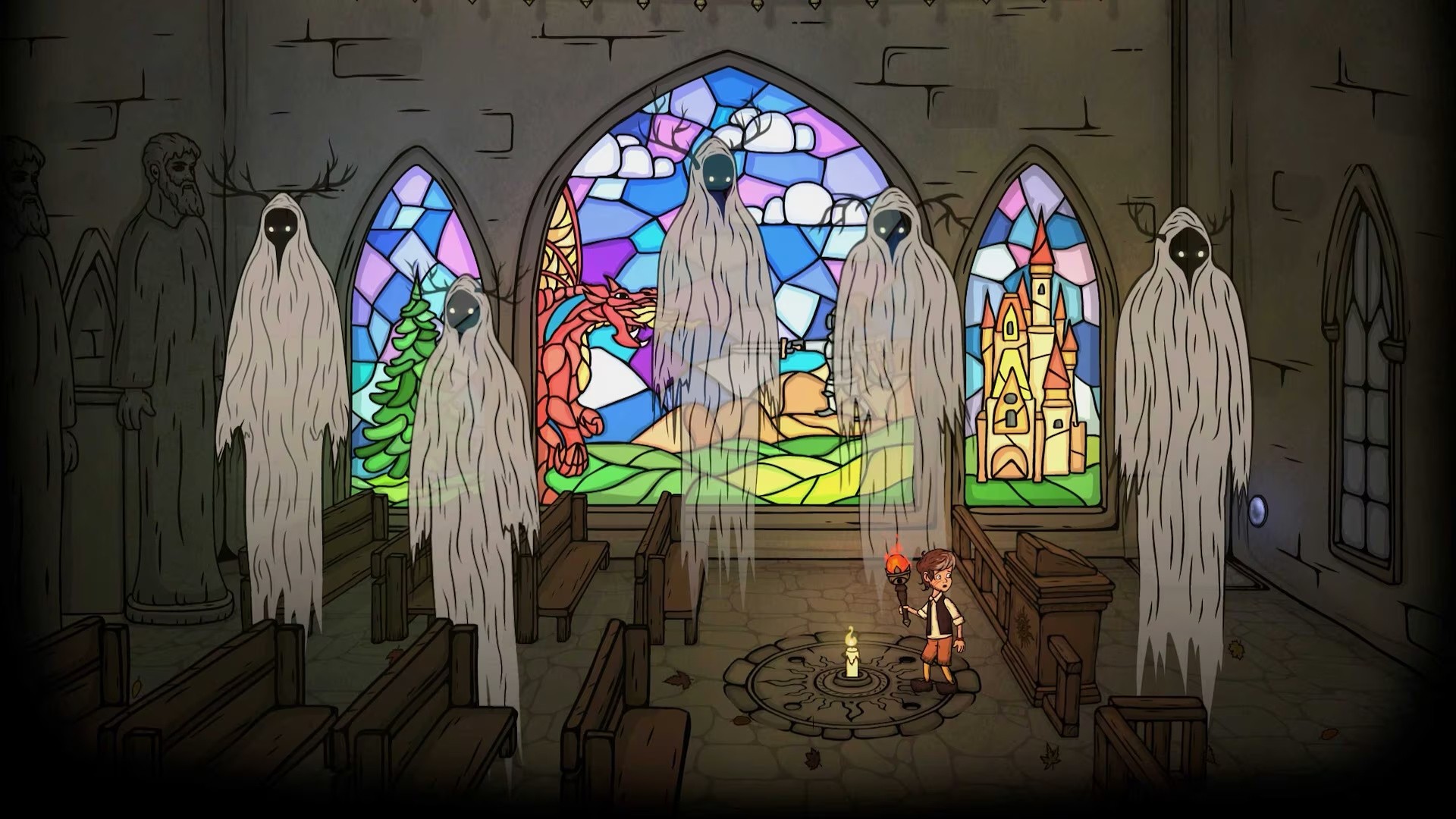
- Creepy Tale and Creepy Tale 2: These are point-and-click adventure games heavily inspired by dark European folklore and the eerie aesthetics of the Brothers Grimm. The games were praised for their atmosphere and challenging puzzles. Their removal is particularly felt by the achievement-hunting community, as the titles offered unique, atmospheric experiences that were staple recommendations in the indie horror genre.
- Strike Force Kitty: A lighter, more humorous title, this game combined platforming with RPG elements, featuring cats in various costumes based on popular culture icons. It represented a different facet of the developer’s range and was a popular "pick-up-and-play" title for younger audiences.
The loss of these games is not just a blow to the developers’ revenue streams but also to the cultural preservation of indie gaming on consoles. When games are hard-delisted, they often become "lost media" on those specific platforms unless a physical version exists—which, for these three titles, is not the case for the Xbox versions.
The Role of the Platform Holder
Microsoft’s role in this dispute is largely reactive. As a platform provider, Xbox provides the infrastructure for publishers to sell their wares. When a developer provides evidence that a publisher is illegally hosting their intellectual property—whether through a breach of contract that terminates the license or other legal means—Microsoft must comply with the request to remove the content to avoid being party to the infringement.
The reason these games were hard-delisted specifically on Xbox, while some other platforms occasionally allow "soft" removals during disputes, remains a point of technical speculation. Some analysts suggest that the specific nature of the developer’s legal request may have necessitated a total purge of the product IDs (PIDs) from the active database. If the developer’s claim is that the publisher has zero rights to the content, Microsoft may be legally unable to even host the files for existing owners, as that would still constitute a form of distribution under certain legal interpretations.
The Broader Implications for Digital Ownership
The "hard delisting" of these three games reignites the long-standing debate over the reality of digital ownership. For years, consumer advocacy groups have warned that digital purchases are, in legal terms, merely "revocable licenses" rather than permanent acquisitions. Most End User License Agreements (EULAs) state that the consumer is paying for access to the content, which can be terminated under specific circumstances.

While Microsoft has generally been a leader in ensuring that "buy once, play anywhere" remains a core tenet of their brand, this incident proves that there are limits to that protection. When a legal dispute between a creator and a middleman (the publisher) reaches a breaking point, it is the consumer who often suffers the collateral damage.
Key Data Points on Delistings:
- Frequency: Soft delistings occur monthly on Xbox, usually affecting 2–5 titles.
- Hard Delisting Rarity: Hard delistings occur in less than 0.1% of all removal cases.
- Recovery Rate: Approximately 30% of games delisted due to publisher disputes eventually return under a new publishing label, though this process can take 12 to 24 months.
Technical Workarounds and Their Limitations
In previous instances of hard delistings, savvy Xbox users found loopholes to reclaim their content. One common method involves navigating to the "Achievements" list on the Xbox dashboard. From there, a user can select the game and navigate to its "Game Hub." In some cases, the Game Hub retains a "ghost" of the install button that bypasses the main storefront’s delisting.
However, reports from the Xbox community indicate that this workaround is currently non-functional for Creepy Tale and Strike Force Kitty. This suggests that the removal was executed at a deeper directory level, possibly at the request of the developer to ensure no further interactions with the publisher-linked files could occur. For now, users who have the games installed on their hard drives are advised not to delete them, as there is currently no guaranteed way to trigger a re-acquisition of the data.
The Path Forward: Can the Games Return?
The developer, Deqaf Studio, has expressed a desire to see the games return to the Xbox Store under a new publisher. This is the most likely path toward a resolution, but it is a path fraught with administrative hurdles. To re-list a game, a new publisher must often create a new product entry, which can sometimes result in a separate achievement list and the loss of save-data compatibility with the previous version. Furthermore, the legal "divorce" from No Gravity Games must be finalized to ensure that the new publisher has a clean title to the distribution rights.
"It’s a very slow and complicated process," the developer noted in a public communication. "I hope the games will return to stores with a new publisher."
For the gaming industry at large, this event serves as a cautionary tale for indie developers regarding the importance of robust publishing contracts and the potential risks of third-party distribution. For Xbox players, it is a sobering reminder that even in an era of cloud saves and digital libraries, the "delete" button is sometimes held by hands far removed from the player’s controller. As Microsoft has yet to issue an official statement on the specific technical necessity of the "hard" removal, the community remains watchful for any precedent this may set for future digital disputes.