


The pursuit of formidable challenges within video games has long been a driving force for a dedicated segment of the gaming community. This hunger for overcoming arduous obstacles, a journey that often begins with childhood memories of iconic, punishing titles, continues to shape modern gaming experiences. From the early days of mastering the intricate levels of Crash Bandicoot‘s "Cold Hard Crash" and navigating the aerial mazes of Spyro the Dragon‘s "Tree Tops," to the brutal lessons of permadeath in The Lost World: Jurassic Park and the ultimate mastery required for TimeSplitters‘ Platinum challenges, these formative experiences forge a particular kind of gamer. This drive is not merely a relic of nostalgia; it is fueled by a potent mix of pride, ego, and the intrinsic reward of achievement, often colloquially referred to as "aura-farming" or the satisfaction derived from conquering significant in-game feats. The digital echo of "PREY SLAUGHTERED" or similar declarations of victory against formidable foes serves as a powerful motivator, constantly pushing players to seek out new, more demanding trials.
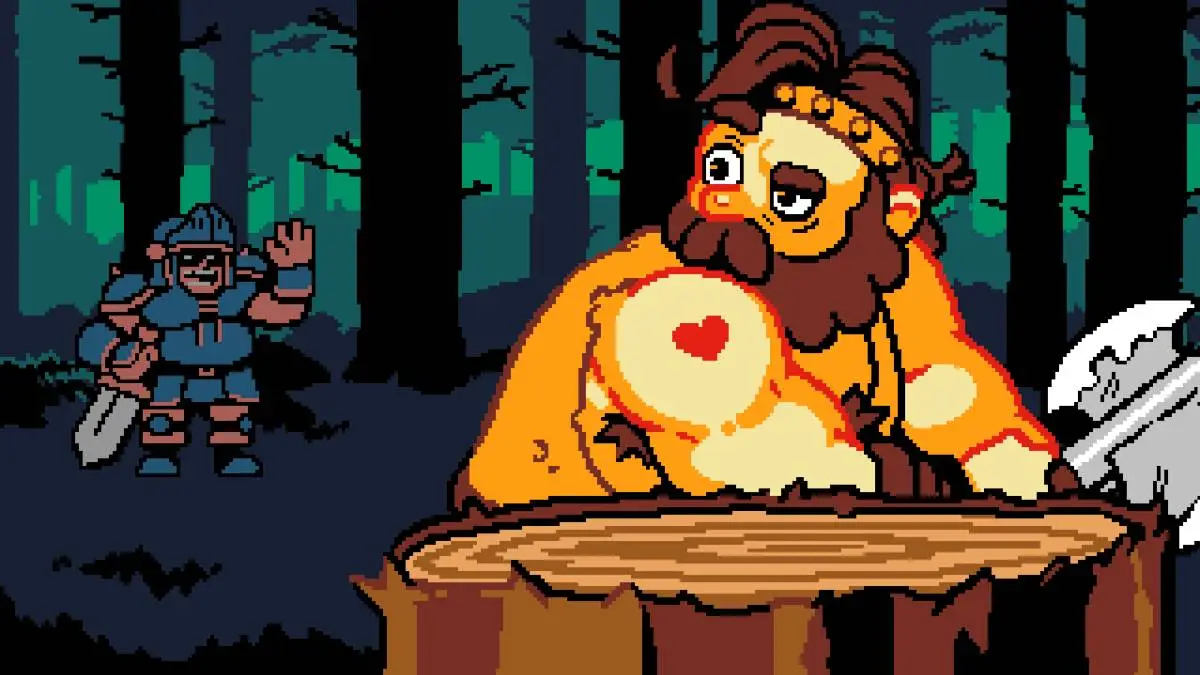
In recent years, this quest for extreme difficulty has found new champions in titles like Elden Ring, Nine Sols, and Fear & Hunger. These games represent the modern evolution of demanding gameplay, requiring immense dedication, strategic thinking, and often, a high tolerance for failure. It was within this landscape of evolving challenges that developer doinksoft’s latest offering, Dark Scrolls, emerged, promising a retro-inspired 2D adventure with a unique aesthetic and a core gameplay loop designed to test players. However, while Dark Scrolls undeniably captures a certain charm and visual appeal, its execution of difficulty has left many seasoned players seeking a more profound and enduring challenge.
doinksoft’s Retro Revival: Aesthetics and Early Impressions
doinksoft, a studio recognized for its work on titles such as Gato Roboto, Demon Throttle, and the critically acclaimed Gunbrella, has a proven track record of delivering engaging and aesthetically distinctive retro-inspired games. Dark Scrolls continues this tradition with its vibrant 2D animation and a seemingly simple control scheme, utilizing only three buttons. The game’s initial presentation is striking: colorful sprites, fluid animations, and a world brimming with discoverable secrets. The developers have also incorporated a "gimmick" designed to encourage player persistence, a common element in arcade-style games aimed at fostering long-term engagement.
Aesthetically, Dark Scrolls is a triumph. Its art style is reminiscent of classic platformers, evoking a sense of nostalgia while presenting a fresh visual identity. The promise of secrets and hidden pathways further enhances the allure for players who enjoy deep exploration and rewarding discovery. The minimalist three-button control scheme, coupled with an auto-scrolling mechanic, sets a unique rhythm for the game. This approach, while potentially repetitive at its core, is framed by the developers as a deliberate design choice, echoing the learning curves of classic 2D platformers from the PlayStation 1 era.
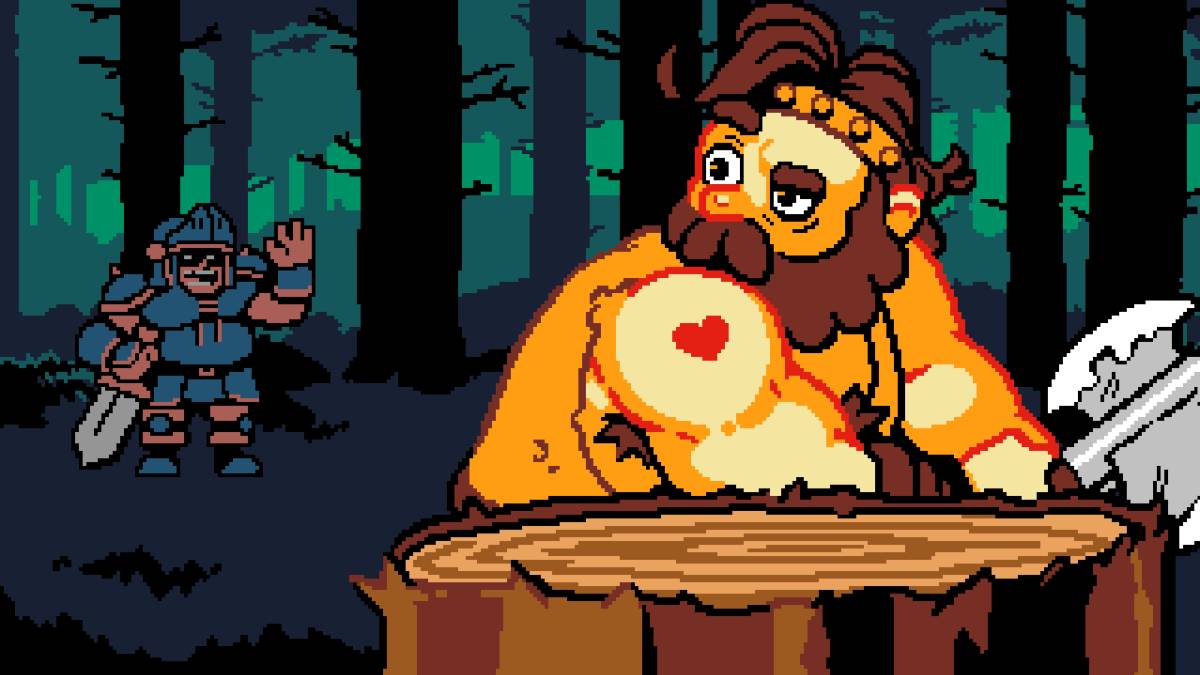
A key aspect of Dark Scrolls‘s initial appeal is its deliberate lack of hand-holding. In an era where many games offer extensive tutorials and constant guidance, Dark Scrolls throws players into the fray with minimal explanation. This approach, while potentially frustrating for newcomers, is a welcome departure for those who relish the process of learning and experimentation. The game introduces three distinct starting characters, each possessing a unique ultimate ability and a matching perk system. Unraveling the synergies between these characters and their abilities forms a significant part of the early gameplay, contributing to the initial perception of a challenging experience. The complexity of these systems, combined with the absence of explicit guidance, can lead to a steep learning curve, making the game appear deceptively difficult at first glance.
The Illusion of Challenge: From Intricacy to Inevitability
The core gameplay loop of Dark Scrolls centers on auto-scrolling levels filled with enemies and environmental hazards. Players must utilize their character’s basic attacks and special abilities to progress, discover secrets, and engage in boss battles. The emphasis on secrets and hidden areas is a significant draw, encouraging repeated playthroughs and experimentation with different character combinations and strategies. The allure of uncovering new areas, facing unique bosses, and finding mysterious items with unknown purposes provides a compelling incentive to keep playing, run after run.
However, despite these promising elements, a significant flaw emerges as players become more familiar with the game’s mechanics: Dark Scrolls rapidly loses its challenge. What initially appears to be a demanding experience quickly devolves into a predictable and easily exploitable gameplay loop. The core issue lies in the game’s fundamental balance, or rather, its lack thereof. Once the basic mechanics are understood, and particularly once certain exploits or "cheese" strategies are discovered, the game’s difficulty plummets to an almost trivial level.
This rapid decline in challenge is particularly stark when contrasted with the expectations set by the game’s initial presentation and the developer’s pedigree. While the game employs some intentionally quirky design choices, such as replacing dialogue with universally jarring honking sounds, these eccentricities do not compensate for the underlying balance issues. The most significant fault of Dark Scrolls, as identified by players and critics alike, is its susceptibility to being "cheesed." This refers to finding unintended or overly simple methods to overcome challenges, rendering the intended gameplay experience moot.
The game’s developer, doinksoft, has historically demonstrated a keen understanding of gameplay mechanics and player engagement. Titles like Gunbrella are celebrated for their tight controls and well-tuned difficulty curves. The apparent misstep in Dark Scrolls‘s difficulty scaling is therefore surprising, especially given the game’s retro inspirations, which often emphasized unforgiving but fair challenges.
The Benchmark of True Difficulty: A Comparative Analysis
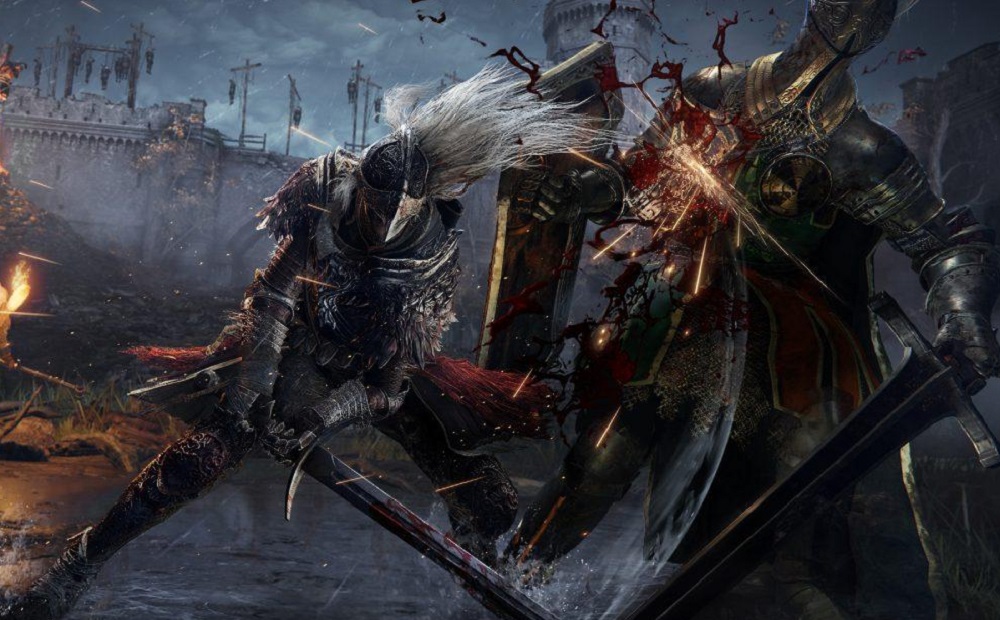
The pursuit of genuinely difficult games often leads players to seek experiences that evoke a profound sense of accomplishment. Titles like Sekiro: Shadows Die Twice and Elden Ring from FromSoftware are prime examples, renowned for their ability to induce an "existential crisis" in players. This is not hyperbole; these games push players to their absolute limits, forcing them to question their skills, their strategies, and sometimes, their very sanity. The experience of overcoming a seemingly insurmountable boss in these titles is often described as akin to achieving an Olympic feat or reaching a personal summit. It is a transformative process that solidifies the player’s bond with the game and fosters a deep sense of pride.
Dark Scrolls, unfortunately, falls short of this benchmark. While it attempts to present a challenging facade, the underlying mechanics do not support sustained difficulty. The ease with which the game can be exploited, leading to near-invincibility, negates the possibility of the profound struggle that defines truly memorable difficult games. The discovery of such exploits, while perhaps a testament to player ingenuity, ultimately undermines the intended experience.
This deficiency is further highlighted when comparing Dark Scrolls to other indie titles that have successfully captured the essence of challenging retro-inspired gameplay. Cuphead, developed by Studio MDHR, stands as a paragon in this regard. Cuphead is renowned for its relentless, frame-by-frame demand for perfection. Its gameplay requires absolute focus, precise timing, and an unwavering commitment to learning enemy patterns. The game’s stunning, hand-drawn animation, while a visual masterpiece, serves as a constant distraction that players must overcome to succeed. The learning curve in Cuphead is steep, but it is also fair. Every death is a lesson, and every victory is a hard-earned testament to the player’s dedication and skill.
The contrast between Cuphead‘s demanding yet fair gameplay and Dark Scrolls‘s easily exploitable mechanics is significant. In Cuphead, players are constantly on the edge of their seat, their minds fully immersed in the immediate challenge. There is little room for mind-wandering, as failure is swift and unforgiving. Conversely, in Dark Scrolls, players can afford to let their minds drift, knowing that a simple, repetitive strategy can often carry them through. The discovery of "cheesing" the entire game within a mere two hours of gameplay, as one player reported, is a stark indicator of this imbalance.
The Evolving Landscape of Challenge and Player Expectations
The search for a truly challenging gaming experience has, in recent years, largely gravitated towards genres like Metroidvanias and Soulslikes, where difficulty is often a core design pillar. Titles like Hollow Knight and the aforementioned Elden Ring have set a high bar for what players expect from a demanding game. These games offer intricate worlds, complex combat systems, and bosses that require meticulous study and execution.
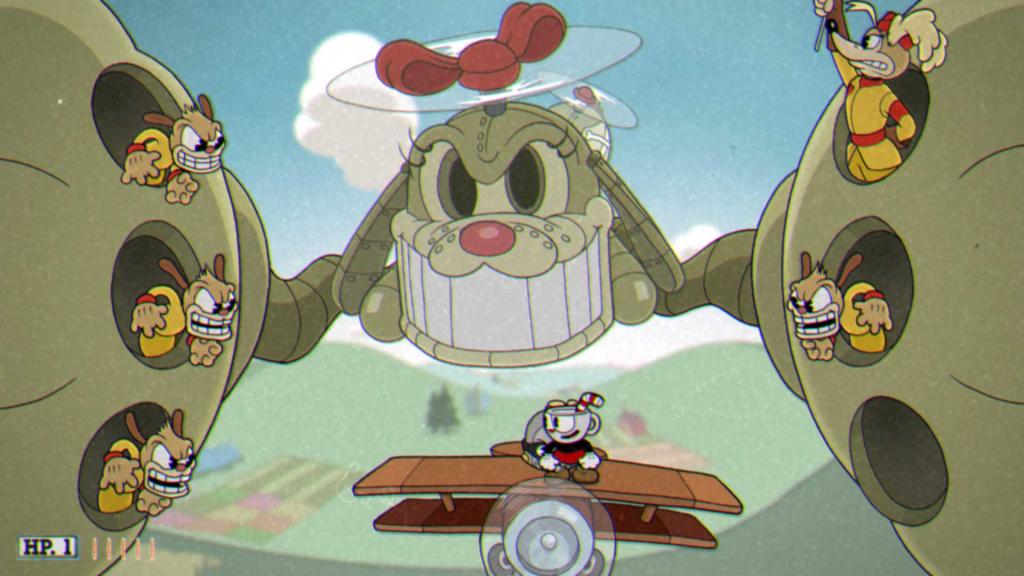
However, there remains a palpable desire for challenging experiences within the 2D platformer and run-and-gun genres, a space that Cuphead has masterfully occupied. The appeal of these genres lies in their accessibility in terms of controls, but their depth in terms of challenge. For players like the author, who grew up with titles that demanded precision and perseverance, the absence of such experiences in newer releases can be disheartening. The statement, "I need another Cuphead to satisfy my needs and truly test me, otherwise I’m plugging my PlayStation 1 back in," reflects a sentiment shared by many who crave that pure, unadulterated test of skill.
The implications of Dark Scrolls‘s difficulty shortcomings are multifaceted. For doinksoft, it represents a missed opportunity to solidify their reputation for delivering challenging, engaging experiences. While the game’s aesthetic appeal and charming retro vibe are undeniable, the fundamental lack of sustained difficulty may alienate a significant portion of their target audience – those actively seeking a rigorous test of their gaming prowess.
For the broader gaming community, the discourse surrounding Dark Scrolls highlights a continuing demand for games that respect player intelligence and reward dedication. It underscores the importance of balanced difficulty design, where challenges are demanding but fair, and where exploits do not trivialize the core gameplay. As developers continue to explore retro-inspired aesthetics and mechanics, the lesson from Dark Scrolls and the enduring success of titles like Cuphead is clear: players seeking a true challenge are not looking for superficial difficulty, but for meticulously crafted obstacles that push them to their limits and, in doing so, foster a profound sense of accomplishment. The quest for that perfect blend of challenge and reward continues, and the gaming landscape eagerly awaits the next title that can truly satisfy this persistent, and deeply rewarding, player hunger.