


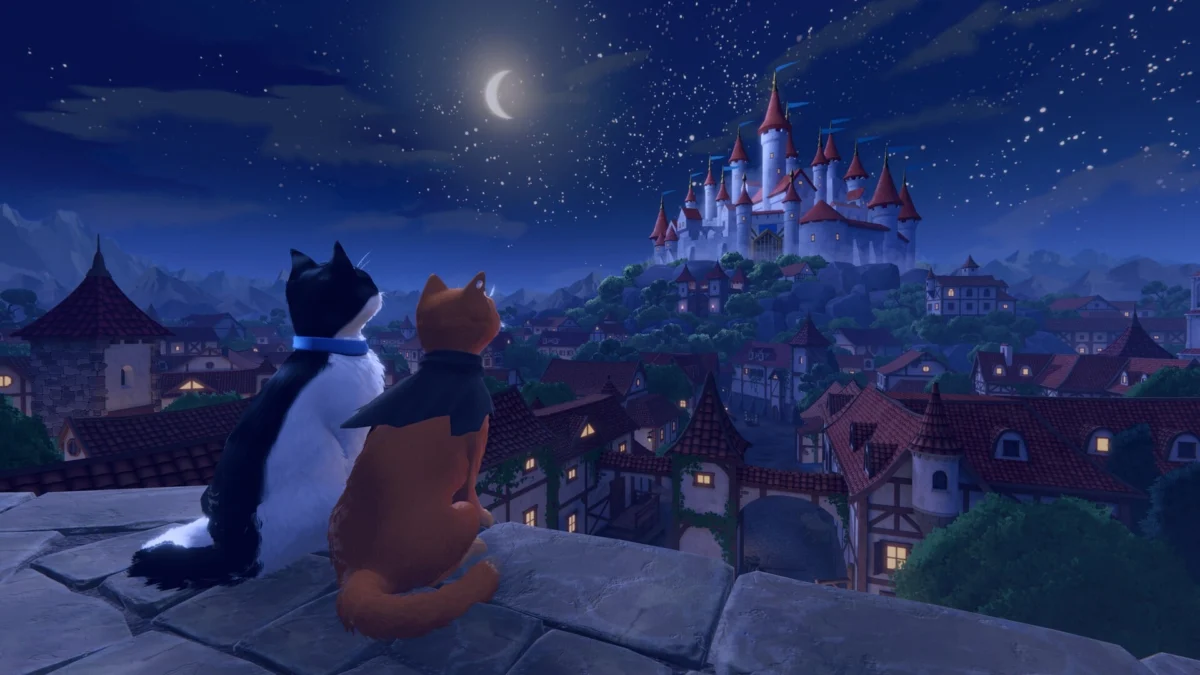
The independent gaming landscape is currently witnessing a significant surge in interest surrounding The Missing Tail, a newly announced cooperative adventure title that has achieved viral status across multiple social media platforms. Developed by Estoty, the game centers on a "cozy" aesthetic, a genre that has seen exponential growth in the last five years, and leverages a unique dynamic camera system to facilitate local multiplayer gameplay. Following its initial reveal, the title has amassed millions of impressions, signaling a robust market appetite for non-violent, collaborative experiences featuring feline protagonists.
The Missing Tail positions players in the roles of two distinct cats—one a refined member of a royal palace and the other a resourceful stray—tasked with navigating a detailed medieval environment. The gameplay loop focuses on exploration, environmental puzzle-solving, and interaction with a cast of non-player characters (NPCs) within a bustling courtyard and castle setting. This premise has resonated deeply with the "wholesome gaming" community, a demographic that prioritizes relaxation and narrative charm over high-intensity combat or competitive mechanics.
Technical Innovation in Cooperative Gameplay
One of the primary drivers of the game’s recent online traction is its implementation of a seamless camera system often referred to as the Split Fiction formula. This mechanic addresses a long-standing logistical challenge in local co-op gaming: the transition between shared-screen and split-screen views. In traditional cooperative titles, players are often tethered to one another on a single screen, which limits individual exploration, or they are permanently confined to a divided screen, which reduces the visual real estate and immersion.
The Missing Tail utilizes a dynamic system where the screen automatically splits when characters move apart and merges into a single, unified view when they congregate. This allows one player to investigate a specific corner of the medieval castle while the other interacts with a townsperson in the courtyard, without disrupting the flow of gameplay. This technical approach was popularized by titles like It Takes Two, which won Game of the Year in 2021, proving that sophisticated local multiplayer mechanics remain a high priority for modern audiences. By adopting this formula, Estoty is positioning The Missing Tail as a technically modern entry in the indie co-op space.
Analyzing the Viral Reception and Social Media Metrics
The velocity of the game’s rise to prominence can be traced through specific digital touchpoints. While the official trailer has garnered over 200,000 views on YouTube—a respectable figure for an indie debut—the true catalyst for its viral status has been TikTok. The channel SharedXP, which specializes in highlighting cooperative gaming experiences, published a feature on The Missing Tail that has accumulated 2.7 million views and over 310,000 likes at the time of reporting.
These metrics are indicative of a broader trend where short-form video content dictates the visibility of independent titles. For a studio of Estoty’s size, such organic reach provides a level of marketing exposure that would typically require a multi-million-dollar advertising budget. The engagement data suggests that the "cat-centric" theme, combined with the medieval setting, has a high conversion rate for social media users, many of whom have expressed a desire for more "low-stress" gaming options on major consoles.
Background on Estoty and the Transition from Mobile to Console
To understand the development of The Missing Tail, it is necessary to examine the history of its developer, Estoty. Headquartered in Latvia, Estoty has established a formidable presence in the mobile gaming sector. The studio is responsible for high-volume hits such as Johnny Trigger and My Little Universe, which have collectively garnered hundreds of millions of downloads on iOS and Android platforms.
However, the transition from mobile-first development to dedicated console and PC projects represents a strategic pivot for the company. While their previous Xbox and PlayStation releases have been smaller-scale indie ports, The Missing Tail appears to be a more ambitious endeavor in terms of scope, narrative depth, and graphical fidelity.
Industry analysts note that mobile developers moving into the console space often face challenges regarding hardware optimization and the expectations of a more critical "core" gaming audience. However, the use of established engines like Unity or Unreal Engine has lowered the barrier to entry, allowing studios to translate their mobile success into more complex, controller-based experiences. The Missing Tail serves as a bellwether for Estoty’s ability to compete in the increasingly crowded "cozy" market on high-end hardware.
The Evolution of the Cozy Cat Genre
The Missing Tail enters a market that has been primed by several high-profile successes involving feline characters. The most notable comparison is Stray, developed by BlueTwelve Studio and published by Annapurna Interactive in 2022. Stray demonstrated that a game centered on the perspective of a cat could achieve both critical acclaim and commercial success, eventually receiving a nomination for Game of the Year at The Game Awards.
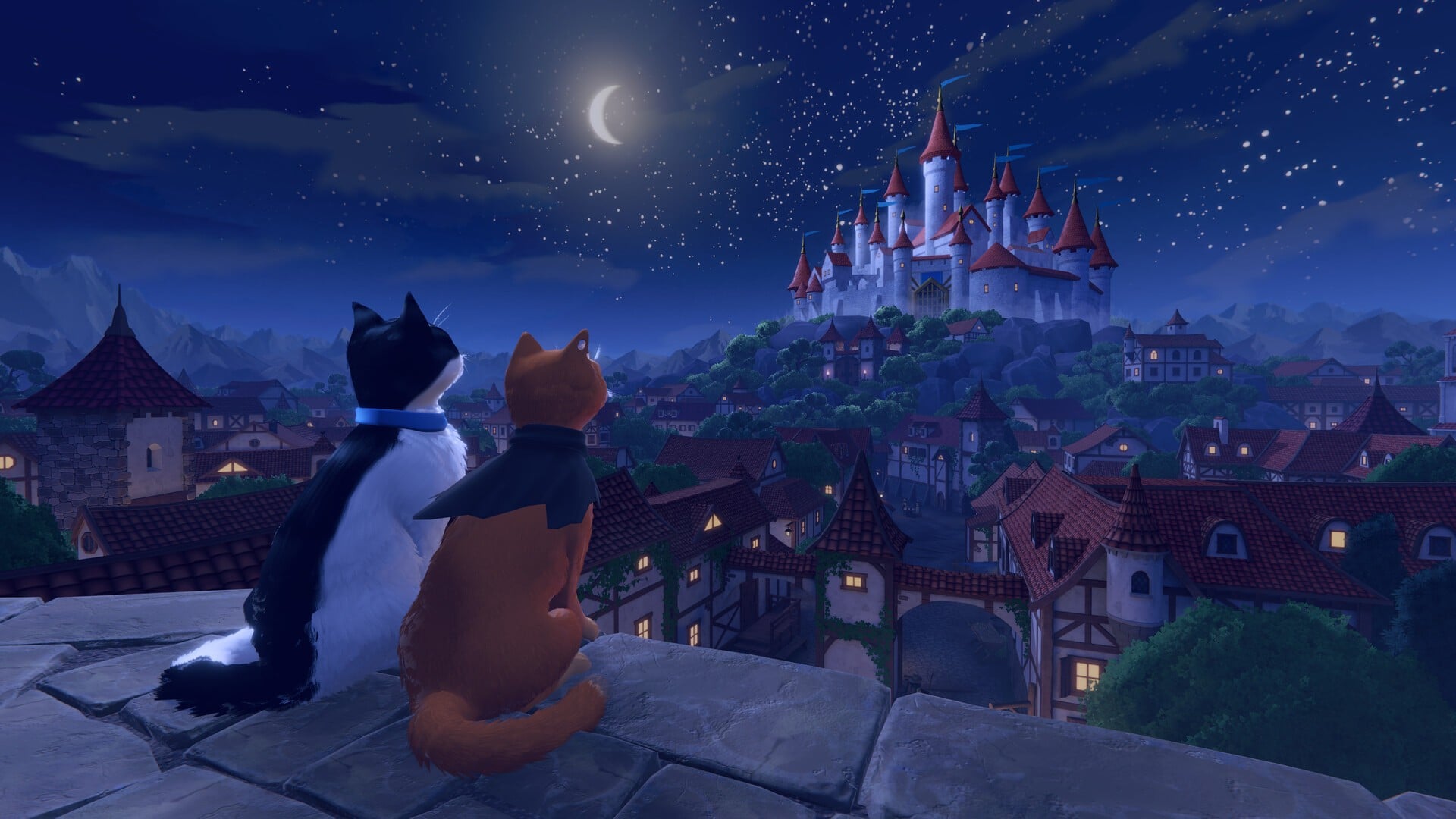
Unlike Stray, which focused on a solitary, cyberpunk atmosphere with light stealth elements, The Missing Tail emphasizes the "cozy" and collaborative aspects of the feline experience. This aligns with the "Wholesome Games" movement, which gained momentum during the COVID-19 pandemic as players sought digital spaces for comfort and social connection. Other titles in this lineage include Cat Quest, a more action-oriented RPG series, and Little Kitty, Big City, which focused on urban sandbox exploration. By setting the game in a medieval castle and focusing on a royal-versus-stray dynamic, Estoty is attempting to carve out a unique thematic niche within this established sub-genre.
Chronology of Development and Public Engagement
The timeline of The Missing Tail’s public lifecycle is relatively brief but high-impact:
- Initial Announcement: The game was revealed with a focus on its cooperative mechanics and medieval setting, targeting a "Coming Soon" window for modern consoles.
- Trailer Release: The debut trailer was uploaded to major gaming channels, showcasing the dynamic camera transitions and character interactions.
- Social Media Surge: In mid-2024, the game began trending on TikTok and Instagram, largely driven by community-led discovery and gaming influencers focusing on "date night" or "best friend" co-op recommendations.
- Platform Confirmation: Following the viral success, the developers reaffirmed the title’s commitment to Xbox Series X/S and PlayStation 5 platforms, ensuring that the visual fidelity seen in promotional materials would be maintained.
Currently, the game remains in the "Coming Soon" phase, with no firm release date provided. This lack of a specific date has led to increased speculation and "wishlisting" on digital storefronts, a metric that serves as a vital indicator of a game’s eventual commercial performance.
Broader Implications for the Indie Gaming Market
The success of The Missing Tail’s announcement highlights a shift in how indie games are discovered and consumed. The reliance on traditional gaming journalism and large-scale trade shows like E3 has diminished, replaced by a decentralized model of discovery where a single viral video can propel an unknown title to the top of consumer awareness.
Furthermore, the game’s focus on local co-op (couch co-op) is noteworthy. While many AAA publishers have moved toward online-only multiplayer models to maximize recurring revenue through live-service features, indie developers have found success by catering to the underserved market of players who prefer playing together in the same room. The Missing Tail’s emphasis on this "split-fiction" approach suggests that there is still significant innovation occurring in local multiplayer design.
The medieval setting also provides a departure from the typical "farming simulator" trope that has dominated the cozy genre since the success of Stardew Valley. By incorporating quest-based exploration and a narrative involving class distinctions (the royal cat versus the stray), Estoty is introducing elements of traditional adventure games into the cozy framework.
Anticipated Challenges and Market Outlook
Despite the overwhelming positive reception of the promotional materials, The Missing Tail faces several hurdles common to viral indie projects. The most significant challenge will be meeting the heightened expectations of a massive audience with what is likely a modest development budget. As noted in preliminary assessments, Estoty does not possess the same resources as major studios like Hazelight (the creators of It Takes Two). Consequently, the depth and length of the game will be under intense scrutiny upon release.
Technical performance will also be a critical factor. The dynamic camera system, while visually impressive, requires careful optimization to ensure that frame rates remain stable during transitions, particularly on console hardware. If the final product experiences technical friction, it could quickly dampen the enthusiasm generated by the viral marketing campaign.
Nevertheless, the data currently supports a positive outlook. With millions of views and a clear identity in a popular genre, The Missing Tail has already cleared the most difficult hurdle for any independent game: visibility. As the industry moves toward the latter half of the year, the gaming community will be looking for a firm release date and further gameplay demonstrations to see if the feline adventure can translate its social media hype into a polished, engaging experience.
The Missing Tail stands as a testament to the power of a well-executed concept paired with modern social media strategy. By combining the universal appeal of cats, the nostalgic comfort of medieval settings, and the technical appeal of seamless co-op, Estoty has positioned itself at the center of the current "cozy" gaming zeitgeist. Whether the game can sustain this momentum until launch remains to be seen, but its initial impact has undoubtedly established it as a title of significant interest for the Xbox and PlayStation ecosystems.