



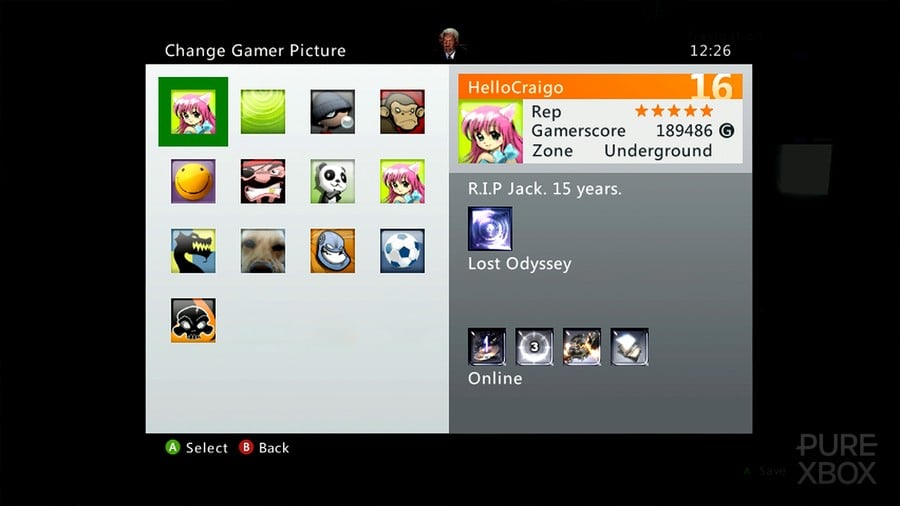
On November 22, 2005, Microsoft Corporation fundamentally altered the landscape of social gaming with the launch of the Xbox 360. While the console was praised for its high-definition graphics and the integration of the Xbox Live service, one of its most enduring legacies was the introduction of the "Gamerpic." This small, 64×64 pixel square served as the primary visual representation of a user’s digital persona, predating the rise of modern avatars and complex profile customization. At launch, the system offered a curated selection of just 12 images, a limitation that inadvertently created a unique social hierarchy and a shared cultural vocabulary among millions of early adopters.
The Foundation of Digital Expression: The Original 12
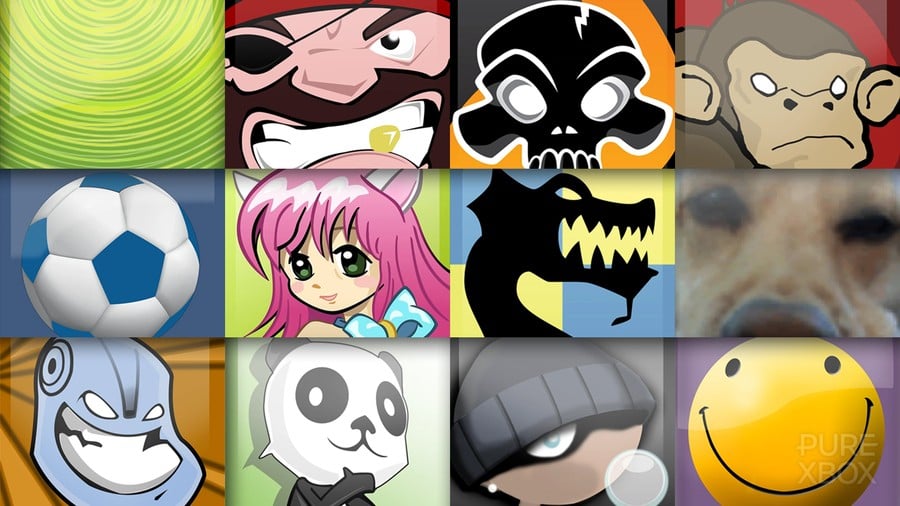
The initial suite of gamerpics included a diverse but cryptic array of symbols and characters. These images—ranging from a boy blowing a bubblegum bubble and a stylized red monkey to a panda and a blue smiley face—were the only tools available for self-expression before the Xbox Marketplace expanded. Because every user started with the same 12 options, these icons became shorthand for certain types of players.

The "Blue Smiley Face" often became associated with casual players or those new to the ecosystem, while the "Red Monkey" and "Panda" gained a cult-like status among competitive players in titles such as Call of Duty 2 and Project Gotham Racing 3. The "Bubblegum Boy" became perhaps the most iconic, frequently appearing in the lobbies of Halo 2 (via backward compatibility) and Gears of War. This limited selection forced a sense of community; players recognized one another not just by their Gamertags, but by the specific aesthetic of their chosen icon.
The Economics of Identity: The Rise of the Gamerpic Marketplace
As the Xbox 360 entered its second year, Microsoft recognized the commercial potential of digital personalization. The Xbox Live Marketplace began hosting "Gamerpic Packs," typically priced at 80 Microsoft Points (approximately $1.00 USD). These packs were often tied to major software releases, such as Halo 3, BioShock, or Mass Effect, allowing fans to signal their brand loyalty.
This era marked the beginning of microtransactions in the console space. While players today are accustomed to purchasing "skins" or "emotes," the act of paying for a profile picture was a novel concept in 2006. Industry data from that period suggests that personalization items were among the highest-volume sellers on the Marketplace. By 2009, thousands of gamerpics were available, ranging from promotional movie tie-ins to abstract art. This shift moved the Xbox Live experience from a standardized community to a fragmented, consumer-driven marketplace where digital identity was directly tied to financial investment.

Chronology of Xbox Personalization (2002–2024)
The trajectory of player representation on the Xbox platform reflects broader trends in technology and social media.
- 2002 – The Gamertag Era: On the original Xbox, identity was purely textual. The Gamertag was the sole identifier, with no visual component attached to the user profile in a global sense.
- 2005 – The Gamerpic Launch: The Xbox 360 introduces the 64×64 pixel Gamerpic. Users are limited to a local library of 12 images until the Marketplace expands.
- 2008 – The New Xbox Experience (NXE): In a major dashboard overhaul, Microsoft introduced 3D Avatars. These customizable characters, influenced by Nintendo’s "Mii" system, allowed for full-body expression. Gamerpics were updated to allow "Avatar Gamerpics," where a user’s character could be posed and captured as their icon.
- 2013 – High-Definition Expansion: With the launch of the Xbox One, gamerpics transitioned from 64×64 pixels to 1080×1080 pixels. This allowed for significantly more detail and the use of transparency (PNG format), enabling more professional-looking profiles.
- 2017 – The Open Gates: Microsoft began allowing users to upload custom images via the Xbox App and Windows 10. This effectively ended the era of curated gamerpic packs, as users could now use any image, provided it complied with community safety guidelines.
- 2020-Present – Series X/S and Dynamic Backgrounds: Modern identity on Xbox now includes animated backgrounds and cross-platform synchronization with Discord and social media, placing the humble 2005 gamerpic into a historical context of rapid technological evolution.
The Psychology of the Icon: Social Perception in Online Gaming
Sociologists and digital media researchers have noted that even within limited systems, humans find ways to signal status and personality. In the early days of Xbox Live, the choice of a gamerpic often carried unwritten connotations. For instance, the "Hockey Mask" icon was frequently associated with "griefers" or highly aggressive players, whereas the "Flower" or "Butterfly" icons were often perceived—rightly or wrongly—as belonging to more passive or younger players.
This phenomenon is known as "thin-slicing" in social psychology—the ability to find patterns in events based only on "thin slices," or narrow windows, of experience. In the high-speed environment of a pre-game lobby, a gamerpic was the only "thin slice" available. These 12 original images acted as a Rorschach test for the gaming community, where the player’s choice could dictate how they were treated by teammates and opponents before a single match began.
Technical Constraints and Architectural Design
The decision to launch with only 12 gamerpics was not merely an aesthetic choice but a technical necessity of the time. The Xbox 360’s initial system software was designed to be lean, fitting within a small portion of the console’s 512MB of GDDR3 RAM. By standardizing the initial set of icons, Microsoft ensured that the user interface (UI) remained responsive.
Furthermore, the 64×64 resolution was optimized for standard-definition televisions, which a significant portion of the population still used in 2005. As high-definition (720p and 1080i) became the standard, these low-resolution icons began to show their age, eventually leading to the 2013 requirement for high-resolution assets. The transition from these tiny, pixelated squares to the 4K-ready images of today represents a 250-fold increase in visual data per icon.
Broader Impact and the Legacy of the "Legacy" Pic
Today, the original 12 gamerpics are viewed with a sense of "digital nostalgia." In an era where deep-fakes and AI-generated avatars are becoming common, the simplicity of a panda icon or a red monkey represents a perceived "golden age" of online gaming. Microsoft has occasionally leaned into this nostalgia, re-releasing the original icons in high-definition for the Xbox Series X/S as a tribute to long-term subscribers.
The legacy of these images extends beyond the Xbox ecosystem. They set a precedent for how digital storefronts handle identity. The "Avatar" systems of the PlayStation 3 and the "Mii" characters of the Wii followed the Xbox 360’s lead in centering the user’s visual identity as a core component of the console experience.
In conclusion, while the Xbox 360 launched with a seemingly meager 12 options for player expression, those icons laid the groundwork for the complex digital identities of the modern era. They were more than just pictures; they were the first step in a 20-year journey of virtual self-representation. As gaming moves toward more immersive environments and the potential of the metaverse, the lessons of the original gamerpics—how we identify ourselves and how we perceive others in a digital vacuum—remain as relevant as they were in 2005. The shift from 12 static images to a world of infinite custom uploads reflects not just a change in technology, but a fundamental shift in how society views its digital presence.