


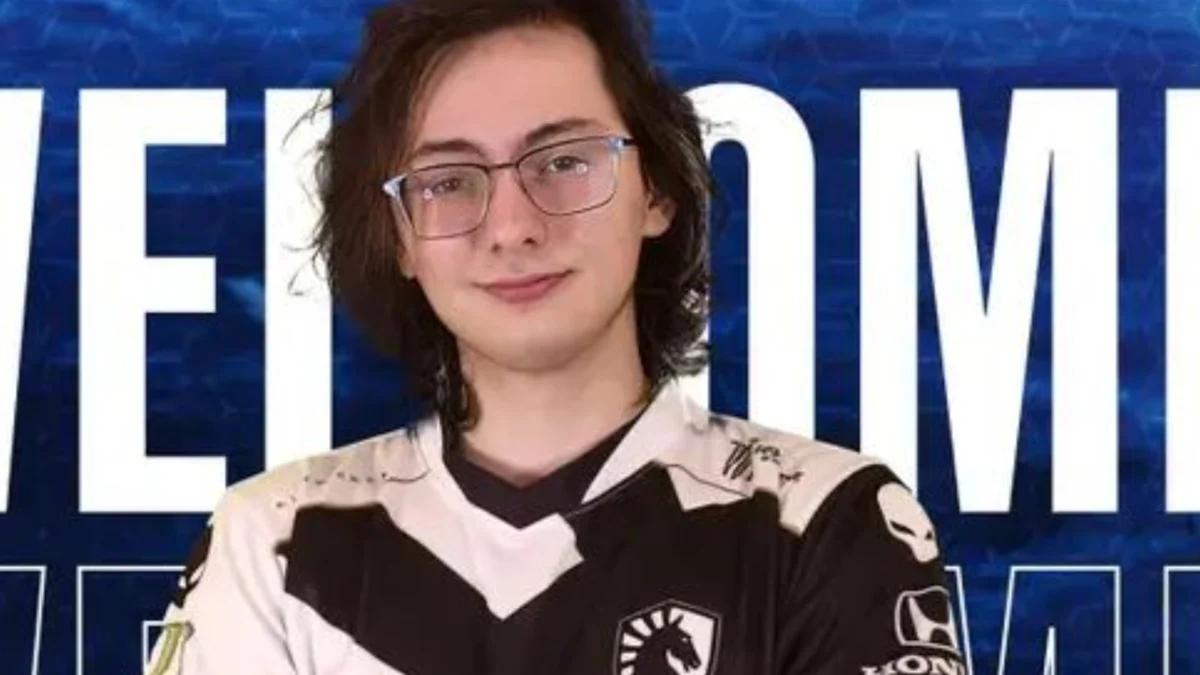
The Super Smash Bros. community in Georgia has taken decisive action, issuing an indefinite ban against Ryan "L4st" Krichbaum, a prominent figure in the scene known for his roles as a tournament organizer, commentator, and former coach for top players. The ban comes in response to a wave of serious allegations, including rape, emotional abuse, manipulation, coercion, and multiple instances of sexual assault, brought forward by several individuals. The official announcement, made via the Georgia Smash X account on May 11th, has sent ripples through the competitive gaming world, highlighting a critical need for player safety and accountability within esports.
The gravity of the accusations has prompted not only a regional ban but also a strong recommendation for similar measures to be implemented across all major Super Smash Bros. Ultimate tournaments nationwide. Georgia Smash leadership stated their intent to work with other tournament organizers to ensure Krichbaum’s exclusion from future events, emphasizing their commitment to protecting participants. This development underscores a growing trend in esports where allegations of misconduct are being met with swift and often severe consequences, reflecting an evolving understanding of acceptable behavior within competitive gaming communities.
Chronology of Allegations and Actions
The timeline leading to L4st’s ban reveals a pattern of concerns that were initially addressed on a smaller scale before escalating to regional intervention. According to Georgia Smash, multiple complaints were lodged against Ryan Krichbaum by several individuals, prompting moderators to investigate. While the exact dates of these initial complaints remain unspecified in the public statement, it is understood that these allegations culminated in Krichbaum being privately banned from a select number of tournaments within Georgia during 2024. This earlier, discreet action was reportedly taken at the specific request of one of his accusers, with the primary objective of ensuring their immediate safety and preventing potential further harm.
The recent public announcement on May 11th signifies a broader and more formal response from the Georgia Smash community. The organization’s statement explicitly mentioned that similar incidents involving Krichbaum had allegedly occurred in other regions, suggesting a potential widespread nature to the alleged misconduct. This information, coupled with the increasing number of complaints, led to the decision to implement a more stringent and public ban. The recommendation for an indefinite ban from all Georgia events, as well as regional events and majors, indicates a consensus within the community that Krichbaum’s alleged actions pose a significant risk to the well-being of other participants.
The decision to make the ban public, however, has also drawn criticism. Some within the community have voiced concerns that Georgia Smash should have disclosed these allegations and the subsequent private ban in 2024, rather than waiting for the situation to escalate. This criticism highlights a broader debate within esports communities regarding transparency and the timely dissemination of information related to player misconduct. The desire for greater openness stems from a need to empower potential victims and to ensure that the community is aware of individuals who may pose a risk.
Details of the Allegations and Community Response
The allegations against L4st are severe and encompass a range of serious offenses. Georgia Smash’s statement specifically mentioned accusations of rape, emotional abuse, manipulation, coercion, and multiple instances of sexual assault. These are not minor infractions but deeply damaging behaviors that can have profound and lasting psychological impacts on victims. The specificity of these accusations, even without detailed individual testimonies being released publicly, lends significant weight to the community’s decision.
The response from Georgia Smash leadership underscores the seriousness with which these allegations are being treated. Their recommendation for an indefinite ban from all Georgia events, regional events, and major tournaments is a clear signal that Krichbaum’s alleged actions are deemed incompatible with participation in the Super Smash Bros. community. The call for other tournament organizers to communicate with Georgia Smash regarding any concerns about Krichbaum further emphasizes a coordinated effort to isolate him from sanctioned events. This proactive stance aims to create a safer environment for all players, spectators, and staff involved in competitive Smash Bros.
The fact that L4st has not yet issued a public response to these allegations leaves the situation open, but the community’s actions are based on the multiple complaints received. In the absence of a denial or a statement from Krichbaum, the focus remains on the accusers and the community’s commitment to addressing these serious concerns.
Broader Implications for the Esports Ecosystem
The ban against L4st is more than just a localized disciplinary action; it is indicative of a larger shift occurring within the esports industry. Historically, many esports communities have struggled with effectively addressing issues of harassment and abuse, often due to a lack of formal structures, a culture of impunity, or a reluctance to disrupt established figures. However, recent years have seen a growing awareness and demand for accountability, driven by advocacy groups, increased media scrutiny, and the voices of victims themselves.
L4st’s former association as a coach for MkLeo, widely considered the most decorated Super Smash Bros. Ultimate player of all time, adds another layer of complexity to this situation. While MkLeo himself has not been implicated in any wrongdoing, the public acknowledgment of L4st’s coaching role brings attention to the support systems and vetting processes within professional esports organizations. It raises questions about the responsibility of organizations and top players to ensure that individuals in positions of influence adhere to ethical standards and do not engage in harmful behavior. The potential impact on MkLeo’s reputation and Team Liquid’s association with L4st, even if indirect, cannot be ignored.
This incident also highlights the challenges faced by tournament organizers in maintaining safe and inclusive environments. Balancing the desire to host competitive events with the imperative to protect participants requires robust policies, clear reporting mechanisms, and a willingness to act decisively when allegations arise. The criticism directed at Georgia Smash for its initial lack of public transparency suggests that communities are increasingly expecting proactive measures and open communication from organizers.
Furthermore, the allegations against L4st serve as a stark reminder of the persistent issues of sexual assault and harassment that plague many industries, including the rapidly growing esports sector. The unique dynamics of online communities, the intense pressures of competitive play, and the often-informal nature of early esports scenes can, in some cases, create environments where such abuses can occur and go unaddressed.
The Path Forward: Player Safety and Community Trust
The ban on L4st represents a significant step towards fostering a more secure and respectful environment within the Super Smash Bros. community and, by extension, the broader esports landscape. Moving forward, several key areas will be crucial in building and maintaining trust:
- Clearer Policies and Reporting Mechanisms: Tournament organizers and esports organizations need to implement and widely publicize clear codes of conduct, anti-harassment policies, and accessible, confidential reporting channels. These systems must ensure that individuals feel safe to come forward without fear of retaliation.
- Consistent Enforcement: Policies must be applied consistently, regardless of an individual’s status or popularity within the community. This includes swift and thorough investigations into allegations and appropriate disciplinary actions when warranted.
- Education and Awareness: Ongoing efforts to educate players, staff, and organizers about consent, boundaries, and the impact of abuse are essential. Raising awareness can help prevent misconduct and empower individuals to recognize and respond to problematic situations.
- Support for Victims: Providing resources and support for victims of harassment and assault is paramount. This can include access to counseling services, legal aid, and a supportive community network.
- Transparency and Communication: While respecting privacy, communities benefit from transparent communication regarding allegations and actions taken. This builds trust and demonstrates a commitment to accountability.
The Super Smash Bros. community, like many others in esports, is at a critical juncture. The decisive action taken by Georgia Smash in response to the allegations against L4st signals a growing maturity and a collective commitment to prioritizing player safety and well-being. The ongoing dialogue and the implementation of robust measures will be vital in ensuring that the competitive gaming world remains a welcoming and secure space for everyone involved. The repercussions of this incident will likely be felt for some time, serving as a catalyst for continued improvement in how esports communities address and prevent misconduct.