


The inaugural $300,000 Marvel Rivals Creator World Championship concluded last weekend, leaving a cloud of controversy over Team Canada’s disappointing last-place finish. While the tournament, held from June 26-29, showcased some of the most popular streamers and content creators battling for a significant prize pool, the post-match discourse has been dominated by internal team conflict, primarily directed at streamer Warn. Team Canada, comprising prominent figures like xQc, aramori, Dokibird, Fanfan, and Surefour, alongside Warn, secured a 9th-12th place finish, earning $12,000 of the total prize money. The championship itself was ultimately won by Team AMER United, who claimed the grand prize of $75,000. However, the narrative shifted dramatically from the competitive outcomes to the interpersonal dynamics that allegedly led to Team Canada’s underperformance.
The Road to Controversy: A Discordant Performance
The Marvel Rivals Creator World Championship represented a significant investment in the burgeoning esports scene surrounding the new hero-based shooter. The tournament brought together twelve elite teams, each representing a diverse global contingent of content creators, all vying for a substantial portion of the $300,000 prize pool. This event was positioned not only as a competitive arena but also as a major promotional push for Marvel Rivals, highlighting its potential for engaging both players and a wider audience through familiar online personalities.
Team Canada’s journey through the tournament was marked by an apparent lack of cohesion and strategic alignment, culminating in their early exit. While the prize money was divided amongst all participating teams, the $12,000 received by Team Canada represented a considerably smaller return than anticipated, especially given the caliber of players involved. The real fallout, however, began to unfold in the aftermath of their elimination, as accusations and defenses began to surface online, painting a picture of internal discord that had seemingly impacted their performance on the virtual battlefield.
Unpacking the "Hero Swap Drama"
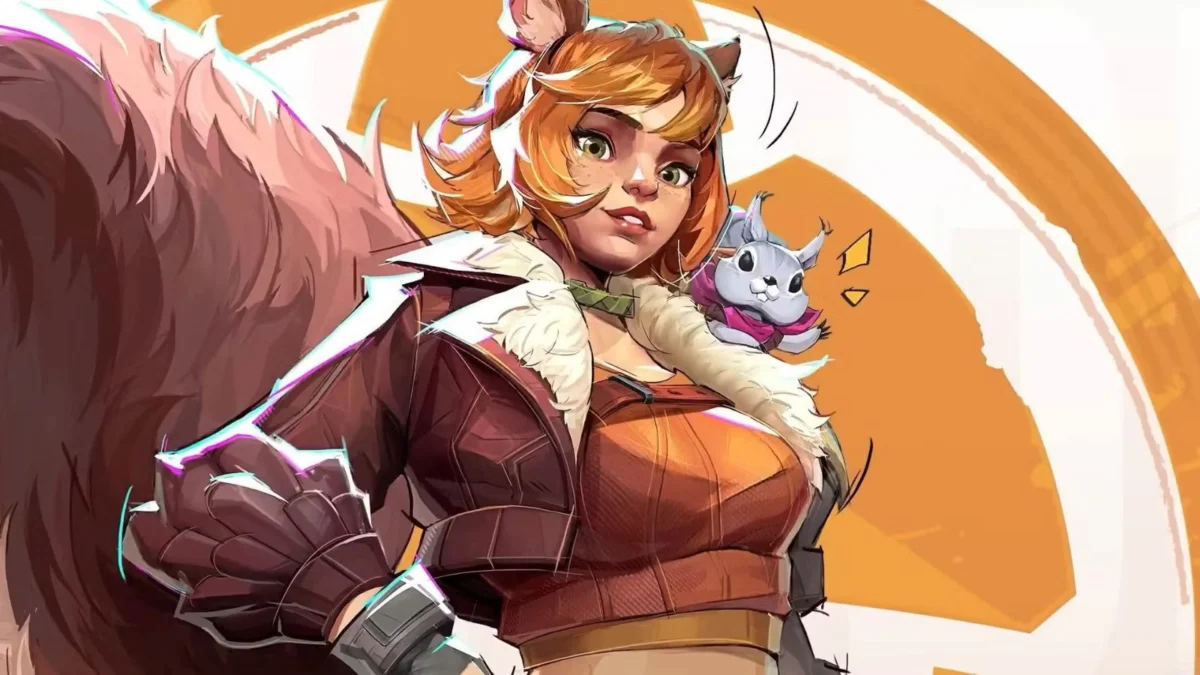
At the heart of the controversy lies a series of statements and accusations originating from Warn, a Twitch streamer who was a late addition to the Team Canada roster. Warn claimed that his invitation to the tournament arrived with only a few days’ notice, leaving him insufficient time to adequately prepare for the competitive meta. He stated that he focused his practice on his preferred characters, Squirrel Girl and Namor, characters he believed he had a strong grasp of.
A now-viral clip emerged, allegedly capturing Warn attributing Team Canada’s losses to the performance of his teammates FanFan, Dokibird, and aramori. In the same clip, he reportedly credited past victories to his own contributions and those of xQc. Warn later attempted to clarify these remarks, stating that the clip was taken out of context and that his comments were not influenced by the gender of his teammates. However, this explanation did little to quell the rising tension within the team and the wider community.
The core of the dispute appears to revolve around in-game strategic decisions, specifically concerning character selection and hero swaps. In a team-based shooter like Marvel Rivals, flexibility and adaptability in character choice are often crucial for adapting to opposing team compositions and overcoming challenging scenarios. Warn’s alleged unwillingness or inability to deviate from his preferred heroes, particularly Squirrel Girl, became a focal point of criticism.
Teammate Rebuttals and the "Zazzastack" Precedent
Warn’s teammates, however, offered a starkly different perspective on his level of engagement and contribution to the team’s strategy. Aramori, who served as the team captain, directly challenged Warn’s narrative of being a victim of his teammates’ perceived harshness. She publicly expressed her frustration with Warn’s portrayal of the situation, stating on X (formerly Twitter) that she would not stand by and allow him to frame the situation as a personal attack against him.
Aramori explicitly addressed the issue of hero selection, specifically calling out Warn’s repeated reliance on Squirrel Girl. "My bad next time I’ll tell you it’s not your fault for picking Squirrel Girl over and over," she sarcastically remarked, indicating a pattern of play that her team found problematic. This statement directly implies that Warn’s insistence on playing a specific character, despite potential in-game drawbacks, contributed to the team’s struggles.
To underscore the severity of the situation and to highlight what she perceived as a disproportionate reaction to Warn’s alleged missteps, Aramori drew a parallel to a previous controversy within the Marvel Rivals creator scene. She referenced the "Zazzastack incident," which occurred earlier in the year during a $40,000 creator tournament. In that instance, a player named Kingsman reportedly refused to switch off Black Widow, a decision that significantly hampered their team’s momentum and ultimately contributed to their defeat. Aramori’s invocation of this event was pointed: the community’s reaction to the Zazzastack incident was swift and severe, with significant backlash directed at Kingsman. By comparing Warn’s situation to this earlier, more intensely criticized event, Aramori suggested that Warn was receiving comparatively lenient treatment for what she considered a comparable or even more significant offense, given the higher stakes of the Creator World Championship.
"I GOT ZAZZA’D IN A TOURNAMENT 10X THE PRIZE POOL AS BASIM," aramori posted, referencing the Zazzastack incident and the high stakes of the $300,000 tournament. She further emphasized the point by stating, "KINGSMAN WAS SO MUCH MEANER AND GOT A BAJILLION FOLLOWERS." This statement served as a clear indictment of the perceived double standard in community reactions to similar in-game disputes within the Marvel Rivals creator circuit.
Defensive Posturing and Statistical Scrutiny
Warn, however, remained firm in his defense, pushing back against the notion that a single player’s hero choice was solely responsible for the team’s collapse. He argued that the loss was a collective failure, a sentiment that resonated with some observers who pointed to the overall team statistics. Data shared by some community members indicated that several players on Team Canada had less-than-stellar performance metrics. For instance, xQc reportedly had a 2-6 record in tank roles, aramori a 3-5 record on the character "Jeff," FanFan a 1-4 record, and Dokibird a 2-4 record. These figures, Warn contended, supported his assertion that the team’s underperformance was a multifaceted issue, rather than being attributable to one individual’s strategic inflexibility.
This defensive stance, while potentially valid in highlighting broader team issues, did little to alleviate the frustration of his teammates and the segment of the community that felt his communication and in-game decision-making were detrimental to Team Canada’s success. The debate over individual responsibility versus collective failure continued to fuel discussions on social media platforms and streaming forums.
A Pattern of Post-Tournament Drama
The controversy surrounding Team Canada’s exit from the $300,000 Marvel Rivals Creator World Championship is not an isolated incident within the game’s burgeoning creator-focused esports landscape. This tournament has, unfortunately, become a recurring theme for Marvel Rivals, where the aftermath of competitive events is often more turbulent than the matches themselves. The "Zazzastack" incident, which transformed the player’s name into a verb synonymous with causing team disruption through stubborn hero choices, serves as a stark reminder of the volatile nature of these high-stakes creator tournaments.
The Kingsman265 situation, in particular, garnered significant attention. The player’s refusal to adapt his character choice led to his removal from a $40,000 event. Interestingly, while facing initial backlash, Kingsman265 ultimately experienced a notable surge in his Twitch viewership and engagement following the controversy, demonstrating the complex and often unpredictable ways in which online drama can impact content creators’ careers. The financial implications for Kingsman265 were reportedly quite positive, a development that may have influenced the perceptions of players like aramori when evaluating similar situations.
The recurring nature of these disputes suggests a need for clearer communication protocols, better team synergy strategies, and potentially more robust arbitration or conflict resolution mechanisms within future creator-based tournaments for Marvel Rivals. As the game continues to grow, fostering a more constructive and professional environment, even amongst content creators, will be crucial for its long-term competitive integrity and appeal. The $300,000 prize pool attracted significant talent, but the internal team dynamics that emerged highlight the challenges of translating individual streaming success into cohesive, high-performance team play in a competitive setting. The lessons learned from both the Zazzastack incident and the recent Team Canada drama will undoubtedly inform how future Marvel Rivals creator events are organized and managed.