


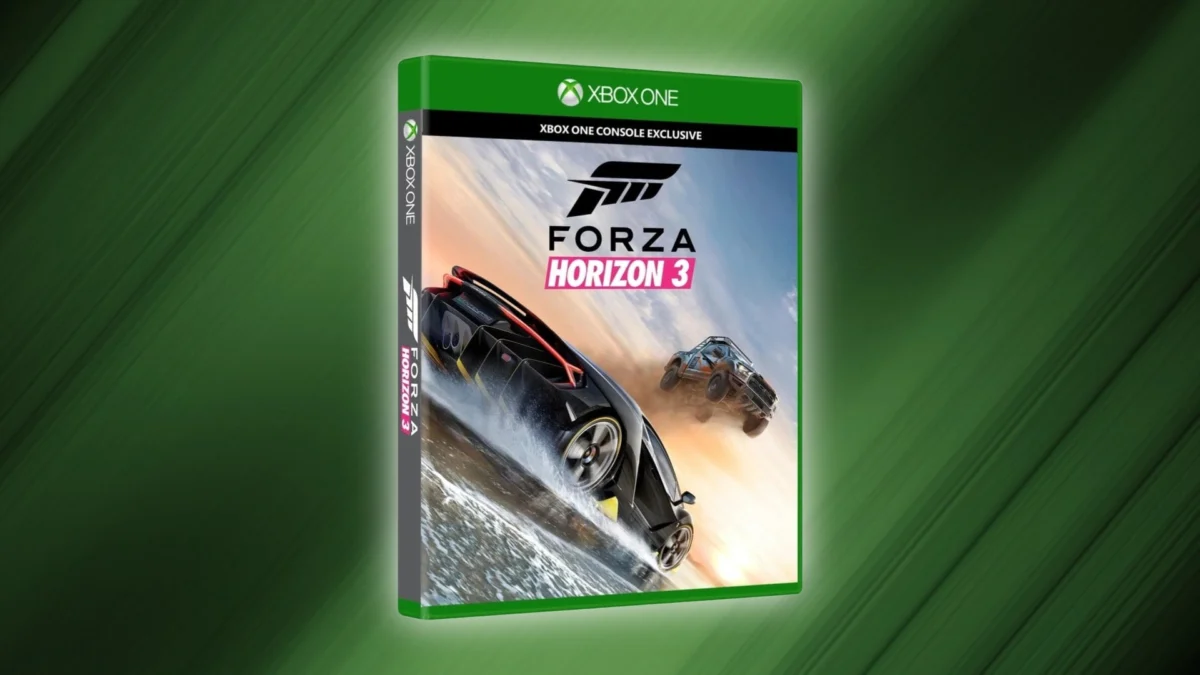
The dilemma of digital delisting has become a recurring issue in the modern era of gaming. When a game is delisted from the Xbox Store, typically due to expiring music licenses, car brand agreements, or third-party intellectual property contracts, it becomes impossible for new players to purchase the title digitally. Currently, the only recourse for players wishing to experience these lost titles on Xbox Series X or Xbox One hardware is to track down a physical copy on the secondary market. However, if future hardware iterations like Project Helix abandon the optical drive, the physical disc becomes an inert piece of plastic, and the delisted game becomes functionally extinct for anyone who does not already own a pre-existing digital license.
The Evolution of the Xbox Digital Ecosystem
To understand the weight of the disc-to-digital program, one must look at the chronology of Microsoft’s hardware strategy over the last decade. The shift began in earnest with the 2019 launch of the Xbox One S All-Digital Edition, which served as a market test for a disc-free future. This was followed by the Xbox Series S in 2020, a console that has proven remarkably popular despite its lack of a disc drive, accounting for a significant portion of the current generation’s install base.
Reports regarding Project Helix suggest that Microsoft is looking to further streamline its hardware production by reducing or eliminating mechanical components like the disc drive to lower manufacturing costs and retail prices. While this move aligns with consumer trends—where digital sales now frequently account for over 80% of total software revenue for major publishers—it creates a "preservation gap." The disc-to-digital program is designed to close this gap by providing a verification method that validates a user’s physical ownership and grants a corresponding digital entitlement.
The Delisting Crisis and Physical Media as a Safety Net
The primary value of physical media in 2024 and beyond lies in its status as a permanent license. A prominent example is Forza Horizon 3, a critically acclaimed racing title that was delisted from the Microsoft Store in 2020. Because the game features hundreds of licensed vehicles and a curated soundtrack, the legal right to sell the game expired. Today, the only way to play Forza Horizon 3 on modern hardware if you didn’t buy it years ago is to insert a physical disc.
If the disc-to-digital program is implemented correctly, it would theoretically allow a user to take that Forza Horizon 3 disc, verify it through an Xbox-approved method, and receive a digital version that remains playable on a disc-less Project Helix console. Without such a program, the transition to all-digital hardware would result in the immediate loss of access to hundreds of delisted titles across the original Xbox, Xbox 360, and Xbox One libraries that are currently supported via backward compatibility.

Technical and Legal Hurdles for Disc Conversion
Implementing a disc-to-digital program is not without significant technical and legal challenges. One of the most pressing concerns for Microsoft is preventing fraud. If a user can simply insert a disc, claim a digital code, and then sell the disc to someone else who does the same, the system would be exploited.
Industry analysts have suggested several potential solutions that Microsoft may be evaluating:
- External Disc Drive Support: Microsoft could release a branded external USB disc drive for Project Helix, allowing users to verify their discs periodically.
- Retail Verification Kiosks: Partnering with retailers like GameStop or CEX to "decommission" physical discs in exchange for digital credit or licenses.
- One-Time Use Digital Bridges: A system where the disc is "marked" or registered to a specific Xbox Live account, rendering the physical copy’s license transferrable only once.
From a legal perspective, Microsoft must navigate the complexities of "Hard Delistings." While most delisted games remain available for redownload by existing owners, a rare subset of games undergoes a hard delisting where the files are removed from servers entirely. For the disc-to-digital program to be truly essential, Microsoft must ensure that the infrastructure remains in place to host the data for these games, even when they are no longer for sale to the general public.
Market Trends and the Competitive Landscape
The urgency of Xbox’s disc-to-digital program is underscored by the shifting strategies of its primary competitor, Sony Interactive Entertainment. Recent industry reports and patent filings suggest that PlayStation may be moving toward an all-digital model as early as 2028. Sony has already introduced a detachable disc drive for the PlayStation 5 "Slim" models, signaling a transition away from integrated optical media.
If Xbox successfully launches a robust disc-to-digital program by 2026, it could gain a significant competitive advantage among physical media collectors and enthusiasts. By offering a path to "digitize" a library, Microsoft positions itself as a more consumer-friendly platform for long-term game ownership. This is particularly relevant given Microsoft’s historical commitment to backward compatibility, a program that has seen thousands of legacy titles enhanced for modern displays.
Data on the Shift to Digital Consumption
The data supporting a move toward an all-digital future is overwhelming. According to various year-end financial reports from 2023, digital software sales accounted for approximately 90% of Capcom’s total sales and nearly 85% of Electronic Arts’ revenue. Furthermore, the convenience of services like Xbox Game Pass has conditioned a generation of players to access content via the cloud or digital downloads rather than physical media.

However, the remaining 10-15% of the market represents a dedicated core of "power users" and collectors. For this demographic, the value of a physical collection is tied to both nostalgia and the security of ownership. A disc-to-digital program serves as an olive branch to these users, acknowledging their investment in the platform’s history while steering them toward the digital future Microsoft envisions.
The Role of Game Preservation
Beyond the commercial implications, the disc-to-digital program carries weight in the realm of cultural preservation. Organizations such as the Video Game History Foundation have frequently highlighted the "vanishing" nature of digital-only media. When a digital storefront closes—as seen with the Nintendo eShop for Wii U and 3DS—hundreds of games can vanish overnight if they lack a physical counterpart.
By allowing physical discs to serve as the "key" to a digital future, Microsoft effectively turns every existing Xbox disc into a preservation tool. Even if the original storefront no longer lists the game, the existence of the physical media ensures that the software remains accessible on future hardware. This creates a redundant system where the physical copy acts as a permanent backup for a digital ecosystem that is inherently ephemeral.
Implications for the Future of Project Helix
As rumors of Project Helix continue to circulate, the integration of a disc-to-digital feature will likely define the console’s reception. If the console launches without a disc drive and without a conversion program, Microsoft risks alienating a vocal segment of its fanbase and rendering millions of dollars’ worth of physical software obsolete.
Conversely, a seamless disc-to-digital transition could revolutionize how the industry handles legacy content. It would set a precedent for other platform holders to follow, potentially leading to a standardized way for consumers to maintain their libraries across hardware generations.
The next several months will be pivotal as Microsoft is expected to detail its hardware roadmap. The "Project Helix" era represents more than just a new box under the television; it represents a fundamental shift in the definition of game ownership. If the disc-to-digital program is successfully executed, it will not only save delisted games from the "memory hole" of licensing expirations but also provide a blueprint for how a digital-first industry can still honor its physical past. For now, the gaming community remains in a state of cautious optimism, waiting to see if Microsoft will provide the bridge necessary to carry the legacy of the Xbox library into the next decade.