


In a significant escalation of its efforts to combat the persistent leaks surrounding the highly anticipated Grand Theft Auto 6, Take-Two Interactive, the parent company of Rockstar Games, has reportedly issued multiple subpoenas targeting major technology platforms including Microsoft, Discord, and Google. These legal maneuvers are aimed at unmasking the individual or group operating under the pseudonym "Cyberleek," who has been actively disseminating footage from an older development build of GTA 6 online. The move underscores Take-Two’s unwavering commitment to protecting its intellectual property and controlling the narrative around one of the most eagerly awaited titles in gaming history.
The ongoing saga of GTA 6 leaks has been a source of considerable consternation for Rockstar Games and Take-Two. While the gaming community eagerly awaits official reveals, the unauthorized distribution of early development footage poses substantial risks to the game’s marketing strategy, development morale, and ultimately, its commercial success. The issuance of these subpoenas signals a determined legal offensive, leveraging the Digital Millennium Copyright Act (DMCA) to compel tech giants to disclose information that could lead to the identification of the alleged infringers.
Unpacking the Legal Action: DMCA Subpoenas and Their Reach
Reports from reputable gaming and tech news outlets, including Kotaku and Windows Central, confirm that Take-Two’s legal team has served these subpoenas. The core objective, as detailed in the legal documents, is to obtain the identity of the person or persons responsible for sharing the copyrighted material. An excerpt from one of the Microsoft-related documents, highlighted by Windows Central, explicitly states: "The copyrighted material includes but is not limited to audio visual content, artwork, images, dialogue, or other creative elements. Take-Two, through its counsel of record, has submitted a sworn declaration confirming that the purpose for which the DMCA subpoena is sought is to obtain the identity of an alleged infringer or infringers, and that such information will only be used for the purpose of protecting Take-Two’s rights."
This declaration is crucial, establishing the legal predicate for the subpoena under the DMCA. The Digital Millennium Copyright Act, enacted in 1998, provides copyright holders with a legal framework to address online copyright infringement. Section 512(h) of the DMCA specifically allows copyright owners to request a subpoena from a federal court clerk to identify individuals who are infringing their copyright on service providers’ networks. This mechanism is frequently employed to unmask anonymous online actors engaged in illegal distribution of copyrighted content.
The subpoenas are not merely requesting basic user information. They demand "All internal Microsoft business records and investigative records associated with Microsoft’s internal investigation of the ‘cyberleek’ persona sufficient to identify the user(s), person(s) and/or entity/ies associated with that persona." This specific request suggests that Microsoft may have already initiated its own inquiry into the "Cyberleek" activities, possibly due to prior DMCA takedown requests or internal security concerns. Take-Two’s legal team is clearly seeking to leverage any intelligence Microsoft may have already gathered, streamlining their own investigative process. Similar requests are presumed to have been sent to Discord and Google, platforms frequently utilized for sharing and discussing gaming content, and thus potential conduits for the leaked materials.
The Monumental Stakes: Grand Theft Auto 6 and Rockstar’s Legacy
The aggressive legal posture taken by Take-Two is entirely commensurate with the monumental significance of Grand Theft Auto 6. The Grand Theft Auto franchise is a cornerstone of the gaming industry, a cultural phenomenon that consistently shatters sales records and redefines open-world gaming. Grand Theft Auto V, released in 2013, has sold over 195 million copies worldwide as of early 2024, making it the second best-selling video game of all time, generating billions in revenue. The development budget for such titles is astronomical, often exceeding hundreds of millions of dollars, and the marketing campaigns are equally vast.
Rockstar Games, the developer, is renowned for its meticulous secrecy surrounding new releases. Historically, information about new GTA titles has been tightly controlled, released through carefully orchestrated announcements, trailers, and official gameplay reveals. This strategy builds unparalleled anticipation and allows the company to control the narrative and impact of its marketing. Unauthorized leaks, especially of early development footage, directly undermine this carefully constructed process. They can spoil narrative elements, expose unfinished assets that do not reflect the final product’s quality, and generally disrupt the carefully planned rollout of information. For a title like GTA 6, which carries the weight of immense player expectations and the potential for unprecedented commercial success, maintaining control over its public introduction is paramount.
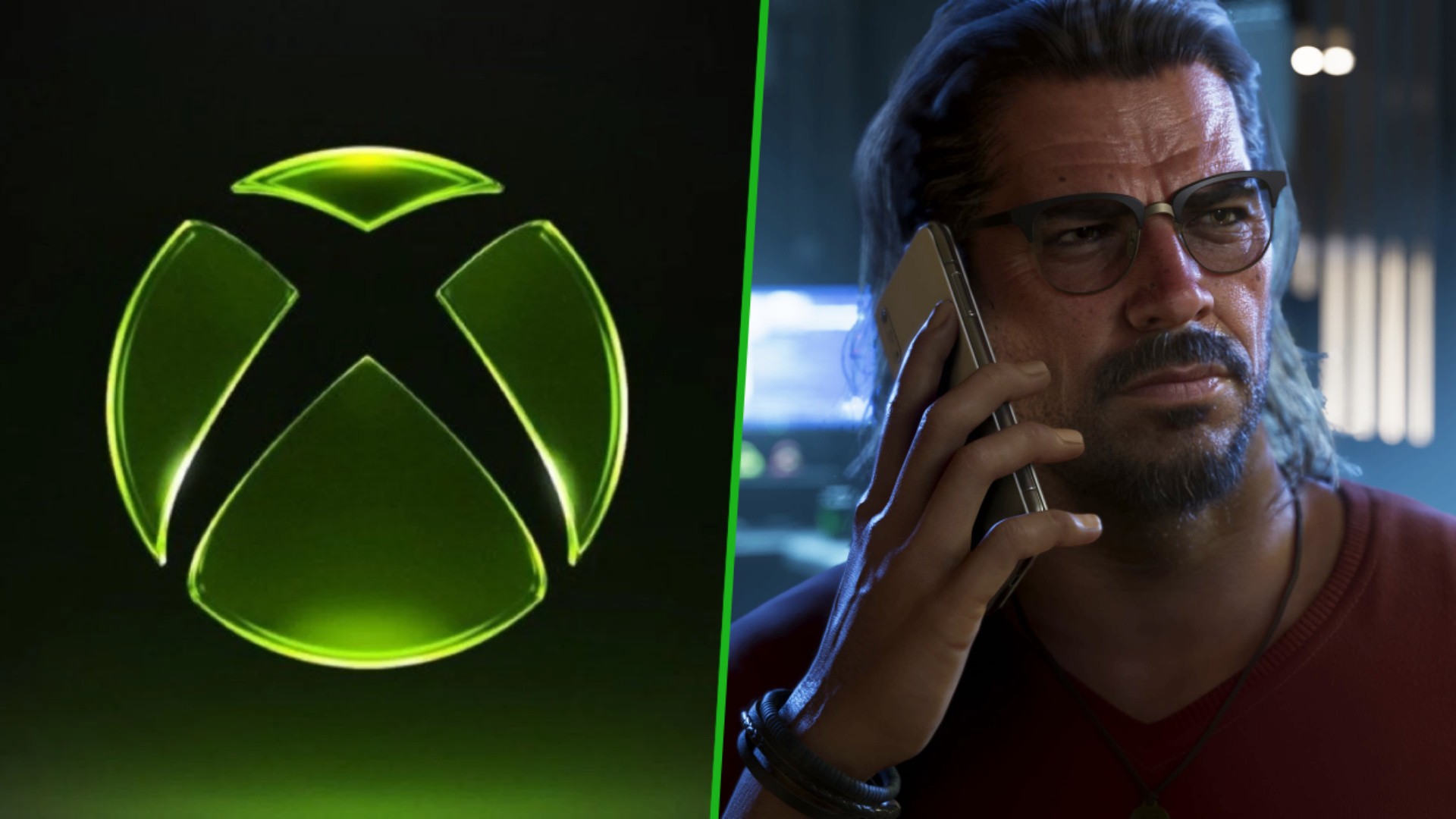
The leaked footage, described as originating from an "old build," while not representative of the final game’s polish, still provides a glimpse into development processes, character models, world design, and potential gameplay mechanics. Even incomplete or unrefined content can be damaging, as it can generate premature judgments, misinterpretations, and a sense of anti-climax when official, polished content is eventually revealed.
A Chronology of Digital Intrusion and Corporate Response
While the current subpoenas are a recent development in August 2026, the saga of GTA 6 leaks has seen various phases. The most significant and widely reported leak occurred in September 2022, when a massive trove of early development footage, source code snippets, and internal communications were illegally obtained and widely distributed online. This event, attributed to a then-17-year-old hacker, was an unprecedented breach for Rockstar Games. The individual responsible was later apprehended and faced legal consequences, highlighting the severe repercussions for those engaging in such illicit activities.
Following that initial, large-scale breach, Take-Two and Rockstar Games have maintained a vigilant stance. DMCA takedown notices have been consistently issued to platforms hosting the leaked content. However, the fluid nature of the internet means that such content often resurfaces, sometimes through different channels or by different individuals. The current action targeting "Cyberleek" in 2026 suggests that despite previous successes in identifying leakers, the challenge of controlling unauthorized dissemination remains ongoing. "Cyberleek’s" continuous sharing of footage implies a sustained effort to circumvent previous takedowns, necessitating a more aggressive legal approach to identify and stop the source. This escalation from takedown notices to direct subpoenas against major tech platforms signifies that Take-Two believes traditional content moderation is insufficient and direct identification of the leaker is now essential.
Balancing Act: Corporate IP vs. User Privacy
The involvement of tech giants like Microsoft, Discord, and Google in this legal battle highlights a recurring tension between corporate intellectual property rights and user privacy. These platforms serve billions of users globally and are often repositories of vast amounts of personal data. While they are legally obligated to comply with valid subpoenas, they also face scrutiny over how they handle user data and the extent to which they cooperate with such requests.
For Microsoft, as a major cloud service provider and owner of Xbox, a key platform for GTA 6, cooperation is likely to be a complex but necessary process. Their "internal investigation" into "Cyberleek" suggests they may have already identified potential violations of their terms of service or detected suspicious activities. Discord, a popular communication platform among gamers, is a frequent vector for sharing unofficial content, making it a critical target for Take-Two. Google, through its various services like YouTube and cloud hosting, also plays a role in content dissemination.
Typically, these companies will review the subpoena to ensure its legal validity and scope. They are generally reluctant to release more user data than absolutely necessary, often pushing back on overly broad requests to protect their users’ privacy. However, a DMCA subpoena specifically for identifying an alleged infringer is a well-established legal mechanism, and compliance, albeit with careful data handling, is expected. The outcome of these subpoenas will likely involve a delicate negotiation between Take-Two’s legal demands and the platforms’ commitments to user data protection, all while adhering to the letter of the law.

Broader Implications for the Gaming Industry and Beyond
The aggressive pursuit of "Cyberleek" by Take-Two holds significant implications, not just for Grand Theft Auto 6, but for the broader gaming industry and the landscape of digital intellectual property protection.
For Game Developers: This case reinforces the vulnerability of even the most secure development environments to determined leakers. It will likely prompt game studios to invest even more heavily in internal security protocols, data encryption, and employee training to prevent future breaches. The psychological toll on developers, who pour years of their lives into creating these experiences, only to see their unfinished work exposed prematurely, is also a significant concern that companies aim to mitigate.
Setting Legal Precedents: Take-Two’s success in identifying and prosecuting leakers sets a powerful precedent. It sends a clear message that companies are willing to exert significant legal and financial resources to protect their assets. This could deter future leakers, emphasizing that anonymity online is not absolute, especially when major corporations are involved.
The Future of Game Reveals: In an era where leaks are increasingly common, companies might reconsider their strategies for game reveals. While official announcements remain powerful, the risk of leaks could push some to accelerate reveal timelines or adopt more sophisticated digital rights management (DRM) and anti-leak technologies.
User Responsibility and Digital Ethics: The ongoing GTA 6 leak saga also highlights the ethical responsibilities of individuals online. Engaging with, sharing, or actively seeking out leaked content, while seemingly harmless, contributes to the infringement of intellectual property rights and can have real-world consequences for developers and publishers.
Financial Impact and Market Confidence: For Take-Two, ensuring the integrity of GTA 6‘s launch is vital for its financial health and market confidence. The game is expected to be a massive revenue generator for years to come, and any perceived disruption to its development or marketing could have ripple effects on investor sentiment.
As the legal proceedings unfold, the gaming community remains in eager anticipation of official news regarding Grand Theft Auto 6. The hope is that next week’s anticipated "Netflix Extended Look at GTA 6," or similar official reveals, will effectively turn these leaked clips into old news, allowing players to experience the game as intended by its creators. However, the underlying battle for digital intellectual property control will continue, shaping the future of content creation and consumption in the digital age.