


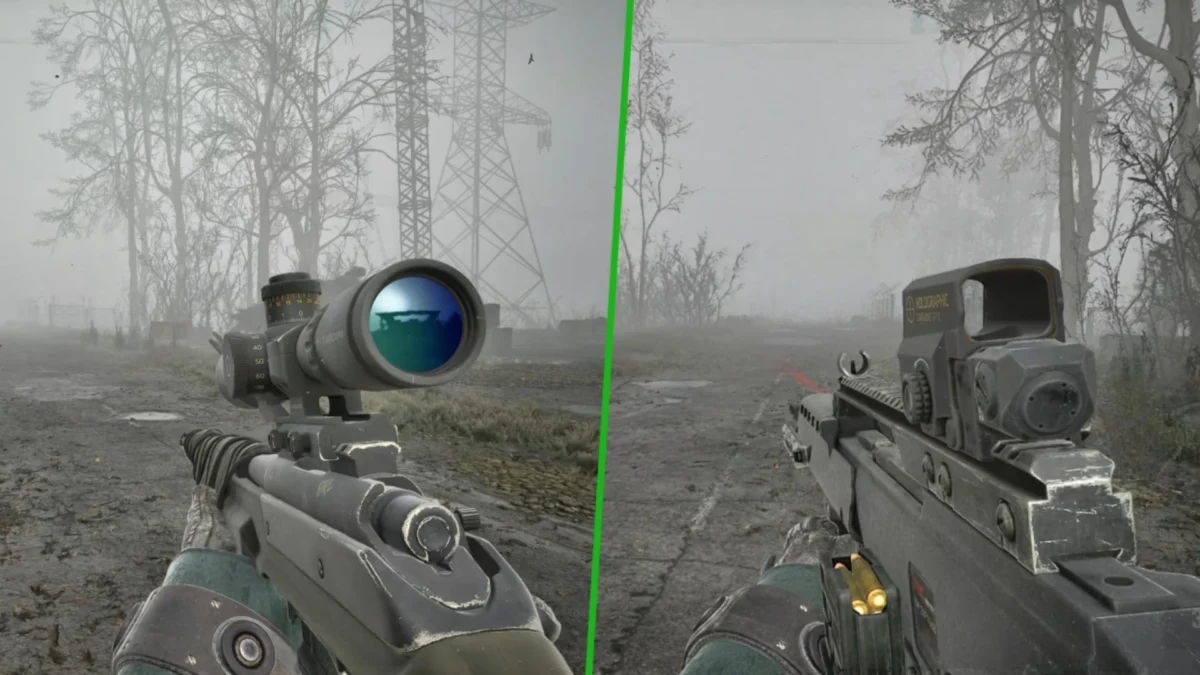
The highly anticipated post-launch period for S.T.A.L.K.E.R. 2: Heart of Chornobyl has seen a significant development with the simultaneous release of its inaugural paid expansion, "Cost of Hope," and a sweeping free update, designated as version 2.0. While the "Cost of Hope" DLC has garnered widespread acclaim for its narrative additions and expansion of the game’s lore, the accompanying 2.0 update, touted as a monumental overhaul, has elicited a more bifurcated response, particularly concerning its performance and visual fidelity on Xbox Series X and Series S consoles. This substantial update aims to fundamentally transform the game’s underlying architecture and player experience, but its immediate impact on console users presents a complex picture of both enhancement and ongoing challenges.
Background: The Arduous Journey of S.T.A.L.K.E.R. 2
The journey of S.T.A.L.K.E.R. 2: Heart of Chornobyl has been nothing short of extraordinary and, at times, fraught with immense difficulty. Developed by Ukrainian studio GSC Game World, the game carries the torch of a beloved franchise renowned for its unique blend of survival horror, immersive sim elements, and a distinct atmosphere set within the irradiated Chernobyl Exclusion Zone. From its initial announcement, the title quickly ascended to become one of the most anticipated games in recent memory, promising a next-generation experience powered by Unreal Engine 5. However, its development was profoundly impacted by the full-scale invasion of Ukraine in February 2022, forcing the studio to relocate and adapt under unimaginable circumstances. This geopolitical turmoil led to multiple delays, underscoring the resilience of the development team and heightening player expectations for a polished and definitive experience upon release.
The S.T.A.L.K.E.R. series has always been distinguished by its "A-Life" system, an intricate simulation that governs the behavior of NPCs, mutants, and anomalies within the Zone, creating a dynamic and unpredictable world. Players anticipate that this system will evolve and deepen in S.T.A.L.K.E.R. 2, offering unparalleled emergent gameplay. Therefore, any major update, especially one designated as "2.0," is viewed through the lens of how it enhances this core philosophical tenet of the franchise, alongside addressing technical foundations. The game’s initial launch, following such a turbulent development cycle, inevitably left room for refinement and optimization, making the promise of a "2.0 update" particularly compelling for the dedicated fanbase.
The 2.0 Update: A Deep Dive into the "Massive Overhaul"
GSC Game World has explicitly characterized the 2.0 update as "our biggest overhaul to how the Zone looks, feels, and lives since launch." This statement indicates a commitment to a long-term vision for the game, moving beyond mere bug fixes to fundamental architectural improvements. At the heart of this update is a significant Unreal Engine upgrade. While the specific version jump (e.g., from an earlier iteration of UE5 to a more current one, or a substantial internal branch update) is not explicitly detailed, such an upgrade typically signifies several key advancements. It can unlock new rendering capabilities, improve asset streaming, enhance physics simulations, and potentially streamline development workflows for future content. For players, this translates to the potential for improved graphical fidelity, better environmental detail, and more efficient resource management, which could lead to enhanced stability and performance.
Beyond the engine, the 2.0 update introduces a plethora of enhancements aimed at enriching the core gameplay loop. "Tons of A-Life updates" suggest a refinement of the dynamic ecosystem within the Zone. This could manifest as more believable NPC routines, more varied faction interactions, unpredictable mutant encounters, and environmental anomalies that react more realistically to player presence. Such improvements are crucial for maintaining the series’ signature immersion and replayability. Furthermore, the inclusion of "new weapons" and "new ways to customise your experience" directly addresses player agency and progression. New weaponry can diversify combat strategies and cater to different playstyles, while expanded customization options, whether for gear, character appearance, or gameplay parameters, empower players to tailor their journey through the Zone. The comprehensive nature of these changes is reflected in the extensive patch notes, which are publicly available on the official Steam page for S.T.A.L.K.E.R. 2, providing granular detail for those interested in the technical minutiae.
"Cost of Hope" DLC: Expanding the Narrative and Lore
Released concurrently with the 2.0 update, the "Cost of Hope" DLC serves as the first major narrative expansion for S.T.A.L.K.E.R. 2. Unlike the technical focus of the free update, this paid content aims to deepen the game’s lore, introduce new story arcs, characters, and potentially new regions or distinct mission structures within the existing Exclusion Zone framework. The initial reception to "Cost of Hope" has been overwhelmingly positive, with reviewers and players commending its contribution to the game’s narrative depth and overall experience. This positive reception is a critical indicator of the development team’s ability to deliver high-quality, engaging content post-launch, reinforcing player confidence in the game’s ongoing support. A successful DLC launch often encourages player retention and attracts new players, signaling a robust long-term plan for the title. The integration of the DLC with the 2.0 update means that players diving into "Cost of Hope" will immediately benefit from the core game’s technical enhancements, potentially experiencing its new narratives within a visually and mechanically refined environment.
Xbox Series X|S Performance: A Landscape of Mixed Impressions
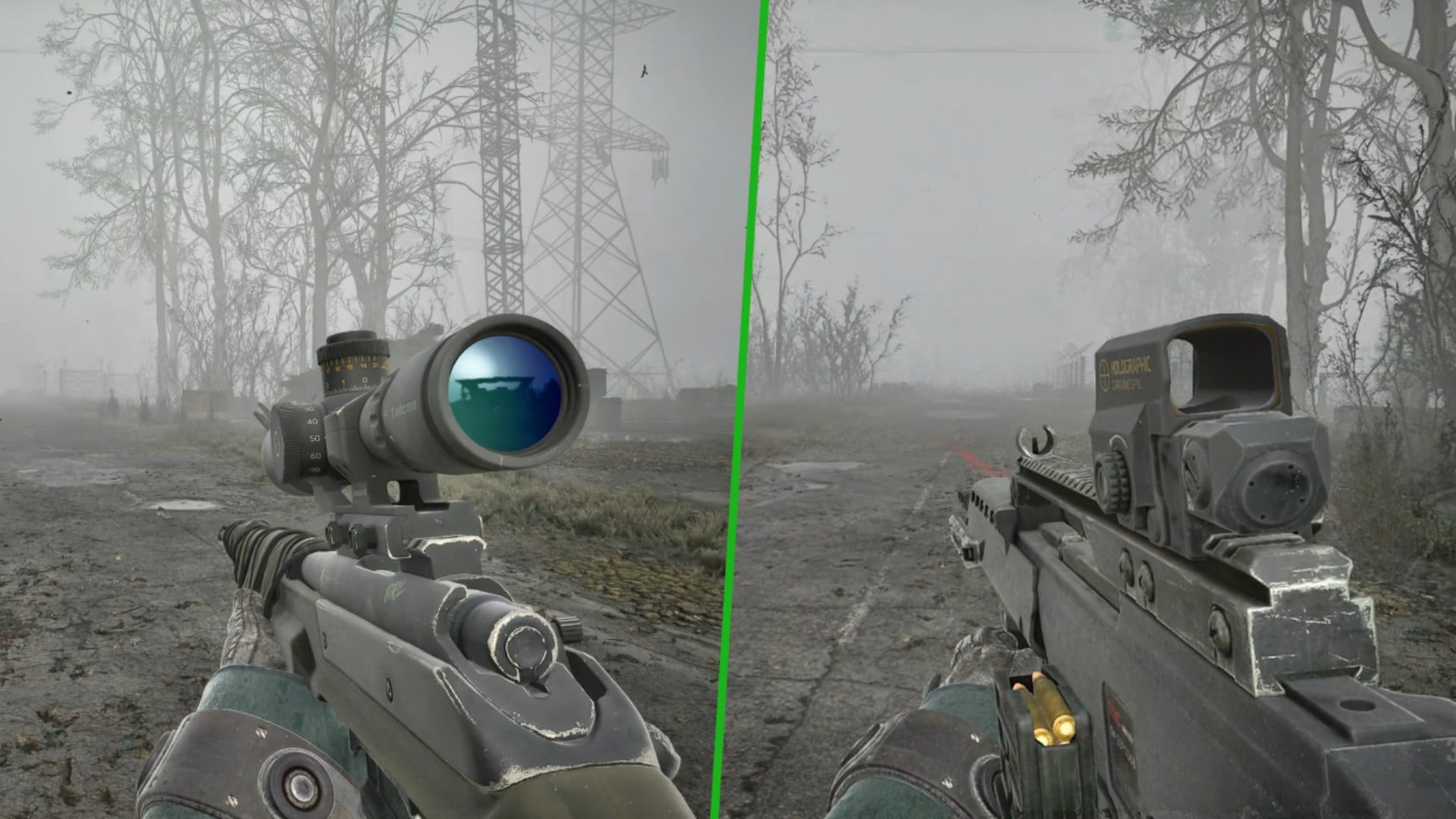
Despite the ambitious scope of the 2.0 update, its translation to actual gameplay on Xbox Series X and Series S consoles has presented a nuanced picture. Initial community feedback indicates a "mixed bag" of experiences. Some players report noticeable improvements in both visual quality and overall performance, praising the update for making the game "look and perform better than before." These positive accounts often highlight increased stability in certain areas or a perceived boost in graphical fidelity. However, an equally vocal segment of the player base suggests that the update has either resulted in a visual downgrade, describing the game as "looking worse," or at least "different" in a way that doesn’t universally appeal. Critically, reports of "still quite spotty performance" persist, indicating that the fundamental optimization challenges some players experienced at launch may not have been entirely resolved across all scenarios.
To provide a more objective assessment, outlets like Fuzion Xbox Testing have released new gameplay footage comparing the updated versions on both Xbox Series X and Series S. Their analysis offers valuable insights into the performance characteristics post-2.0. On the Xbox Series X, the footage reportedly showcases a "rock-solid 30FPS" in Quality Mode and a consistent "60FPS" in Performance Mode, at least within the specific areas tested. This suggests that in optimized or less demanding environments, the Series X can now deliver a stable frame rate, fulfilling a key expectation for next-generation gaming. However, a crucial caveat, highlighted by community commenters, is that these stable frame rates might not extend to "CPU-heavy settlements" or densely populated areas, which often strain the console’s processor more significantly than open wilderness. This discrepancy points to the inherent challenges of optimizing complex open-world games with dynamic AI and environmental simulations.
For the Xbox Series S, the 2.0 update appears to represent a potentially more significant relative improvement. While the game remains locked to 30FPS on the less powerful console, first impressions suggest it "appears to provide a less blurry image than in the past." The Series S, often requiring more aggressive resolution scaling or dynamic resolution techniques to maintain frame rates, has historically been a point of contention for visual clarity in graphically intensive titles. Any improvement in image sharpness or reduction in blurriness would be a notable achievement for GSC Game World, enhancing the overall player experience on Microsoft’s entry-level next-gen console, even if the frame rate remains capped.
Technical Considerations and Community Discourse
The "spotty performance" reports, particularly in CPU-heavy scenarios, underscore the technical complexities involved in game development for current-generation consoles. Open-world titles, especially those with advanced AI systems like A-Life, frequently push CPU limits when rendering numerous active entities, complex physics, and sophisticated environmental simulations. Even with an Unreal Engine upgrade, optimizing these CPU-bound elements can be a protracted process. The varied feedback from players could also stem from different hardware configurations (e.g., varying internal SSD speeds, minor console revisions), individual perceptions of visual quality, or the specific in-game situations encountered.
The ongoing discourse within the gaming community reflects the high expectations placed on modern titles to deliver both visual fidelity and consistent performance. Major updates like 2.0 are critical opportunities for developers to address these concerns. While GSC Game World has not issued a specific statement directly addressing the mixed Xbox performance feedback since the update’s release, the very nature of a "2.0 overhaul" suggests an iterative commitment to improvement. It is logical to infer that the studio will continue to monitor player feedback and gather telemetry data to identify and address any persistent performance bottlenecks or visual anomalies in subsequent hotfixes or minor patches.
Broader Impact and Industry Trends
The release of S.T.A.L.K.E.R. 2‘s 2.0 update and "Cost of Hope" DLC aligns with a broader industry trend where games, especially complex open-world titles, often undergo significant post-launch overhauls. Titles like Cyberpunk 2077 and No Man’s Sky serve as prominent examples of games that dramatically improved their core experience and public perception through extensive post-launch patches and "2.0" versions. This trend reflects the immense pressure on developers to launch games that meet initial release windows while simultaneously acknowledging the potential for deeper optimization and feature integration post-launch. For S.T.A.L.K.E.R. 2, this strategy demonstrates a commitment to evolving the game into its most refined state, ensuring its longevity and fostering a loyal player base.
For the Xbox ecosystem, the performance of a high-profile title like S.T.A.L.K.E.R. 2 is significant. As a flagship title for the platform, particularly within the survival horror and immersive sim genres, its technical stability and visual quality directly contribute to the perception of the Xbox Series X|S as a capable gaming platform. The ongoing efforts by GSC Game World to enhance the game’s performance, even if met with mixed initial results, signal a dedication to delivering a high-quality experience for Xbox players. The successful launch of the "Cost of Hope" DLC, coupled with the ambitious scope of the 2.0 update, reinforces the long-term vision for S.T.A.L.K.E.R. 2 as a continuously evolving and expanding experience within the harrowing confines of the Zone.
In conclusion, the dual release of the "Cost of Hope" DLC and the 2.0 update marks a pivotal moment for S.T.A.L.K.E.R. 2: Heart of Chornobyl. While the DLC has universally enriched the narrative, the 2.0 update represents an ambitious technical leap with a mixed, yet potentially promising, initial reception on Xbox Series X|S. The journey through the Zone continues to be one of refinement and evolution, with GSC Game World demonstrating an unwavering commitment to realizing the full potential of their vision, even as the community actively engages in the ongoing discussion about its performance and visual fidelity. Players are encouraged to experience the updated Zone firsthand and contribute their impressions as the game continues its post-launch trajectory.