


The Evolution of a Competitive Platforming Landmark
The original Speedrunners, initially released in early access in 2013 before its full launch in 2016, carved out a unique niche in the indie gaming sector. By combining the momentum-based movement of side-scrolling platformers with the aggressive, item-based combat of kart racers, it became a fixture at major gaming events and a consistent top-seller on digital storefronts. The sequel, Speedrunners 2: King of Speed, arrives a decade after its predecessor’s peak, facing the difficult task of modernizing a game that many fans considered mechanically perfect.

The core premise of the franchise remains intact: four to eight players compete in a high-speed footrace across hazardous, looping environments. The primary objective is to maintain enough velocity to stay within the screen’s borders. As players fall behind, they risk being pushed off the edge of the visible play area, resulting in immediate elimination. This "cat-and-mouse" dynamic is governed by a sophisticated physics engine that emphasizes conservation of momentum, precise timing, and the strategic use of a grappling hook to swing across ceilings or reel in leading opponents.
Technical Enhancements and 8-Player Architecture
One of the most significant upgrades in Speedrunners 2: King of Speed is the transition from a maximum of four players to an eight-player competitive format. This shift required a fundamental overhaul of the game’s networking architecture and level design. Doubling the player count increases the visual density of each match, creating a more chaotic and unpredictable environment.

To accommodate this increase, the developers have implemented a more robust visual engine. While the original title was noted for its simplistic, almost "Flash-game" aesthetic, the sequel features high-fidelity 2D environments, dynamic lighting, and more detailed character animations. This visual polish is intended to bring the series up to modern standards, though some purists have noted that the increased detail can occasionally interfere with the visual clarity required for split-second reactions.
The "Ring of Fire" mechanic—a shrinking border that activates after the first player is eliminated—has also been refined. In the sequel, the tightening of the play space feels more aggressive, forcing the remaining contestants into increasingly desperate maneuvers. This mechanic ensures that matches remain brief and intense, a hallmark of the series’ "one more round" appeal.

Chronology of Development and Franchise History
The journey to Speedrunners 2: King of Speed has been lengthy, marked by years of community-led content that kept the original title relevant.
- 2013: Speedrunners enters Steam Early Access, gaining immediate traction among streamers and competitive players.
- 2016: Full release on PC, followed by ports to Xbox One and PlayStation 4. The game reaches millions of players and sees the integration of the Steam Workshop, allowing for thousands of user-created maps.
- 2017–2023: The original game maintains a consistent player base through deep-discount sales and community-run tournaments. The developers focus on minor updates while prototyping a potential sequel.
- 2024: Official announcement of Speedrunners 2: King of Speed, promising a "bigger, faster, and more social" experience.
- 2026: The sequel launches across multiple platforms, including PC and the Xbox Series X/S, introducing the new "Rush City" setting.
Throughout this timeline, the influence of user-generated content cannot be overstated. The original game’s longevity was bolstered by a dedicated map-making community. The sequel seeks to capitalize on this by providing more sophisticated tools for level creation, though the launch focus has remained on the developer-curated content.

Analysis of New Game Modes and Features
In an effort to provide a more comprehensive package, Speedrunners 2: King of Speed introduces several new gameplay modes that deviate from the classic "elimination" format.
Token Hunt Rally
In this mode, the traditional "elimination" screen border is removed. Instead, players compete within a set time limit to collect and retain the highest number of tokens scattered throughout the level. Taking damage from obstacles or power-ups causes a player to drop their collected tokens, allowing rivals to steal them. Industry analysts suggest this mode was designed to offer a less punishing entry point for new players, though early feedback suggests it lacks the tension of the original elimination mode.

Lap Race
A straightforward addition, Lap Race tasks players with completing three laps of a circuit. The first to cross the finish line wins. This mode eliminates the "knockout" aspect entirely, focusing purely on speed and optimal pathing. It serves as a more traditional racing experience, reminiscent of track-based athletic games.
Skyfall Rush
Skyfall Rush is described as a high-chaos variant of the classic mode. It introduces randomized environmental hazards and "unfair" item drops, designed to level the playing field between veteran players and newcomers. While it offers a frantic experience, some competitive players have criticized the mode for its reliance on RNG (random number generation) over skill-based movement.

The Rush City Campaign: A Narrative Departure
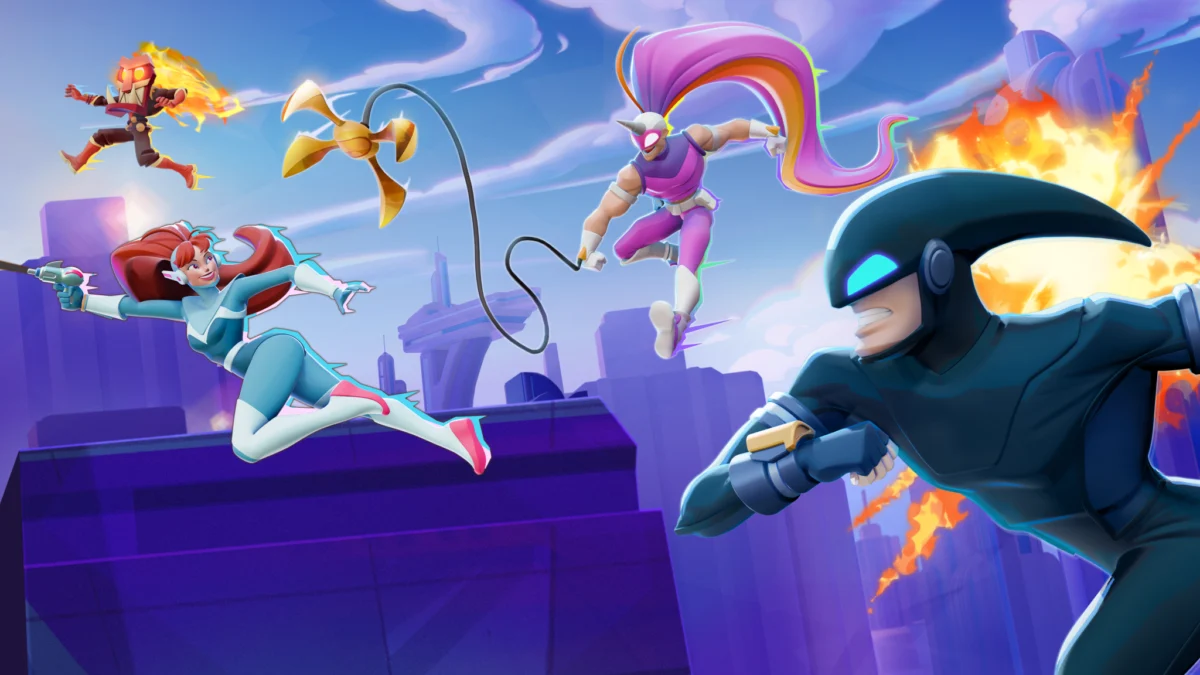
For the first time in the series, Speedrunners 2: King of Speed includes a dedicated single-player campaign. Set in the fictional metropolitan area of "Rush City," the story follows a roster of superhero-themed runners as they attempt to thwart a series of villains through high-stakes races.
The campaign serves as an extended tutorial, introducing players to the game’s various power-ups—such as the classic freeze-ray and fireball, alongside new additions like a multi-shot blaster. It also features large-scale boss encounters that require players to use their racing skills to avoid attacks while returning fire with power-ups. Despite the effort to flesh out the world-building, initial reports from the gaming community indicate that the campaign feels superfluous to the core experience. The progression system, which involves earning XP and unlocking skins, has been described as uninspired, with many players preferring to jump straight into the multiplayer lobbies.

Infrastructure Challenges and Technical Performance
The launch of Speedrunners 2: King of Speed has not been without technical hurdles. Reports from players on both PC and Xbox Series X highlight significant connectivity issues during the launch window. Custom lobbies, a vital component for the game’s "couch co-op" and LAN party appeal, have been plagued by synchronization errors, often requiring players to disband and reform groups multiple times to achieve a stable connection.
Furthermore, a significant UI (user interface) oversight has been identified in the lobby system. Currently, players are unable to change game modes once a lobby has been established. If a group wishes to switch from a "Classic" match to a "Lap Race," they must manually disband the lobby, return to the main menu, select the new mode, and re-invite all participants. This lack of a "quality of life" feature is unusual for a modern multiplayer title and has been a point of contention in early user reviews.

Market Positioning and Competitive Landscape
Speedrunners 2: King of Speed enters a market that is significantly more crowded than the one its predecessor inhabited. Titles like Ultimate Chicken Horse, SpiderHeck, and various "party-royale" games have raised the bar for what consumers expect from mid-tier multiplayer experiences.
To remain competitive, the publishers have emphasized the game’s high skill ceiling. Unlike many party games that rely on luck, Speedrunners 2 remains a game where a skilled player can consistently outperform others through mastery of "wall-jumping," "slide-jumping," and "grapple-boosting." This commitment to mechanical depth is the game’s strongest asset, ensuring it retains the interest of the "hardcore" platforming community.

Broader Impact and Future Implications
The release of Speedrunners 2: King of Speed serves as a case study in the challenges of sequel development for "perfect" indie games. When the core loop of a game is already highly optimized, developers often feel pressured to add "breadth" (more modes, more story, more progression) rather than "depth."
Industry observers note that while the 8-player support and visual upgrades are genuine improvements, the "bloat" of the campaign and experimental modes may distract from the game’s identity. However, the inclusion of eight new maps with eight distinct variants provides a solid foundation for the game’s longevity. If the developers can address the lobby infrastructure and connectivity issues through post-launch patches, Speedrunners 2: King of Speed has the potential to recapture the same lightning-in-a-bottle success as the original.

The long-term success of the title will likely depend on the return of the map-making community. If the new engine allows for more creative freedom in user-generated content, the "superfluous" nature of the official campaign may become a footnote in what could otherwise be a decade-long lifecycle for the sequel. For now, Speedrunners 2: King of Speed stands as a technically superior but structurally cluttered successor to a modern classic.