


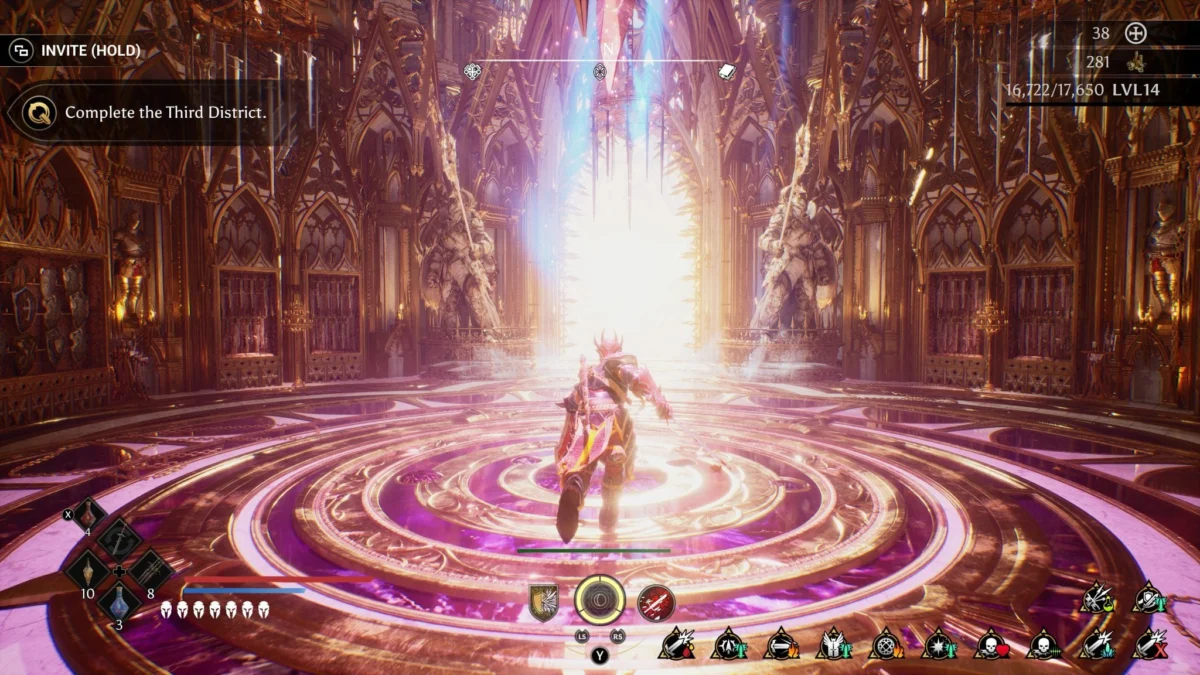
The intersection of the "Soulslike" and "Roguelike" genres has become a crowded territory in the modern gaming landscape. With the massive success of titles like Elden Ring and Hades, independent and mid-sized developers have frequently attempted to blend high-stakes combat with procedurally influenced progression loops. Crimson Moon, developed by Team Metal in partnership with Probably Monsters, represents the latest high-profile attempt to bridge these subgenres. Released at a competitive price point of $19.99, the title seeks to distinguish itself through high-fidelity visual presentation and a structured mission-based approach to the traditional roguelike "run."
Narrative Framework and World-Building
In Crimson Moon, players assume the role of a Nephilim—a hybrid entity possessing the traits of both angels and humans. This protagonist serves as a specialized hunter for the Order of the Crimson Moon, a religious organization tasked with the eradication of supernatural threats including demons, vampires, and eldritch horrors. The narrative serves primarily as a contextual backdrop for the mechanical loop, focusing on the recovery of sacred stones and the systematic elimination of colossal entities threatening humanity’s survival.

While the storytelling utilizes traditional methods such as environmental lore and collectible fragments, the emphasis remains firmly on the atmosphere. The world is a dark fantasy tapestry that draws heavily from Gothic architecture and religious iconography. Players transition between diverse locales, including ruined villages, dense forests, and expansive cathedrals, all of which are designed to reinforce the grim nature of the Order’s crusade.
The Roguelike Progression Loop and Mission Structure
Crimson Moon utilizes a distinct mission-based structure that deviates from the continuous, singular tower-climb seen in many roguelikes. The game is organized into multiple primary zones, which are further divided into subzones. This structure creates a rhythmic gameplay loop consisting of high-intensity combat followed by brief moments of strategic selection.
Subzone Mechanics and Objectives
Each subzone presents the player with specific objectives, which typically fall into three categories:

- Extermination: The requirement to eliminate all hostile entities within the area.
- Relic Recovery: Finding specific items hidden within the environment.
- Elite Hunting: Focusing on the defeat of high-health "leader" enemies.
Upon the successful completion of a subzone, players are presented with a choice of three "boons" or buffs. These power-ups are randomized and can significantly alter the trajectory of a run. Common boons include elemental status effects like freezing or burning, while more specialized options might provide passive healing or increased resource generation. Simultaneously, the game restocks the player’s healing flasks, providing a necessary reset before the next encounter.
The Persistence of Meta-Progression
One of the title’s strongest elements is its meta-progression system, which mitigates the frustration of the permadeath mechanic. While individual runs can end in failure, the player’s "Account Level" continues to rise. This progression unlocks permanent advantages that carry over between attempts, such as:
- Increased maximum revives (lives).
- Enhanced healing flask efficiency.
- Improved drop rates for high-rarity gear.
- Upgrades to the quality of starting equipment.
Furthermore, gold—the primary currency used for upgrading armor and weapons—persists through death. This design choice ensures that even a failed run contributes to the player’s long-term power, shifting the game’s difficulty curve from a "brick wall" to a manageable climb.

Combat Systems and Mechanical Depth
The combat in Crimson Moon is fundamentally rooted in the Soulslike tradition, emphasizing stamina management, precise timing, and environmental awareness. Players have access to standard light and heavy attacks, a quick-step dodge, and a parry system.
Responsive Melee and Parrying
Team Metal has prioritized tactile feedback in the combat engine. Hits against smaller enemies feel impactful, and the dodge mechanic offers sufficient invulnerability frames to feel fair rather than punishing. The parry system, while requiring a steep learning curve, provides a high-skill ceiling for players looking to master the game’s mechanics. Successfully timing a parry can trivialize encounters that would otherwise require lengthy wars of attrition.
Magic and Gear-Based Abilities
Beyond physical strikes, the game incorporates a magic system tied directly to equipment. Different weapons come equipped with unique active abilities. These range from defensive maneuvers like shield bashes to offensive "ultimate" moves like weapon throws or whirlwind attacks. This system encourages players to experiment with different gear drops rather than sticking to a single weapon for the duration of the experience.

A notable strategy identified during gameplay involves "aggressive healing" builds. Certain weapons possess passives that recharge healing flasks after a specific number of successful hits. This creates a high-risk, high-reward playstyle where players are incentivized to stay in the fray to maintain their health pool, mirroring the "Rally" mechanic seen in titles like Bloodborne.
Chronology of Development and Launch
The journey of Crimson Moon from concept to release has been marked by a clear focus on community engagement and technical polish.
- June 2024: Crimson Moon was first showcased to the public at Summer Game Fest (SGF). Early previews highlighted the game’s visual fidelity and the unique "Nephilim" protagonist.
- Late 2024 – Early 2025: The development team at Team Metal focused on refining the parry windows and expanding the boon variety based on feedback from the SGF hands-on sessions.
- August 2025: Final previews confirmed the inclusion of a co-operative multiplayer mode, allowing players to tackle the Order’s missions with friends.
- September 2025: The game launched on PC via Steam, with an Xbox version following shortly after. The launch was accompanied by the announcement of a $19.99 price point, which significantly lower than the industry standard for titles of this visual caliber.
Technical Analysis: Visuals and Audio
Perhaps the most surprising aspect of Crimson Moon is its production value. Developed under the Probably Monsters umbrella—a company known for fostering sustainable development teams—the game punches well above its weight class in terms of presentation.

Environmental Fidelity and Performance
Utilizing modern rendering techniques, Team Metal has created environments that rival AAA productions. The interiors of the cathedrals feature complex lighting and high-resolution textures, while the character models and armor sets exhibit a high degree of detail. On high-end PC hardware, the game maintains a stable 60 frames per second at 4K resolution on Ultra settings, demonstrating significant optimization.
Soundscape and Voice Acting
The audio design complements the dark fantasy aesthetic. The score shifts from atmospheric tension during exploration to high-energy heavy metal during boss encounters. This musical shift serves as a psychological cue, heightening the player’s adrenaline during pivotal moments. Additionally, the sound design aids gameplay; enemies emit distinct audio cues, such as ghoulish groans or clanking armor, allowing players to locate hidden threats without a traditional mini-map.
Critical Challenges and Areas for Improvement
Despite its many successes, Crimson Moon is not without its limitations. The transition from a small-scale indie project to a high-fidelity release has resulted in some compromises in variety.

Weapon and Enemy Diversity
The most prominent critique involves the limited weapon movesets. While there are numerous weapon types (swords, axes, maces, polearms, spears), they largely boil down to two primary categories: one-handed and two-handed. This results in only two fundamental movesets, which can lead to a sense of repetition over a ten-to-fifteen-hour playthrough. Similarly, while the enemy designs are visually striking, the variety of enemy archetypes is somewhat thin, leading to repeated encounters with the same mob types across different zones.
Camera and Technical Stability
The game’s lock-on system occasionally struggles with larger boss entities. In confined spaces or during rapid movements, the camera can become erratic, sometimes clipping through geometry or spinning rapidly. While not a frequent occurrence, it represents a point of frustration in a genre where precision is paramount.
Market Impact and Future Implications
The release of Crimson Moon at $19.99 suggests a strategic move by Probably Monsters to capture the "AA" market—games that offer high-quality experiences without the $70 price tag of major publishers. By focusing on a "no-brainer" price point, the developers have lowered the barrier to entry for fans of the genre who may be weary of the oversaturated roguelike market.

Official Developer Stance
In post-launch communications, Team Metal has expressed a commitment to supporting the title through content updates. The roadmap includes potential additions of new weapon movesets and expanded enemy variety, addressing the primary concerns of the initial player base. The inclusion of co-op play is also seen as a long-term retention tool, as the mission-based structure lends itself to social play sessions.
Final Assessment of Value
Crimson Moon succeeds as a technical showcase and a competent entry into the Soulslike-Roguelike subgenre. Its blend of high-end visuals, responsive combat, and a forgiving meta-progression system makes it an accessible yet challenging experience. While it may lack the sheer breadth of content found in more expensive titles, its focused execution and aggressive pricing make it a significant value proposition in the current gaming economy. For players seeking a polished, atmospheric action game that respects their time and their wallet, Crimson Moon stands as a compelling testament to the potential of mid-sized studio collaborations.