


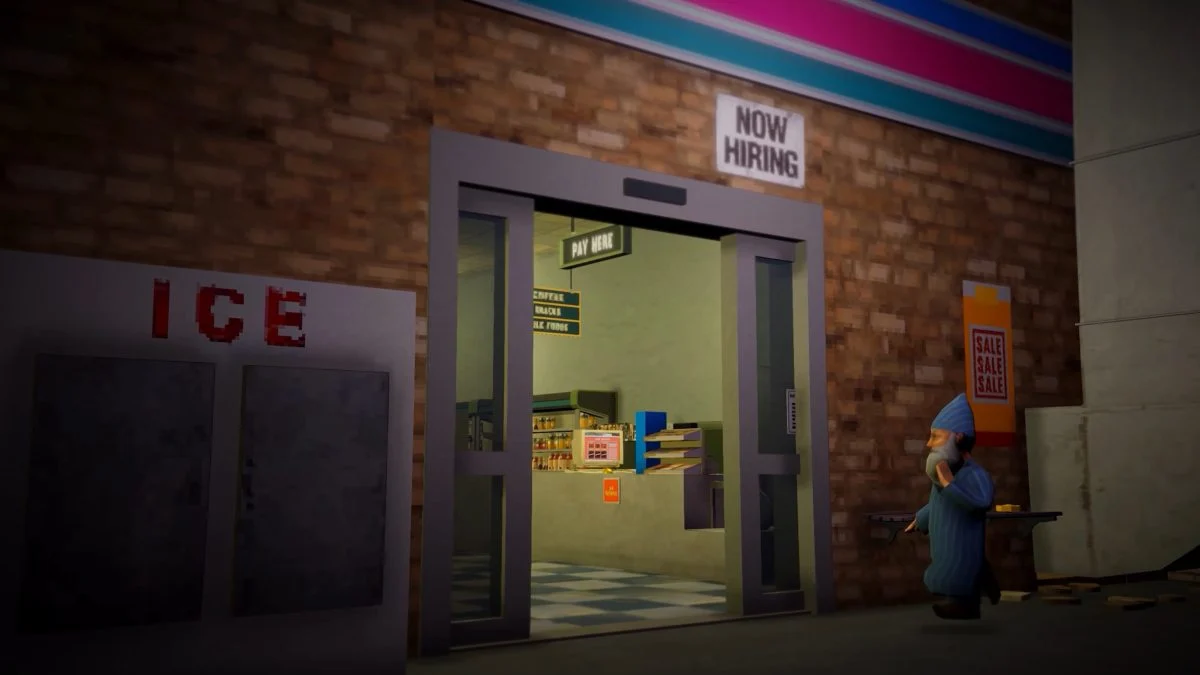
The digital landscape of "Shift at Midnight," a simulation game known for its escalating challenges and surreal twists, has been abuzz with the peculiar phenomenon of Norbert. Initially presenting as a seemingly innocuous character, Norbert gradually transforms into the game’s most disruptive force, embodying the escalating madness that defines the player experience. This article delves into the intricate nature of Norbert, his disruptive behaviors, and the strategic implications of his presence within the game’s mechanics, offering a comprehensive understanding of this unique antagonist.
The Genesis of Chaos: Norbert’s Emergence in "Shift at Midnight"
"Shift at Midnight" plunges players into the role of a convenience store clerk working the graveyard shift, a seemingly mundane task that rapidly devolves into a test of nerves and decision-making. The game’s core loop involves serving customers, managing inventory, and ensuring the smooth operation of the store. However, the game’s narrative design introduces an escalating series of anomalies and supernatural events, culminating in the appearance of doppelgangers and other entities that challenge the player’s perception of reality. It is within this unfolding chaos that Norbert emerges, not as a typical doppelganger, but as a catalyst for a unique brand of pandemonium.
The introduction of overtly obvious doppelgangers marks a significant turning point in "Shift at Midnight," signaling a departure from grounded simulation towards a more surreal and challenging gameplay experience. These entities, designed to mimic regular customers but possessing sinister intentions, force players to develop keen observational skills and make critical judgments under pressure. Amidst this escalating threat, Norbert stands out, not by conforming to the doppelganger archetype, but by subverting it entirely. He is the architect of much of the game’s unpredictability, a character whose presence fundamentally alters the player’s objectives and survival strategies.
Norbert’s Identity and Disruptive Modus Operandi
Norbert’s character is deliberately shrouded in ambiguity, yet his actions and behavioral patterns strongly suggest a doppelganger-like nature, albeit one that operates outside the established rules. He is a recurring figure in both the game’s Story Mode, where narrative progression is paramount, and Endless Mode, which focuses on sustained survival and high scores. His primary objective appears to be the deliberate disruption of the player’s run, employing an array of creative and often absurd methods to undermine the store’s operations and the player’s success.
The telltale signs of Norbert’s unconventional doppelganger status are evident from his initial appearances. His behavior deviates sharply from that of genuine customers. Upon introduction, he exhibits peculiar mannerisms and, crucially, positions himself behind the store’s counter as if he were an employee, a clear violation of typical customer protocol. Furthermore, Norbert consistently evades direct questioning, offering no verbal responses to player inquiries. This reticence is compounded by his absence from the game’s internal NET Database, a system designed to catalog and identify individuals, despite him possessing what appears to be a valid identification. This deliberate obfuscation of his identity is a key element of his disruptive strategy.
The game mechanics present Norbert as an ultimate doppelganger test. Unlike the standard doppelgangers, which, upon being identified and eliminated by the player, trigger the arrival of one of the game’s five designated entity types at the end of the shift, confronting and harming Norbert yields a different outcome. Instead of a predictable entity spawn, such actions initiate a cascade of unpredictable chaos, turning the gameplay environment into a volatile and unpredictable space. This distinction is critical for players seeking to understand and navigate the game’s more complex challenges.
Norbert’s disruptive activities are not confined to a single encounter. He reappears throughout subsequent shifts, persistently devising new strategies to sabotage the player’s store. These tactics range from attempts to tarnish the store’s reputation to directly diminishing the player’s potential bonuses. His methods are as varied as they are audacious. He has been observed riding a motorcycle through the store, a surreal image that underscores the game’s descent into absurdity. In another instance, he operates a lemonade stand, which he conspicuously lacks a permit for, potentially poisoning customers or the player with his concoction. His disguises as a regular customer are also a recurring threat, detectable only through the use of the in-game Scanner, forcing players to remain vigilant and employ all available tools.
The game’s design emphasizes that any form of harm inflicted upon Norbert compels him to escalate his actions. This often manifests as attempts to manipulate the player into harming innocent customers or directly attacking the player themselves. He is characterized as an "unkillable maniacally laughing force of nature," a descriptor that highlights his resilience and the sheer futility of attempting to permanently neutralize him through conventional means. This unkillable nature is a core element of his design, pushing players to think beyond direct confrontation.
Strategic Implications: Norbert and the Path to the True Ending
The presence of Norbert introduces a significant strategic layer to "Shift at Midnight," particularly for players aiming for specific game endings. For content creators or players who thrive on high-octane chaos and unpredictable gameplay, Norbert’s elimination is often the preferred course of action. His predictable reaction to aggression—unleashing widespread disruption—provides ample material for entertaining gameplay streams and adds an element of thrilling unpredictability to each playthrough.
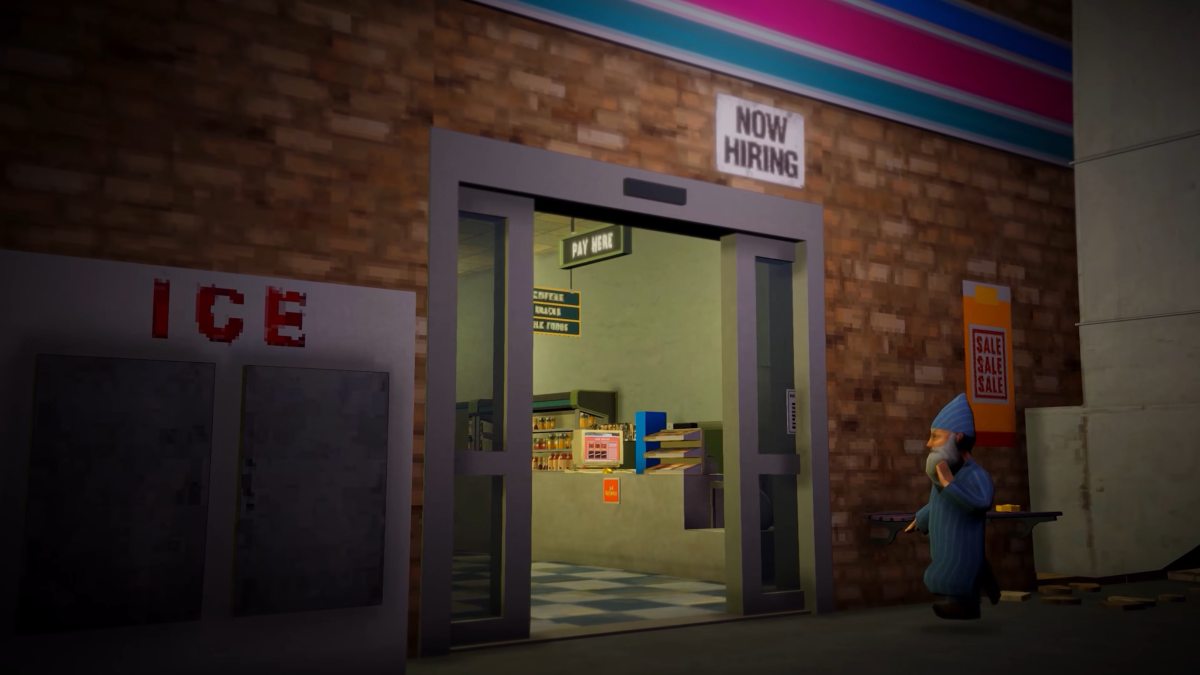
However, for players striving to achieve the coveted "True Ending," a more nuanced approach to Norbert is required. This path necessitates a different interaction: serving Norbert when he first appears and choosing to spare his life. This seemingly counterintuitive decision, which involves completing his transaction and allowing him to depart without incident, is presented as a crucial step that contributes to the player’s long-term progress and eventual success in uncovering the game’s deeper narrative. The implication is that by de-escalating the situation with Norbert, players unlock pathways or gather information that is essential for reaching the ultimate conclusion of the game. This strategic divergence highlights the game’s design philosophy, which rewards careful observation and calculated decision-making over brute force.
Background Context and Game Design Philosophy
"Shift at Midnight" distinguishes itself within the simulation genre by its deliberate incorporation of surreal and horror elements. Games like "Papers, Please" and "Do Not Feed the Animals" have explored the mundane with underlying existential dread or moral quandaries. "Shift at Midnight" builds upon this by introducing overtly supernatural threats and absurdist humor, creating a unique blend that appeals to players seeking experiences beyond typical genre conventions.
The introduction of doppelgangers, a classic horror trope, is a significant design choice. In many narratives, doppelgangers represent themes of identity crisis, paranoia, and the uncanny. In "Shift at Midnight," they serve as tangible manifestations of the escalating breakdown of order within the store. Norbert, however, transcends this established trope. His non-standard behavior and unkillable nature suggest a deeper narrative purpose, possibly hinting at a meta-commentary on the game’s own mechanics or the player’s role within the simulated reality.
The game’s progression can be loosely mapped against a timeline of increasing anomaly. Early shifts might focus on standard customer service and minor inconveniences. As players progress, the appearance of suspicious individuals, followed by clearly identifiable doppelgangers, marks a clear escalation. Norbert’s introduction often coincides with this more chaotic phase, serving as a pivotal point where the game’s challenges become less about managing a store and more about navigating a surreal, often hostile, environment.
Analysis of Norbert’s Impact
Norbert’s character serves multiple functions within the game’s ecosystem. From a gameplay perspective, he introduces a dynamic element of unpredictability that prevents the experience from becoming stale. His random appearances and disruptive actions force players to adapt their strategies on the fly, enhancing replayability. His unique interaction mechanics also create a branching path for player progression, directly influencing the narrative outcome.
From a narrative standpoint, Norbert embodies the game’s descent into madness. He is not a typical antagonist with a clear motive or a defeatable form. Instead, he represents an inherent, almost existential, force of chaos within the game world. His unkillable nature suggests that true resolution may lie not in his destruction, but in understanding and managing his presence. This philosophical undercurrent adds depth to the game, prompting players to consider the nature of order, chaos, and their own agency within a simulated reality.
The implications of Norbert’s existence extend to how players engage with the game’s systems. The decision to either confront him and embrace the ensuing chaos or to patiently serve him and unlock a more favorable path is a core gameplay dilemma. This choice reflects a broader theme in many games where aggressive or immediate solutions can have unintended negative consequences, while patience and strategic foresight lead to greater rewards.
Future Considerations and Player Engagement
As "Shift at Midnight" continues to be explored by its player base, discussions surrounding Norbert’s precise role and the full extent of his impact on the game’s narrative are likely to persist. Theories abound regarding his origins and his connection to the other entities within the game. Some players speculate that Norbert might be a manifestation of the store’s own inherent instability, or perhaps a guardian of sorts, testing the player’s resolve and moral compass.
The game’s developers have, through Norbert’s design, created a character that is both a source of frustration and a key to unlocking deeper layers of the game. His presence ensures that "Shift at Midnight" remains a compelling and unpredictable experience, a testament to innovative game design that challenges player expectations and encourages strategic thinking. Understanding Norbert is not just about surviving the shift; it is about mastering the escalating chaos and deciphering the hidden pathways to the game’s ultimate secrets.