


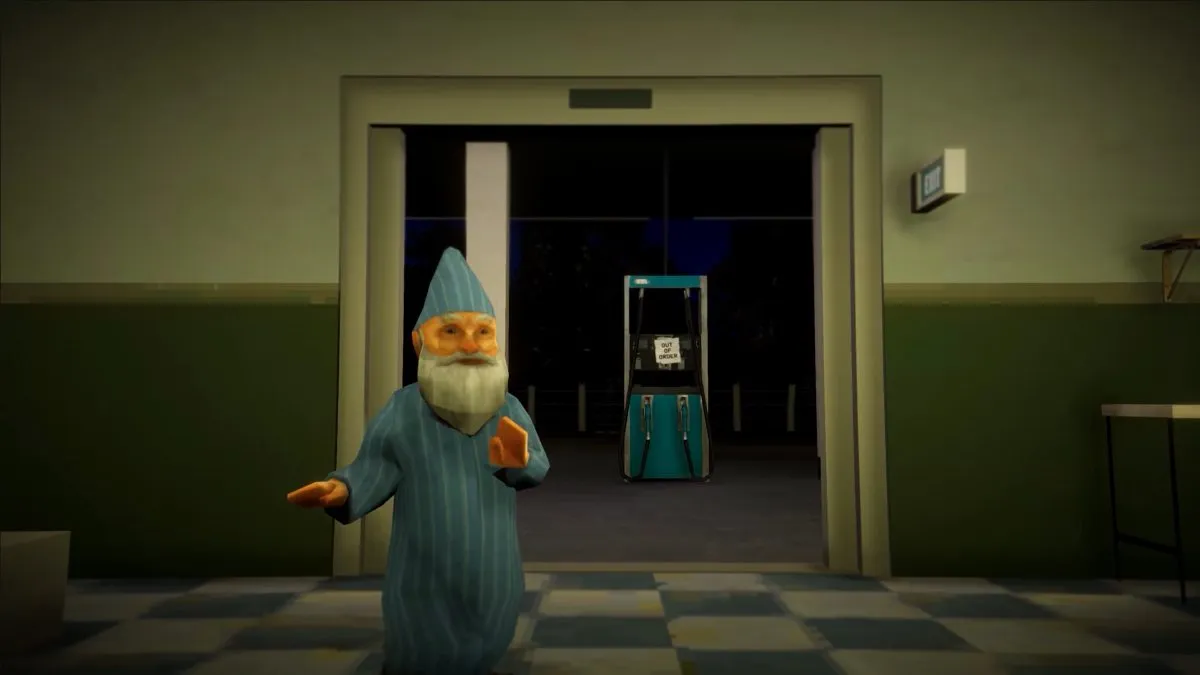
The neon glow of a 24-hour convenience store belies the profound existential threats lurking within its aisles in the indie horror game Shift at Midnight. Players are thrust into a nightmarish retail environment where the mundane task of stocking shelves is overshadowed by a desperate struggle for survival against doppelgangers, monstrous entities, and the ever-present pressure of maintaining a spotless store. All these harrowing experiences, often punctuated by the surprisingly hefty medical bills for a beloved pet, serve as the backdrop to a narrative that culminates in a series of distinct endings, each hinging on a critical player decision and financial accumulation.
Shift at Midnight, developed by Bun Muen, presents a unique blend of survival horror and retail simulation. The game’s premise revolves around the player character working the late shift at a convenience store, a scenario that, for some, might eerily echo their own experiences in the often-underappreciated world of customer service. "It’s a supermarket simulator not too dissimilar from my four years in retail," remarked one player on a gaming forum, highlighting the game’s relatable yet exaggerated portrayal of the industry. The core objective, however, transcends mere profit margins; it’s a race against time to accumulate sufficient funds to cover a pet’s escalating medical expenses, culminating in a critical surgery required by the thirteenth night.
The Mechanics of Survival and Salvation
The gameplay loop in Shift at Midnight involves a nightly cycle of managing store operations while fending off supernatural threats. Players earn a daily wage of $10, augmented by a 10% commission on store revenue if sales quotas are met. This income is crucial, as it directly contributes to the mounting medical bills for the player’s ailing pet. Beyond the daily earnings, players can utilize store revenue to purchase essential tools and weaponry, ranging from practical bear traps and wooden planks to more explosive options like grenades, all necessary to combat the varied threats that emerge after closing hours.
The escalating medical costs represent a significant narrative and gameplay hurdle. While the game introduces players to an array of fantastical dangers, including doppelgangers that mimic human patrons and grotesque monsters, the financial strain of veterinary care is presented as the most "unrealistic" aspect by some players. This financial pressure is intentionally designed to drive the player’s decision-making in the endgame, shaping the ultimate outcome of the narrative.
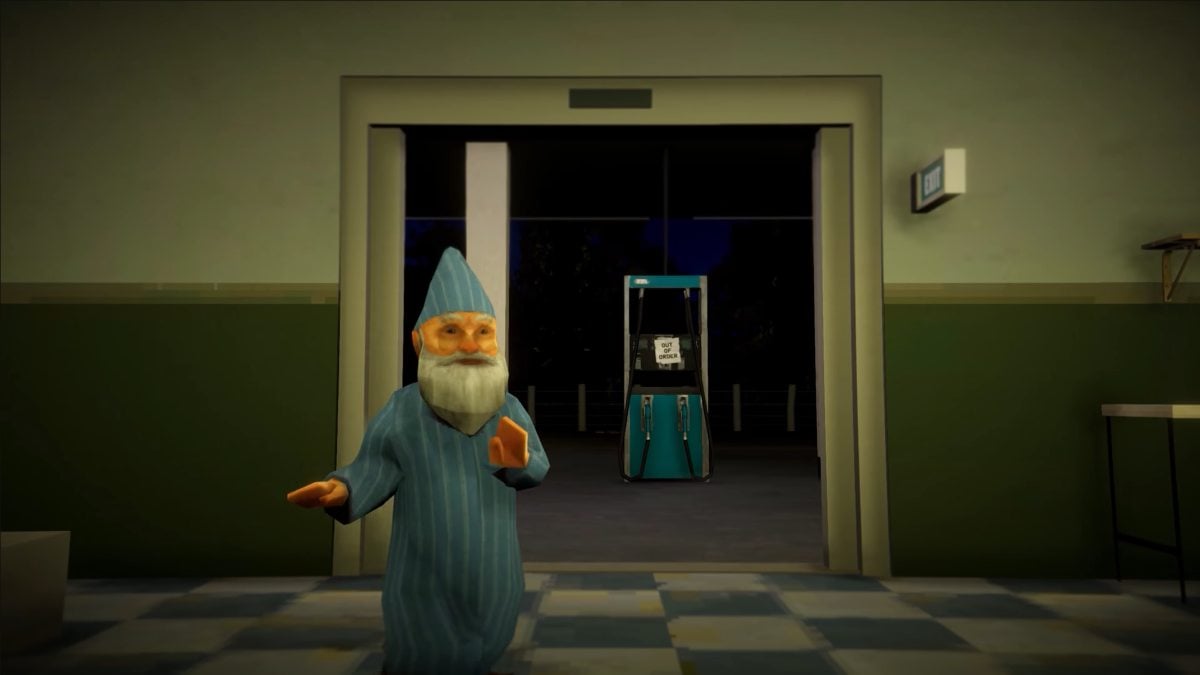
Unraveling the Endings: A Path to Resolution
Shift at Midnight offers multiple narrative conclusions, determined by two primary factors: the player’s accumulated wealth by the end of the thirteenth shift and a pivotal choice made on the twelfth night. This choice directly impacts the fate of the player’s pet and a key non-player character, Sheriff Clyde.
The Grave Decision: A Sheriff’s Sacrifice
On the twelfth night, after completing the shift, players are presented with the option to contact Sheriff Clyde. This decision becomes particularly poignant if the player has not accrued the necessary $250 for their pet’s surgery. Opting to call Clyde in this scenario triggers his arrival at the store. The narrative unfolds to reveal that Sheriff Clyde, in his attempt to assist, tragically loses his life during the encounter with the store’s paranormal inhabitants. However, his sacrifice ensures that the pet’s surgery is covered, and the animal survives. This outcome represents a somber victory, where the player’s pet is saved at the cost of a valuable ally. The implication here is a stark trade-off: the preservation of a beloved companion at the expense of human life, a decision that carries significant emotional weight within the game’s narrative.
The Empty Home: A Solitary Fate
Conversely, choosing not to call Sheriff Clyde on the twelfth night, coupled with a failure to amass the required $250 for the pet’s surgery, leads to the "Empty Home" ending. In this scenario, Sheriff Clyde’s life is spared as he never visits the store on the fateful thirteenth night. However, the pet succumbs to its illness, unable to undergo the life-saving operation. This ending paints a bleak picture of loss, where the player’s financial shortcomings result in the death of their pet, leaving the player to face the consequences alone in a now empty, quiet home. The survival of Sheriff Clyde, while a positive event in isolation, offers little solace in the face of this profound personal tragedy. This outcome underscores the direct consequences of financial unpreparedness within the game’s universe.
The True Ending: A Harmonious Resolution
The most desirable outcome, the "True Ending," requires a delicate balance of financial prudence and moral fortitude. To achieve this, players must refrain from calling Sheriff Clyde on the twelfth night, thus ensuring his survival. Simultaneously, the player must diligently work to accumulate the $250 needed for the pet’s surgery by the end of the thirteenth shift.
Achieving this financially requires a mastery of the game’s retail simulation elements. Success hinges on maintaining customer satisfaction by diligently cleaning the store, replenishing shelves, and thoughtfully decorating the shop floor. Furthermore, players are incentivized to complete specific tasks assigned by the Store Manager, such as apprehending shoplifters or clearing out any environmental hazards in the vicinity, like the "forest out back." These objectives not only contribute to the store’s overall success but also provide crucial bonuses that can tip the financial scales in the player’s favor.
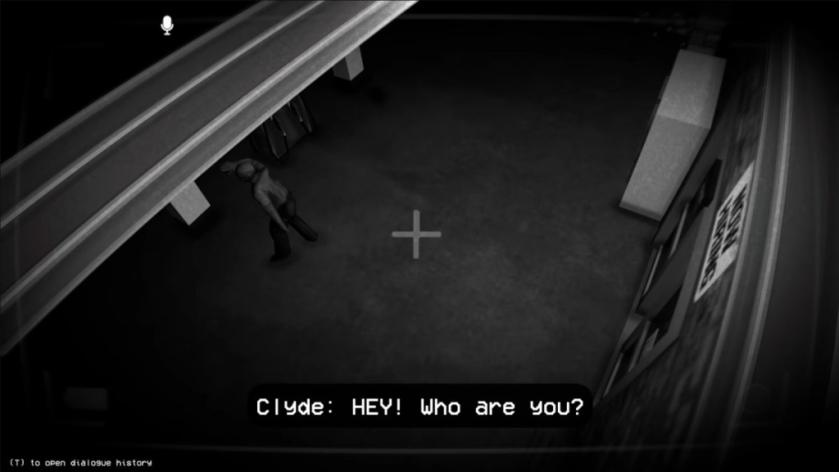
A critical aspect of maximizing earnings is understanding the impact of player actions on their wages. The game penalizes players for engaging in violence against human patrons, specifically by docking their pay at the end of each shift. This mechanic encourages a strategic approach to conflict resolution, prioritizing non-lethal or defensive measures against genuine threats while avoiding unnecessary harm to innocent customers. Successfully navigating these challenges ensures the player not only meets the financial target but also maintains a clean record, leading to a more substantial payslip each night.
The culmination of these efforts results in an ending where both Sheriff Clyde and the player’s pet survive. This harmonious resolution signifies the player’s ability to overcome the game’s challenges through a combination of resourcefulness, strategic decision-making, and adherence to the game’s moral framework. It is a testament to the player’s capacity to manage the immediate threats while simultaneously planning for the long-term well-being of their companion.
Broader Implications and Player Strategies
The multiple endings in Shift at Midnight serve not only as narrative conclusions but also as critical gameplay objectives that reward specific player strategies. The game subtly critiques the pressures of modern life, where financial burdens can intersect with personal responsibilities and even endanger lives. The "unrealistic" medical bills, while a game mechanic, can be seen as a hyperbolic representation of real-world healthcare anxieties.
The game’s design encourages players to meticulously plan their finances and prioritize tasks. The daily wage, coupled with revenue bonuses, forms a tangible progression system directly tied to the emotional core of the narrative – the pet’s survival. The choice on night twelve, therefore, becomes a significant narrative crossroads, forcing players to confront the potential consequences of their financial preparedness.
Furthermore, the game’s structure, with its 13-shift narrative arc, provides a clear timeline for players to follow. The warning about the pet’s surgery after the tenth shift serves as a crucial cue, prompting players to assess their financial standing and adjust their strategies accordingly. This forewarning allows for a more deliberate approach to achieving the desired ending, rather than a reactive one.
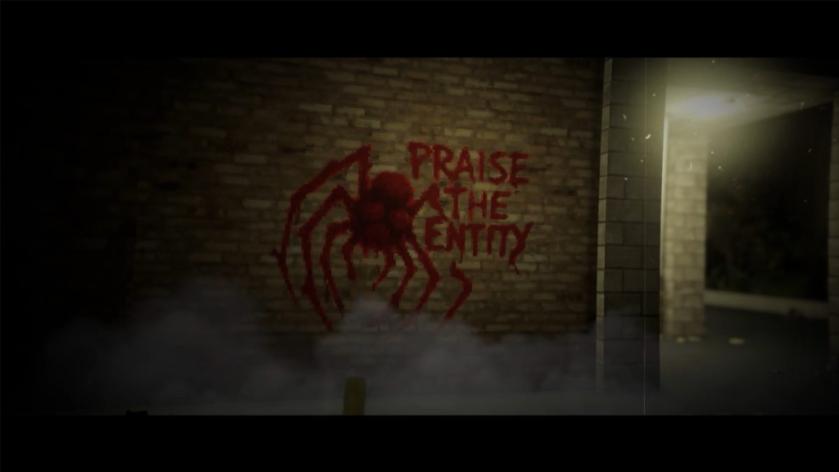
Player discussions on gaming forums often revolve around optimal strategies for maximizing income, managing threats, and navigating the delicate balance required for the "True Ending." Tips frequently shared include prioritizing store cleanliness and customer satisfaction to boost revenue, carefully managing ammunition and defensive tools, and understanding which in-game events offer the most significant financial or strategic advantages. The penalty for shooting humans is a recurring point of discussion, emphasizing the game’s inclination towards strategic problem-solving over brute force.
The existence of these multiple endings fosters replayability and encourages players to explore different approaches to the game’s challenges. Whether aiming for the bittersweet survival of the pet through sacrifice, the somber loss of a companion, or the triumphant achievement of saving both, Shift at Midnight offers a compelling and thought-provoking experience within the often-unconventional landscape of horror gaming. The game’s ability to weave together elements of survival, simulation, and narrative consequence into a cohesive and engaging experience has solidified its place as a noteworthy title within the indie game community.