


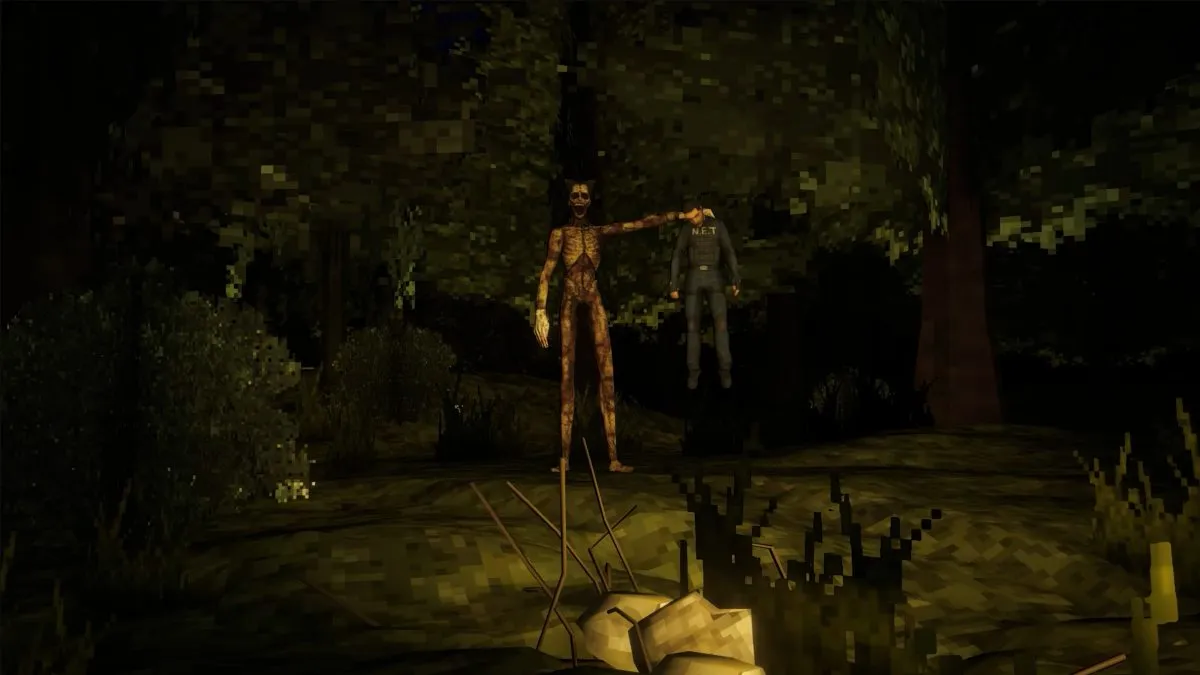
The unsettling reality of "Shift at Midnight" immerses players in a chilling scenario where the mundane act of working a night shift at a convenience store becomes a desperate battle for survival. The core of this struggle lies in identifying and neutralizing doppelgangers, insidious entities that masquerade as ordinary customers but harbor sinister intentions. Failure to properly vet each individual entering the store can lead to dire consequences, transforming a routine night into a terrifying onslaught of monstrous beings. This guide delves into the critical mechanics of doppelganger detection, the terrifying bestiary of entities, and the strategies necessary for survival in the increasingly hostile environment of "Shift at Midnight."
The Pervasive Threat: Understanding Doppelgangers
Doppelgangers in "Shift at Midnight" are not merely mistaken identities; they are deliberate infiltrators, designed to sow chaos and facilitate the invasion of more powerful supernatural forces. Their primary objective is to gain entry into the store, and their methods of deception are as varied as the customers they mimic. Recognizing these impostors is the first and most crucial line of defense.
Initial indicators of a doppelganger can range from the overtly bizarre to the subtly incongruous. The game presents scenarios where individuals exhibit behaviors far removed from normal human conduct, such as the reported instances of a "well-mannered bear" or a "naked man rolling between the aisles." These outlandish occurrences serve as immediate red flags, signaling that a standard customer interaction has deviated into the realm of the paranormal.
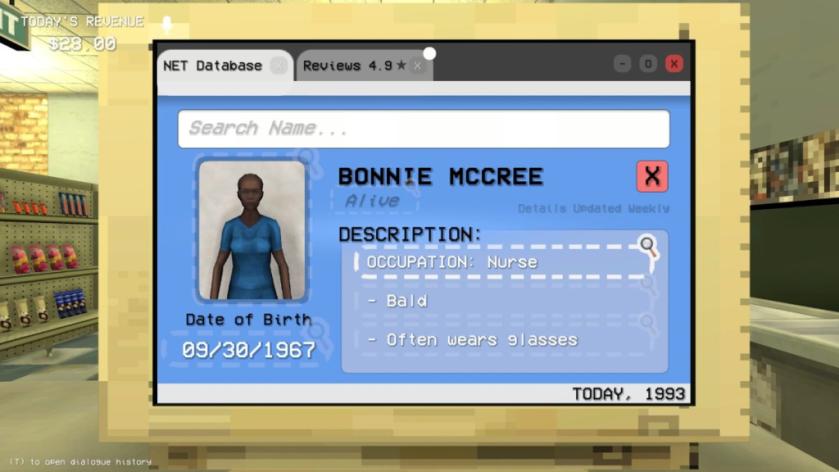
Beyond these theatrical displays, more insidious clues require a keen eye and a methodical approach. A fundamental method of identification involves scrutinizing identification documents. Doppelgangers may present identification that mismatches their physical appearance, most notably a discrepancy in skin color compared to the photograph or description on their ID. Furthermore, the chilling confirmation that a customer is, in fact, deceased, as indicated by official records, is an undeniable sign of an imposter.
Players are encouraged to engage in a rigorous questioning process, probing potential doppelgangers about their date of birth, occupation, and physical characteristics. Cross-referencing these answers with the information provided on their identification is paramount. A legitimate identification card typically features a barcode, a verifiable security feature that can be checked against internal databases. In situations where customers are reluctant to surrender their identification, players may find themselves in possession of documents from drivers who have already been apprehended or neutralized, providing a potential source for cross-referencing.
The game draws parallels to similar survival horror experiences, such as "That’s Not My Neighbor," in its emphasis on subtle discrepancies. These can include minor variations in physical appearance, such as a scar being present on the opposite side of the face from what is depicted on an ID. Inconsistencies in a customer’s verbal responses also serve as critical indicators. A doppelganger may inadvertently reveal their fraudulent nature by making incorrect claims about their appearance or employment that directly contradict the information on their presented identification.
The strategic implication of failing to identify a doppelganger cannot be overstated. Allowing a doppelganger to enter the store or to escape detection is not merely a missed opportunity for a successful shift; it actively invites them back in a more dangerous, transformed state. These spared doppelgangers will return as formidable entities, bolstering the strength and numbers of any monsters that subsequently attack the player’s workplace. The dynamic nature of the game, with its randomly generated shifts, ensures that the roster of doppelgangers is in constant flux. Customers who were successfully identified and dealt with may be replaced by new threats, and previously spared individuals, whether human or fake, can reappear on subsequent nights with their threat level potentially escalating.
The Menagerie of Mayhem: Understanding the Entities
The true terror of "Shift at Midnight" escalates with the introduction of "Entities," supernatural beings that manifest to hunt the player. These creatures can appear at any point during a shift, either at its commencement or at unexpected moments. The game features a core set of five primary monster variants, each possessing distinct characteristics, behavioral patterns, and specific countermeasures that players must learn to exploit for survival.
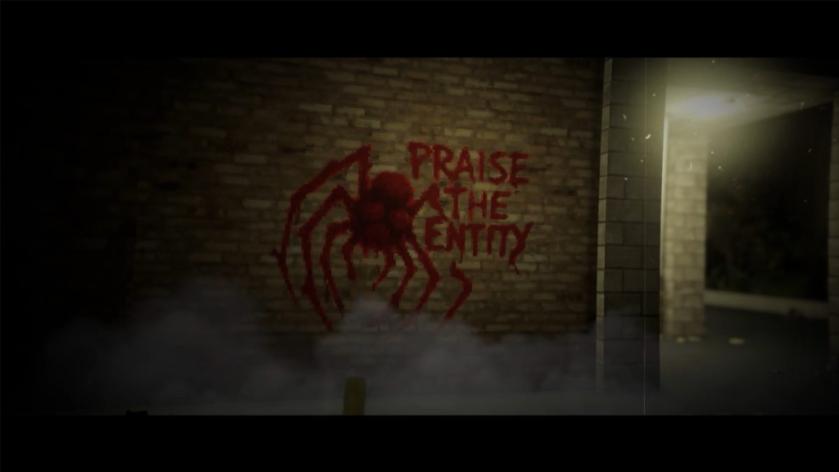
The overarching antagonist, referred to as "The Entity," is a grotesque spider-like creature that sprouts multiple limbs from a humanoid torso and is capable of spinning webs. Its appearances are often tied to specific in-game events, such as hunts or the dreaded "Blood Moon." The presence of The Entity can be amplified if players have previously allowed doppelgangers to slip through their defenses, leading to the spawn of additional, potentially variant forms of this monstrous entity.
Beyond The Entity, players must contend with a diverse array of other supernatural threats:
- Shrieking Doll: This diminutive entity crawls across the floor, posing a close-quarters threat. Its small size and ground-level movement necessitate rapid reflexes and the use of traps or melee weapons for effective neutralization.
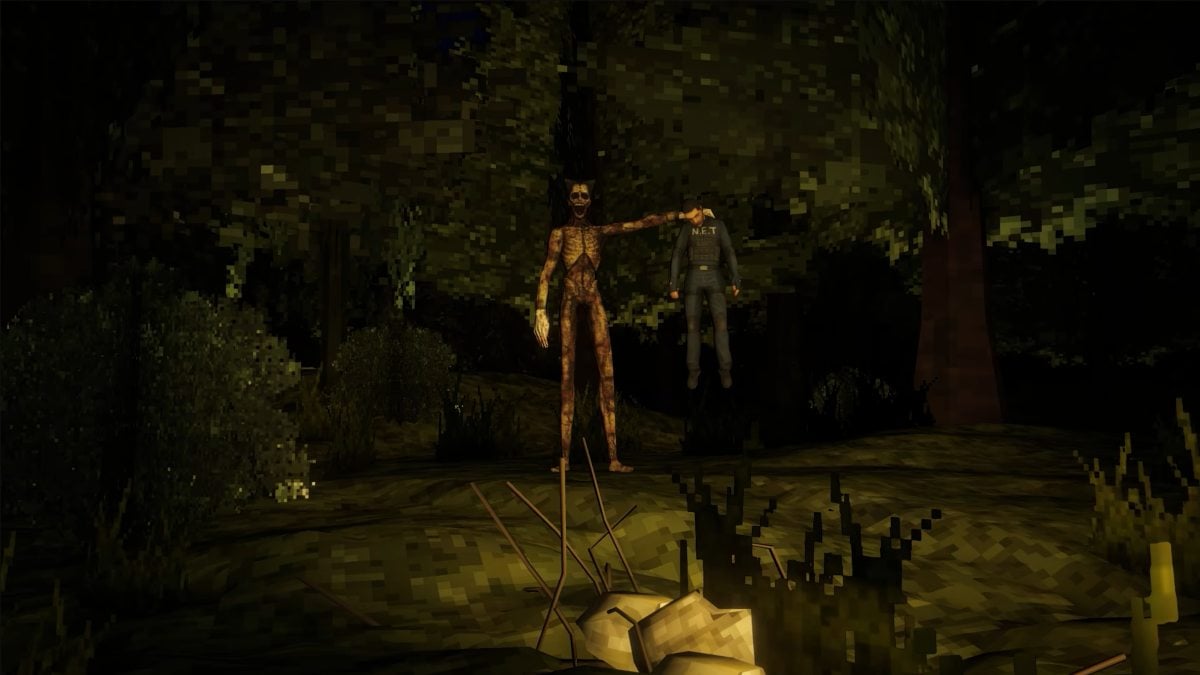
- Demented: Characterized by its unnaturally long limbs, the Demented entity exhibits extreme speed when not directly observed. This behavior mirrors iconic figures from other survival horror titles, such as the Coil Head in "Lethal Company" or SCP-173 in "SCP: Containment Breach." The counter-strategy involves maintaining constant visual contact; looking away allows the creature to advance, while direct observation freezes it in place, enabling players to lure it into traps or strategically reposition.
- Marionette: This spectral figure appears as a cloaked entity that floats. Its unique mechanic involves a sound-based trigger. Players must locate and rewind a music box situated on the shop floor. If the music box completes its tune for the third time without intervention, the Marionette will manifest, initiating an attack.
- The Dentist: Resembling a corpse that can appear in the break room, The Dentist is a stalking predator with a particular affinity for the surrounding forest and the bus that waits at the end of a shift. Direct confrontation is ill-advised. Players are instructed to run, avoid using open microphones to prevent its detection, and refrain from looking back until the entity abandons its pursuit.
- Camouflage: This elusive entity possesses the ability to blend seamlessly with the environment, specifically camouflaging itself as a wall within the stockroom. While its appearance is startling, typically resulting in a jumpscare, it does not inflict health damage. Players can eliminate the Camouflage entity by shooting or striking it.
The Menace of the Blood Moon and Its Aftermath
The advent of a "Blood Moon" in "Shift at Midnight" signifies a critical escalation of the game’s threat level. A Blood Moon guarantees that entities will spawn in greater numbers and with increased aggression after the standard shift concludes. Venturing outside the relative safety of the store during a Blood Moon is virtually a guarantee of encountering one of these post-shift supernatural events. Each entity adheres to a specific set of rules and behavioral patterns that players must internalize to survive. Crucially, the game provides on-screen instructions when an entity spawns, offering vital clues for immediate survival.

Proactive players can glean essential intelligence before their shifts begin. Thoroughly reading any notes left on the counter and checking in-game emails for new entity entries can provide a vital strategic advantage. This foreknowledge allows players to anticipate potential threats and prepare accordingly, significantly increasing their chances of surviving the night.
Transforming Threats: Dealing with Doppelgangers Turned Entities
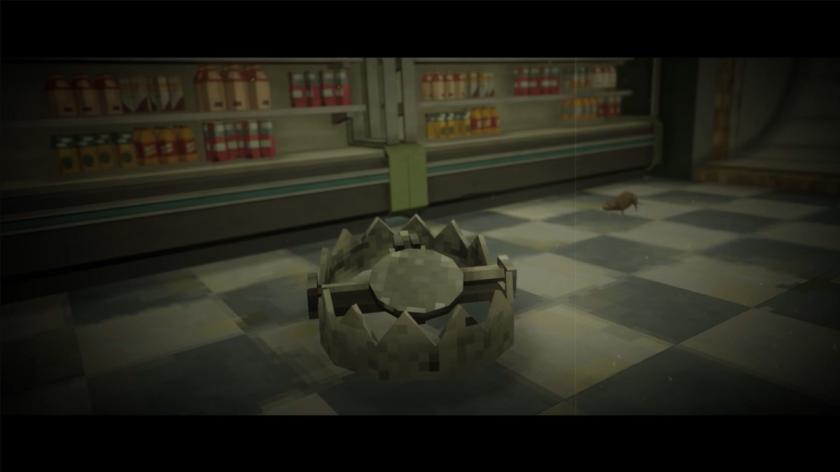
The most perilous situation arises when a doppelganger, if not apprehended during the shift, transforms into a full-fledged entity once the player begins to lock up. This transition triggers a desperate 60-second countdown. During this brief window, players must rapidly arm themselves, barricade the store’s entrances, and strategically deploy traps throughout the premises.
The primary method of defense involves barricading the three main doors and reinforcing them with wooden planks, a process initiated by the "E" key. Once the 60-second timer expires, the entities will begin to spawn. The initial survival strategy is to find a hiding spot and remain concealed until the Weapons Arsenal is unlocked, providing the necessary firepower to engage the attackers.
Available hiding spots include ventilation shafts located in the stockroom and the main shop area. However, these sanctuaries are not impregnable. A grotesque mass resembling innards will descend through the shafts, inflicting damage and forcing the player out into the open, thus resuming the chase.
Navigating the Hunt: The Entity’s Pursuit Mechanics
When being pursued by The Entity, players must pay close attention to a "patience bar" displayed at the top of the screen. This bar functions as a health indicator for The Entity and simultaneously acts as a timer, signaling how long it will actively search for the player. An "eye" icon on the screen fills up when the player is within The Entity’s line of sight. If this eye turns red, The Entity will initiate a direct pursuit.
Players can reset this pursuit meter by quickly finding cover. However, audio cues are equally critical. Excessive noise, whether generated through in-game footsteps or voice communication via microphone, will alert The Entity to the player’s presence.
The Weapons Arsenal becomes accessible once the player has progressed to the halfway point on the patience bar. While firearms offer a means of defense, their initial damage output is relatively low. To acquire more potent weaponry, players must utilize the "EMERGENCY WEAPONS ARSENAL," which requires prior purchase of upgrades via the in-game computer. This is particularly vital if multiple entities spawn simultaneously, a common occurrence when players have failed to eliminate doppelgangers during their shifts.
Regardless of whether The Entity’s health bar is depleted through evasion or direct engagement, it typically does not result in its permanent destruction. Instead, the entity will retreat, only to return on subsequent nights, potentially with increased strength and resilience. The severity of these future encounters is directly proportional to the number of doppelgangers that were allowed to escape during previous shifts, underscoring the paramount importance of diligent identification and neutralization.
Broader Implications and Player Analysis
The gameplay loop of "Shift at Midnight" centers on a high-stakes cycle of identification, defense, and survival. The game’s mechanics effectively create a sense of pervasive dread, where every interaction carries the potential for catastrophic failure. The random generation of threats ensures that no two shifts are identical, demanding constant adaptation and quick thinking from players.
The reliance on observation, deduction, and rapid response positions "Shift at Midnight" as a test of player acuity. The subtle clues and behavioral tells of doppelgangers, combined with the distinct attack patterns of the entities, require players to develop a deep understanding of the game’s rules and its supernatural inhabitants.
From a game design perspective, the escalating threat level, driven by the consequences of missed identifications, creates a compelling feedback loop. Players are incentivized to become more vigilant with each passing night, as the cost of error becomes increasingly severe. The introduction of the Blood Moon and the post-shift entity spawns serve as climactic challenges, pushing players to their limits and rewarding mastery of the game’s intricate systems. The game’s narrative, though implicitly told through its mechanics and environmental details, hints at a larger, ongoing supernatural conflict, leaving players to ponder the origins and ultimate goals of these relentless entities.