


The Genesis of the Rumor: A Strategic Reconsideration
The rumor gained traction during a recent episode of "The Xbox Two" podcast, where well-regarded industry reporter Jez Corden discussed the future placement of the Call of Duty franchise within Microsoft’s subscription model. Corden mused aloud about the possibility of Xbox not launching Call of Duty 2026 day one on Game Pass, subsequently reinforcing this by stating he had heard such a move "is a possibility." His exact words, "It’ll be interesting to see… if they take Call of Duty out of Game Pass this year – which is a possibility from what I’ve heard – I think it’ll reveal some of the cracks in the strategy [with Game Pass] possibly," underscore the weight of this potential decision. While Corden offered no further elaboration, the mere suggestion from a credible source has ignited considerable discussion within the gaming community and among industry analysts, scrutinizing the implications for both Microsoft’s Game Pass strategy and the Call of Duty franchise’s future monetization. This contemplation, occurring during a segment not directly focused on Call of Duty’s Game Pass status, lends an additional layer of intrigue, suggesting a broader internal discussion at Microsoft regarding its content distribution strategy.
Xbox Game Pass: A Pillar of Microsoft’s Gaming Strategy
To understand the magnitude of this potential shift, it is essential to contextualize Xbox Game Pass’s role in Microsoft’s broader gaming vision. Launched in June 2017, Game Pass rapidly evolved from a niche offering to a central pillar of the Xbox ecosystem. For a monthly subscription fee, Game Pass offers subscribers access to a rotating library of hundreds of games, including all first-party Xbox titles on day one. This model has been instrumental in Microsoft’s efforts to differentiate itself from competitors and expand its player base beyond traditional console sales. The strategic rationale behind day-one releases on Game Pass is multifaceted: it drives subscriber acquisition and retention, increases the perceived value of the subscription, and fosters a robust gaming community. Microsoft has consistently touted Game Pass as a key driver of its gaming revenue and a strategic asset in its long-term growth ambitions.
The acquisition of Activision Blizzard for an astounding $69 billion, finalized in October 2023, was predicated in large part on bringing the colossal Call of Duty franchise under Microsoft’s first-party umbrella. This monumental deal was widely expected to culminate in Call of Duty titles becoming day-one Game Pass offerings, a prospect that fueled much of the regulatory scrutiny and industry excitement surrounding the acquisition. Indeed, the first fruits of this acquisition saw Call of Duty: Black Ops 6, released in 2024, and its successor, Black Ops 7 in 2025, both launching day one on Xbox Game Pass. These initial inclusions cemented the expectation that all future Call of Duty mainline entries would follow suit, reinforcing Game Pass’s value proposition and leveraging the franchise’s immense popularity to attract new subscribers. A deviation from this established pattern would therefore represent a significant policy change, prompting questions about the underlying economic and strategic considerations at play.
Performance Metrics and Economic Considerations
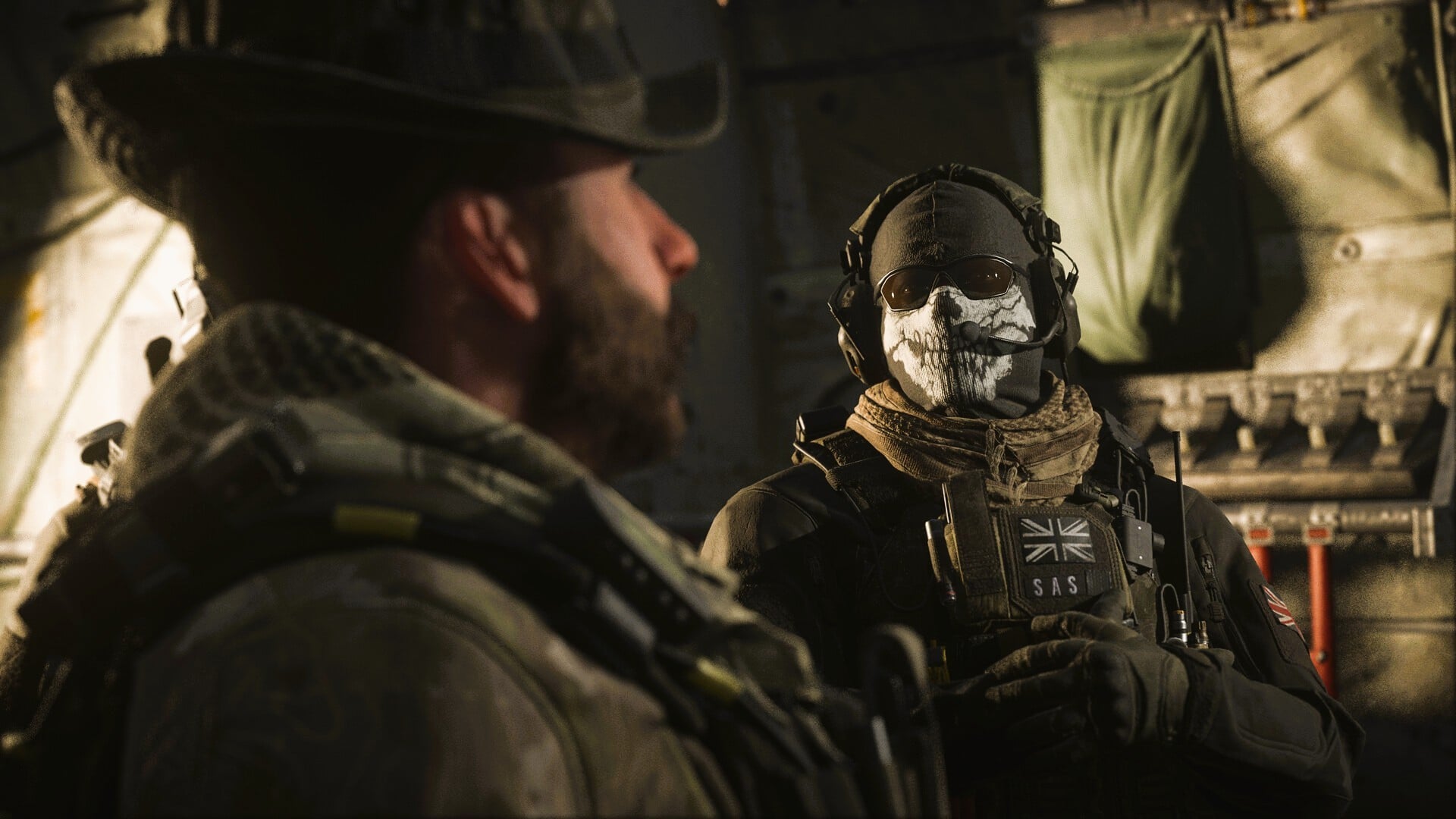
The potential reversal of the day-one Game Pass strategy for Call of Duty 2026 is not occurring in a vacuum. It follows reported challenges with recent installments in the franchise. Specifically, Call of Duty: Black Ops 7, released in 2025, reportedly underperformed in comparison to the previous year’s Call of Duty game, with "sales and players down massively." While specific, audited sales figures are rarely made public by Activision or Microsoft, industry analysis and aggregate player data often provide strong indicators of commercial performance. A substantial decline in traditional sales, even with the mitigating factor of Game Pass inclusion, would undoubtedly prompt a re-evaluation of the current distribution model.
The economics of Game Pass for AAA titles like Call of Duty are complex. While day-one inclusion drives Game Pass subscriptions, it also inherently carries a risk of cannibalizing full-price game sales. For a franchise that historically generates billions in revenue through premium game sales and extensive microtransactions (such as battle passes, cosmetic bundles, and season passes), balancing subscription revenue with traditional retail sales is a delicate act. If the Game Pass subscriber growth and engagement generated by a day-one Call of Duty release do not sufficiently offset the decline in direct game purchases, the financial calculus could shift, making a premium release outside of the day-one Game Pass model more attractive.
Activision’s financial performance prior to the Microsoft acquisition provided a clear picture of a company heavily reliant on these premium sales. Call of Duty titles consistently ranked among the best-selling games annually, often generating hundreds of millions, if not billions, in revenue within weeks of launch. Transitioning this behemoth directly into a subscription service without a clear path to maintain or grow overall revenue streams is a significant financial undertaking for Microsoft. The company must carefully weigh the cost of licensing the game for Game Pass (or the internal accounting cost for a first-party title) against the revenue generated from new subscriptions, renewals, and the ongoing monetization of the game through in-game purchases, which are still accessible to Game Pass players.
Activision’s Evolving Development Strategy and Franchise Health
Adding another layer to this narrative is Activision’s recent announcement regarding the future development cadence of the Call of Duty franchise. Following the reported underperformance of Black Ops 7 and subsequent player backlash, Activision confirmed that it would no longer pursue "back-to-back" Modern Warfare or Black Ops games. This decision suggests a move towards longer development cycles and potentially greater innovation or refinement between entries within specific sub-franchises, aiming to combat franchise fatigue and elevate game quality. This strategic pivot from Activision could also influence Microsoft’s Game Pass decision. If the goal is to rejuvenate the franchise’s appeal and financial performance, a premium launch that maximizes initial sales, potentially leveraging the perceived exclusivity of a non-Game Pass launch, might be considered.
The Call of Duty 2026 title is widely expected to be a new Modern Warfare game, potentially ‘Modern Warfare 4’. The Modern Warfare sub-series has historically been one of the most successful and critically acclaimed within the Call of Duty universe, often serving as a benchmark for the franchise. The performance of an ‘MW4’, regardless of its Game Pass status, will be closely watched as an indicator of the franchise’s health and its capacity to rebound from recent challenges. A highly anticipated entry like a new Modern Warfare title could be seen as an ideal candidate to test the waters of a non-day-one Game Pass release, given its strong brand recognition and inherent sales potential.
Broader Implications for Xbox Game Pass and Microsoft’s Strategy

Should Call of Duty 2026 indeed bypass a day-one Game Pass launch, the implications for Microsoft’s subscription service and its broader gaming strategy would be substantial.
Firstly, it could signal a shift in the perceived value of Game Pass. The promise of all first-party titles on day one has been a powerful draw for subscribers. Removing Call of Duty, arguably one of Microsoft’s biggest first-party assets post-acquisition, could diminish this value proposition and potentially lead to subscriber churn or slower growth.
Secondly, it raises questions about the long-term sustainability of the day-one AAA model for all major first-party titles. If even Call of Duty, with its massive install base and monetization potential, is considered too costly for day-one inclusion, it might suggest that Microsoft is re-evaluating the economic viability of this model for other high-budget games. This could lead to a more selective approach, where only certain first-party titles are guaranteed day-one Game Pass access, while others might follow a delayed release or remain premium purchases.
Moreover, such a move could prompt Microsoft to explore alternative monetization strategies for Game Pass. Speculation has long existed about tiered Game Pass subscriptions, where a higher-priced ‘Ultimate’ or ‘Premium’ tier might offer day-one access to the biggest titles, while a standard tier offers a delayed release. This approach would allow Microsoft to cater to different segments of its audience while still generating revenue from the most coveted titles.
Finally, this decision must be viewed in the context of Microsoft’s evolving multi-platform strategy. The company has recently begun porting some of its previously Xbox-exclusive titles, such as Hi-Fi Rush and Sea of Thieves, to rival platforms like PlayStation and Nintendo Switch. If Call of Duty 2026 is released as a premium title outside of Game Pass, it aligns with a strategy that prioritizes maximizing game sales across all available platforms, rather than exclusively funneling players into the Xbox ecosystem via Game Pass. This broader market strategy could be seen as a way to diversify revenue streams beyond console hardware and subscription services, making the Call of Duty franchise a key component of a platform-agnostic sales approach.
Industry Precedents and the Future Landscape
The gaming industry has seen various approaches to subscription services and premium content. While Netflix pioneered the all-inclusive subscription model for entertainment, video game subscriptions grapple with higher production costs and different consumer expectations for AAA titles. Sony’s PlayStation Plus, for instance, offers a tiered service where new first-party games are generally not included on day one in its highest tier, PlayStation Plus Premium/Extra, but rather arrive months or even years later. This model prioritizes upfront sales for major releases while still providing value through a rotating library of older titles. Microsoft’s potential shift for Call of Duty could indicate a move closer to this hybrid model, acknowledging the financial realities of developing and distributing blockbuster games.
The ongoing debate about the sustainability of day-one AAA games on subscription services is far from settled. Publishers constantly weigh the benefits of subscriber growth and ecosystem lock-in against the potential for reduced unit sales and the immense upfront cost of game development. Microsoft’s decision regarding Call of Duty 2026 will undoubtedly be a closely watched case study, providing valuable insights into the future direction of the subscription model within the gaming industry.
Official Silence and Anticipation
As of now, the information remains a "vague rumor," as the original source noted. Microsoft and Activision have yet to issue any official statements regarding the Game Pass status of Call of Duty 2026. Official announcements regarding Call of Duty titles typically occur closer to the game’s reveal event, often held in late spring or early summer, followed by more detailed information during major industry showcases like the Xbox Games Showcase. Until then, the gaming community will remain in a state of anticipation, closely monitoring any further leaks or official communications that could clarify the future of Call of Duty on Xbox Game Pass. The decision, when it comes, will not only impact millions of players but also reverberate throughout the industry, setting a precedent for how major titles are integrated into subscription services in the years to come.