


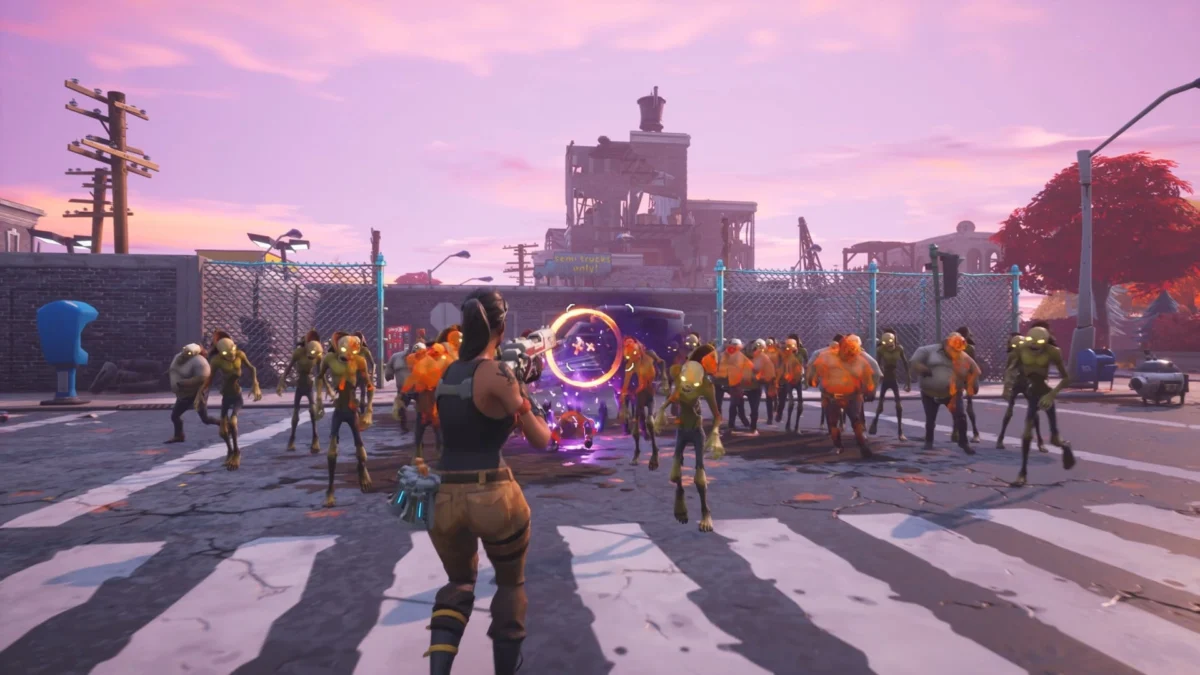
Epic Games has implemented a significant restructuring of the Fortnite ecosystem, marking a pivotal shift in how the platform manages its legacy content and expanding its rhythm-based gameplay offerings. In a move that aligns with the developer’s long-term strategy of transitioning Fortnite from a singular battle royale title into a multi-genre entertainment hub, the company has officially transitioned Fortnite: Save the World to a free-to-play model while simultaneously decommissioning two newer experimental modes, Fortnite Ballistic and Fortnite Festival Battle Stage. This overhaul, effective as of mid-April 2026, represents one of the most substantial changes to the game’s monetization and content accessibility since the launch of Chapter 5.
The Evolution of Save the World: From Paid Early Access to Free-to-Play
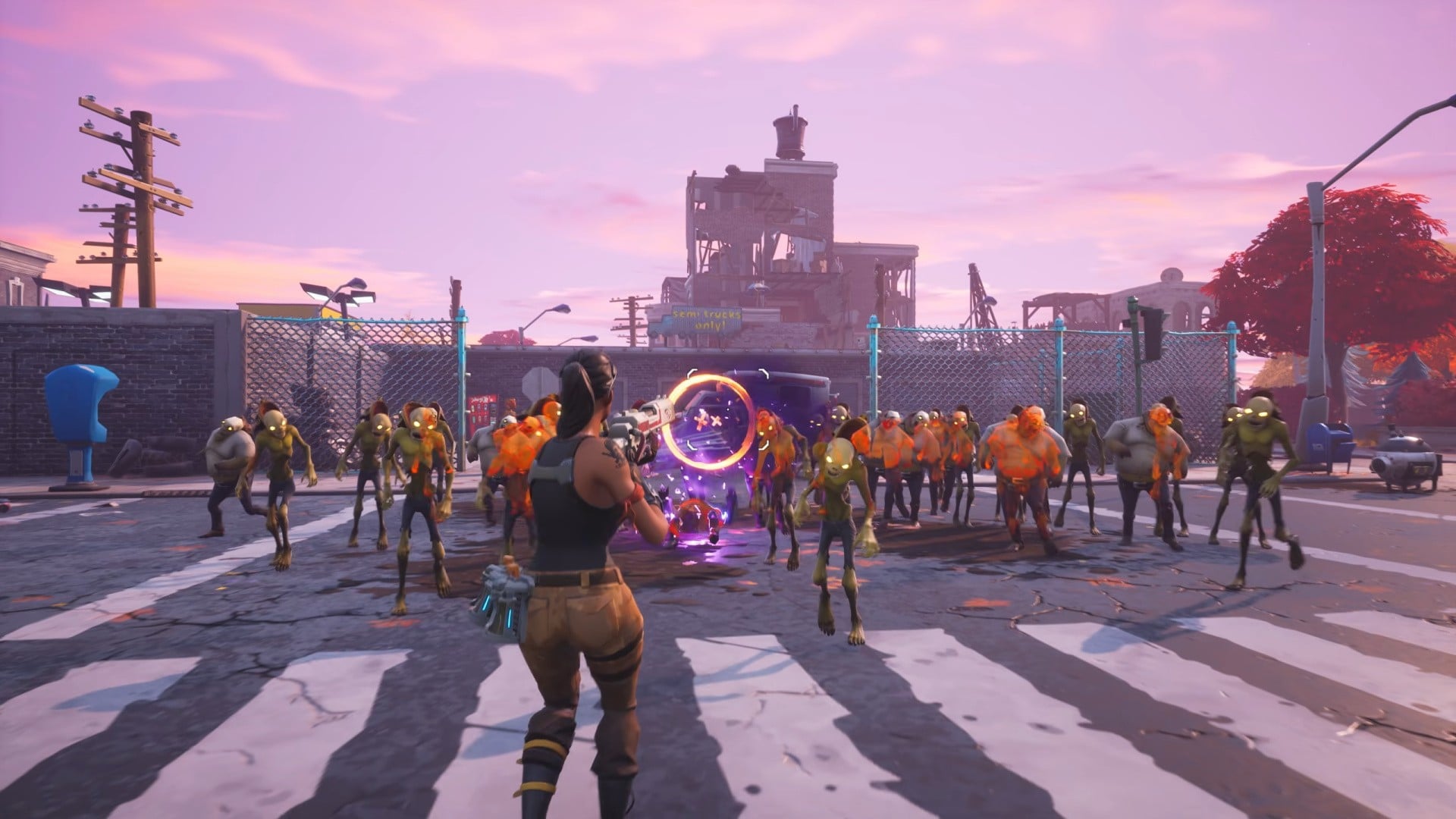
The transition of Fortnite: Save the World to a free-to-play experience marks the end of an era for the title’s original incarnation. Initially launched in July 2017, Save the World was envisioned as a cooperative sandbox survival game where players collaborated to build fortified bases and defend against waves of "Husks"—zombie-like creatures spawned from a mysterious global storm. For nearly a decade, Save the World remained a premium product, requiring the purchase of "Founder’s Packs" or later "Starter Packs," even as the Battle Royale component achieved unprecedented global success as a free-to-play phenomenon.
By removing the paywall for Save the World, Epic Games has effectively integrated the PvE (Player versus Environment) campaign into the standard Fortnite suite available on Xbox Series X|S, Xbox One, PC, and Xbox Cloud Gaming. The mode features a deep progression system involving hero recruitment, weapon schematics, and complex trap mechanics. Industry analysts suggest that making Save the World free-to-play serves a dual purpose: it revitalizes the player base for the cooperative mode and ensures that the "metaverse" entry point for new users remains entirely frictionless across all core pillars of the game.
The current version of Save the World offers a vast, destructible world with dynamically generated maps. Players can engage in the campaign solo or with up to three friends, focusing on resource gathering and strategic construction. While the mode no longer offers the "Founder’s V-Bucks" rewards to new players—a perk reserved for those who purchased the game during its early years—it remains a robust alternative for players seeking a structured narrative and cooperative challenges outside of the competitive arena.
Strategic Content Pruning: The Removal of Ballistic and Battle Stage
While the platform expanded with the inclusion of free PvE content, Epic Games also confirmed the permanent removal of two specific modes: Fortnite Ballistic and Fortnite Festival Battle Stage. These deletions occurred on April 16, 2026, following a brief period of availability within the Fortnite discovery menu.
Fortnite Ballistic, which functioned as a high-intensity, combat-focused experimental mode, and the Battle Stage—a competitive variant of the rhythm-based Fortnite Festival—were delisted to streamline the user interface and reallocate server resources toward more popular offerings. The removal of these modes highlights Epic Games’ aggressive "live service" philosophy, where underperforming or redundant modes are cycled out to maintain a curated experience.
Despite the removal of the competitive Battle Stage, the core components of the rhythm experience—Fortnite Festival "Main Stage" and "Jam Stage"—remain active. These modes continue to receive heavy investment from Epic Games, particularly following the company’s acquisition of Harmonix, the veteran developers behind the Rock Band and Guitar Hero franchises. The consolidation of rhythm modes suggests a shift in focus toward the collaborative and performance aspects of the game rather than the direct competitive elimination mechanics found in the now-defunct Battle Stage.
Hardware Integration and the Return of Peripheral-Based Gaming
A major highlight of the recent update is the expanded support for specialized gaming hardware within Fortnite Festival. Epic Games has officially introduced support for "Pro Vocals" and "Pro Drums," a move that significantly lowers the barrier for players owning legacy music game peripherals. This update allows users with Rock Band 4 drum kits and compatible USB microphones to utilize their equipment on Xbox consoles and PC.
The technical integration of Pro Drums involves a sophisticated mapping system that mimics the professional-grade rhythm charts found in traditional music simulations. Unlike the standard controller-based input, Pro Drums require players to hit specific pads and cymbals in synchronization with the on-screen note highway. Similarly, Pro Vocals utilize pitch detection technology to track a player’s accuracy against the vocal melody of licensed tracks.
This hardware expansion is supported by third-party manufacturers who are capitalizing on the resurgence of the rhythm genre. CRKD, a prominent gaming peripheral company, has confirmed the development of a new dedicated drum kit controller slated for release in 2026. This hardware is expected to be compatible across Xbox, PC, and PlayStation platforms, providing a modern alternative to the aging and increasingly rare Rock Band 4 kits. The collaboration between software developers and hardware manufacturers indicates a long-term commitment to the Fortnite Festival ecosystem as a legitimate successor to the plastic instrument era of the mid-2000s.
Historical Context and Development Timeline
To understand the significance of these changes, it is essential to view them through the lens of Fortnite’s decade-long development timeline:
- July 2017: Fortnite: Save the World launches in paid Early Access.
- September 2017: Fortnite Battle Royale is released as a free-to-play standalone mode, quickly eclipsing the original game in popularity.
- June 2020: Epic Games officially exits the Early Access label for Save the World, declaring it a "legacy" mode but keeping it behind a purchase requirement.
- December 2023: The launch of Chapter 5 introduces LEGO Fortnite, Rocket Racing, and Fortnite Festival, transforming the game into a multi-application platform.
- Early 2024: Support for specialized guitar controllers (like the PDP Riffmaster) is introduced for the "Pro Lead" and "Pro Bass" tracks in Fortnite Festival.
- April 2026: Save the World becomes free-to-play; Fortnite Ballistic and Battle Stage are delisted; Pro Vocals and Pro Drums support is officially implemented.
This chronology demonstrates a clear trajectory: Epic Games is systematically breaking down the barriers between its various game modes while refining its offerings based on player engagement metrics. The transition of Save the World to free-to-play is the final step in a journey that began nearly nine years ago, effectively making every major facet of the Fortnite experience accessible without an upfront cost.
Industry Implications and Market Analysis
The decision to make Save the World free-to-play while expanding peripheral support for music modes carries significant implications for the broader gaming industry. By offering a high-quality PvE campaign for free, Epic Games is putting pressure on other "live service" titles that struggle to maintain a consistent player base for paid cooperative content. This move likely aims to increase player retention, as Save the World offers a different gameplay loop that can keep users engaged during the "lulls" between Battle Royale seasonal updates.

Furthermore, the expansion of Fortnite Festival into the "Pro" hardware space signals a monopolization of the rhythm game market. With Harmonix under its wing and a massive library of licensed music ranging from classic rock to modern pop, Epic Games has effectively sidelined potential competitors by integrating a full-featured music game into a platform that already boasts over 500 million registered accounts. The entry of companies like CRKD into the peripheral market further suggests that there is a viable economic ecosystem growing around Fortnite’s non-combat modes.
From a technical standpoint, the continued support for Xbox Cloud Gaming ensures that these updates are accessible even to players without high-end hardware. Save the World, despite its complex building mechanics and physics-based AI, is now playable on mobile devices and low-powered laptops via the cloud, further expanding its potential reach.
Official Stance and Community Reaction
While Epic Games has not issued a singular "state of the game" address regarding these specific changes, the patch notes and subsequent delisting notices provided to the Xbox community emphasize a commitment to "quality over quantity." The removal of Ballistic and Battle Stage was described as a necessary step to "focus development efforts on the most impactful experiences within the Fortnite ecosystem."
Community reaction has been largely positive regarding the Save the World news, with veteran players welcoming a fresh influx of users into the cooperative missions. However, some long-term "Founders" have expressed concerns regarding the preservation of the game’s original identity as it becomes more integrated into the "Metaverse" UI. Conversely, the rhythm game community has lauded the inclusion of Pro Drums and Vocals, viewing it as the definitive return of the full-band experience that has been largely absent from the gaming landscape since the mid-2010s.
As Fortnite continues to evolve, the distinction between "game" and "platform" becomes increasingly blurred. The events of April 2026 serve as a testament to Epic Games’ willingness to prune its less successful experiments while doubling down on the foundational elements and high-fidelity simulations that define the modern gaming experience. With the upcoming release of new hardware in 2026 and the continued expansion of the free-to-play library, Fortnite’s dominance on the Xbox platform and beyond appears set to continue into the next decade.