


Critical Reception and Aggregate Scoring
The initial wave of reviews for Onimusha: Way of the Sword has resulted in high aggregate scores across major tracking platforms. On Metacritic, the title currently holds a flagship rating of 88 on the Nintendo Switch 2, suggesting a highly optimized experience for the successor to Nintendo’s hybrid console. The PlayStation 5 version follows closely with an 86, while the PC version sits at an 82. While the Xbox Series X|S version has yet to receive a definitive aggregate score due to a smaller pool of early reviews, the available data points to an average of 86, mirroring its performance on Sony’s hardware.
These figures place Onimusha: Way of the Sword in the "Generally Favorable" to "Universal Acclaim" categories. Critics have largely praised the game’s combat mechanics, visual fidelity, and its ability to modernize the series’ identity without abandoning the dark fantasy atmosphere that defined the original PlayStation 2 entries. However, the reception is not without its nuances, as several outlets have pointed toward modern "open-world bloat" and pacing issues as minor detractors from an otherwise stellar package.
Historical Context: The Resurrection of a Capcom Legend
To understand the significance of Way of the Sword, one must look back at the history of the Onimusha franchise. Debuting in 2001 with Onimusha: Warlords, the series was originally conceived as a "ninja version" of Resident Evil, featuring fixed camera angles, tank controls, and pre-rendered backgrounds. It was a massive commercial success, becoming the first PlayStation 2 title to sell over a million copies. Following several sequels, including Onimusha 2: Samurai’s Destiny and Onimusha 3: Demon Siege—which famously featured French actor Jean Reno—the series went into a deep slumber after 2006’s Onimusha: Dawn of Dreams.
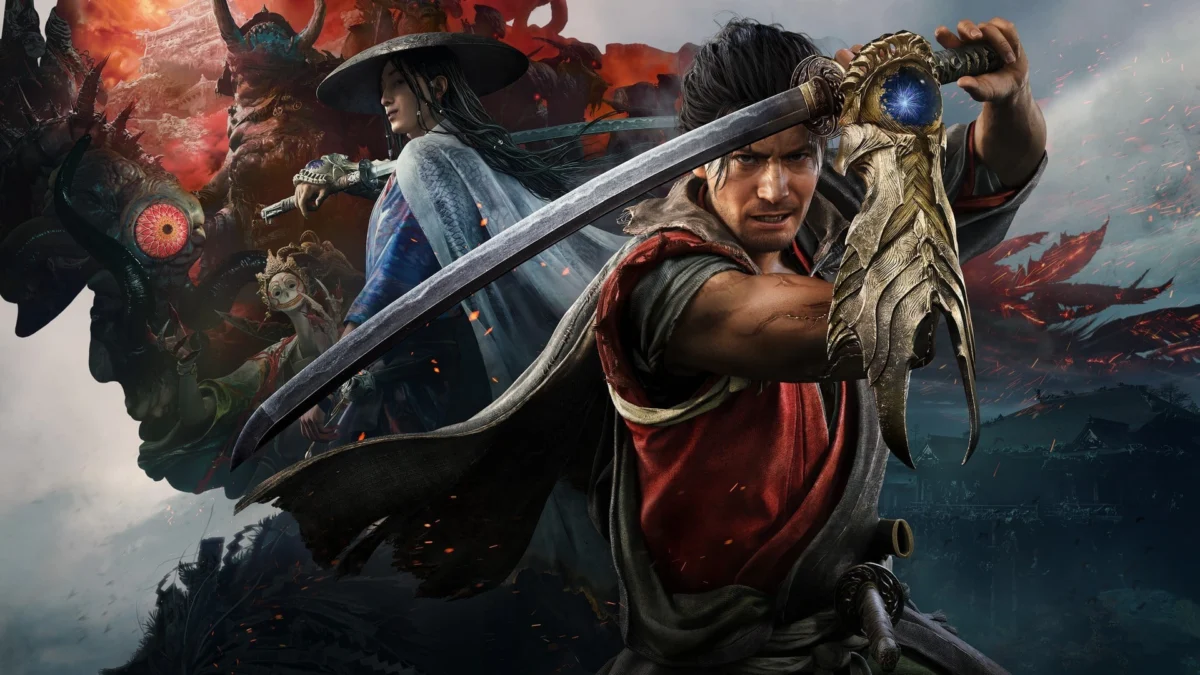
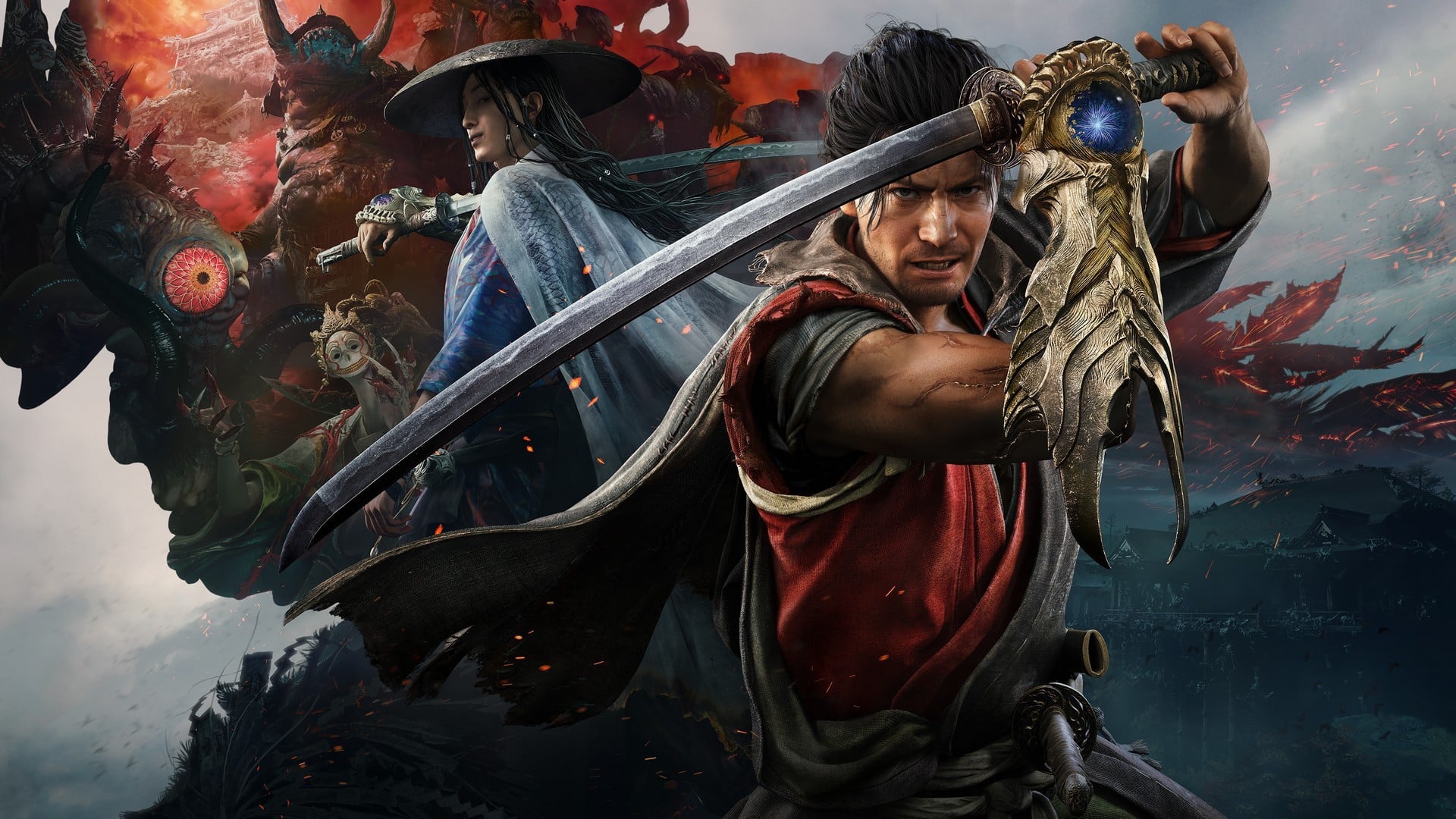
Aside from a 2019 high-definition remaster of the original game, Capcom fans have waited twenty years for a ground-up reimagining of the series. Way of the Sword serves as a soft reboot or a spiritual continuation, moving away from the previous protagonist, Samanosuke Akechi, to focus on the legendary Musashi Miyamoto. This shift in narrative focus allows Capcom to explore a dark fantasy interpretation of Kyoto, utilizing the RE Engine—the same technology behind the recent Resident Evil remakes and Monster Hunter Rise—to provide a level of cinematic detail previously impossible for the franchise.
Detailed Breakdown of Critical Consensus
The review landscape for Way of the Sword shows a divide between those who view the game as a flawless masterpiece and those who find fault with its structural ambitions.
The Perfect Scores: A New Standard for Action
Outlets such as Hey Poor Player and MonsterVine awarded the game perfect 10/10 scores. The consensus among these high-tier reviews is that the game successfully injects a fresh personality into the genre. Hey Poor Player highlighted the use of the RE Engine to create a "visually stunning revival," specifically noting that the protagonist, Musashi, brings a refreshing energy to the dark fantasy setting of Kyoto. The "intense and cinematic boss fights" were cited as a primary reason for its potential "Game of the Year" candidacy. MonsterVine echoed these sentiments, praising the "near-seamless" blend of merciless action and skill-based combat, asserting that the "ridiculously sharp gameplay" outweighs minor issues with the camera system.
The Balanced Perspective: High Praise with Caveats
Reviewers from Nintendo Life and Push Square, both awarding the title a 9/10, focused on the evolution of the series’ gameplay. Nintendo Life noted that the combat has transitioned to a "slower, more deliberate" style that rewards precision, specifically mentioning the satisfaction of performing deflections and finishers. However, they pointed out that the English voice acting felt disconnected from the historical presentation and that "occasional jaunts to and from multiple NPCs" hindered the game’s pacing. Push Square emphasized the emotional weight of the journey, stating that the evolution of techniques and the depth of the quest provided a satisfying experience for fans of "demon-slaying samurai action."
Technical and Structural Critiques
The lower end of the positive spectrum, represented by CGMagazine (8/10), GameSpot (8/10), and VGC (6/10), centered on the game’s world design. CGMagazine described the title as Capcom’s "most divisive release in years" due to "open-world bloat." GameSpot expanded on this, calling the "uninspired semi-open-world" a misstep that failed to justify its existence, even though the combat remained "outstanding" and "calculated."
The most critical review came from VGC, which argued that while the combat is worth playing, the surrounding game structure is "full of filler" and "overlong." This critique suggests that in attempting to meet modern expectations for game length and map size, Capcom may have diluted the tight, focused experience that characterized the original trilogy.
Technical Specifications and Platform Features
Capcom has confirmed that Onimusha: Way of the Sword will support various modern features to ensure accessibility across platforms. On the Xbox ecosystem, the game supports "Xbox Play Anywhere," allowing users to purchase a digital copy once and play it on both Xbox Series X|S and Windows PCs with cross-save functionality.
The technical performance on the Nintendo Switch 2 appears to be a highlight of this release cycle. Given the Metacritic score of 88, it is inferred that the game utilizes the new hardware’s capabilities to maintain visual parity or near-parity with its more powerful counterparts, likely through advanced upscaling techniques. On PS5 and Xbox Series X, players can expect the standard suite of performance and fidelity modes, targeting 60 frames per second to accommodate the high-speed, skill-based combat.
Timeline of Development and Release
The journey to the release of Onimusha: Way of the Sword follows a strategic timeline by Capcom:
- January 2019: Release of Onimusha: Warlords HD Remaster, serving as a market test for interest in the IP.
- 2023-2024: Internal development ramps up using the RE Engine, following the success of Street Fighter 6 and Resident Evil 4 Remake.
- August 2026: Review embargo lifts, revealing a strong critical reception.
- September 4, 2026: Global release date for Xbox Series X|S, PlayStation 5, PC, and Nintendo Switch 2.
Market Implications and Capcom’s Strategic Direction
The success of Onimusha: Way of the Sword reinforces Capcom’s current "Renaissance" strategy, which involves reviving dormant IPs using modern technology while maintaining high production standards. Following the revitalization of the Resident Evil and Devil May Cry series, Onimusha was the last major "pillar" of Capcom’s golden era to remain sidelined.
The positive reception suggests that there is a significant market for "Masocore" or "Samurai-action" games, a genre that has seen a surge in popularity due to titles like Sekiro: Shadows Die Twice, Ghost of Tsushima, and the Nioh series. By leaning into "calculated violence" and deliberate combat, Capcom has successfully carved out a space for Musashi Miyamoto in a competitive landscape.
Furthermore, the "divisive" nature of the open-world elements mentioned by critics serves as a data point for Capcom’s future projects. As the company looks toward the next Monster Hunter or Resident Evil entries, the feedback regarding "filler" and "bloat" in Way of the Sword will likely influence how they balance map scale with narrative pacing.
Conclusion
Onimusha: Way of the Sword arrives as a triumphant, if slightly flawed, return for one of gaming’s most storied franchises. With a Metacritic average hovering in the mid-to-high 80s, Capcom has proven that the Onimusha brand still carries weight in the modern era. While the shift toward a semi-open-world structure has introduced some friction with critics, the core combat and visual presentation—powered by the RE Engine—appear to have set a new benchmark for the series. As the game prepares for its full launch on September 4, it stands as a testament to Capcom’s ability to honor its past while aggressively pursuing the technological standards of the future. For fans of the genre, the return of the demon-slaying samurai is not just a nostalgic trip, but a robust contender for the best action game of 2026.