


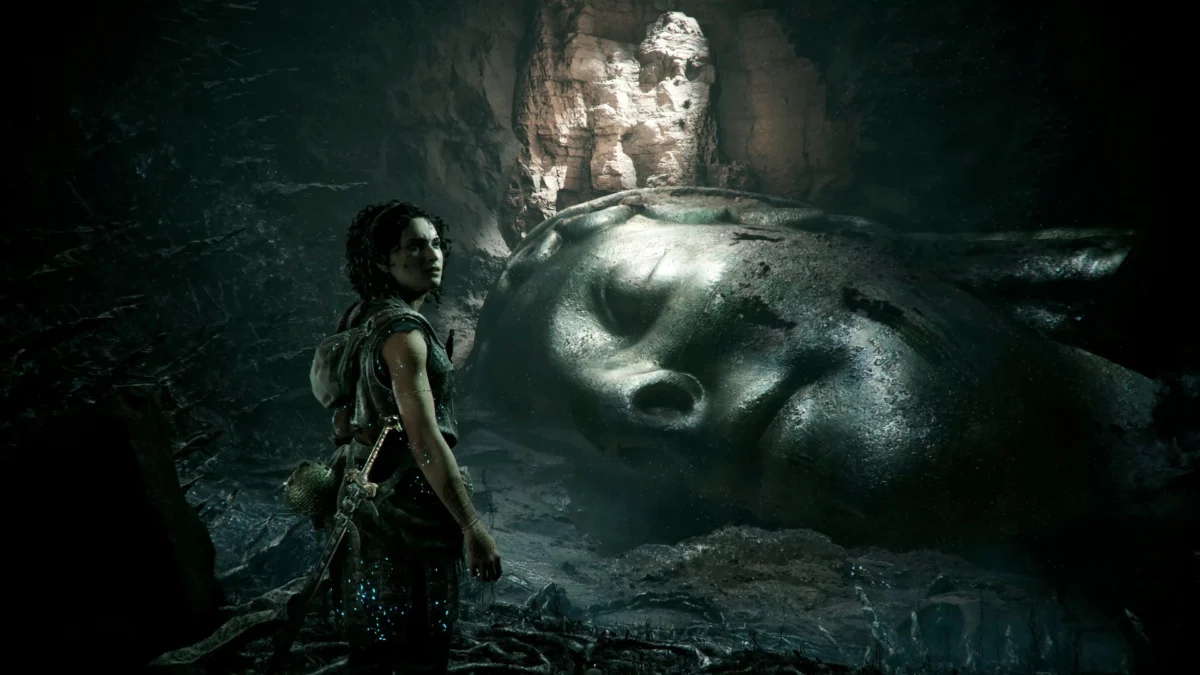
As a prequel to the established narrative arc of A Plague Tale: Innocence and A Plague Tale: Requiem, Resonance: A Plague Tale Legacy explores the historical and supernatural origins of the Macula, the fictional blood-borne curse that serves as the series’ central antagonist. By shifting the timeline backward, the developers have provided a fresh perspective on the lore of 14th-century France, offering players a deeper understanding of the societal and mystical forces that shaped the world inhabited by the series’ original protagonists, Amicia and Hugo de Rune. Initial critical assessments have been overwhelmingly positive, with major outlets such as Pure Xbox awarding the title a 9/10 and characterizing it as an "Excellent" addition to the series.
Historical and Narrative Context
The A Plague Tale franchise first emerged in 2019 with Innocence, a game that was lauded for its atmospheric storytelling, innovative use of light-based puzzle mechanics, and the technical achievement of rendering thousands of rats simultaneously on screen. Its 2022 sequel, Requiem, expanded the scope of the world and heightened the emotional stakes, solidifying the IP as a premier example of the "AA+" or "Prestige Indie" category—games that rival AAA productions in narrative quality and visual fidelity despite smaller budgets and team sizes.
Resonance: A Plague Tale Legacy serves as a bridge for the overarching mythology. Unlike its predecessors, which focused heavily on the immediate survival of the De Rune siblings, Resonance focuses on the "Legacy" aspect of its title. It investigates the ancestral weight of the plague, providing a broader historical context for the supernatural elements that have defined the series. This narrative shift allows the developers to introduce new characters and environments while maintaining the signature sense of dread and emotional intimacy that fans have come to expect.
In its review, Pure Xbox noted that the game is the most "confident" entry in the series to date. This confidence is reflected in the game’s willingness to evolve its core mechanics. While the mystery of the plague may be less central than in the first game—given that long-time players are already familiar with the supernatural nature of the rats—the emotional resonance of the story remains a primary focus. The prequel explores themes of unsettling destiny and the cyclical nature of historical tragedy, ensuring that even players who know the eventual outcome of the timeline remain invested in the immediate journey.
Technical Evolution and Gameplay Mechanics
Technically, Resonance: A Plague Tale Legacy leverages the full capabilities of current-generation hardware, specifically the Xbox Series X and high-end PCs. Asobo Studio has historically utilized a proprietary engine that excels in environmental detail and lighting, two components essential for a game where shadows and light dictate gameplay survival.
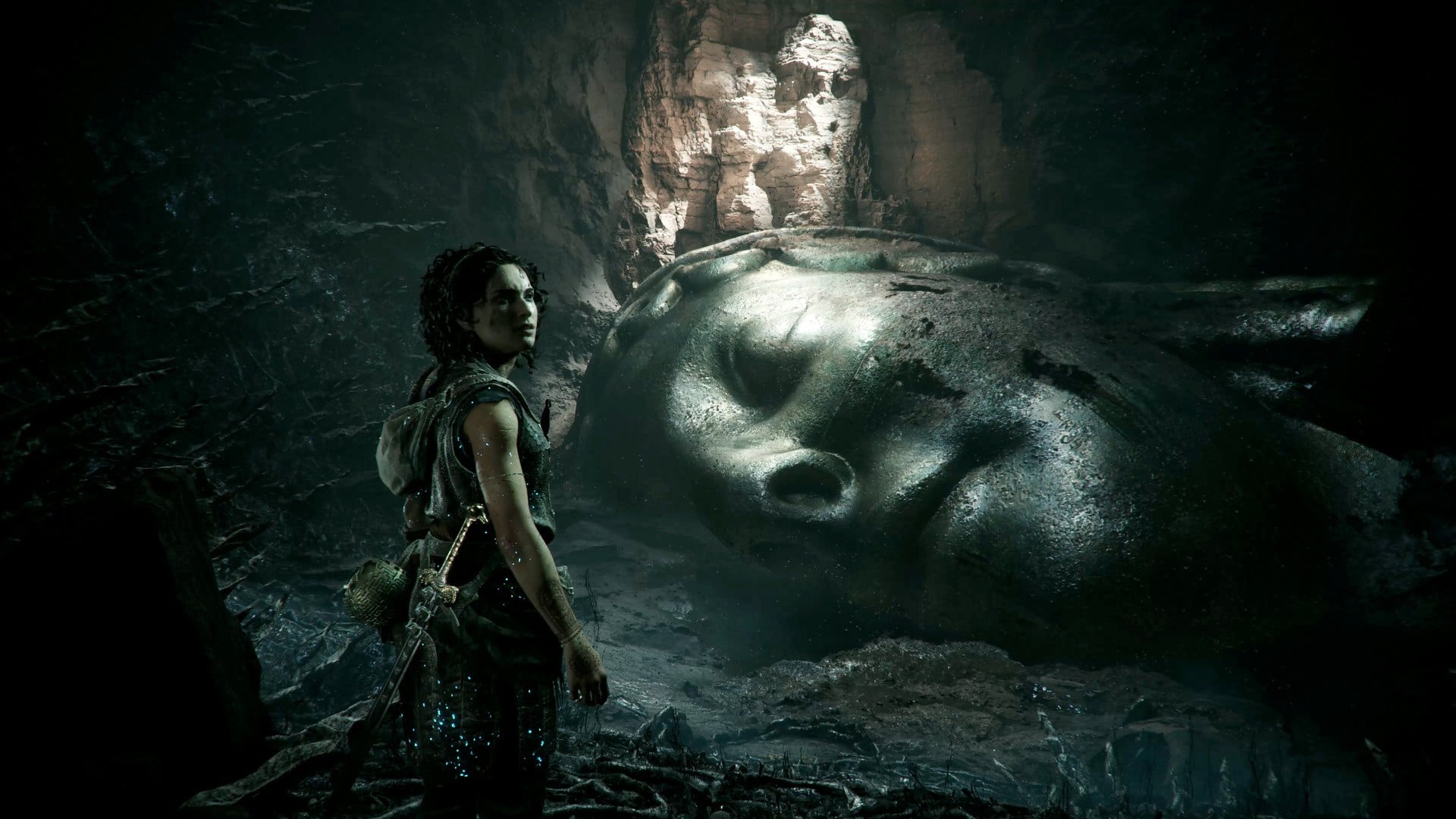
The "rat tech" that became the series’ calling card has been further refined. In the original game, the engine could handle roughly 5,000 rats on screen at once; by Requiem, that number had surged to 300,000. Resonance continues this trajectory, utilizing advanced AI pathfinding to make the rat swarms feel less like a static environmental hazard and more like a fluid, predatory force. This technical prowess serves a dual purpose: it provides a visual spectacle that justifies its placement on Game Pass Ultimate as a "next-gen" showcase and reinforces the gameplay loop of stealth and resource management.
The gameplay mechanics have also seen a shift toward more versatile action-adventure elements. While stealth remains a cornerstone, Resonance provides players with a more expansive toolkit for engaging with human enemies and the environment. This evolution addresses one of the few criticisms of the earlier titles—namely, the occasionally restrictive nature of the stealth sections. By offering more "confident" action-adventure foundations, the game appeals to a broader audience while retaining the core identity that loyalists value.
The Role of Xbox Game Pass in Title Proliferation
The inclusion of Resonance: A Plague Tale Legacy as a Day One addition to Xbox Game Pass Ultimate and PC Game Pass is a strategic move that reflects the current state of the gaming industry. For narrative-driven, single-player experiences, subscription services offer a unique discovery mechanism. Data suggests that games launched on Game Pass often see a significant spike in player count that exceeds traditional retail expectations for mid-tier franchises.
Microsoft has reported in previous fiscal cycles that Game Pass subscribers are more likely to experiment with genres they do not typically play. For a series like A Plague Tale, which blends historical fiction with supernatural horror, the "low-friction" entry point of a subscription allows the IP to reach millions of potential fans who might have been hesitant to purchase a standalone prequel. This massive influx of players is evident in the early community polling, where hundreds of votes and comments have been recorded within the first 24 hours of availability.
Furthermore, the "Day One" strategy benefits the developer by providing guaranteed upfront revenue and a massive active player base, which in turn fuels social media discourse and long-tail interest in the franchise. For Focus Entertainment, this model has proven successful in the past with titles like Atomic Heart and the previous Plague Tale entries, suggesting a continued reliance on Microsoft’s ecosystem to sustain their prestige narrative portfolio.
Community Reception and Preliminary Data
Early metrics indicate a high level of satisfaction among the Xbox community. In a poll conducted shortly after the game’s release, over 600 users provided feedback on their initial impressions. While the data is still being aggregated, the qualitative feedback suggests that the game’s "Excellent" critical rating is being mirrored by the player base.

Common themes in user comments include:
- Visual Fidelity: Players have highlighted the game’s art direction and the atmospheric depiction of medieval environments.
- Narrative Continuity: Fans of the original games have expressed appreciation for the way the prequel enriches the existing lore without feeling redundant.
- Accessibility: The inclusion on Game Pass has been cited as the primary reason many players decided to engage with the series for the first time.
The success of Resonance also highlights a growing trend where "prequel" content is used not just as a filler between sequels, but as a legitimate tool for world-building that can stand on its own merits. By achieving a 9/10 critical average, Resonance avoids the "spin-off" stigma that often plagues prequels in other media formats.
Industry Implications and Future Outlook
The successful launch of Resonance: A Plague Tale Legacy has broader implications for Asobo Studio and the future of the franchise. With the studio also responsible for the technical marvel that is Microsoft Flight Simulator, their ability to deliver high-quality narrative experiences simultaneously positions them as one of the most versatile developers in the European market.
From an industry perspective, the performance of Resonance reinforces the viability of the "AA+" model. In an era where AAA development budgets are ballooning into the hundreds of millions of dollars, often leading to risk-aversion and homogenized gameplay, Asobo Studio demonstrates that a focused, narrative-heavy experience can achieve critical and popular success by prioritizing atmosphere and emotional depth over massive open-world checklists.
As players continue to move through the campaign, the focus will likely shift to how this prequel sets the stage for future installments. If the "Resonance" of the title refers to a lasting impact on the world’s history, it may suggest that Asobo Studio is planning a much larger "Plague Tale Universe" that could extend beyond the story of Amicia and Hugo.
For now, the immediate data confirms that Resonance: A Plague Tale Legacy is a cornerstone release for Xbox Game Pass in the current quarter. Its combination of technical excellence, narrative maturity, and accessible distribution ensures that the legacy of the plague will continue to be a significant topic of discussion within the gaming industry for the foreseeable future. The engagement levels seen in the first 24 hours are a testament to the franchise’s growth from a niche stealth title into a flagship series for the Xbox platform.