


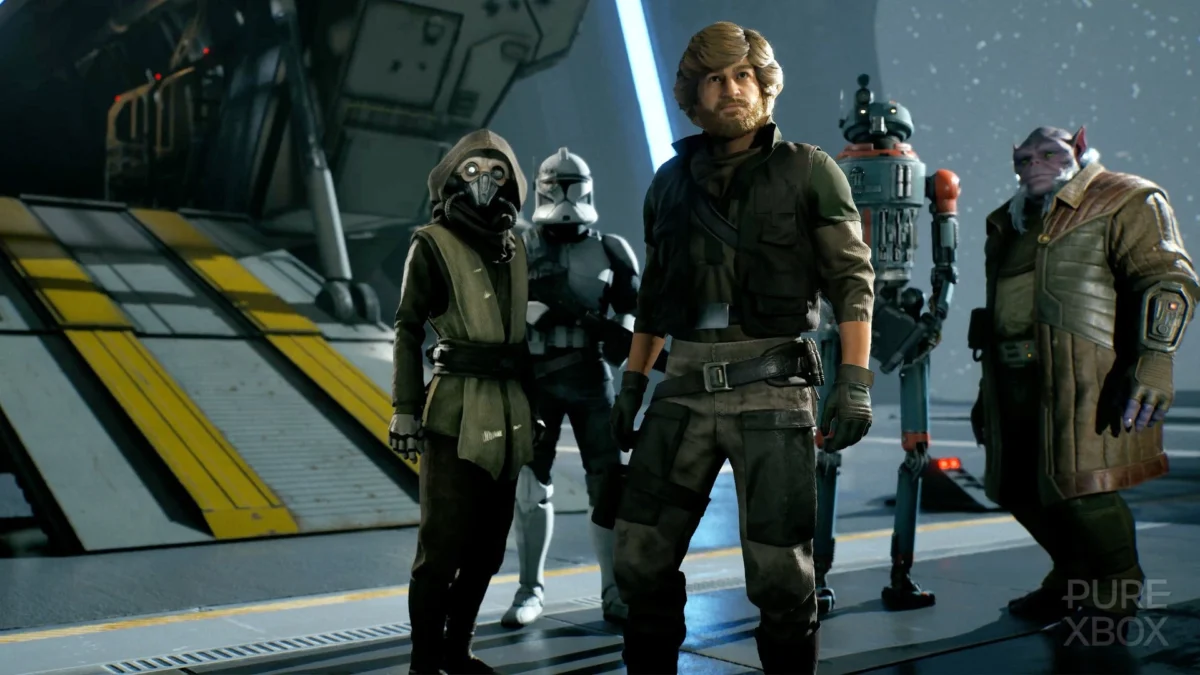
Star Wars Zero Company has emerged as a significant milestone in the tactical role-playing game (RPG) landscape, following its recent launch to critical acclaim on the Xbox Series X and PC platforms. Developed by Bit Reactor—a studio comprised of industry veterans with extensive experience in the strategy genre—the title represents a sophisticated evolution of the turn-based tactical formula popularized by franchises such as XCOM. After an initial period of market saturation within the genre, Zero Company has distinguished itself through a combination of streamlined mechanical systems, high-fidelity cinematic presentation, and a narrative integration that respects the broader Star Wars canon while establishing its own unique identity.
Evolution of the Tactical Strategy Framework
The tactical strategy genre has long been measured against the benchmark set by Firaxis Games’ XCOM: Enemy Unknown and its sequel, XCOM 2. Star Wars Zero Company adopts the foundational "grid-and-cover" system but introduces significant refinements designed to reduce the friction often associated with global strategy layers. While the game retains the high-stakes probability mechanics common to the genre—where units may fail to land shots even at close range—it innovates in its management of resources and mission selection.
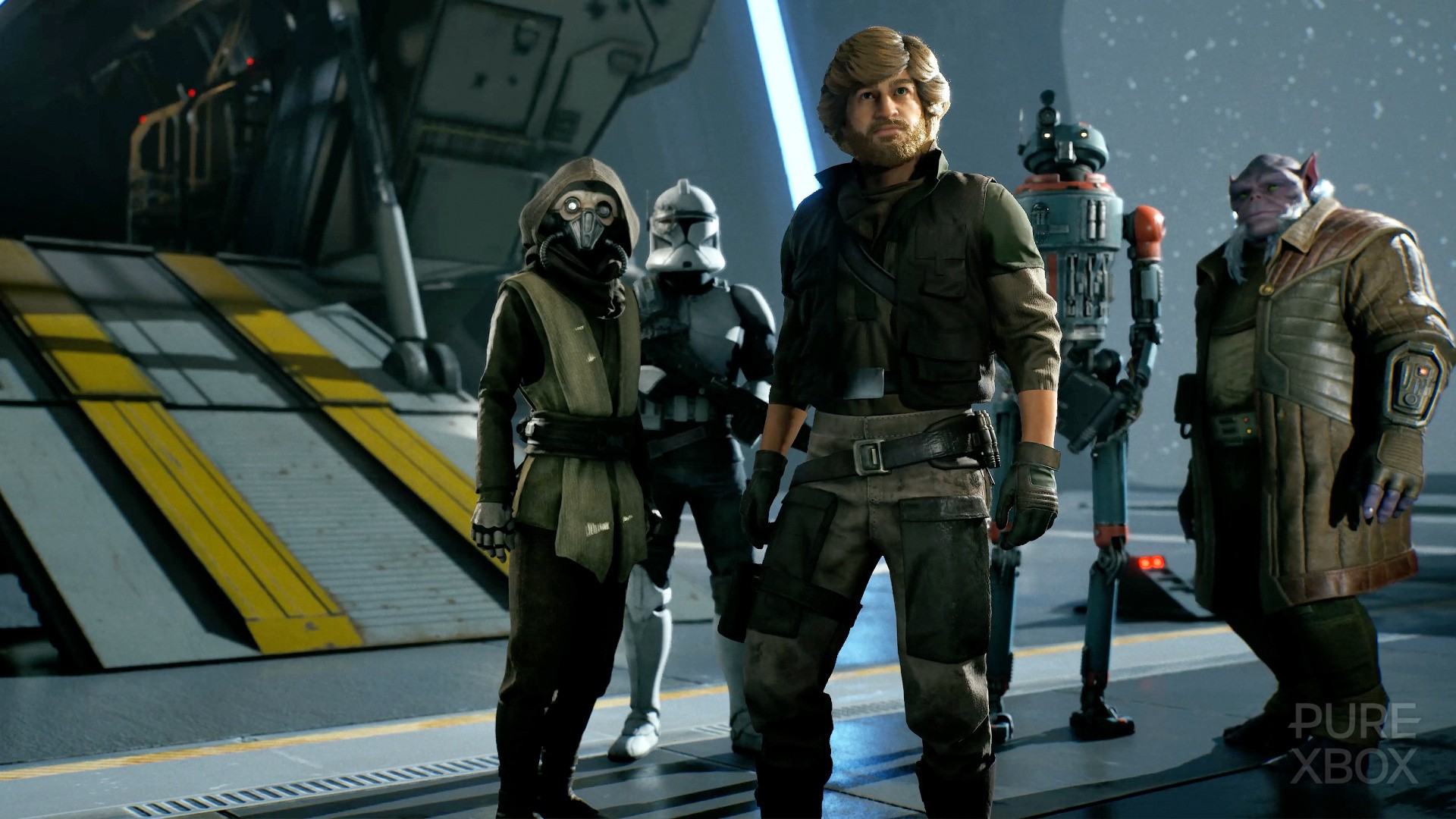
Industry analysts have noted that the game’s "Den" hub-world serves as a more organic environment for base management than the traditional "ant-farm" menus seen in previous genre leaders. By allowing players to navigate their base in a third-person perspective, Bit Reactor has bridged the gap between traditional RPG exploration and clinical strategy management. This structural shift has been identified as a key factor in the game’s accessibility for newcomers, providing a more intuitive flow between combat encounters and research and development (R&D) phases.
Technical Performance and Console Optimization
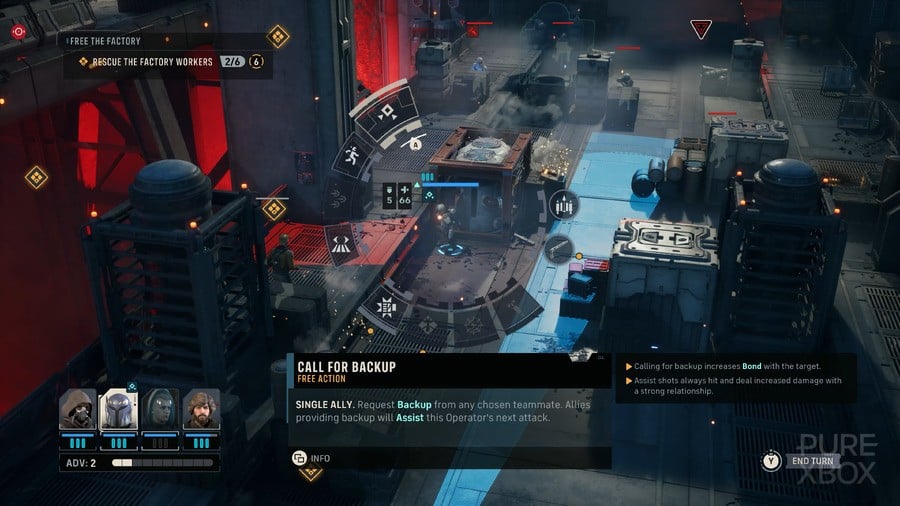
A primary challenge for tactical RPGs has historically been the transition from mouse-and-keyboard inputs to console controllers. Star Wars Zero Company addresses this through the implementation of a bespoke "Action Wheel," a radial menu system specifically optimized for the Xbox Elite 2.0 and standard wireless controllers. This interface replaces the traditional horizontal ability bar, allowing for rapid selection of Force powers and combat maneuvers via the right analog stick.
Technical benchmarks on the Xbox Series X indicate that the game offers two primary graphical profiles: Quality Mode and Performance Mode. Quality Mode prioritizes 4K resolution and advanced lighting effects, which are particularly evident in the game’s destructible environments. The implementation of physics-based rendering allows for blaster fire to realistically illuminate plumes of smoke and for explosions to leave persistent environmental scarring. Furthermore, the game supports native mouse-and-keyboard functionality on consoles, offering a level of platform parity that is becoming increasingly standard in the current hardware generation.
Narrative Integration and Character Synergy Systems
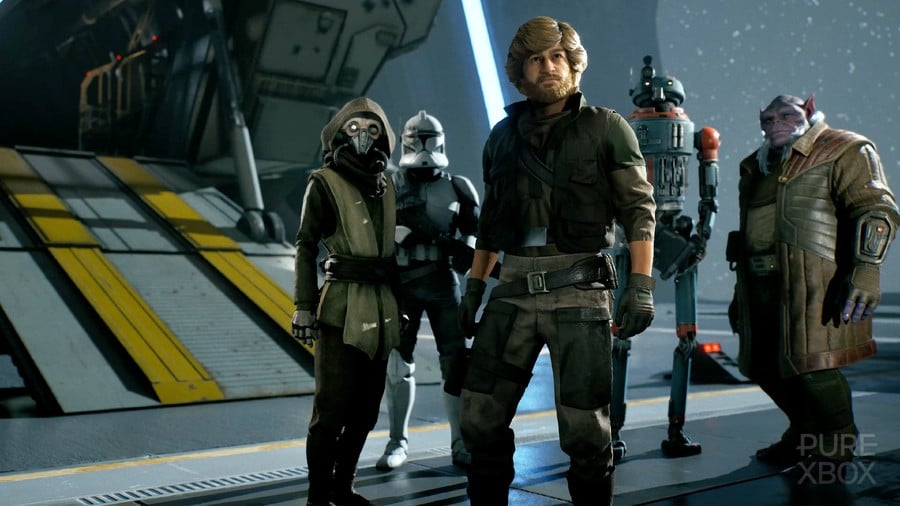
The narrative of Zero Company is centered on a customizable protagonist known as "Hawks" and their leadership of a specialized unit of Republic misfits. Unlike many licensed titles that rely heavily on established characters to drive engagement, Zero Company utilizes legendary figures like Anakin Skywalker as supporting elements that ground the story within the larger Star Wars timeline. This approach ensures that the player’s custom squad remains the focus of the experience while still providing the "fan-service" moments expected of the IP.
A core pillar of the gameplay is the "Bonding" system, an evolution of the mechanics seen in XCOM 2: War of the Chosen. In Zero Company, bonds are not merely passive stat boosts but are integrated into the narrative through dialogue choices and squad-specific side quests.
- Combat Buffs: High-level bonds unlock synchronized abilities, such as movement distance increases and critical hit modifiers.
- Narrative Consequences: The protagonist is frequently required to mediate disputes between squad members, with choices impacting the group’s overall cohesion and combat effectiveness.
- Class Customization: The game features diverse operator classes, including unique archetypes like the Mandalorian specialist, who utilizes gadgets such as shock darts to manage crowds of enemies.
Visual Fidelity and Passive Animation Detail
The cinematic quality of Star Wars Zero Company has been highlighted as a major differentiator within the genre. The game utilizes dynamic camera transitions, shifting from a traditional isometric "bird’s-eye" view to a tight over-the-shoulder perspective during combat actions. This technique provides a level of immersion usually reserved for third-person shooters, making the turn-based combat feel more visceral and immediate.
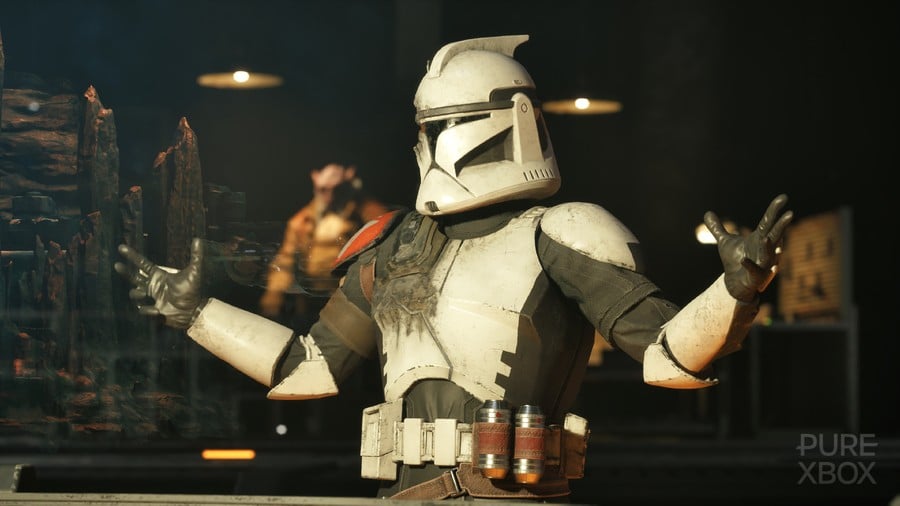
Reviewers and technical experts have also praised the inclusion of passive animations. During the player’s "thinking phase" in combat, units do not remain static; they engage in cosmetic cover fire or defensive maneuvers. For instance, if a Jedi Padawan like Tel-Rea is present in the squad, she will actively deflect stray blaster bolts with her lightsaber while the player navigates menus. These details contribute to a sense of "living" combat, mitigating the static nature of turn-based systems.
Chronology of Development and Market Context
The development of Star Wars Zero Company was first hinted at following the restructuring of Lucasfilm Games and its move toward a licensing model that engages multiple high-profile developers. Bit Reactor, led by former Firaxis art director Greg Foertsch, announced its partnership with Respawn Entertainment to produce a Star Wars strategy title in early 2022.
- January 2022: Official announcement of the partnership between Electronic Arts, Respawn, and Bit Reactor.
- Development Phase: Focus on creating a "new era" of strategy games that emphasize storytelling and cinematic presentation.
- Launch Window: The game released during a period of resurgence for the Star Wars brand in gaming, following the success of titles like Jedi: Survivor.
The game’s launch was met with strong digital sales, particularly on the Xbox storefront, where it benefited from optimization for the Series X|S hardware. Its reception suggests a growing appetite for mid-to-high budget strategy games that utilize major intellectual properties to reach a broader audience than traditional niche tactics titles.
Official Responses and Community Feedback
While the reception has been overwhelmingly positive, Bit Reactor has acknowledged certain technical hurdles reported by the community. Early post-launch data indicated occasional "decision paralysis" in the enemy AI, where units would stall for several seconds before executing a move. Additionally, some players reported input latency on the "confirm action" button on console versions.
In a recent community update, the development team stated: "Our goal with Zero Company was to blend the tactical depth our team is known for with the cinematic grandeur of the Star Wars universe. We are actively monitoring player feedback regarding AI behavior and UI responsiveness to ensure the experience is as seamless as possible."
Broader Implications for the Strategy Genre
The success of Star Wars Zero Company has several implications for the future of tactical RPGs. First, it demonstrates that the "XCOM-style" formula can be successfully streamlined without sacrificing the depth that core fans expect. By focusing on character-driven narratives and high-end production values, Bit Reactor has proved that strategy games can compete for the attention of mainstream audiences who typically gravitate toward action-adventure titles.
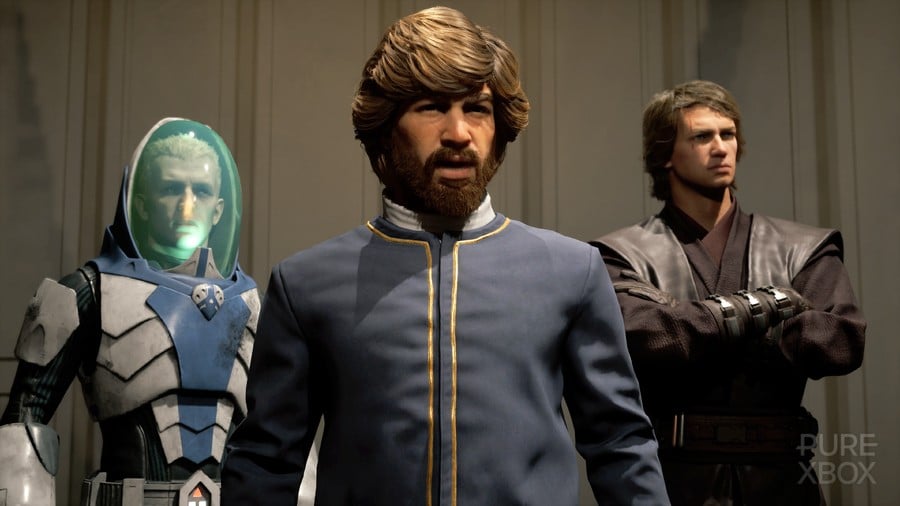
Second, the game reinforces the value of specialized hardware features. The success of the "Action Wheel" UI may serve as a blueprint for future strategy games developed for consoles, potentially ending the era of clunky porting processes. Finally, the integration of a customizable protagonist within a major licensed universe provides a template for how other IPs might handle player agency without contradicting established lore.
As the tactical RPG market continues to evolve, Star Wars Zero Company stands as a testament to the potential of combining veteran genre expertise with one of the world’s most recognizable entertainment properties. Its blend of strategic complexity, technical polish, and narrative depth positions it as a definitive entry in the modern era of turn-based gaming.