


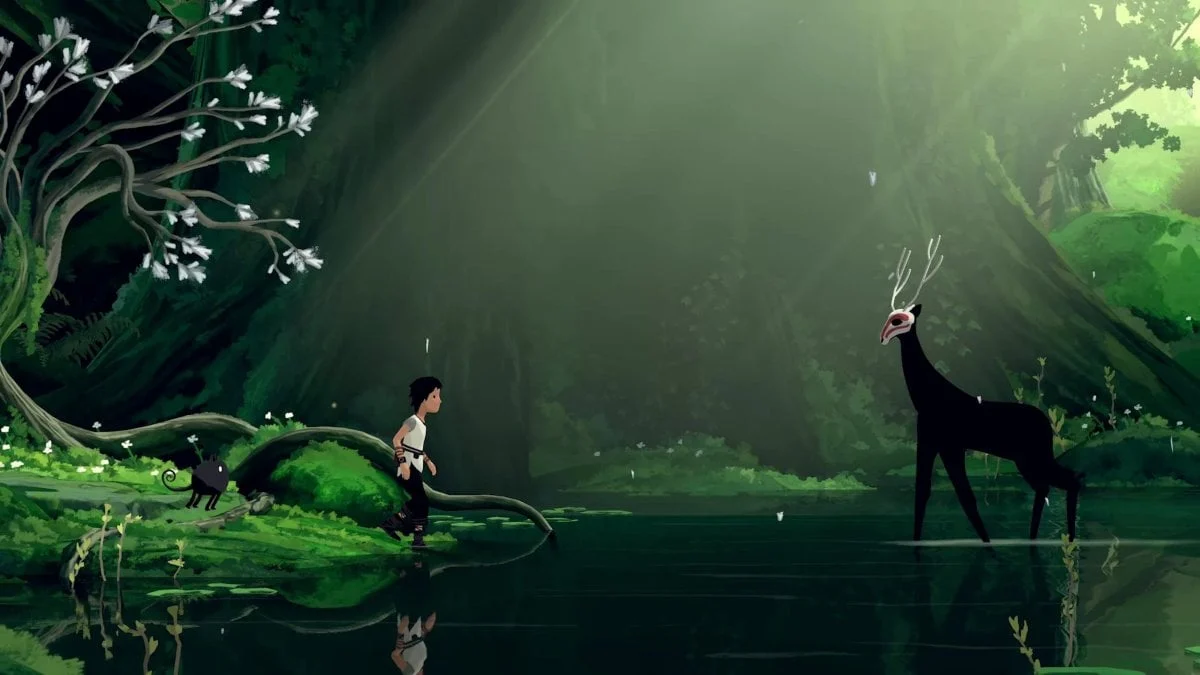
The critically acclaimed puzzle-platformer, Planet of Lana, lauded for its stunning visuals and heartfelt narrative, is slated for a sequel, Planet of Lana 2: Children of the Leaf, set to launch in the first quarter of 2026. This highly anticipated follow-up promises to expand upon the foundations of its predecessor, introducing refined mechanics, a more intricate storyline, and a richer world, moving beyond the singular focus on overcoming a technological menace to explore complex societal dynamics and the evolving relationship between its protagonists, Lana and the creature Mui.
A Glimpse into a More Complex World: Demo Reveals Evolved Mechanics and Shifting Threats
A recently released demo, segmented into glimpses of five chapters, offers players an early look at the advancements in Planet of Lana 2. This preview showcases not only the series’ signature blend of relaxation and satisfaction through its challenging puzzles but also introduces significant enhancements to its platforming and stealth gameplay. The demo suggests a departure from the straightforward obstacles of the original, hinting at a narrative that delves into the internal struggles and power dynamics within the alien civilization of Novo.
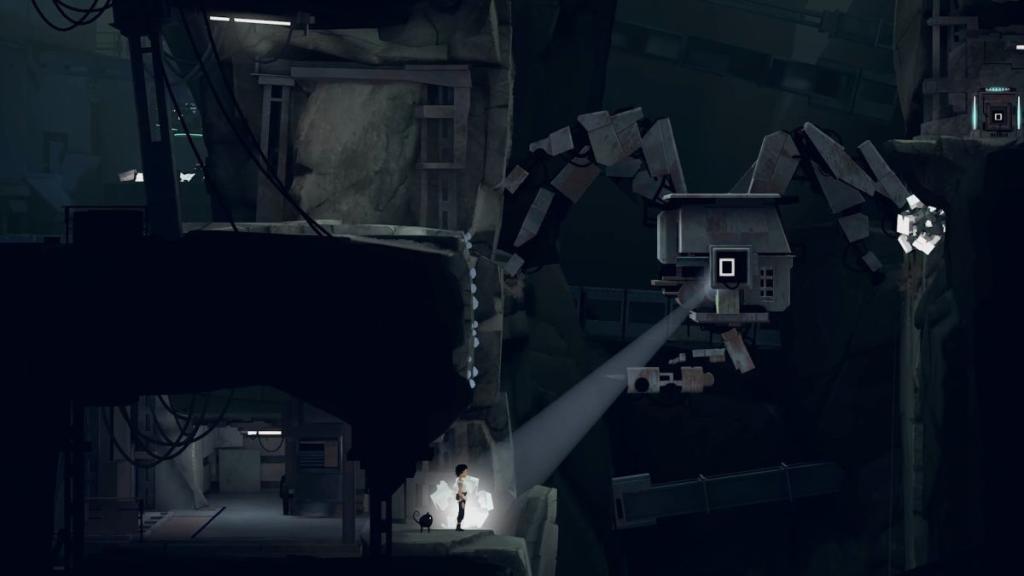
The initial threat of an external mechanical invasion has seemingly evolved into a more nuanced conflict. The demo highlights the presence of advanced technology within certain Novo tribes, including surveillance systems and industrial robots employed for tasks such as mining and fishing. This rapid societal advancement introduces a new layer of complexity, as human factions are depicted as not only technologically adept but also potentially posing a threat themselves. The updated stealth mechanics are designed to reflect this more dynamic and potentially dangerous environment.
The Evolving Partnership: From Individual Resilience to Collaborative Achievement
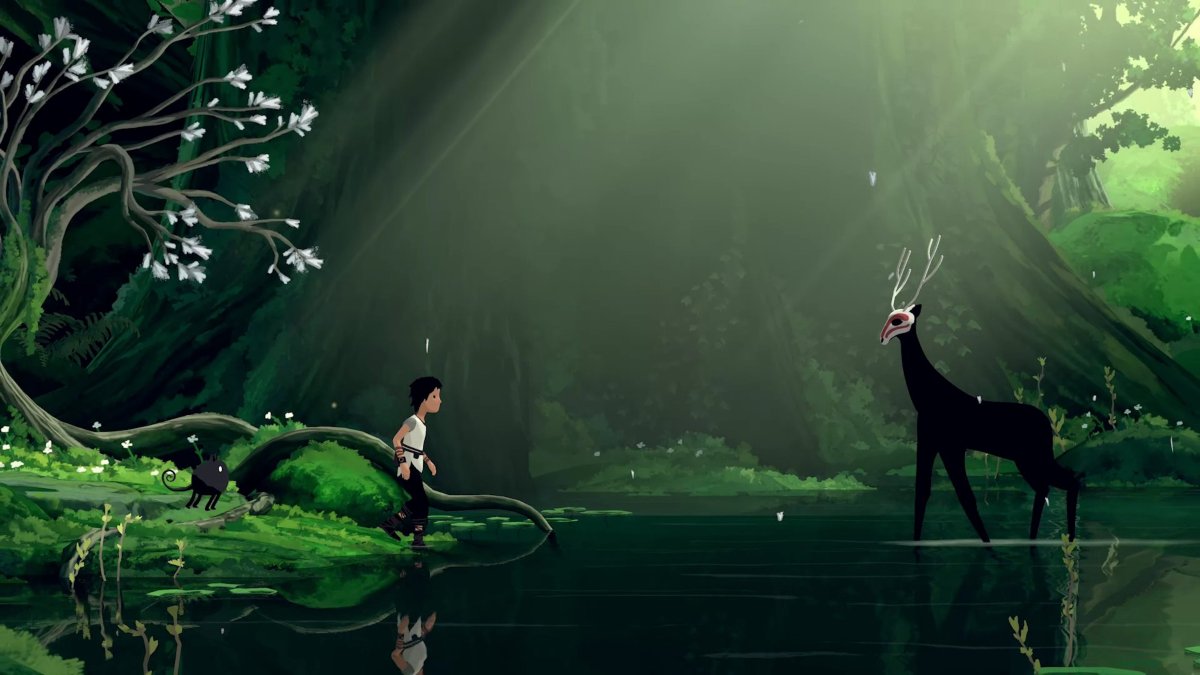
A significant shift observed in Planet of Lana 2 is the evolution of the gameplay focus. The original game centered on Lana’s journey to overcome obstacles, often with Mui’s assistance. In contrast, the sequel emphasizes the synergistic collaboration between Lana and Mui, highlighting their individual strengths and how they work in tandem to achieve their shared objectives. This narrative and gameplay evolution suggests a deeper exploration of their bond and mutual reliance.
The demo illustrates this by showcasing expanded movement capabilities for Lana, including wall climbing and hopping, indicating her growth and increased self-sufficiency since the events of the first game. This subtle yet effective character development, presented through gameplay mechanics, underscores Lana’s learned resilience and preparedness for the challenges ahead.
Furthermore, the gameplay has expanded beyond the formulaic placement of Mui to trigger actions. Players can now transfer control to Mui, allowing it to inhabit other lifeforms within Novo. This new mechanic unlocks a diverse range of abilities, such as clearing blockades, using ink to disorient aquatic enemies, and even manipulating plant growth through rain. These additions inject unpredictability and a fresh learning curve into the puzzle-platforming sequences, encouraging innovative problem-solving and revitalizing the core gameplay loop.
The puzzles themselves have been streamlined and appear to be meticulously balanced to complement the newly introduced abilities of both Lana and Mui. They are described as more advanced than those in the original game, aiming to maintain the series’ reputation for providing satisfying challenges within its cozy yet engaging atmosphere.
A Living Canvas: Artistic Direction and Sonic Ambiance Continue to Impress
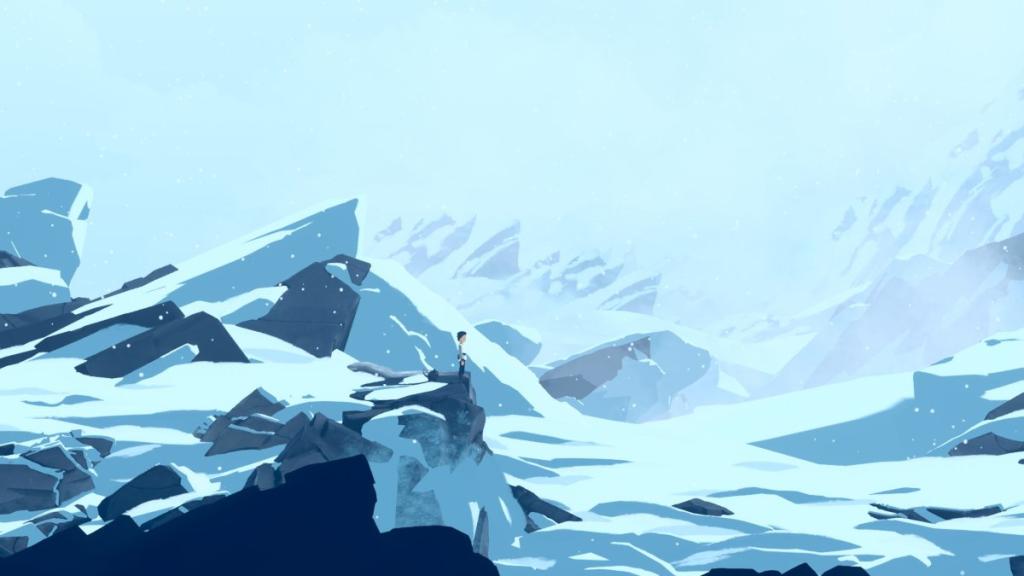
The visual artistry of Planet of Lana 2 promises to be as captivating as its predecessor. The environments are no longer mere backdrops but are depicted as dynamic, living entities. Comparisons have been drawn to the immersive worlds of The Wild Robot and Nausicaä of the Valley of the Wind, suggesting a heightened sense of ecological depth and environmental storytelling. The introduction of elements reminiscent of Princess Mononoke, particularly a potential "Forest Spirit," hints at a narrative that incorporates mystical and cosmic themes, further enriching the lore of Novo.
The soundtrack, a crucial element in establishing the game’s atmosphere, is reported to be as evocative and calming as in the original. This carefully curated sonic landscape is designed to complement the gameplay, reducing stress and enhancing the player’s immersion in the game’s intricate puzzles and narrative unfolding.
Narrative Ambiguity and the Unveiling of Lana’s New Journey
While the demo provides an extensive look at the gameplay mechanics and visual presentation, it offers limited direct insight into the overarching narrative of Planet of Lana 2: Children of the Leaf. The primary narrative threads appear to revolve around the internal conflicts within Novo and the burgeoning understanding of Mui’s unique abilities. The presence of humans actively researching Mui’s powers suggests a central conflict that may involve interspecies interaction and the potential misuse of this mysterious creature.
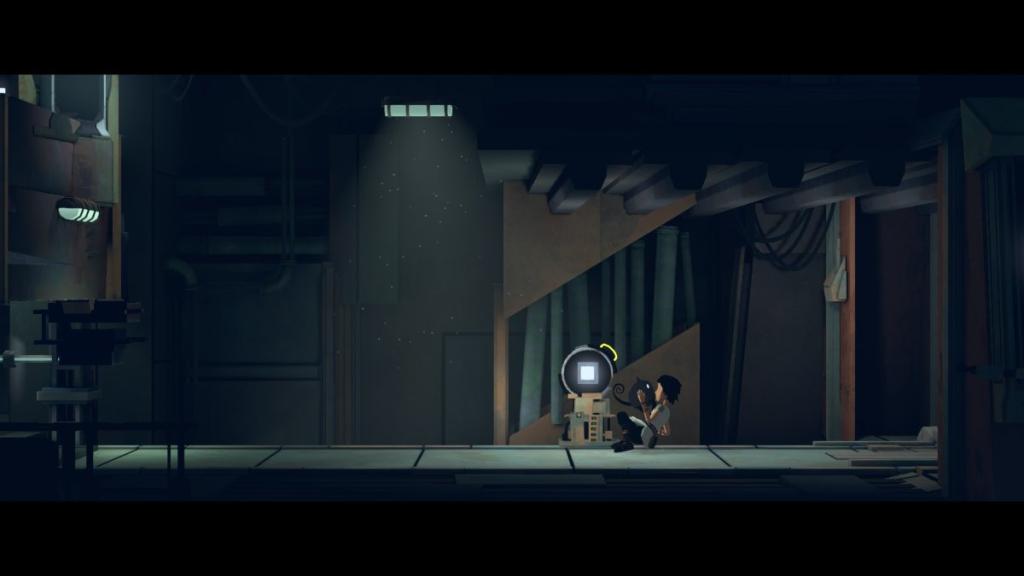
The exact circumstances that compel Lana to embark on this new adventure remain largely unexplained in the demo. While the focus on Mui’s capabilities and the internal dynamics of Novo is evident, the inciting incident that drives Lana away from her home once more is not clearly defined. This deliberate withholding of narrative exposition, while potentially building anticipation, may leave newcomers to the series without a clear understanding of the game’s initial premise. The decision to showcase segments from five distinct chapters, rather than a more cohesive introductory sequence, emphasizes the game’s mechanical advancements but might not fully engage players unfamiliar with the established lore.
Release Details and Platform Availability
Planet of Lana 2: Children of the Leaf is scheduled for release on March 5, 2026. The game will be available on a wide range of platforms, including PC via Steam, Xbox Series X/S, Xbox Game Pass, PlayStation 4, PlayStation 5, Nintendo Switch, and the upcoming Nintendo Switch 2. This broad availability ensures that a wide audience can experience Lana and Mui’s continuing saga.
Background and Context: The Success of the Original Planet of Lana
Released in May 2023, Planet of Lana garnered significant critical acclaim, earning praise for its hand-drawn art style, emotional narrative, and clever puzzle design. Developed by Wishfully Studios and published by Thunderful Publishing, the game was noted for its unique blend of platforming and environmental puzzle-solving, all set against a backdrop of a vibrant and often perilous alien world. The story of Lana, a young girl searching for her sister on a planet overrun by machines, resonated with players and critics alike, cementing its status as a standout indie title. The success of the original laid a strong foundation for its sequel, with anticipation building for a return to Novo and the continuation of Lana’s journey. The original game’s narrative explored themes of loss, resilience, and the unlikely bond formed between a human and an alien companion, setting a high bar for the emotional depth expected in Children of the Leaf.
Analysis of Implications: A Maturing Franchise
The shift in narrative focus from an external threat to internal societal complexities within Novo suggests a maturing franchise. By exploring power dynamics and technological advancement within the alien civilization, Planet of Lana 2 has the potential to offer a more nuanced and thought-provoking story. The expanded gameplay mechanics, particularly Mui’s ability to inhabit other creatures, not only offer more engaging puzzle-solving opportunities but also hint at a deeper exploration of the interconnectedness of life on Novo.
The emphasis on collaborative gameplay between Lana and Mui signals a desire to build upon the emotional core of the original game. Their strengthened partnership, demonstrated through evolved mechanics, suggests a narrative that will delve further into their relationship and mutual growth. This approach can lead to a more resonant and impactful player experience.
The visual and auditory enhancements, drawing inspiration from acclaimed animated films, indicate a commitment to delivering a consistently high-quality aesthetic and immersive atmosphere. This attention to detail is crucial for a game that relies heavily on its presentation to convey emotion and narrative.
While the demo’s narrative ambiguity may be a point of concern for some, it also serves to build intrigue and anticipation for the full release. The developers have clearly signaled their intent to evolve the Planet of Lana experience, offering a sequel that is both familiar and refreshingly new, promising a journey that is as emotionally engaging as it is intellectually stimulating. The broader implications point towards a franchise that is unafraid to evolve, pushing the boundaries of its genre while remaining true to its core artistic and narrative vision.