

The highly anticipated Gears of War: E-Day has significantly amplified player anticipation with the unveiling of its revitalized Horde mode, dubbed "Horde Siege," and a robust competitive multiplayer suite. This evolution of the franchise’s iconic wave-based survival experience, alongside a commitment to rewarding player progression through gameplay alone, marks a pivotal moment for the storied series. The initial reveals suggest a deep, engaging PvE offering that not only honors the legacy of past Horde iterations but also introduces substantial innovation, potentially attracting a broader spectrum of players beyond the core Gears fanbase.
Horde Siege: A Strategic Overhaul of a Fan-Favorite Mode
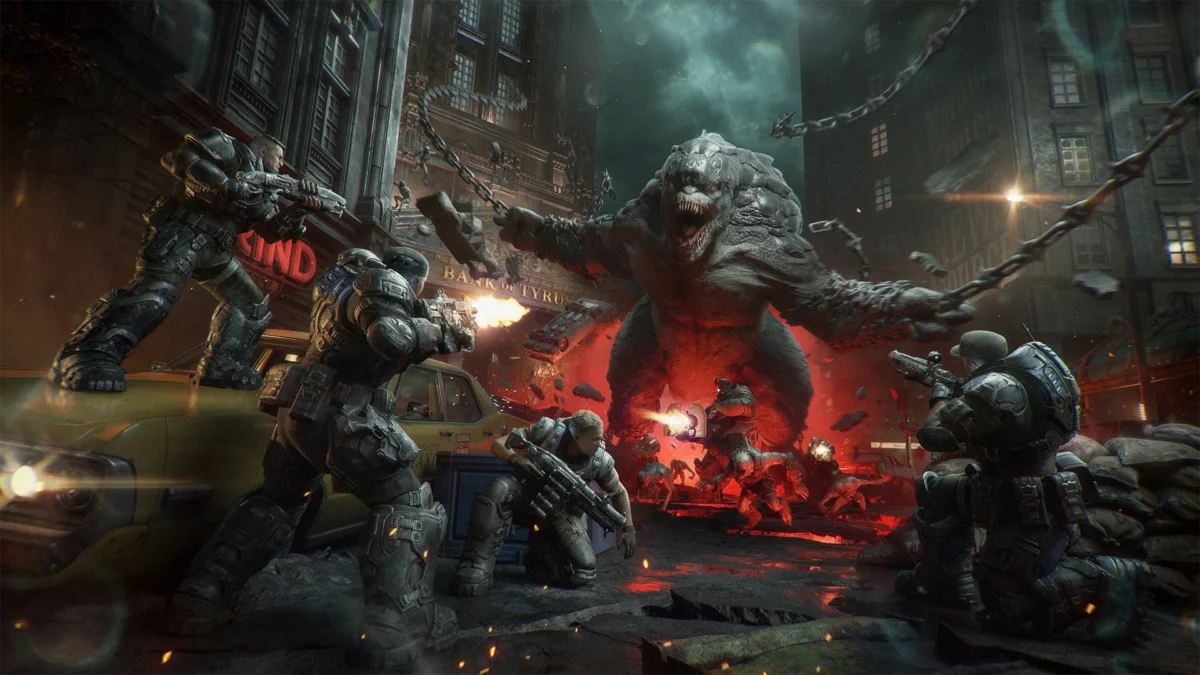
Horde Siege represents a fundamental reimagining of the beloved wave-based cooperative gameplay that has been a staple of the Gears of War franchise since its inception. Building upon the foundations laid by modes in titles like Gears of War 3, which saw millions of hours invested by players worldwide, Horde Siege promises a more dynamic, expansive, and strategically demanding experience. According to official communications from Microsoft, the mode will deploy three distinct squads, each comprising four players, into larger, more intricate maps. This expanded player capacity and map size are designed to foster a more emergent and unpredictable combat environment.
The core innovation of Horde Siege lies in its multifaceted mission structure. Unlike previous iterations where survival was the sole objective, players will now engage in a dynamic series of interconnected missions. Each squad will operate with their own specific objectives, leading to a constant interplay and potential convergence with other squads. This interwoven mission design, coupled with "emergent challenges," ensures that no two playthroughs will be identical. The developers have emphasized that this approach creates a "more dynamic PvE experience where threats, objectives, and opportunities are constantly shifting." This strategic layer of coordination and adaptation will be crucial for players as they navigate increasingly perilous waves of Locust forces.
The tactical depth of Horde Siege is further enhanced by the introduction of selectable classes. Players will be able to choose from distinct roles: Assault, Breacher, Marksman, and Medic. Each class will come equipped with unique loadouts and abilities, fundamentally influencing team composition and strategic decision-making. The Assault class is expected to focus on sustained offensive pressure, while the Breacher might specialize in breaching enemy defenses or dealing with heavy fortifications. Marksmen will likely provide long-range support and precision fire, and the Medic class will be vital for keeping squads alive through healing and support abilities. This class system encourages players to think critically about team synergy, fostering a more coordinated and effective approach to overwhelming enemy assaults.
Beyond class-specific abilities, Horde Siege will also feature a comprehensive weapon modification and customization system, alongside in-game modifiers that can alter the rules of engagement or introduce unique environmental hazards. These layers of customization and adaptation allow players to tailor their loadouts and strategies to specific challenges and enemy types, further deepening the replayability of the mode. The commitment to providing such a rich and evolving PvE experience suggests that Horde Siege is positioned not merely as an add-on, but as a standalone pillar of Gears of War: E-Day, capable of captivating players for extended periods.
A Legacy of Horde: From its Inception to E-Day
The concept of a dedicated wave-based survival mode in Gears of War first captured the imaginations of players with the release of Gears of War 2 in 2008. This initial iteration, simply titled "Horde," tasked players with surviving increasingly difficult waves of Locust enemies on a single map. Its immediate success led to further refinements in subsequent titles.
Gears of War 3, released in 2011, is often cited as the zenith of the original Horde experience. It introduced fortifications, a fabricator system for deploying defensive structures, and a class system that, while less complex than what is now being presented for Horde Siege, laid the groundwork for strategic team play. Players could earn cash from kills and objectives to purchase fortifications like turrets, decoys, and barriers, adding a significant strategic layer to survival. The introduction of boss waves and specialized enemy types also increased the challenge and variety. The success of Horde in Gears of War 3 was a significant factor in the game’s enduring popularity and its ability to maintain a dedicated player base long after its initial release.
The subsequent titles in the series, including Gears of War: Judgment and Gears of War 4, explored different interpretations of Horde mode, with Gears 4 introducing the Fabricator and skill cards that allowed for character specialization. However, the announcement of Horde Siege for Gears of War: E-Day suggests a deliberate effort to recapture the magic of Gears 3‘s Horde while pushing the boundaries of what the mode can offer in terms of scale, complexity, and emergent gameplay. The inclusion of three squads, larger maps, and a mission-driven structure points to an ambitious undertaking that aims to provide a fresh yet familiar experience for long-time fans.
Competitive Multiplayer: A Return to Core Pillars
In parallel with the advancements in Horde Siege, Gears of War: E-Day is also set to feature a robust competitive multiplayer component, a cornerstone of the franchise’s appeal. The initial reveal confirms the return of four distinct multiplayer modes, to be played across six carefully designed maps. This offering aims to cater to both casual players and those seeking a more structured competitive environment, complete with ranked play.
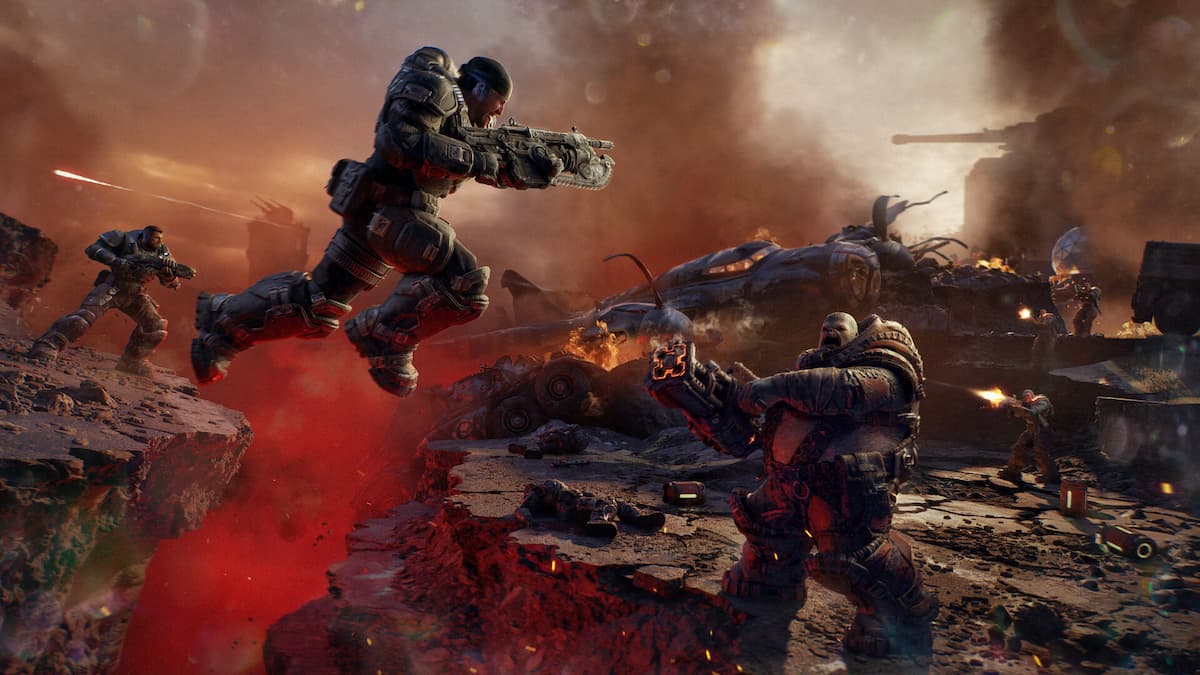
A significant talking point surrounding the multiplayer suite is the developer’s stated commitment to an earnable progression system. In a bold departure from common industry practices such as battle passes and season-based unlocks, the development team has declared that "nearly every single item in Gears of War: E-Day can be earned by simply playing the game." This includes cosmetic items ranging from Legendary character skins and Epic weapon skin sets to Rare emotes and poses. The developers have explicitly stated, "That means no battle pass, no tour of duty, no gimmicks, no bullshit." This philosophy prioritizes player investment and reward through dedicated gameplay, a sentiment that has resonated positively with a segment of the gaming community disillusioned with the prevalence of microtransactions and prescriptive monetization models.
This approach to unlocks has several implications. Firstly, it has the potential to foster a more unified and engaged player base, where progression is tied directly to skill and playtime rather than transactional purchases. Secondly, it could significantly enhance the long-term value proposition of the game, encouraging players to return for extended periods to unlock coveted cosmetic items. This aligns with the historical strengths of the Gears of War franchise, which has always prided itself on offering substantial content and rewarding player dedication. The inclusion of ranked play further suggests a commitment to competitive integrity and the cultivation of a thriving esports scene, a domain where Gears of War has previously seen considerable success.
Context and Timeline: The Road to E-Day
Gears of War: E-Day is set to serve as a prequel to the original Gears of War title, delving into the harrowing events of Emergence Day – the day the Locust Hordes first emerged from the planet Sera’s core. This narrative backdrop offers a unique opportunity to explore the origins of the conflict and the desperate early days of humanity’s fight for survival. The game’s development is being helmed by The Coalition, the studio responsible for Gears of War 4 and Gears 5, who have been at the helm of the franchise since Microsoft acquired the intellectual property from Epic Games.
The announcement of Gears of War: E-Day at the Xbox Games Showcase on July 23, 2024, generated significant excitement, particularly due to the return of Marcus Fenix and Dominic Santiago in their prime. The reveal trailer showcased a grittier, more visceral depiction of the early Locust War, emphasizing the raw terror and desperation that defined this pivotal moment in the Gears universe. The game is slated for release on October 6, 2024, for PC and Xbox Series X|S. This release window places it in a competitive landscape, but the unique narrative focus and the promising enhancements to its core gameplay modes are strong differentiators.
Analysis of Implications
The strategic decisions made by The Coalition for Gears of War: E-Day, particularly concerning Horde Siege and the multiplayer unlock system, carry significant implications for the franchise and the broader gaming industry.
Horde Siege’s Impact: The ambitious design of Horde Siege has the potential to re-energize the PvE cooperative genre. By integrating complex mission structures, class-based team play, and dynamic challenges, the mode moves beyond a simple survival loop. This could attract players who typically gravitate towards more objective-oriented or role-playing-focused cooperative games. Furthermore, the "emergent challenges" and shifting objectives promise a level of replayability that could rival, or even surpass, that of Gears 3‘s legendary Horde mode. The success of Horde Siege could set a new benchmark for cooperative modes in AAA titles, encouraging other developers to invest more heavily in deep, evolving PvE experiences.
Monetization Philosophy’s Broader Reach: The commitment to an entirely earnable cosmetic system is a significant departure from the prevailing trends in live-service games. This approach directly addresses player fatigue with aggressive monetization tactics and could serve as a powerful differentiator for Gears of War: E-Day. If successful, it may encourage other major publishers to reconsider their monetization strategies, potentially leading to a more player-friendly industry landscape. The positive reception from a vocal segment of the gaming community suggests a strong market appetite for this model. This could also foster greater player loyalty and a stronger sense of community, as players feel their time and dedication are genuinely valued.
Narrative Significance: By returning to Emergence Day, Gears of War: E-Day has the opportunity to deepen the lore and emotional resonance of the series. Exploring the origins of the Locust War and the initial struggles of the COG forces provides fertile ground for character development and world-building. This prequel approach could also serve as an accessible entry point for new players, allowing them to experience the foundational events of the Gears universe without needing prior knowledge of the later installments.
In conclusion, Gears of War: E-Day is shaping up to be a significant entry in the franchise. The innovative Horde Siege mode promises to elevate the beloved cooperative experience to new heights, while the commitment to an earnable progression system in multiplayer demonstrates a player-centric approach to game design. With its compelling narrative premise and a clear vision for delivering deep, rewarding gameplay, Gears of War: E-Day is poised to recapture the attention of long-time fans and potentially forge new connections with a wider audience.