


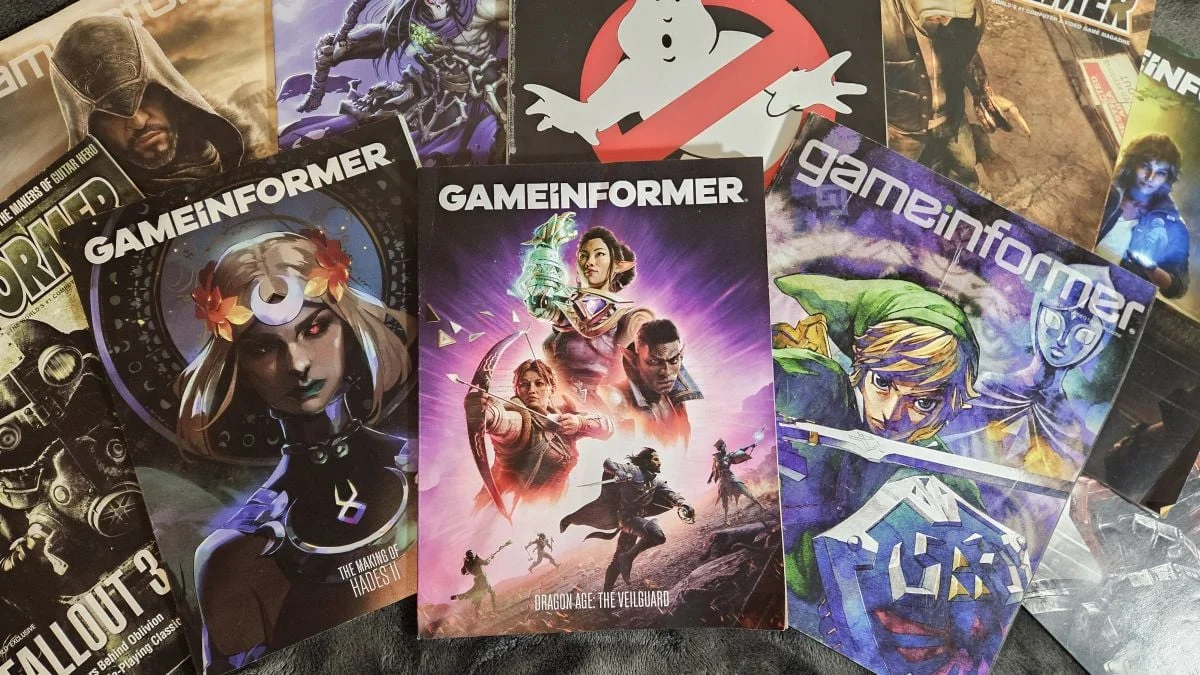
The landscape of video game journalism has been irrevocably altered with the sudden closure of Game Informer, a venerable institution that has chronicled the evolution of the medium for more than thirty years. The decision, announced this morning by parent company GameStop, brings an abrupt halt to both its celebrated print magazine and its extensive online presence. Staff members were reportedly informed of the closure by GameStop corporate leadership, with the entire editorial team being laid off and the magazine’s final issue left incomplete. Kyle Hilliard, former content director for the publication, shared on social media that the upcoming issue was approximately 70% complete and was slated to feature a significant cover story.
This abrupt conclusion to Game Informer’s storied run was confirmed through an official statement released across the publication’s social media channels. The statement, while acknowledging the cessation of print operations, emphasized the enduring spirit of the gaming community. "While our presses may stop, the passion for gaming that we’ve cultivated together will continue to live on," the announcement read, a sentiment echoed by former writers who have begun sharing news of the closure and their own departures on their personal platforms.
The genesis of Game Informer can be traced back to 1991, when it was initially conceived as a modest, in-house newsletter for FuncoLand, a video game retailer that has since ceased to exist. The publication’s trajectory shifted significantly in 2000 when GameStop acquired FuncoLand, thereby inheriting Game Informer. Under GameStop’s stewardship, the magazine rapidly ascended to prominence, becoming an integral component of the company’s customer loyalty program and a widely recognized authority in the burgeoning video game press.
A Legacy Forged in Print and Pixels
For over three decades, Game Informer served as a primary conduit for news, reviews, previews, and in-depth features on the world of video games. Its influence was so profound that by 2010, the magazine had achieved remarkable circulation figures, ranking as the fifth-largest magazine in the United States. This impressive statistic placed it ahead of established giants like Time and Sports Illustrated, underscoring Game Informer’s significant cultural and commercial impact.
The publication navigated a tumultuous media environment, successfully weathering the decline of print journalism, the seismic shift towards digital content, and numerous internal restructuring efforts and layoffs initiated by GameStop. These internal changes often coincided with GameStop’s strategic pivots, including ambitious forays into the cryptocurrency space with NFT marketplaces and its entanglement with the meme stock phenomenon. Despite these corporate upheavals and the inherent volatility of the retail and gaming sectors, Game Informer consistently produced engaging content and iconic cover art that defined the visual identity of many of the era’s most anticipated game releases.
In a notable effort to reinforce its print presence, the Game Informer staff recently endeavored to revitalize its magazine operations by re-launching a dedicated subscription service. This initiative signaled a commitment to the enduring appeal of the physical magazine format, a format that had been instrumental in building the publication’s substantial readership and reputation.
The Enduring Impact of an Industry Stalwart
The description of Game Informer as an "institution" is not an exaggeration; for a significant portion of gamers, particularly those who came of age during its peak, it represented their earliest exposure to dedicated games journalism. The magazine offered a comprehensive and immersive experience, delivering everything from exclusive previews of upcoming titles to thorough reviews of released games, alongside insightful features that explored the broader trends and cultural significance of the medium. Its distinctive and often striking cover art, a hallmark of its print editions, frequently served as a visual announcement of major gaming events and captured the essence of highly anticipated titles.
Beyond its coverage of games themselves, Game Informer fostered a sense of community by spotlighting the individuals who shape the industry. Through opinion pieces, candid interviews, expansive features, and a cherished "letters from the reader" section, the publication provided a platform for diverse voices and perspectives. For many, the tactile experience of holding a Game Informer issue, flipping through its pages, and absorbing its content was a formative aspect of their engagement with gaming culture. The personal impact of these early print issues, as evidenced by former staff and writers reflecting on their collections, highlights the deep connection many felt with the publication.
A Shifting Industry and Uncertain Futures
The closure of Game Informer arrives at a critical juncture for the video game industry, which has seen a significant increase in layoffs in recent years. Industry estimates suggest that thousands of jobs were lost in the sector during 2023 alone, creating an atmosphere of uncertainty for professionals. The disappearance of a long-standing and influential publication like Game Informer, coupled with the ongoing economic pressures and industry consolidation, raises pertinent questions about the future of games journalism and the stability of established media outlets. As more institutions face similar challenges or are significantly scaled back, the path forward for dedicated, high-quality reporting on video games appears increasingly complex and precarious. The loss of Game Informer represents not just the end of a magazine, but a significant contraction in the institutional memory and dedicated reporting capacity within the games media sphere.
Chronology of Game Informer’s Existence
- 1991: Game Informer is launched as a short magazine and in-house newsletter for the video game retailer FuncoLand.
- 2000: GameStop acquires FuncoLand, gaining ownership of Game Informer and integrating it into its operations, particularly as part of its customer loyalty program.
- Circa 2000s-2010s: Game Informer becomes a dominant force in print gaming media, consistently delivering high-quality content and iconic cover art.
- 2010: Game Informer is recognized as the 5th largest magazine in the United States by circulation, surpassing major general interest publications.
- Ongoing: The publication navigates the challenges of declining print readership, the digital media shift, and periodic workforce reductions and strategic realignments within GameStop.
- Recent Past: Game Informer attempts to bolster its print presence by re-launching a subscription service for its magazine.
- Present Day (October 2024): GameStop announces the immediate closure of Game Informer, ceasing both its print and online operations and laying off all staff.
Supporting Data and Context
The decision to close Game Informer reflects broader trends impacting the print media industry and the specific financial pressures faced by its parent company. The sustained decline in print advertising revenue and circulation figures across the publishing world has made it increasingly difficult for magazines to remain profitable. According to industry reports, print advertising spending has seen a steady decrease over the past decade, while digital advertising, though growing, often yields lower revenue per impression compared to print.
GameStop itself has undergone significant financial turbulence in recent years. Following a dramatic surge in its stock price driven by retail investors in early 2021, the company has been attempting to pivot its business model. This pivot has included ventures into emerging technologies like NFTs and blockchain, as well as efforts to streamline its retail operations. The closure of Game Informer can be viewed as a cost-saving measure within this larger strategic realignment, prioritizing resources towards other business initiatives deemed more critical for GameStop’s future. The substantial costs associated with maintaining a print publication, including printing, distribution, and editorial overhead, likely contributed to the decision in the context of GameStop’s financial objectives.
Official Statements and Industry Reactions
The official statement from Game Informer’s social media channels conveyed a message of continuity for the passion of gaming, despite the cessation of its platform. "While our presses may stop, the passion for gaming that we’ve cultivated together will continue to live on," the statement read. This sentiment was crucial in framing the closure not as an end to the community Game Informer served, but as a transition.
While specific formal reactions from other major games media outlets have been limited in the immediate aftermath, the closure has generated significant discussion and expressions of regret on social media platforms and industry forums. Many journalists, developers, and long-time readers have shared personal anecdotes and tributes, highlighting Game Informer’s historical significance and the impact of its staff. The laid-off employees themselves have been vocal in sharing their experiences and seeking new opportunities, underscoring the human cost of such closures.
Analysis of Implications
The closure of Game Informer carries significant implications for the future of games journalism and the industry at large. Firstly, it represents a substantial loss of experienced journalistic talent and a reduction in the available resources dedicated to in-depth reporting on video games. The unique ecosystem of games media, which relies on a diverse range of publications to provide comprehensive coverage, is diminished by the absence of such a prominent voice.
Secondly, the event underscores the precarious financial models that often govern games media. The reliance on corporate ownership, particularly from entities with fluctuating business priorities like GameStop, can lead to abrupt and impactful decisions that affect established publications. This raises questions about the sustainability of independent journalism in the gaming space and the potential for future closures of other outlets.
Furthermore, the loss of a publication with Game Informer’s longevity and reach means a reduction in the historical record of the video game industry. Its archives, spanning over three decades, represent a valuable repository of information, analysis, and cultural commentary. The institutional knowledge embedded within its editorial team, now dispersed, is also a significant loss. As the industry continues to evolve rapidly, the demand for well-researched, critical, and comprehensive journalism remains high. The closure of Game Informer serves as a stark reminder of the challenges faced by the media sector and the ongoing need for robust support for journalistic endeavors in the digital age. The future of games media will likely depend on innovative business models, strong community engagement, and continued dedication from journalists committed to chronicling this dynamic and ever-expanding field.