


EA Sports’ annual hockey simulation, NHL 27, is poised for release on September 11th, introducing two highly anticipated features designed to significantly refresh the franchise: the reintroduction of the Connected Franchise mode and a comprehensive overhaul of its in-game presentation. These developments address long-standing community feedback and represent a strategic move by EA Sports to enhance player engagement and deliver a more authentic hockey experience.
The Return of Connected Franchise: A Community-Driven Revival
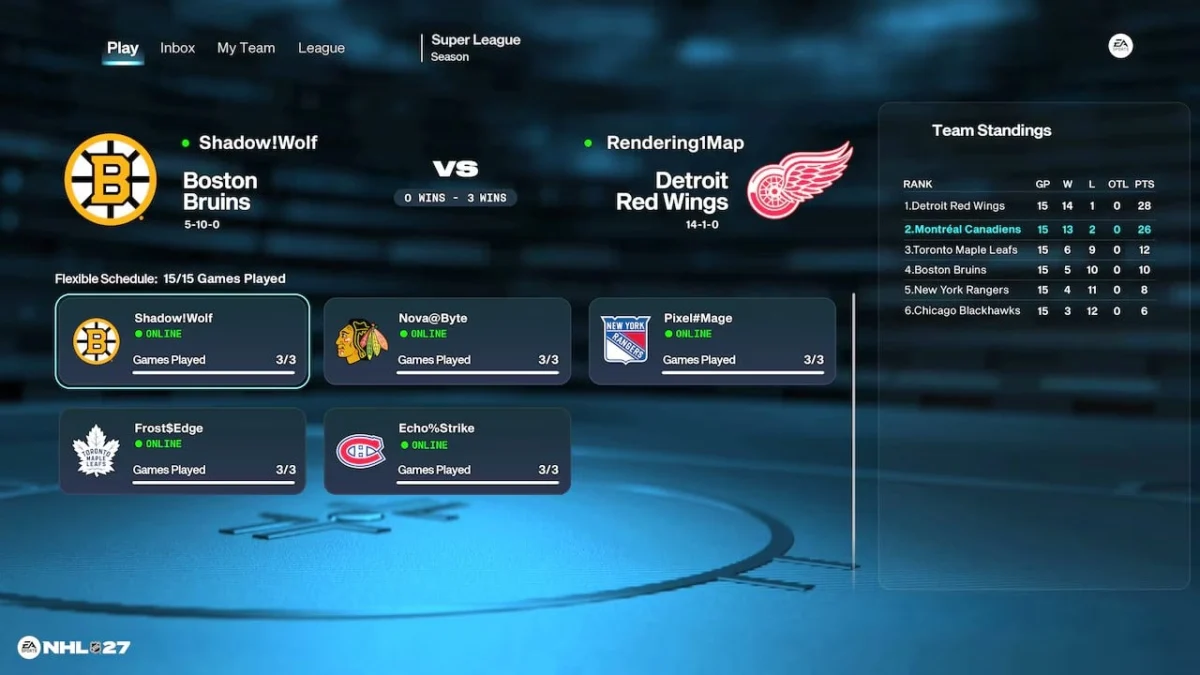
The most prominent feature making its comeback in NHL 27 is the Connected Franchise mode, a fan-favorite online experience that allows players to participate in full seasons with other human-controlled teams. This mode, which facilitates the creation and management of online leagues, was notably absent from the series following its removal shortly after the release of NHL 14 during the Xbox 360 era. Its initial discontinuation was reportedly attributed to a perceived lack of player interest, a rationale that was consistently challenged by a vocal segment of the fanbase over the ensuing decade.
The reintroduction of Connected Franchise in NHL 27 marks a significant pivot for EA Sports, acknowledging years of persistent community requests. For many players, the ability to engage in a sustained, competitive online league environment with friends or fellow enthusiasts represents the pinnacle of sports gaming’s social aspect. The absence of such a mode has often been cited by fans as a critical gap in the NHL series’ offerings, particularly when compared to other major sports titles that maintain robust online league functionalities.
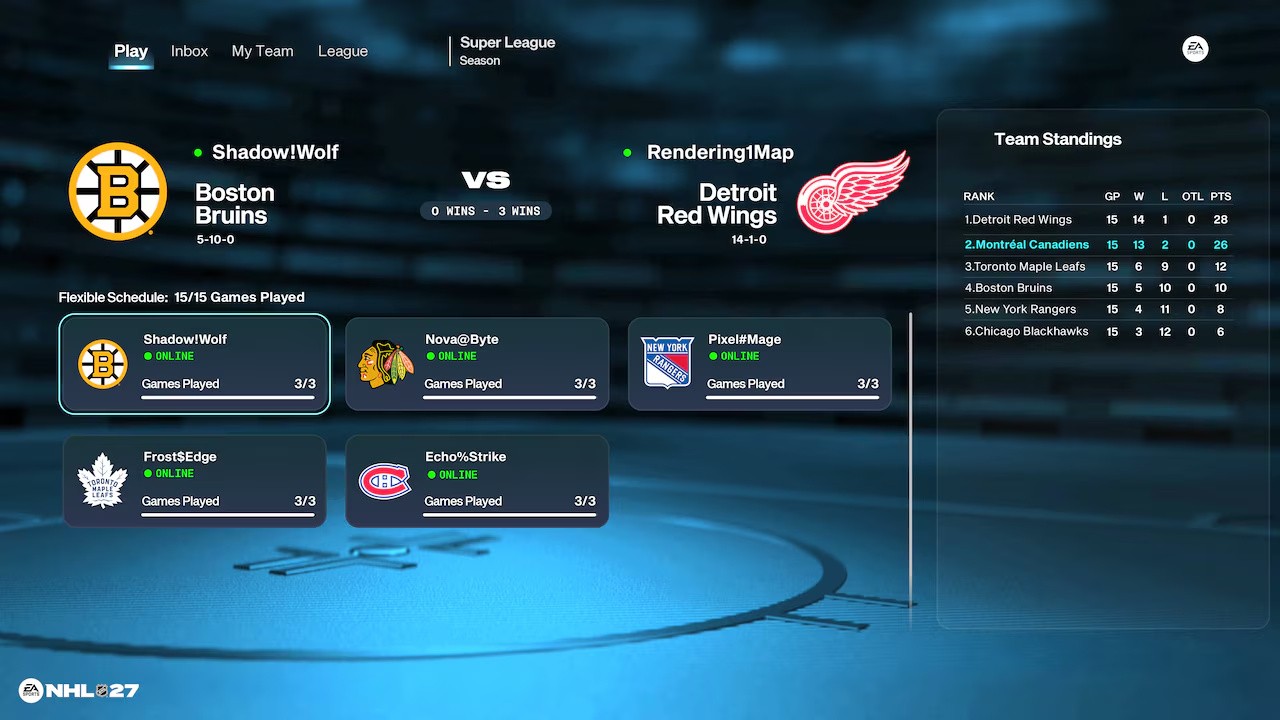
According to developer insights gleaned from community discussions and promotional materials, the revitalized Connected Franchise mode is designed to be highly customizable and robust. It will enable up to 32 human-controlled teams, mirroring the structure of the actual NHL. League commissioners will be equipped with a comprehensive suite of tools to manage their leagues, including flexible scheduling options, in-depth roster management capabilities, and administrative controls to foster a dynamic and fair competitive environment. Players will have the autonomy to create their leagues, build their preferred teams through drafting and trading, manage their rosters, and cultivate both new and historic rivalries across a full online season. This emphasis on player agency and community governance is expected to rekindle interest among those who value long-term, organized online competition over casual matchups.
The decade-long hiatus of Connected Franchise underscores a broader trend within the sports gaming industry, where developers grapple with balancing innovation, technical constraints, and evolving player expectations. The decision to remove it initially may have been influenced by development resources being allocated elsewhere or a misjudgment of its core audience’s dedication. However, the sustained outcry from the community served as a powerful testament to its enduring appeal, demonstrating that for a significant segment of the player base, the social and managerial depth offered by such a mode is paramount to their overall gaming experience. Its return is not merely a feature addition but a symbolic gesture of listening to and valuing the player community.
Elevating Immersion: The Presentation Overhaul
Beyond the return of Connected Franchise, NHL 27 is also set to debut with a massively revamped presentation suite, directly addressing another area that has drawn significant criticism in recent iterations of the series. For several years, the in-game presentation of the NHL franchise has been described by critics and players alike as static, repetitive, and lacking the dynamic authenticity found in real-world hockey broadcasts. Reviews, including those for NHL 26, frequently highlighted the series’ struggles on the presentation front, noting a disconnect between the high-fidelity gameplay and a comparatively lackluster broadcast experience.
The new presentation package for NHL 27 aims to bridge this gap by introducing "Authentic Atmospheres" across all 32 NHL arenas. This initiative is designed to meticulously capture the unique soundscapes, visual spectacles, and distinct identities of each home team’s venue. This level of detail extends to the inclusion of real-world goal songs specific to each team, new pregame introductions that aim to heighten anticipation, and a fully overhauled crowd system. The crowd, a critical element in conveying stadium energy, has been re-engineered to be more reactive and visually diverse, bringing every virtual building closer to its real-world counterpart. These enhancements are crucial for immersing players in the game, making each matchup feel unique and reflective of the actual NHL experience.
A significant component of this presentation refresh is a completely new broadcast package. This includes the introduction of new commentators, John Buccigross and Darren Pang, who will bring fresh voices and perspectives to the game’s commentary. Their inclusion signals a departure from previous commentary teams, often criticized for their repetitive lines and lack of contextual depth. Alongside the new voices, the broadcast will feature modern broadcast graphics, updated visual overlays, and more contextual storytelling throughout each matchup. This means that the on-screen information, replays, and analytical segments will be more dynamic and relevant to the unfolding game, aiming to provide a cleaner, more authentic NHL feel from the moment the puck drops until the final horn sounds.
The focus on presentation is not merely aesthetic; it profoundly impacts player engagement and the perception of realism. In modern sports simulations, the line between gameplay and broadcast experience blurs, with players expecting a seamless transition that mirrors television coverage. A robust presentation package enhances the narrative of each game, highlights key moments, and celebrates victories with appropriate flair. This overhaul signifies EA Sports’ commitment to delivering a holistic experience, where the visual and auditory elements are as polished and engaging as the on-ice action itself. The challenges in achieving this often involve significant investment in motion capture, audio recording, and graphic design, all while ensuring optimal performance within the Frostbite Engine, which powers the series.
Broader Implications and Market Context
The strategic decisions behind NHL 27’s development, particularly the reintroduction of Connected Franchise and the presentation overhaul, carry significant implications for the franchise and the broader sports gaming market. For EA Sports, these moves represent a direct response to consumer demand, a crucial element in maintaining brand loyalty and market share in the highly competitive annual sports title cycle.
The return of Connected Franchise is expected to reactivate a segment of the player base that may have disengaged from the series due to the lack of this specific online mode. It also positions NHL 27 more competitively against other major sports simulations like Madden NFL, FIFA (now EA Sports FC), and NBA 2K, which have long offered sophisticated online league systems. By providing a deep, social, and long-term online experience, EA Sports aims to foster a more dedicated and enduring community around NHL 27, potentially increasing player retention rates and overall playtime. This could also translate into stronger engagement with potential live service elements or seasonal content updates that could be integrated into the online league structure.
Similarly, the presentation enhancements are vital for attracting new players and retaining existing ones who seek a premium, immersive experience. In an era where graphical fidelity and realism are paramount, a polished presentation package is often the first impression a game makes. By delivering "Authentic Atmospheres" and a refreshed broadcast, NHL 27 aims to stand out visually and aurally, reducing the criticism that has plagued previous entries and elevating the perceived quality of the entire product. This could also appeal to casual fans of hockey who are looking for a game that closely mimics televised NHL action.
The game’s availability on Xbox Game Pass Ultimate in early September for a 10-hour trial period is another strategic move. This integration into a major subscription service allows a wider audience to sample the game without an upfront purchase, potentially converting trial users into full purchasers or long-term Game Pass subscribers. This model has proven effective for other titles in expanding their player base and generating buzz prior to the official launch. For NHL 27, this offers a significant opportunity to showcase the new features and improvements to a broad audience, leveraging the expansive reach of Microsoft’s gaming ecosystem.
Anticipation and Future Outlook
The launch of NHL 27 on September 11th is thus poised to be a pivotal moment for the franchise. The confluence of a highly requested online mode and a much-needed visual and auditory refresh signals a renewed commitment from EA Sports to addressing its community’s core desires. While the underlying Frostbite Engine has sometimes faced scrutiny regarding its suitability for hockey simulations, these off-ice improvements are precisely what many fans and critics have advocated for, recognizing that a truly great sports game extends beyond just gameplay mechanics to encompass the entire immersive experience.
The success of these new features will ultimately be determined by player reception post-launch. The depth and stability of Connected Franchise, along with the consistent quality and variety of the new presentation elements, will be under close scrutiny. However, the stated intentions and initial details suggest a significant step forward for the NHL series, aiming to deliver a more complete, engaging, and authentic hockey simulation that resonates with its dedicated fanbase and attracts new players to the virtual ice. The journey from NHL 14’s Connected Franchise removal to its triumphant return in NHL 27 exemplifies the dynamic relationship between game developers and their communities, highlighting the power of sustained feedback in shaping the evolution of beloved franchises.