



As global economic pressures, particularly escalating food prices and broader inflationary trends, continue to impact household budgets worldwide, consumers are increasingly seeking methods to optimize discretionary spending. For the avid gamer, this translates into a heightened imperative to discover and implement cost-effective strategies for enjoying their passion. The video game industry, a multi-billion-dollar global market, has responded to these evolving consumer behaviors with diverse options, making savvy purchasing and access strategies more critical than ever. Understanding these avenues allows players to maintain their engagement with new and classic titles without undue financial strain, ensuring that gaming remains an accessible and enjoyable form of entertainment.
The Evolving Landscape of Game Acquisition
Historically, game acquisition primarily involved purchasing physical cartridges or discs from dedicated retailers. The advent of digital distribution revolutionized this model, offering convenience but also fundamentally altering price structures and ownership concepts. In recent years, a further evolution has seen subscription services and community-driven platforms gain prominence, shifting the focus from outright ownership to access and value. This transformation is particularly relevant in an era where the average cost of a new AAA title can range from $60 to $70 USD, a significant investment for many. The global video game market, valued at over $200 billion in 2022, continues to grow, but consumer spending habits within it are adapting to wider economic realities, emphasizing the search for value and smart consumption.
Leveraging Community Resources: Public Libraries
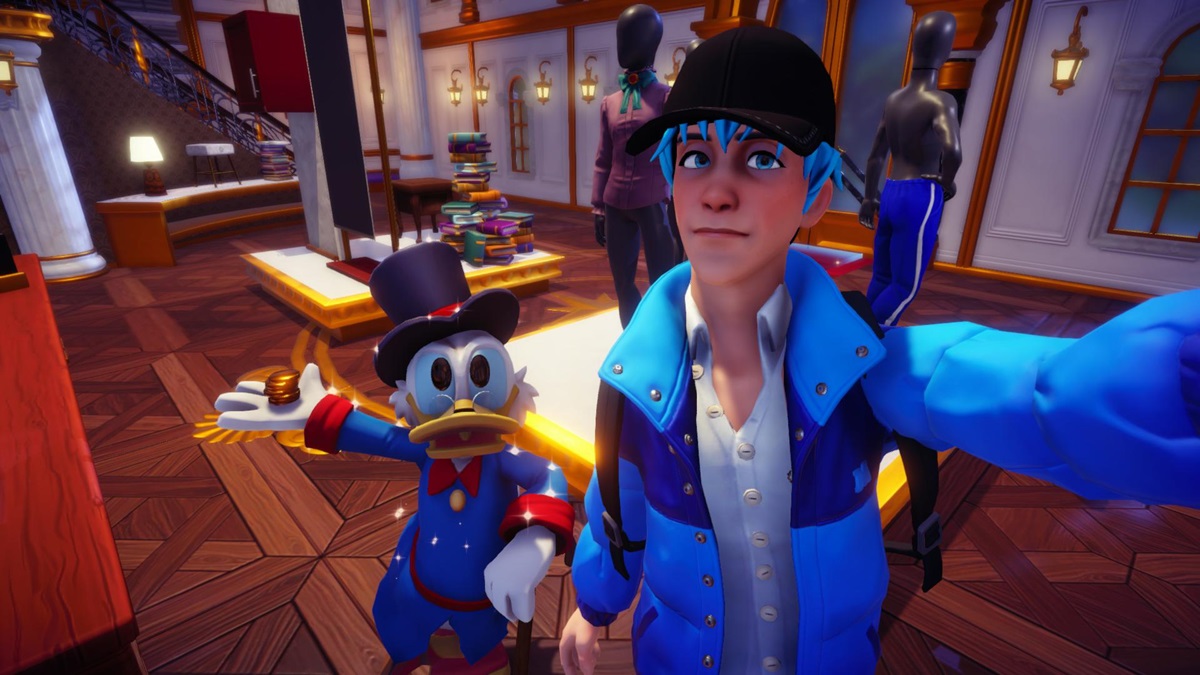
One often-overlooked yet highly effective strategy for economical gaming is utilizing public libraries. Many modern public library systems have expanded their collections beyond traditional books and films to include video games for various platforms. This initiative reflects libraries’ evolving role as community hubs that cater to diverse informational and recreational needs. For instance, the Edmonton Public Library (EPL) in Canada is cited as a prime example, offering a robust video game lending program. While there might be a typical delay of approximately one month for new releases to become available, this service provides an invaluable opportunity for gamers to catch up on popular franchises like Resident Evil and Fire Emblem entirely free of charge.
The availability of games at libraries not only reduces personal expenditure but also promotes a broader appreciation for gaming as a cultural medium, aligning with the educational and recreational mandates of public institutions. Libraries often acquire a wide array of titles, from family-friendly games to mature-rated blockbusters, ensuring broad appeal. This model also inherently supports sustainability by encouraging shared access rather than individual purchases, reducing the demand for new physical copies and contributing to a circular economy. The primary limitation often lies in the lead time for acquiring the latest titles and the potential for long waiting lists for popular games, but for patient players, it represents an unparalleled source of free entertainment.
Digital Deal Hunters: Websites and Online Communities
The digital age has fostered a vibrant ecosystem for finding video game deals through specialized websites and online communities. These platforms serve as aggregators, compiling discounts from various digital storefronts and physical retailers, often in real-time. Websites such as Cheap Ass Gamer and Game Deals Canada are exemplary resources, meticulously tracking price drops and promotional offers across different regions and platforms. These sites become particularly invaluable during major sales events like Black Friday, Cyber Monday, and seasonal promotions, where discounts can reach up to 70% or 80% off original prices.
Beyond dedicated deal websites, social media platforms and forums, notably Reddit, host highly active communities centered on game deals. Subreddits like r/GameDeals and r/NintendoSwitchDeals are continuously updated by a global network of users, ensuring that members receive timely notifications about sales, bundles, and limited-time offers. These communities often provide additional context, such as historical low prices, user reviews, and discussions about the quality of specific deals, empowering consumers to make informed purchasing decisions. The collective intelligence of these communities acts as a powerful tool against impulse buying, guiding users towards genuinely good values and helping them navigate the often-overwhelming landscape of digital storefront sales. The rise of these platforms underscores a shift towards more informed and community-driven consumer behavior in the gaming market.

The Secondhand Market: Facebook Marketplace, Thrift Stores, and Pawn Shops
For gamers seeking immediate savings on individual titles, the secondhand market offers compelling advantages. Platforms like Facebook Marketplace facilitate peer-to-peer transactions, allowing individuals to buy and sell used games directly. This often results in prices significantly lower than new retail copies, even for relatively recent releases. For example, finding titles such as Final Fantasy XVI or Armored Core VI Fires of Rubicon for $60 Canadian (approximately $45 US) just months after their release illustrates the substantial savings possible. The key to success on these platforms often lies in quick response times and local availability, as desirable deals can be snapped up rapidly.
Beyond peer-to-peer sales, traditional secondhand outlets like thrift stores and pawn shops remain viable options. While inventory can be unpredictable, these establishments occasionally yield significant finds. A recent observation of Mario Tennis Aces, typically an expensive Nintendo Switch title, priced at $35 CAD (around $25 USD) at a pawn shop highlights the potential for substantial discounts on modern games. Furthermore, thrift stores, with their often eclectic and unpredictable stock, can be treasure troves for retro gaming enthusiasts, occasionally harboring valuable and rare PlayStation 2 titles, such as the sought-after port of Harry Potter and the Sorcerer’s Stone. The secondhand market not only provides economic benefits but also contributes to the longevity of physical game media, fostering a culture of reuse and collection.
Value-Driven Bundles and Subscription Services
The digital distribution model has also given rise to highly attractive game bundles and subscription services, which offer immense value for money, especially for PC gamers and console users looking for broad access rather than individual ownership.
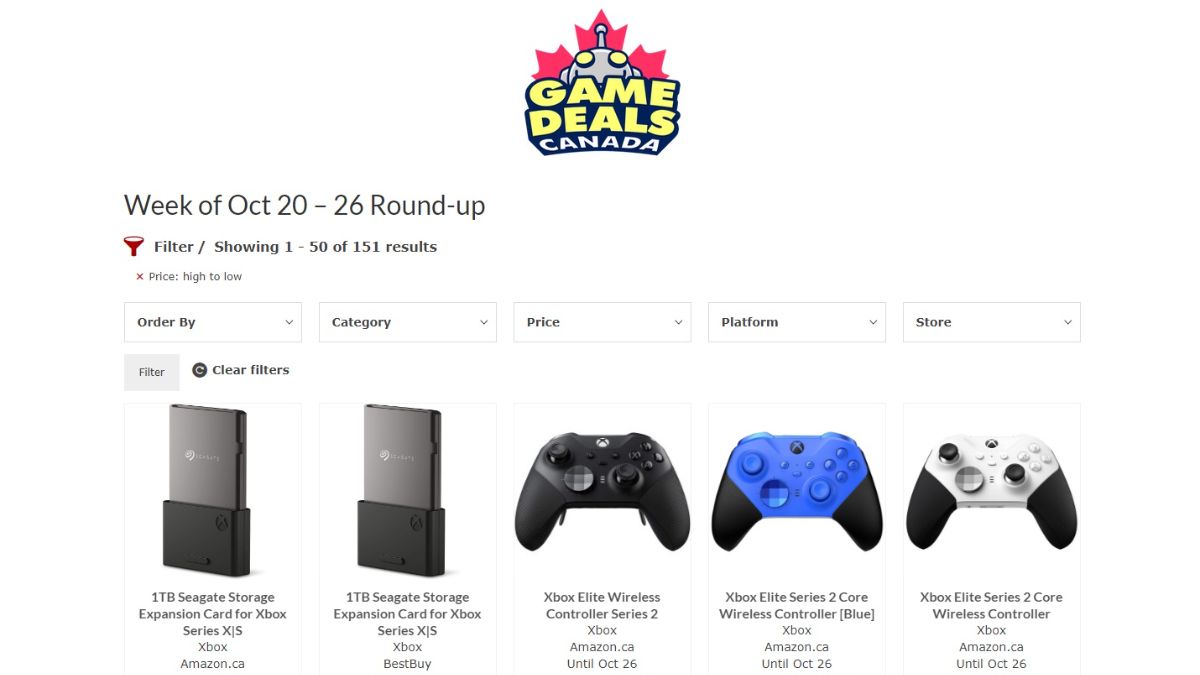
Game Bundles: Retailers like Humble Bundle and Fanatical have perfected the art of curating game bundles. Humble Bundle, in particular, is renowned for its "pay-what-you-want" model, often tying bundles to charitable causes, allowing gamers to acquire a collection of titles while simultaneously supporting philanthropy. An example from October 2023, the "Laugh Till You Die: Multiplayer Mayhem charity bundle," included seven popular games like PlateUp! and Ultimate Chicken Horse for approximately $10 USD. Considering PlateUp! alone typically retails for $19.99 USD, the value proposition is clear. Fanatical offers similar deals, including "build-your-own-bundle" options, where customers can select a set number of games from a curated list for a tiered price. The "Build Your Own Play As You Go Premium Edition" bundle, also from October, featured high-quality titles such as Wolfenstein 2: The New Colossus, Doom, and The Walking Dead: The Telltale Series The Final Season. Purchasing three games for about $10 or seven for around $20 provides substantial savings compared to buying each game individually. These bundles are a boon for players looking to expand their libraries with quality titles without breaking the bank.
Subscription Models: Perhaps the most transformative development in economical gaming has been the widespread adoption of subscription services. Xbox Game Pass and PlayStation Plus Extra stand out as industry leaders, offering extensive libraries of games for a monthly fee typically under $20 USD.
- Xbox Game Pass: This service is often lauded for its aggressive strategy of launching new, highly anticipated titles day-one on the platform, including major first-party releases like Starfield and Forza Motorsport, as well as prominent third-party games such as Lies of P. It also provides access to the entirety of iconic franchises like Halo and Gears of War, alongside a diverse selection of indie gems (e.g., Celeste, Inside) and popular titles like Disney Dreamlight Valley. With tens of millions of subscribers globally, Game Pass represents a significant shift in how many consumers access their gaming content, providing a vast catalog for a predictable monthly cost.
- PlayStation Plus Extra: Sony’s competing tier, PlayStation Plus Extra, also boasts an impressive catalog, featuring critically acclaimed titles like Ratchet & Clank: Rift Apart, Demon’s Souls (PS5), and Marvel’s Spider-Man: Miles Morales. It serves as an excellent way for players to catch up on games they might have missed, as evidenced by the inclusion of NieR Replicant. While it generally does not offer day-one access to new first-party releases in the same vein as Game Pass, its curated selection of past blockbusters and beloved titles provides immense value, allowing subscribers to explore a rich history of PlayStation gaming.
These subscription services fundamentally alter the consumer value proposition, moving from individual game purchases to an "all-you-can-play" model, which can lead to significant savings for active gamers.
Leveraging Loyalty Programs and Rewards
Beyond direct purchasing and subscription models, various platforms offer loyalty programs that convert regular engagement and spending into tangible savings. These programs reward users for their loyalty, effectively turning routine activities into opportunities for discounts.
- Microsoft Rewards (Bing): An often-underestimated program, Microsoft Rewards allows users to earn points through everyday activities like using Bing for web searches, completing short quizzes, and engaging with Microsoft products. These points can then be redeemed for various rewards, including Xbox gift cards, which can be applied to game purchases, DLC, or even subscription renewals. Many users report saving $50 or more annually through consistent engagement. The program also offers options for in-game currency for popular titles like Overwatch and League of Legends, providing flexible value for different types of gamers. This system effectively monetizes user engagement, turning passive browsing into tangible gaming benefits.
- PlayStation Stars: Sony’s loyalty program, PlayStation Stars, rewards players for purchases on the PlayStation Store and for completing specific tasks within the PlayStation App. These tasks might include playing games from the monthly PlayStation Plus lineup or checking out new titles. Accumulated points can then be exchanged for digital gift cards or even full digital games like Cuphead. This program incentivizes continued engagement with the PlayStation ecosystem, offering a direct return on investment for dedicated players.
- My Nintendo Gold Points: Nintendo’s equivalent, My Nintendo, offers Gold Points for digital purchases on the Nintendo eShop. Typically, players receive points equivalent to 5% of their digital purchase price (e.g., $4 back on an $80 game). While My Nintendo does not feature additional tasks for earning currency like PlayStation Stars, the Gold Points can be directly applied as discounts on future eShop purchases, providing a consistent, albeit smaller, rebate on digital game acquisitions.
These loyalty programs, while varying in their earning potential and redemption options, collectively provide a means for gamers to accrue savings over time, reducing the overall cost of their hobby through consistent engagement with their preferred platforms.
The Power of Personal Networks: Borrowing from Friends
In an age dominated by digital transactions, the simple act of borrowing games from friends remains one of the most direct and entirely free methods of accessing new titles. This strategy relies on social connections and mutual trust, offering a no-cost alternative to purchasing. If a friend owns a game like Call of Duty: Modern Warfare 3 but is currently immersed in Diablo 4, a polite request to borrow their copy can provide immediate access to the game without any financial outlay. This not only saves money but also fosters community and shared experiences among friends. The only critical consideration is establishing a clear understanding regarding the return of the borrowed title, ensuring the friendship remains intact. This method, while perhaps less scalable than digital services, embodies a fundamental aspect of gaming culture – sharing and community.
Strategic Retail Shopping: Flyers and Online Deal Sections
Despite the rise of digital storefronts, traditional retail channels continue to offer competitive deals that can significantly reduce game costs. Reading weekly flyers, particularly in regions like Canada where they remain prevalent, can uncover surprising discounts on both new and older titles. While physical flyers may be less common for some American brands, their online counterparts – the "deals" or "sales" sections of major retailer websites – serve the same purpose. For instance, a casual check of Walmart’s online deals page in October revealed Yoshi’s Crafted World discounted by $10 and The Legend of Zelda: Link’s Awakening by $20. These spontaneous discounts highlight the importance of regularly monitoring retail channels, both physical and digital, as part of a comprehensive money-saving strategy. Timing purchases around these sales, rather than buying at launch, can lead to substantial savings, making patience a valuable virtue for the budget-conscious gamer.

Implications for the Gaming Industry and Consumers
The collective rise of these diverse money-saving strategies has significant implications for both the gaming industry and consumers. For players, it democratizes access to gaming, making a broader range of titles available regardless of budget constraints. It encourages a more discerning approach to purchases, moving away from immediate gratification towards value-driven consumption. The availability of free and low-cost options also means that players are more likely to experiment with genres or titles they might not otherwise have considered, fostering a richer and more varied gaming experience.
For the gaming industry, these trends necessitate a continuous adaptation of business models. Publishers and developers are increasingly focused on creating compelling subscription service content, optimizing pricing strategies for digital sales, and engaging with the secondhand market indirectly through trade-in programs or loyalty rewards. The shift towards access over ownership, exemplified by Game Pass and PlayStation Plus Extra, is reshaping how games are monetized and consumed, emphasizing recurring revenue streams and ecosystem lock-in. Furthermore, the robust secondhand market and community-driven deal hunting reinforce the importance of value retention and consumer loyalty. As economic uncertainties persist, the gaming industry’s ability to innovate in delivering value will be paramount to its continued growth and accessibility for a global audience.
In conclusion, navigating the modern gaming landscape while adhering to a budget requires a multifaceted approach. From leveraging community resources like libraries to strategically utilizing digital deal platforms, secondhand markets, game bundles, and loyalty programs, gamers have an unprecedented array of tools at their disposal. By combining these strategies, players can continue to enjoy their passion for video games, proving that an enriching gaming experience does not necessarily demand a premium price, even in challenging economic times.