


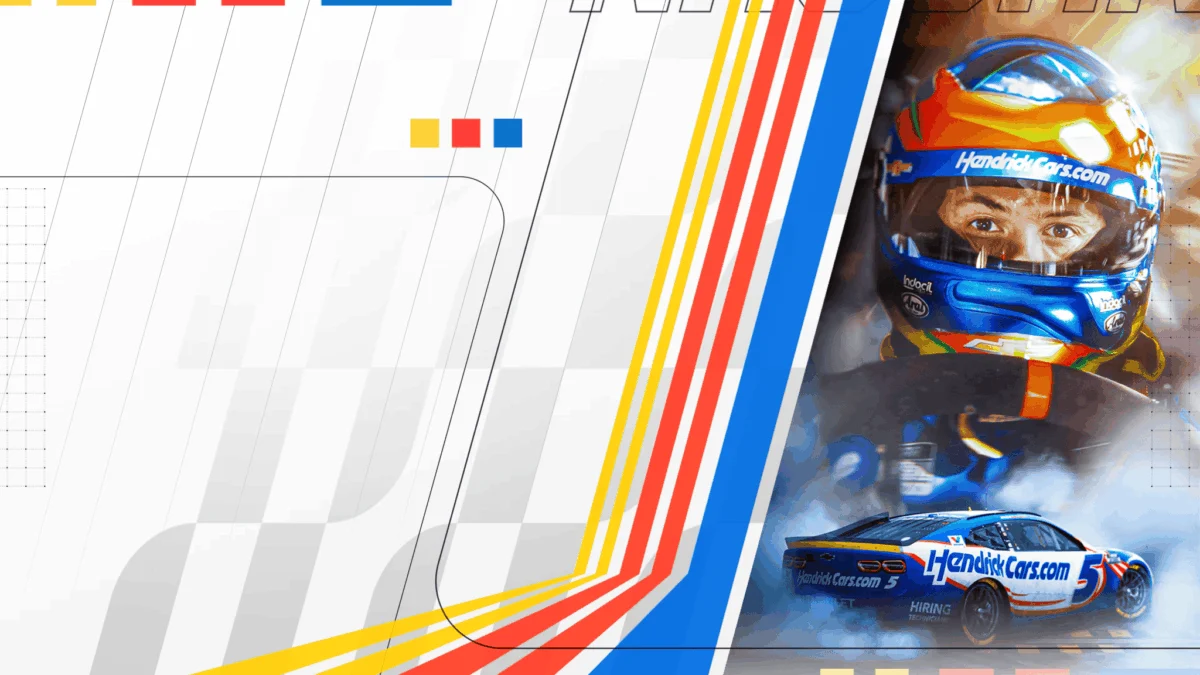
NASCAR 26 marks the second annual installment in the premier stock car racing franchise since the license was acquired by iRacing.com Motorsport Simulations. Following the transitional period established by its predecessor, the latest title seeks to refine the technical foundations of console-based oval racing. Developed with a focus on balancing the high-fidelity physics synonymous with the iRacing brand and the accessibility required for a mainstream console audience, the game has been deployed on Xbox Series X and Xbox Series S. The release arrives at a critical juncture for the sport’s digital presence, as the partnership between NASCAR and iRacing continues to move away from the tumultuous era of previous license holders.
The Evolution of the NASCAR Gaming License
To understand the significance of NASCAR 26, it is necessary to examine the chronology of the franchise’s development. For several years, the NASCAR license was held by Motorsport Games, a period marked by technical instability and the widely criticized launch of NASCAR 21: Ignition. In late 2023, iRacing—a company with over two decades of experience in high-end PC simulation—announced the acquisition of the exclusive simulation racing license for NASCAR.
The strategy for the transition was two-fold: first, to stabilize the brand with NASCAR 25, and second, to expand the feature set and technical polish with NASCAR 26. This latest iteration represents the first full development cycle under the new stewardship where feedback from the initial launch has been integrated into the core engine. The result is a title that emphasizes mechanical reliability and authentic race weekend procedures over the arcade-style mechanics seen in earlier non-iRacing efforts.

Technical Architecture and Racing Physics
At the core of NASCAR 26 is a modified version of the physics engine that has made iRacing a staple in professional motorsport training. While the console version is streamlined to accommodate gamepad controllers, the underlying calculations for tire heat, fuel consumption, and aerodynamic drafting remain sophisticated.
A significant addition to the 2026 title is the "Dynamic Track Evolution" system. As a race progresses, the asphalt surface undergoes physical changes based on the number of cars on track and the lines they take. "Rubbering in"—the process where tire fragments adhere to the track surface—creates varying levels of grip. This forces players to adapt their racing lines as a long stint progresses, moving from the bottom of the track to the "high line" to find cooler pavement or better traction.
Furthermore, the management of the "Next Gen" car’s aerodynamics is more pronounced this year. The impact of the "draft"—the pocket of low air pressure behind a leading vehicle—is modeled with high precision. This is particularly evident on superspeedways like Daytona International Speedway and Talladega Superspeedway, where maintaining a "bump draft" or managing engine temperatures while following closely becomes a critical strategic element.
Multiplayer Infrastructure and the Introduction of Cross-Play
The multiplayer suite in NASCAR 26 serves as the primary engagement hub for the community. In a departure from the complex, license-gated matchmaking of the iRacing PC service, NASCAR 26 utilizes a more traditional server browser system. This allows for a "pick-up-and-play" experience while still supporting large-scale events.

One of the most significant milestones in the 2026 edition is the implementation of full cross-platform play. This feature addresses one of the primary criticisms of the 2025 launch, effectively unifying the player base across different hardware ecosystems. By allowing Xbox and potentially other console and PC players to compete in the same lobbies, the game ensures shorter wait times and fuller grids.
The multiplayer environment supports up to 40 players, reflecting a full real-world NASCAR Cup Series field. Players have the agency to host private or public sessions with highly customizable parameters, including:
- Race Length: Ranging from short sprints to full-distance 500-mile endurance tests.
- Damage Sensitivity: Options for visual-only damage or full mechanical failure.
- Caution Flags: Automated yellow flag periods triggered by incidents, which reshuffle the field and open windows for pit strategy.
- Tire and Fuel Scaling: The ability to accelerate wear and consumption rates to make strategy a factor in shorter races.
Despite these improvements, the multiplayer system remains lean in terms of social features. There is currently no dedicated ranked ladder or professional-tier license system integrated into the console UI, which may be viewed as a missed opportunity for those seeking a more structured competitive environment.
Career Mode: From ARCA to the Cup Series Championship
The single-player component of NASCAR 26 centers on a comprehensive Career Mode. This mode follows a linear progression through the various tiers of the NASCAR ladder, beginning with the ARCA Menards Series. Players must demonstrate proficiency in regional qualifiers before earning contracts in the NASCAR Craftsman Truck Series, the NASCAR Xfinity Series, and finally, the NASCAR Cup Series.

The 2026 iteration introduces deeper customization for the Artificial Intelligence (AI). Players can now modify driver ratings, allowing them to simulate specific historical eras or create custom rivalries. The AI behavior has been tuned to reflect real-world driving styles; for instance, certain AI drivers are more aggressive in blocking maneuvers, while others prioritize fuel saving and long-run pace.
The career mode also features cameos and mentorships from legendary figures in the sport. Digital likenesses of drivers such as Dale Earnhardt Jr. provide context and goals throughout the season. The inclusion of full practice and qualifying sessions allows players to "tune" their car setups. While the game offers simplified "Loose vs. Tight" presets for casual players, it retains enough depth for enthusiasts to adjust wedge, tire pressure, and grill tape settings to shave deciseconds off their lap times.
Hardware Performance and Stability Analysis
The performance of NASCAR 26 varies significantly between the two tiers of current-generation Xbox hardware. On the Xbox Series X, the game maintains a stable 60 frames per second (FPS), even during congested restarts with 40 cars on screen. The visual presentation includes high-resolution textures on car liveries and realistic lighting effects that capture the transition from afternoon sun to stadium floodlights during night races.
Conversely, the Xbox Series S version exhibits technical limitations. Data from the testing phase indicates that the Series S struggles to maintain a consistent frame rate during high-intensity moments, such as multi-car accidents or "Big One" crashes at Talladega. Some users have reported occasional game crashes on this hardware, suggesting that further optimization patches are required to bring the Series S version up to the standard of its more powerful counterpart.

The title does not currently support the "Xbox Play Anywhere" initiative, meaning digital purchases are tied to the console ecosystem and do not grant a license for the PC version. This has been noted as a drawback for players who frequently switch between desk and living room setups.
Addressing Toxicity and Safety Ratings
A persistent challenge in online racing is "griefing" or intentional collisions. NASCAR 26 utilizes a modified version of a safety rating system, which tracks "incidents per lap." However, the current threshold for disqualification is relatively high, allowing for up to 20 incidents in a single race before a player is removed.
Critics and community members have noted that the system occasionally struggles to differentiate between the "rammer" and the "victim," sometimes penalizing both parties for a single contact. While the high incident limit encourages "hard racing" and allows for the "bump and run" maneuvers common in stock car racing, it also leaves the door open for toxic behavior in public lobbies. Official responses from development teams suggest that the algorithm for incident detection is an ongoing area of refinement.
Broader Impact on the Racing Game Market
The release of NASCAR 26 reinforces the trend of "sim-cade" titles—games that bridge the gap between hardcore simulations and accessible arcade racers. By bringing iRacing’s technical expertise to consoles, the developers are providing a specialized alternative to general-purpose racing titles like Forza Motorsport or Gran Turismo.

The success of this title is vital for the NASCAR brand as it seeks to engage a younger, tech-savvy demographic. With the rise of esports, having a stable and realistic console platform allows for broader participation in virtual championships. The inclusion of cross-play is a strategic move to ensure the longevity of the online community, preventing the "split-base" issue that often plagues annual sports releases.
Conclusion and Future Outlook
NASCAR 26 is a disciplined evolution of a franchise that was, until recently, in a state of uncertainty. By focusing on the core racing experience—tire management, drafting, and track evolution—iRacing has delivered a product that respects the complexity of the sport. While the multiplayer infrastructure lacks some of the bells and whistles of modern social shooters, and the Xbox Series S version requires further polish, the fundamental "on-track" product is the most robust stock car experience available on consoles to date.
As the series moves forward, the community anticipates the potential integration of more features from the PC side of iRacing, such as a more rigorous safety rating system and perhaps a more robust "Paint Shop" for custom liveries. For now, NASCAR 26 stands as a successful mid-generation refinement, providing a reliable and thrilling platform for fans of oval racing.