


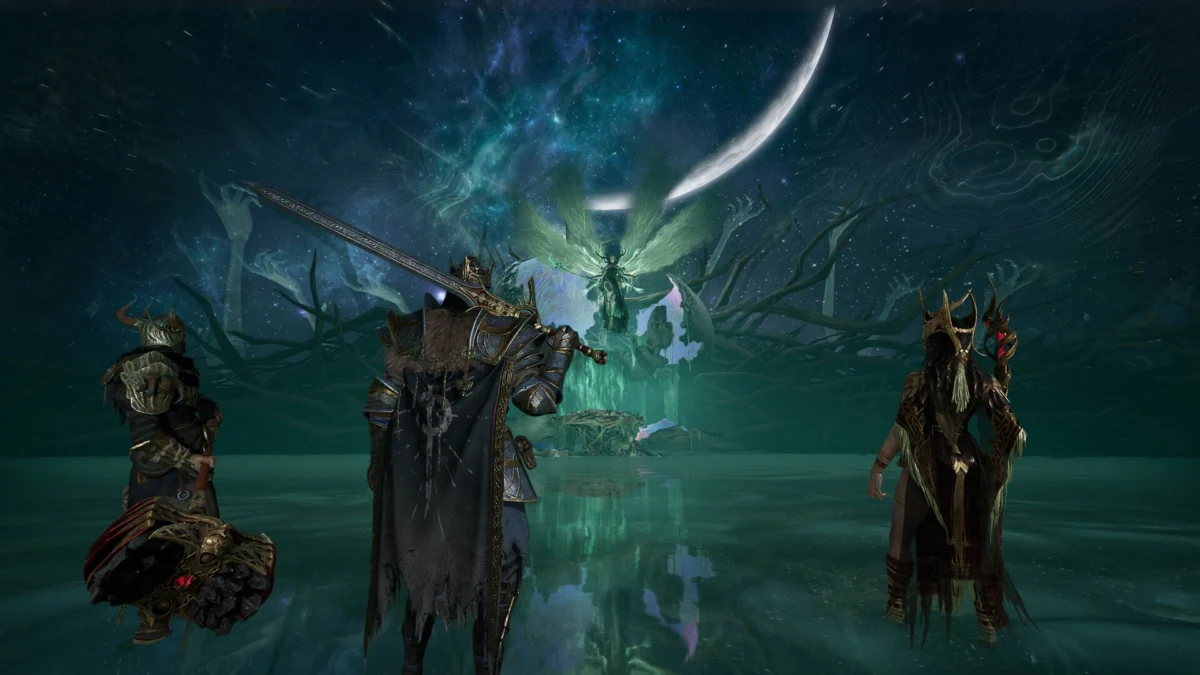
The landscape of the Xbox Game Pass library has expanded once again with the inclusion of Mistfall Hunter, a high-stakes extraction Action Role-Playing Game (ARPG) that attempts to blend the punishing combat of "soulslikes" with the tension of extraction-based shooters. Developed by Bellring Games, the title arrived on the service during a period of intense activity for the Xbox ecosystem, finding itself positioned between high-profile updates for the Halo franchise and the highly anticipated multiplayer beta for Gears of War: E-Day. While the game offers a visually striking interpretation of dark fantasy, its initial launch period has been characterized by a dichotomy of high praise for its aesthetic direction and significant criticism regarding its technical infrastructure, specifically concerning region-locking and cross-platform functionality.
The Emergence of the Extraction ARPG Genre
Mistfall Hunter enters a market that is increasingly fascinated by the "extraction" mechanic—a gameplay loop popularized by titles such as Escape from Tarkov and Hunt: Showdown. In these games, the primary objective is not merely to survive or defeat an opponent, but to enter a hostile environment, secure valuable resources, and reach a designated exit point before being eliminated. What distinguishes Mistfall Hunter is its pivot away from firearms in favor of a third-person, melee, and magic-focused combat system.
Set in a world ravaged by a supernatural mist that has decimated civilization, players take on the role of "Gyre Hunters." These characters are tasked with venturing into the ruins of a fallen world to collect "Edenshard," a resource vital to the survival of the remaining human enclaves. The gameplay loop demands a high degree of tactical awareness; falling in battle results in the loss of all unextracted gear, a mechanic that introduces a level of psychological tension rarely found in traditional ARPGs.

Strategic Timing and the Shadow of Flagship Franchises
The launch of Mistfall Hunter on Xbox Game Pass was strategically intended to provide the title with an immediate and massive player base. However, industry analysts have noted that the game’s debut coincided with a resurgence in legacy Xbox IP. With the recent updates to Halo Campaign Evolved and the imminent arrival of the Gears of War: E-Day multiplayer beta, the "mindshare" of the average Xbox consumer has been split.
Historically, smaller or mid-tier titles on Game Pass rely on "quiet" windows to gain traction through word-of-mouth and featured placement on the dashboard. By launching alongside major news cycles for Microsoft’s "Big Two" franchises, Mistfall Hunter has faced an uphill battle for visibility. Despite this, the game has managed to carve out a niche among fans of the "Grimdark" subgenre, drawing comparisons to the aesthetic of Elden Ring while maintaining the competitive edge of a multiplayer looter.
Technical Analysis: Region Locks and Crossplay Friction
Despite its artistic merits, the initial user reception on the Xbox Store has been tempered by technical hurdles. A primary point of contention among the community involves the implementation of region-locking. Players in several territories have reported being unable to matchmake with friends in different geographic zones, a limitation that is increasingly rare in the modern era of globalized gaming.
Furthermore, while Mistfall Hunter was advertised with crossplay capabilities, the execution has faced scrutiny. Reports from the Xbox Store page suggest that synchronization between Xbox console players and their PC counterparts has been inconsistent. These issues often manifest as "rubber-banding"—a phenomenon where a player’s character appears to snap back to a previous position due to latency—and failed lobby connections. For a game where a single second of lag can result in the permanent loss of rare equipment, these technical instabilities represent a significant barrier to long-term player retention.

Visual Fidelity and the Unreal Engine Advantage
One area where Mistfall Hunter has received near-universal acclaim is its presentation. Utilizing advanced rendering techniques, Bellring Games has crafted a world that feels both expansive and claustrophobic. The "Mist" itself is not merely a visual barrier but a dynamic environmental hazard that shifts and reacts to player presence.
The character designs and monster variety have been cited as highlights, with many users noting that the game "looks like a premium AAA experience." The use of high-resolution textures and complex lighting models allows the dark fantasy world to stand out in a crowded market. For many players, the visual allure has been enough to justify overlooking the early-access feel of the server infrastructure, with many community reviews suggesting that the "bones" of a great game are present, provided the developers can stabilize the backend.
The Evolution of the Gameplay Loop: Classes and Customization
To ensure longevity, Mistfall Hunter employs a deep class-based system. Players can choose from several archetypes, including the stalwart Mercenary, the agile Shadowblade, and the devastating Sorcerer. Each class features a unique talent tree and gear requirements, encouraging players to experiment with different builds to find the most efficient way to navigate the Mist.
The "Stash" system serves as the game’s long-term progression hook. Successful extractions allow players to stockpile weapons, armor, and crafting materials in a safe zone. This creates a "risk vs. reward" dynamic: do you take your best gear into a match to increase your chances of survival, or do you go in with "budget" equipment to mitigate potential losses? This meta-game is what has kept the extraction genre at the forefront of PC gaming for years, and Mistfall Hunter is one of the first titles to successfully translate this tension into a fantasy ARPG format on consoles.

Community Feedback and Official Trajectory
While Bellring Games has not released a formal roadmap as of this week, the developer has been active on social media and community forums, acknowledging the feedback regarding server stability. In a move common for modern "Live Service" titles, the developers are expected to prioritize "Quality of Life" (QoL) patches in the coming weeks.
Initial data from the Xbox community poll indicates a divided audience. Approximately 40% of early adopters have expressed a "wait and see" attitude, citing the technical bugs as their primary concern. Conversely, a dedicated 30% have praised the game as a "refreshing change of pace" from standard battle royales, while the remaining 30% are still acclimating to the steep difficulty curve inherent in the genre.
The Broader Impact on the Game Pass Ecosystem
The inclusion of Mistfall Hunter on Game Pass is indicative of Microsoft’s broader strategy to diversify the service’s offerings. By securing "Day One" titles that occupy specific subgenres—like the extraction ARPG—Xbox is positioning Game Pass as a platform where niche genres can find a mainstream audience.
However, the mixed reception of Mistfall Hunter also highlights the risks associated with this strategy. When a game is made available to millions of subscribers instantly, any technical flaws are magnified. For Bellring Games, the challenge now lies in "flighting" fixes quickly enough to maintain the momentum generated by the initial Game Pass surge. If the developers can resolve the region-lock issues and refine the crossplay experience, Mistfall Hunter has the potential to become a staple of the service, much like Sea of Thieves or Deep Rock Galactic, which also faced rocky starts before finding their footing.

Conclusion: A Diamond in the Rough?
Mistfall Hunter is currently at a crossroads. It possesses the visual polish and mechanical depth to compete with the heavyweights of the ARPG genre, yet it is currently tethered by the logistical chains of a complicated launch. The "Mist-Play" pun used by early critics reflects a community that is hopeful but cautious.
For the Xbox player base, the game represents a low-risk entry into a high-stakes genre. Because it is included in the Game Pass subscription, players can bypass the traditional $40-$60 entry fee, allowing them to experience the game’s unique atmosphere firsthand. Whether Mistfall Hunter becomes a long-term success or a forgotten footnote will depend entirely on the developer’s ability to listen to its growing community and deliver the technical stability that a competitive extraction game demands. As the "Mist" continues to settle, the industry will be watching to see if this hunter can survive the shadows cast by Xbox’s larger titans.