


The Xbox ecosystem continues to serve as a primary launchpad for independent developers, and the August 2026 release schedule underscores a strategic shift toward diverse genre representation and high-fidelity indie production. As the industry moves further into the current console generation, the ID@Xbox program has matured, providing smaller studios with the technical infrastructure and subscription-based visibility required to compete in a crowded marketplace. The upcoming month features a sophisticated blend of nostalgic revivals, innovative genre-mashing, and highly anticipated titles from industry veterans, reflecting a robust health in the independent sector of the gaming economy.
The Strategic Expansion of the ID@Xbox Portfolio
The ID@Xbox initiative, since its inception, has sought to bridge the gap between niche creative visions and a global audience. In August 2026, this mission is exemplified by a lineup that spans fifteen distinct titles, ranging from cozy life simulations to high-octane roguelite shooters. Industry analysts note that August has traditionally been a pivotal month for indie software, often serving as a palate cleanser between summer lulls and the massive "AAA" release windows of the fourth quarter. By positioning these titles in August, Microsoft and its partners capitalize on a more attentive audience, leveraging Xbox Game Pass as a discovery engine to drive engagement metrics for titles that might otherwise struggle with traditional retail marketing.
Early August: Legacy Talent and Subscription Integration
The month commences with Kynseed on August 4, a title that has garnered significant attention due to its developmental pedigree. Developed by PixelCount Studios, a team comprised of former Lionhead Studios veterans, Kynseed carries the spiritual DNA of the Fable series. The game is a sprawling sandbox RPG that emphasizes a multi-generational legacy system where player characters age, die, and pass their skills and property to their descendants. This focus on "life and legacy" distinguishes it from contemporary farm simulators, offering a more profound narrative arc that spans centuries of in-game time.
On August 6, the lineup shifts toward the increasingly popular "Survivor" subgenre with the release of Monsters Are Coming!. Launching directly into Xbox Game Pass, this title utilizes a Tower-Survivor rogue-lite framework. Players are tasked with defending a mobile city—the Ark—against escalating waves of enemies. The integration of city management with the fast-paced combat typical of the genre suggests a move toward more complex systems in indie titles. The inclusion of this game in the Game Pass library is expected to provide an immediate player base, facilitating rapid feedback loops for the developers.
Simultaneously, Vengeance of Mr. Peppermint debuts on August 6. This title represents a stylistic homage to Korean "hard-boiled" cinema, specifically the "vengeance trilogy" aesthetic. It is a side-scrolling beat-’em-up that prioritizes visceral combat and a dark, psychological narrative. For fans of the genre, it offers a more mature, narrative-driven alternative to the arcade-style brawlers that have dominated the indie scene in recent years.
Mid-August: Collaborative Play and Genre Evolution
As the month progresses, the focus shifts toward cooperative and competitive multiplayer experiences. Grizzy and the Lemmings – Crazy Party, arriving on August 7, targets the "couch co-op" demographic. With 50 distinct mini-games, it aims to fill the family-friendly void on the platform, utilizing a popular animation license to attract a younger audience while maintaining the chaotic energy of classic party titles.
One of the most anticipated titles for the middle of the month is No More Room in Hell 2, scheduled for August 11. Following the cult success of the original mod and standalone release, this sequel scales the experience into an intense 8-player cooperative zombie shooter. The emphasis here is on survival realism—players must manage limited resources and avoid infection, where a single mistake can lead to a permanent loss for the squad. This title represents the "AA" tier of indie development, where production values and scope rival major studio outputs.
August 12 sees a double-header of distinct styles. Akatori is an epic Metroidvania that introduces a unique staff-based combat and traversal system. The game’s art direction and era-spanning narrative have made it a standout in recent indie showcases. Alongside it, Pro Jank Footy offers a comedic, arcade-style take on sports. By incorporating deck-building mechanics and "janky" physics, it subverts the traditional sports simulation genre, appealing to players who value emergent gameplay and humor over statistical accuracy.
The Resurgence of Classic Formats
On August 13, the platform welcomes two titles that look back to the 1990s for inspiration. Duskfade is a 3D action platformer that serves as a love letter to the early era of three-dimensional gaming. It pairs classic "jump and slash" mechanics with modern fluidity and a story involving a mysterious Clock Tower and eternal night.

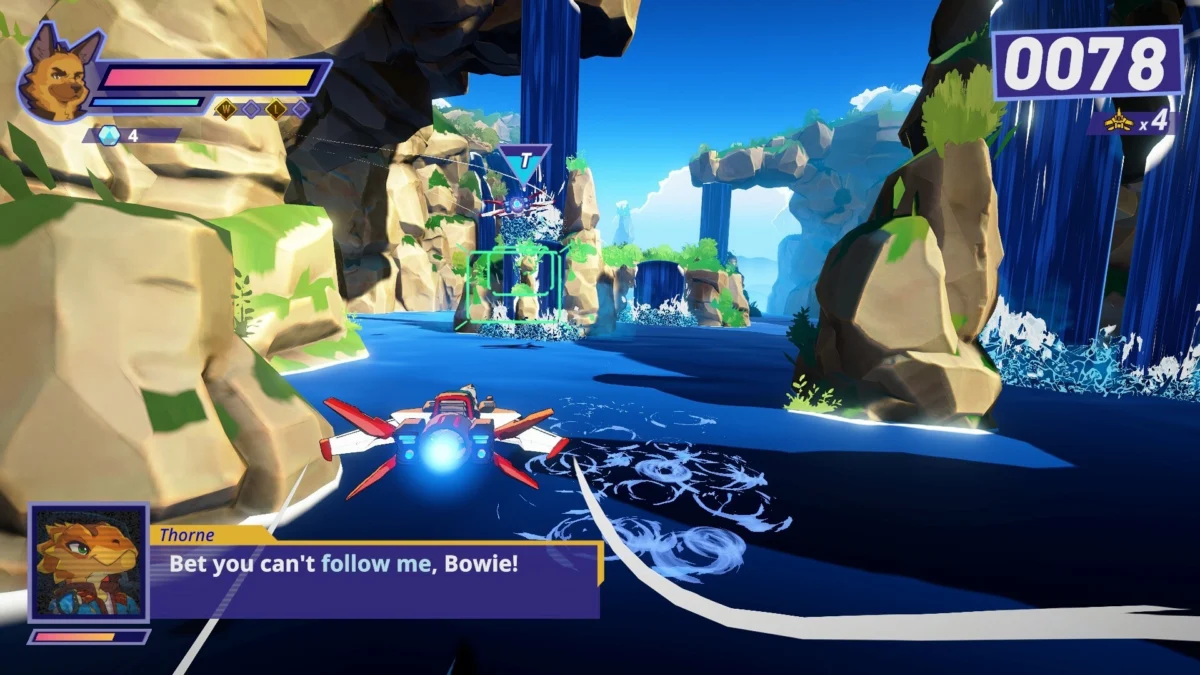
In a similar vein of nostalgia, Wild Blue Skies reimagines the on-rails arcade shooters popularized by franchises like Star Fox. Developed by a team focused on accessibility, it aims to provide an entry point for newcomers while offering the high-skill ceilings required by veterans of the genre. The game’s "Blue Bombers" aesthetic and high-speed dogfighting represent a polished return to a genre that has seen a scarcity of new entries in the modern era.
Perhaps the most significant nostalgic milestone occurs on August 18 with the return of Backyard Baseball. This reboot of the beloved arcade-style classic has been modernized for the Xbox Series X|S. While it retains the charm and humor of the original series, it introduces enhanced gameplay mechanics and new game modes. This release is part of a broader trend of reviving classic indie and mid-market intellectual properties for a new generation of hardware, leveraging both nostalgia and the timeless appeal of accessible sports gaming.
Late August: Innovation and Artistic Expression
The final week of August 2026 is characterized by experimental gameplay and unique artistic directions. Blood Dungeon, releasing on August 25, comes from the creators of the acclaimed Nidhogg. It is a 2D platforming "autoshooter" that blends high-speed movement with a "killer soundtrack" and a focus on resource collection (blood, gold, and bones) to power up the player. Given the developer’s history, expectations for tight controls and addictive gameplay loops are high.
August 27 is a particularly dense day for releases. Infection Free Zone introduces a high-concept strategy element by allowing players to choose any real-world region via map data to serve as their survival zone. This use of real-world geographical data in a zombie survival context offers a level of immersion rarely seen in the genre. Players must rebuild existing buildings and defend their specific hometowns from infected hordes, creating a personalized stakes-driven experience.
Contrasting the intensity of the survival genre, Lou’s Lagoon also arrives on August 27. This title represents the "cozy" movement, focusing on seaplane exploration, resource gathering, and community rebuilding across a tropical archipelago. It serves as a narrative mystery and a relaxing simulation, highlighting the breadth of experiences available on the Xbox platform.
Furthermore, The Immortal John Triptych launches on August 27, bringing together the works of Joe Richardson—Four Last Things, The Procession to Calvary, and Death of the Reprobate. This collection is notable for its use of Renaissance art and classical music to create a surreal, Monty Python-esque point-and-click adventure. The triptych includes new bonus features and quality-of-life improvements, preserving these unique artistic games for the current console generation.
The month concludes on August 31 with Gunstoppable, a momentum-fueled roguelite FPS. In this title, speed is directly correlated to damage output, encouraging a high-risk, high-reward playstyle. By tasking players with overthrowing "billionaire bosses" and obliterating robot hordes through time-bending mechanics, it offers a cathartic, fast-paced end to the month’s release cycle.
Broader Implications for the Xbox Ecosystem
The arrival of these fifteen titles in a single month indicates a high level of confidence in the Xbox indie pipeline. For Microsoft, a steady stream of diverse indie content is essential for maintaining the value proposition of the Xbox Series X|S and the Game Pass service. By supporting a wide array of genres—from the niche artistic endeavors of The Immortal John Triptych to the broad appeal of Backyard Baseball—the platform ensures it remains a viable home for every type of gamer.
Furthermore, the technical diversity of these games shows that indie developers are increasingly adept at utilizing the Xbox Velocity Architecture and the processing power of the current hardware. Titles like Infection Free Zone and No More Room in Hell 2 demonstrate that "indie" no longer implies "small scale," as these games push boundaries in data usage and player count.
As the industry moves toward the latter half of 2026, the success of these August releases will likely serve as a bellwether for the independent market’s health. The shift toward more complex mechanics, such as the generational systems in Kynseed or the speed-damage scaling in Gunstoppable, suggests that indie developers are moving beyond simple retro-clones and are instead focused on genuine mechanical innovation. This trend provides a necessary counterbalance to the more conservative design philosophies often found in high-budget "AAA" development, ensuring that the gaming landscape remains vibrant and experimental.