


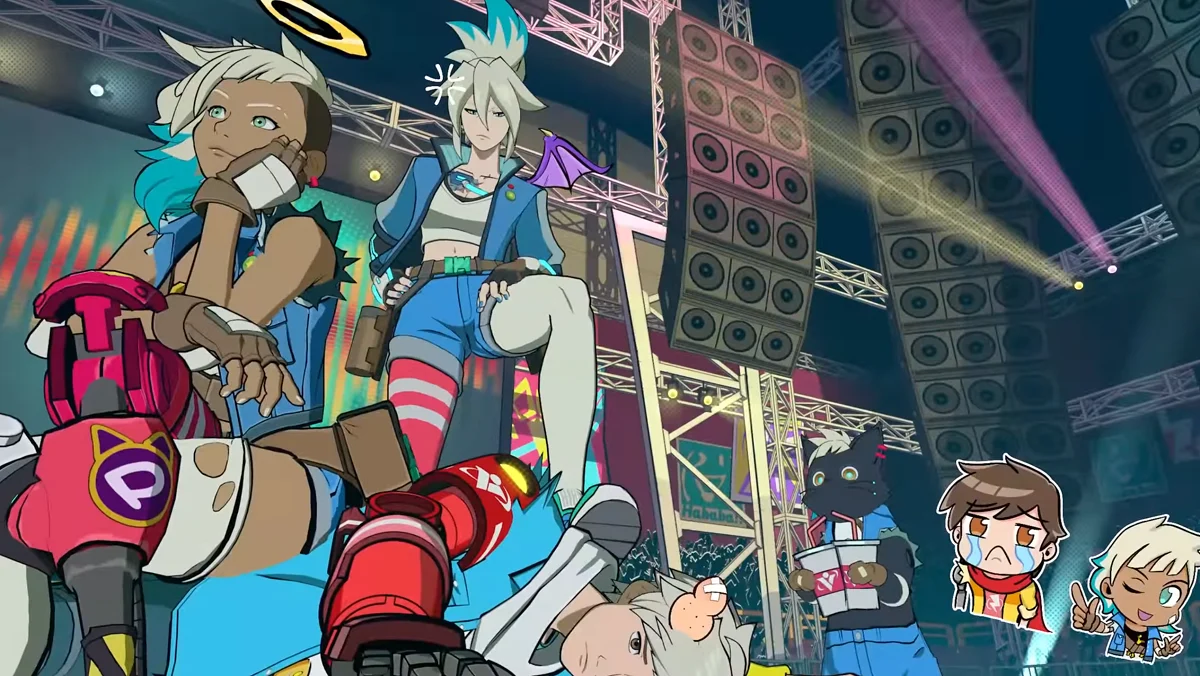
Microsoft confirmed on May 7, 2024, a significant restructuring within its Xbox division, resulting in the closure of multiple studios and a broader wave of layoffs that has sent shockwaves through the gaming industry. The decision impacts Arkane Austin, the studio behind the troubled but critically divisive title Redfall, and Tango Gameworks, celebrated for the unexpected success of Hi-Fi Rush. Alpha Dog Games has also been shuttered, while Roundhouse Studios will be absorbed into ZeniMax Online Studios to support ongoing development. This consolidation marks a somber continuation of a trend of significant workforce reductions and studio closures that have characterized the video game industry throughout 2023 and into 2024.
The Broader Industry Context: A Climate of Consolidation and Cuts
The current climate within the video game industry is marked by an aggressive phase of consolidation and subsequent cost-cutting measures. Companies that, in previous years, were aggressively acquiring studios and expanding their portfolios are now undergoing significant recalibrations. Embracer Group, once a prominent consolidator, has been actively divesting assets, selling off studios, and implementing substantial layoffs. This broader industry trend underscores the volatile economic pressures and shifting market dynamics that are influencing major players like Microsoft. The current actions by Xbox are not isolated incidents but reflect a larger pattern of strategic realignments driven by financial performance and future market projections.
A Timeline of Recent Xbox and Activision Blizzard Restructuring
This latest round of closures follows a period of intense upheaval for Microsoft’s gaming division. In January 2024, just months after the monumental acquisition of Activision Blizzard, Microsoft announced the layoff of approximately 1,900 employees across its Xbox, Bethesda, and Activision Blizzard divisions. This earlier announcement represented the largest single workforce reduction in the company’s gaming operations since the acquisition, impacting critical functions across development, publishing, and corporate support.
The decision to close Arkane Austin and Tango Gameworks, in particular, has drawn considerable attention due to the recent output and critical reception of their respective flagship titles. Arkane Austin’s Redfall, released in May 2023, faced a challenging reception, with players and critics citing numerous technical issues and a perceived lack of engaging gameplay. Despite efforts to update the game, including a promised 60fps patch, Microsoft’s decision to shutter the studio suggests a reevaluation of the title’s long-term viability and the studio’s future direction within Bethesda’s broader portfolio.
Conversely, Tango Gameworks’ Hi-Fi Rush, launched as a surprise title in January 2023, garnered widespread critical acclaim for its innovative rhythm-action gameplay and distinctive art style. The game was hailed as a significant creative success and a much-needed injection of fresh content for the Xbox ecosystem. In fact, Hi-Fi Rush was recently slated for release on PlayStation 5, signaling a belief in its cross-platform appeal. The studio’s closure, therefore, stands in stark contrast to its recent critical and commercial successes, raising questions about the metrics driving these strategic decisions.
Internal Communications and External Reactions
Confirmation of the studio closures was disseminated internally through an email from Matt Booty, Head of Xbox Game Studios. This communication, subsequently verified by industry publications such as IGN, outlined the rationale behind the restructuring. Booty cited a strategic reprioritization of resources to focus on "high-impact titles" and further investment in Bethesda’s existing "blockbuster games and beloved worlds." The email also acknowledged that these shifts would necessitate the realignment of some teams and the departure of employees.
While Microsoft has officially declined to comment on specific reports, the news has been met with widespread concern and frustration from developers and industry observers. Employees from the affected studios have taken to social media platforms like X (formerly Twitter) to express their dismay and share their experiences. These personal accounts highlight the human cost of such corporate decisions, emphasizing the impact on individuals and their careers.
The Contradictory Landscape of Performance and Layoffs
The decisions to close studios like Arkane Austin and Tango Gameworks present a complex and, for many, contradictory picture of the video game industry’s current state. Arkane Austin’s closure, while linked to the performance of Redfall, overlooks the studio’s legacy of critically acclaimed titles such as Prey (2017) and the original Dishonored. The decision to cease further updates for Redfall, while offering a "make-good" for premium DLC purchasers, effectively marks the end of its lifecycle, leaving a legacy of unfulfilled potential.
The closure of Tango Gameworks is particularly perplexing given the recent accolades and positive market reception of Hi-Fi Rush. In May 2023, Phil Spencer, Head of Xbox, expressed strong confidence in Redfall, stating in an interview with Kinda Funny, "In terms of our commitment to the game… absolutely, the team at Arkane is taking the near-term feedback. We’re still working on the 60fps update. We have a good timeline for that, we’re committed to getting that done. And we’re going to continue to work the game." This statement, made about a title whose developer is now defunct, underscores the rapid and often unpredictable nature of strategic shifts within large corporations.
Furthermore, in the lead-up to Hi-Fi Rush‘s multiplatform release, Xbox VP of Games Marketing Aaron Greenberg publicly lauded the game, stating, "[Hi-Fi Rush] was a break out hit for us and our players in all key measurements and expectations. We couldn’t be happier with what the team at Tango Gameworks delivered with this surprise release." This endorsement contrasts sharply with the studio’s subsequent closure, leaving many to question the precise definition of "success" within Microsoft’s gaming division.
Financial Performance and Strategic Objectives
Microsoft’s recent financial reports offer some insight into the broader strategic objectives driving these decisions. In its Q3 FY24 earnings report, released on April 25, 2024, Microsoft highlighted significant growth in its Xbox content and services revenue, which increased by 62% (61% in constant currency). This substantial growth was largely attributed to the inclusion of Activision Blizzard’s financial performance following the acquisition.
Despite this impressive revenue growth, the company’s market capitalization has also reached unprecedented heights, with Microsoft becoming the second company to achieve a $3 trillion market valuation in January 2024. This dual reality of robust revenue growth and immense market valuation, juxtaposed with significant layoffs and studio closures, raises critical questions about the allocation of resources and the definition of profitability within the gaming sector. The emphasis appears to be shifting towards maximizing returns on investment and consolidating efforts around established, high-performing franchises, potentially at the expense of creative risks and innovative new intellectual properties.
The Human Element: Talent Displacement and Industry Uncertainty
The repercussions of these closures extend far beyond corporate balance sheets. The displacement of talented individuals from studios like Arkane Austin and Tango Gameworks contributes to a growing pool of experienced developers facing uncertain career prospects. Reports indicate that talent is already beginning to exit the industry, exacerbated by the irony of layoffs occurring after mandatory return-to-office policies were implemented in some cases. This trend raises concerns about the long-term health and sustainability of the creative workforce within the video game industry.
The sentiment of precariousness is echoed by industry leaders. In March 2024, Phil Spencer, speaking to Polygon regarding the ongoing industry layoffs, expressed a desire for the industry to be a place where individuals can confidently build careers. His words, "I reflect on friends of mine in the industry that have been displaced and lost their jobs and how just, I don’t want this industry to be a place where people can’t, with confidence, build a career," now carry a poignant and perhaps ironic weight in light of Microsoft’s recent actions.
The tension between the financial "fuel" required to create games and the "passion" that drives their development was eloquently articulated by Swen Vincke, CEO of Larian Studios, in December 2023: "They don’t care that much about the money made beyond it being the fuel they need to create new and better games. It’s worth reminding everyone that fuel is but a means, not a goal. Whereto and how we journey are what matter and what we remember." This perspective highlights a fundamental challenge: ensuring that the pursuit of financial success does not overshadow the creative integrity and the human endeavor that define game development.
The Road Ahead: Industry Events and Unanswered Questions
As the industry looks towards upcoming events like the Xbox Games Showcase in June, a significant question looms: what will be the tone and substance of presentations in the wake of these significant organizational changes? Industry events often serve as platforms to celebrate new releases and future projects, but they can also provide an opportunity to address the systemic issues plaguing the development community. The current climate necessitates a more transparent and accountable dialogue regarding the decisions that impact the lives and careers of the people who create these celebrated interactive experiences.
The closures of Arkane Austin and Tango Gameworks, alongside the broader trend of layoffs, underscore a critical juncture for the video game industry. The long-term implications of these strategic shifts for innovation, creative risk-taking, and the overall health of the developer workforce remain to be seen. As Microsoft continues to navigate its ambitious gaming future, the industry will be watching closely for accountability and a clearer vision that balances financial imperatives with the vital human element at the heart of game creation. The coming months will likely reveal more about the strategic direction of Xbox and its impact on the broader gaming landscape.