


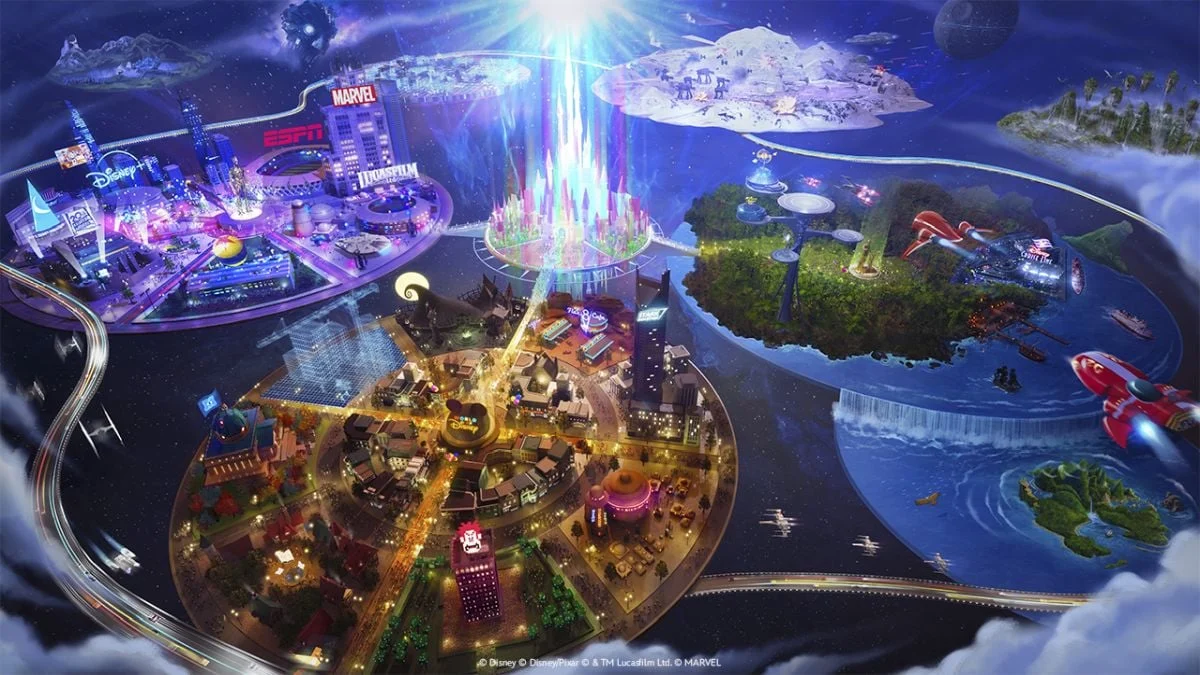
The Walt Disney Corporation has announced a monumental investment of $1.5 billion into Epic Games, signaling a strategic pivot towards a future of interconnected digital entertainment. This significant stake will fuel the development of a groundbreaking new universe, designed to merge Disney’s iconic franchises with the expansive and highly engaged community of Epic’s flagship title, Fortnite. The multiyear project aims to create a "world-class" gaming and entertainment experience that will seamlessly integrate with Fortnite‘s existing pop-culture ecosystem. This ambitious endeavor promises to offer consumers unprecedented opportunities to "play, watch, shop, and engage" with beloved characters and narratives spanning the vast Disney portfolio, from classic animation and Pixar stories to the expansive universes of Marvel and Star Wars, and even the visually stunning world of James Cameron’s Avatar. The entire undertaking will be powered by Epic Games’ cutting-edge Unreal Engine, a testament to the technological synergy envisioned for this partnership. The deal is, however, contingent upon customary regulatory approvals.
The strategic alliance between these two entertainment titans represents a significant expansion for Disney into the video game sector, a move long anticipated by industry observers. Disney CEO Bob Iger articulated the vision behind this transformative collaboration, stating, "Our exciting new relationship with Epic Games will bring together Disney’s beloved brands and franchises with the hugely popular Fortnite in a transformational new games and entertainment universe. This marks Disney’s biggest entry ever into the world of games and offers significant opportunities for growth and expansion. We can’t wait for fans to experience the Disney stories and worlds they love in groundbreaking new ways." This sentiment underscores Disney’s ambition to leverage its immense intellectual property in novel and immersive digital spaces, moving beyond traditional media and licensing.
A Deepening Relationship and Strategic Vision
This investment is not an isolated event but rather an evolution of a relationship that has seen increasing collaboration. Prior instances of Disney properties appearing within Fortnite, such as Marvel and Star Wars themed content, have demonstrated the potential for cross-pollination between the two brands. These past integrations, while successful in their own right, appear to have laid the groundwork for a more profound and integrated future. The announcement comes at a time when Disney has been actively bolstering its own gaming initiatives. Titles like Disney Dreamlight Valley have garnered significant attention within the life simulation genre, while other releases such as Disney Illusion Island, Marvel Snap, and the critically acclaimed Jedi: Survivor have showcased Disney’s continued commitment to diverse gaming experiences.
For Epic Games, this partnership arrives at a crucial juncture. The company has maintained a consistent output of Fortnite, which has evolved far beyond a simple battle royale game into a sprawling metaverse capable of hosting concerts, virtual events, and a growing array of game modes like Festival and Rocket Racing. This diversification reflects Epic’s strategic goal of building a robust gaming ecosystem within Fortnite. Despite its successes, Epic has also navigated challenges. The company underwent significant workforce reductions in the past year, cutting approximately 16% of its staff, a move that mirrored broader trends of layoffs across the global games industry. Furthermore, Epic has engaged in high-profile legal battles with tech giants like Google and Apple regarding app store policies, underscoring its commitment to an open digital marketplace.
Epic Games CEO Tim Sweeney highlighted the alignment of interests and shared technological foundation that underpins this new venture. "Disney was one of the first companies to believe in the potential of bringing their worlds together with ours in Fortnite, and they use Unreal Engine across their portfolio," Sweeney stated. "Now we’re collaborating on something entirely new to build a persistent, open, and interoperable ecosystem that will bring together the Disney and Fortnite communities." This emphasizes the shared vision of creating an open and interconnected digital space, leveraging Unreal Engine’s advanced capabilities to power this ambitious project.
The Scope and Potential of the New Universe
The creation of a "persistent, open, and interoperable ecosystem" suggests a digital world that will evolve over time, offering dynamic experiences and allowing for continuous engagement. The term "persistent" implies a world that continues to exist and change even when players are not actively online, much like a living, breathing digital space. "Open" suggests accessibility and the potential for user-generated content or third-party integrations in the future, while "interoperable" points to a seamless connection between different experiences and platforms, potentially allowing assets or identities to carry over.
The integration with Fortnite is particularly significant. Fortnite has become a cultural phenomenon, attracting hundreds of millions of players and serving as a primary hub for digital interaction for a generation of gamers. By weaving Disney’s vast array of intellectual properties into this existing framework, the partnership aims to tap into a massive, already engaged audience. This could manifest in numerous ways: players might be able to embody iconic Disney characters within Fortnite game modes, participate in Star Wars-themed battles, explore virtual renditions of beloved Disney parks, or even engage in shopping experiences featuring exclusive Disney merchandise within the game world. The potential for storytelling within this new universe is immense, allowing for new narratives and adventures that combine characters and worlds that have never before interacted.
The choice of Unreal Engine as the foundational technology is critical. Known for its graphical fidelity, flexibility, and robust toolset, Unreal Engine is already a cornerstone of modern game development and is widely used across various entertainment industries, including film and animation. Its adoption by Disney for this project signifies a commitment to delivering a high-quality visual and interactive experience. Disney’s established use of Unreal Engine across its own production pipelines further streamlines this integration, allowing for a more cohesive development process.
Market Implications and Future Trajectory
This $1.5 billion investment represents one of the largest single financial commitments by a traditional media company into the gaming industry, underscoring the growing recognition of gaming’s commercial and cultural significance. The move positions Disney at the forefront of the burgeoning metaverse conversation, albeit with a focus on a more tangible and structured approach than some of the more abstract metaverse concepts.
The implications for the gaming industry are far-reaching. This partnership could set a precedent for how established entertainment giants approach the digital frontier. By investing heavily in an existing, successful platform like Fortnite and leveraging a powerful engine like Unreal, Disney is opting for a strategy of integration and expansion rather than building an entirely new, isolated ecosystem from scratch. This approach mitigates some of the risks associated with launching entirely new ventures in a competitive market.
For Epic Games, the influx of capital and the strategic partnership with Disney provides a significant boost, enabling them to accelerate their vision for Fortnite as a comprehensive entertainment platform. It also offers a degree of financial stability and a clear path for future development, potentially allowing them to weather industry downturns more effectively. The collaboration could also lead to innovations in cross-platform play, digital ownership, and interactive storytelling that redefine how audiences consume entertainment.
Historical Context and Precedents
While this is Disney’s most substantial direct investment in a gaming entity, the company has a long and varied history in the video game industry. From early arcade and console titles to the development and publishing of games through Disney Interactive Studios (which was eventually dissolved), Disney has explored various avenues for bringing its properties to interactive platforms. More recently, the company has focused on licensing its IP to third-party developers and publishers, a model that has yielded titles like the aforementioned Jedi: Survivor and Marvel Snap. The Disney Dreamlight Valley initiative represents a more direct foray into ongoing live-service gaming.
Epic Games, on the other hand, has been a driving force in shaping the modern gaming landscape. The success of Fortnite has not only revolutionized the battle royale genre but also demonstrated the potential of free-to-play models and emergent digital economies. Epic’s commitment to building a comprehensive game store and development platform through the Epic Games Store and Unreal Engine has positioned it as a key player in the infrastructure of the gaming industry.
The current deal can be seen as a convergence of these distinct trajectories. Disney, with its unparalleled library of beloved characters and stories, is seeking new and engaging ways to connect with its audience in the digital age. Epic Games, with its robust technological capabilities and a proven platform for mass audience engagement, provides the ideal partner for realizing this ambition. The substantial financial commitment underscores the belief that this interconnected universe has the potential to become a dominant force in the future of entertainment, blending the timeless appeal of Disney’s narrative legacy with the dynamic, interactive possibilities of modern gaming.
The Road Ahead: Challenges and Opportunities
The success of this ambitious project will hinge on several factors. The ability to translate Disney’s diverse franchises into compelling and engaging gameplay experiences within the Fortnite framework will be paramount. Maintaining the authenticity and appeal of these beloved characters while innovating within a new digital space will require a delicate balance. Furthermore, the "persistent, open, and interoperable" nature of the universe must be carefully managed to ensure a cohesive and enjoyable experience for all users, avoiding fragmentation or an overwhelming sense of complexity.
The regulatory landscape also presents a hurdle. Large-scale investments and partnerships in the technology and entertainment sectors are subject to scrutiny from antitrust regulators to ensure fair competition and prevent monopolistic practices. Disney and Epic Games will need to navigate these approvals effectively.
Despite these challenges, the potential rewards are immense. A successful realization of this partnership could redefine digital entertainment, offering a blueprint for how traditional media companies can effectively engage with evolving consumer behaviors and technological advancements. It could usher in a new era of immersive storytelling, where audiences are not just passive consumers but active participants in the worlds they love. The integration of iconic brands with a leading interactive platform, powered by cutting-edge technology, creates a powerful synergy with the potential to capture the imagination of millions worldwide. The $1.5 billion investment is not merely a financial transaction; it is a declaration of intent from two entertainment powerhouses to shape the future of digital interaction and storytelling.