


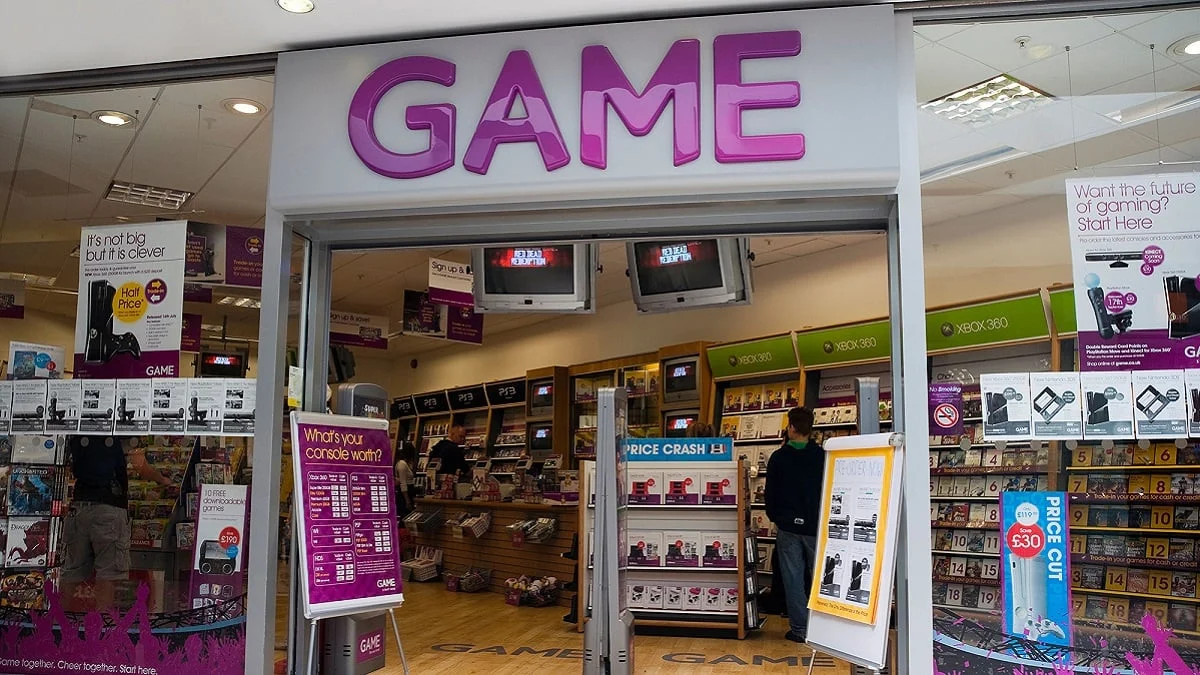
The United Kingdom’s video game retail landscape is facing significant upheaval as reports emerge that GAME, a long-standing high-street presence, is informing its staff of potential redundancies. This news arrives amidst a period of considerable turbulence within the global video game industry, characterized by widespread layoffs, studio closures, and a discernible shift away from physical retail. While official confirmation from GAME remains pending, anonymous sources speaking to Eurogamer have indicated that many non-managerial employees are being transitioned to zero-hours contracts, a move that fundamentally alters employment security and guaranteed income.
The implications of these reported changes extend beyond individual employees, signaling a potential contraction for a retail chain that has been a cornerstone of the UK gaming community for over three decades. The transition to zero-hours contracts means that employees will no longer be guaranteed a set number of working hours each week or month, impacting their ability to plan finances and secure stable employment. Staff have reportedly been informed that departmental heads will be reaching out via phone or email to communicate individual job statuses, suggesting a targeted approach to any potential workforce reductions. Eurogamer has reached out to GAME for an official statement on these developments.
A Shifting Retail Landscape: The Erosion of Physical Game Stores
GAME, established in 1992, has historically been a primary destination for UK gamers seeking new releases, pre-orders, and the latest gaming hardware. At its peak, the company operated over 250 outlets across the country, representing a significant physical footprint in an increasingly digital world. However, the retail sector, and particularly the video game segment, has undergone a profound transformation driven by the relentless advancement of digital distribution platforms. Services like Steam, PlayStation Store, Xbox Games Store, and Nintendo eShop have made purchasing and downloading games directly to consoles and PCs a seamless and often more immediate experience.
This digital migration has placed immense pressure on traditional brick-and-mortar retailers. The convenience of instant access, coupled with the often-competitive pricing and exclusive digital-only sales, has steadily eroded the market share of physical game stores. The cost of maintaining a physical presence – including rent, utilities, staffing, and inventory management – becomes increasingly challenging to justify when a significant portion of sales can be conducted online with lower overheads.
A History of Challenges and Ownership Changes
GAME’s struggles are not entirely new. The company has navigated periods of financial difficulty in the past, reflecting the broader challenges faced by specialist retailers in the digital age. In 2019, in a move that underscored its precarious financial position, GAME was acquired by the Frasers Group, a prominent British retail conglomerate also known for its ownership of Sports Direct. This acquisition was seen by many as an attempt to stabilize the business and integrate it within a larger retail empire.
More recently, earlier this year, GAME announced the discontinuation of its popular trade-in service. This decision was widely interpreted as another sign of the company’s efforts to streamline operations and adapt to changing consumer habits. The trade-in model, once a significant revenue stream and a draw for customers looking to offload older titles for credit towards new purchases, likely became less viable as digital sales and the lifecycle of physical games evolved. The cessation of this service marked a notable shift in GAME’s offerings and further signaled a strategic re-evaluation of its core business model.
The Impact of Zero-Hours Contracts on Employees
The reported shift towards zero-hours contracts for non-managerial staff at GAME raises significant concerns about job security and the financial stability of its workforce. A zero-hours contract, by definition, does not guarantee any minimum number of working hours, meaning employees are only paid for the hours they actually work. This model can lead to unpredictable income, making it difficult for individuals to budget, secure loans, or plan for the future. While some employees may find flexibility in this arrangement, for many, it represents a step down in employment security, especially in sectors already grappling with economic uncertainties.
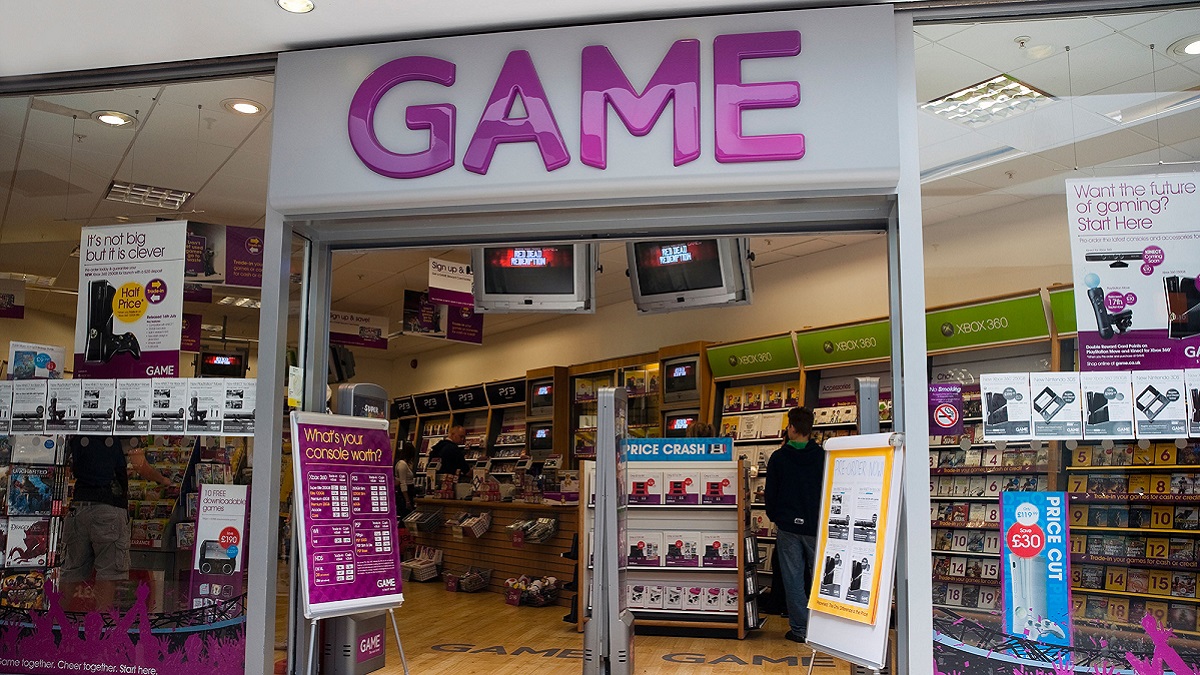
This move can also have implications for employee morale and retention. A workforce that feels insecure about their hours and future employment is less likely to be engaged and committed. For a retail environment that often relies on customer service and product knowledge, a high turnover of staff due to unstable employment could negatively impact the in-store experience.
Broader Industry Trends: Layoffs and Consolidation
The situation at GAME is not an isolated incident but rather a symptom of a wider trend affecting the video game industry globally. The past year and a half, in particular, have seen an unprecedented wave of layoffs and studio closures across major game development companies and publishers. Major players such as Microsoft, Sony, Activision Blizzard, EA, and Riot Games have all announced significant workforce reductions, impacting thousands of employees worldwide.
These cuts are often attributed to a variety of factors, including post-pandemic recalibrations as the explosive growth seen during lockdowns began to normalize, increased development costs, and a general market correction. Companies that expanded rapidly during periods of high demand are now reportedly scaling back to achieve greater efficiency and profitability in a more challenging economic climate. This broader trend of consolidation and cost-cutting creates a ripple effect, impacting not only developers but also the associated retail and support sectors.
Analysis: The Inevitable March of Digitalization
The challenges faced by GAME are a stark illustration of the irreversible shift towards digital consumption in the entertainment industry. The convenience, accessibility, and often cost-effectiveness of digital game purchases have fundamentally altered consumer behavior. For physical retailers, adapting to this reality requires more than just offering competitive prices; it demands a re-imagining of the in-store experience and the value proposition they offer.
Some retailers have attempted to pivot by focusing on niche markets, community events, merchandise, or by offering unique services that cannot be replicated online. However, for a company like GAME, which has historically relied on the volume of new game sales, the decline in physical units sold presents an existential threat. The move to zero-hours contracts, while potentially a cost-saving measure for the company, could be interpreted as a sign of deeper financial strain and a lack of confidence in future sales volumes that would necessitate a stable, full-time workforce.
The Future of Physical Game Retail
The continued contraction of physical game retail raises questions about the long-term viability of such businesses. While some dedicated enthusiasts may continue to prefer purchasing physical copies for collections or resale purposes, the mainstream market has undeniably embraced digital. The closure of GAME stores, if layoffs are indeed extensive, would leave significant gaps in the high-street presence for gaming products, further reinforcing the dominance of online retailers and digital storefronts.
The industry’s future is likely to see a continued emphasis on digital distribution, subscription services (like Xbox Game Pass and PlayStation Plus), and cloud gaming. For physical retailers to survive and thrive, they will need to offer something truly distinct and compelling that goes beyond simply selling discs. This could involve creating immersive retail experiences, fostering strong gaming communities, or curating unique collections of retro games and merchandise. However, the current trajectory suggests a difficult road ahead for many traditional video game retailers. The news from GAME, if accurate, serves as a poignant reminder of the profound changes reshaping the industry and the human impact of these seismic shifts. The coming weeks will be critical in determining the full extent of these reported redundancies and their long-term consequences for GAME and its employees.