


Microsoft confirmed this morning the abrupt closure of four of its Xbox game development studios: Arkane Austin, Tango Gameworks, Alpha Dog Games, and Roundhouse Studios. This significant restructuring, detailed in an internal email from Xbox Game Studios head Matt Booty and first reported by IGN, marks another somber chapter in a year defined by widespread layoffs and studio consolidations across the global video game industry. Arkane Austin, Tango Gameworks, and Alpha Dog Games will cease operations entirely. Roundhouse Studios will be absorbed by ZeniMax Online Studios, with its team being redeployed to support existing projects.
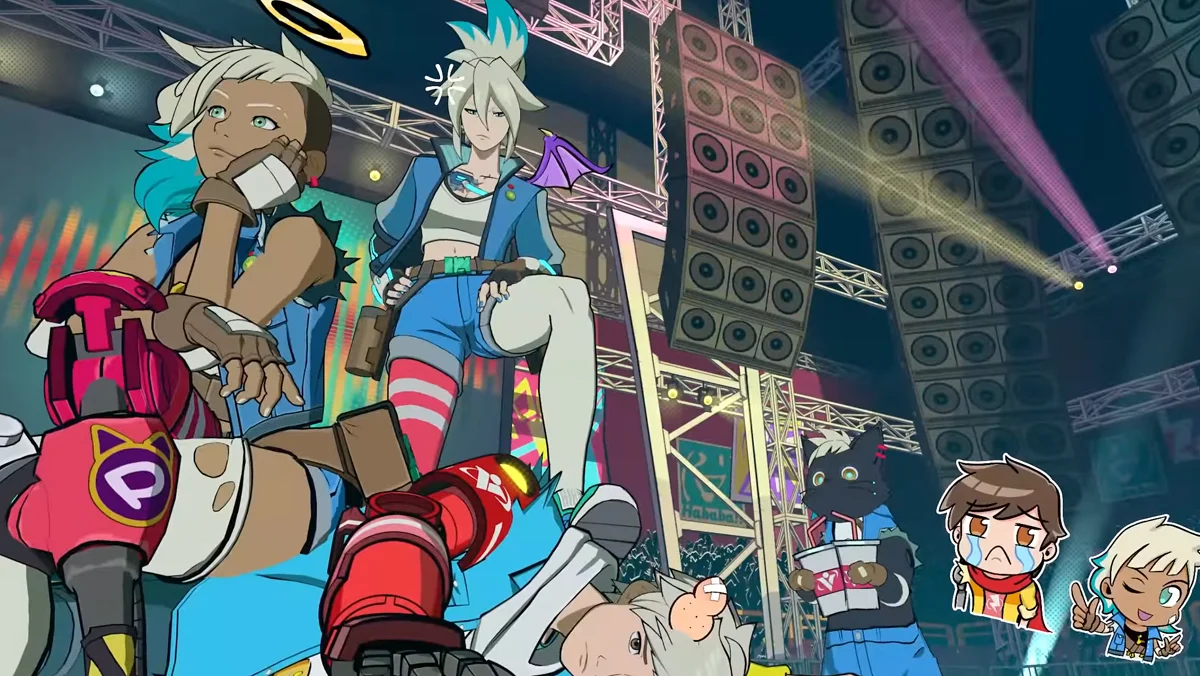
The decision reverberates through the gaming community, particularly given the recent critical and commercial successes of some of the affected studios’ titles. Arkane Austin, known for its critically acclaimed immersive sim pedigree with games like Dishonored and Prey, faced challenges with its most recent release, Redfall. Despite promises of continued support and a 60fps update, the studio’s closure means Redfall will not receive further content updates, with a "make-good" offered to players who purchased the premium DLC pass. Similarly, Tango Gameworks, celebrated for the surprise hit and critically lauded Hi-Fi Rush, a game that garnered significant praise for its innovative gameplay and vibrant presentation, now faces closure. The studio recently received a BAFTA award for Hi-Fi Rush, a bittersweet achievement in light of the impending shutdown.
This wave of closures follows a pattern of significant workforce reductions and studio consolidation that has characterized the gaming industry throughout 2024 and into late 2023. Companies like Embracer Group, once an aggressive acquirer of numerous game development studios, have been actively divesting assets, closing studios, and implementing substantial layoffs as they navigate a shifting market landscape. Microsoft, in particular, has seen a notable increase in such actions, contributing to a growing concern about job security and career stability within the sector.
A Pattern of Redundancy and Restructuring
The current announcement is not an isolated incident for Microsoft’s gaming division. Earlier in 2024, the company confirmed a massive layoff of approximately 1,900 employees across its Xbox operations and the recently acquired Activision Blizzard. While the specific headcount impacted by today’s studio closures has not yet been officially disclosed by Xbox, the implications are undoubtedly significant for the employees involved. The news was initially communicated via an internal email, with individual studio accounts subsequently sharing the somber confirmation. Microsoft itself declined to comment directly on IGN’s initial report, but social media platforms have become a conduit for employees to express their frustration and disappointment.
The rationale behind these closures, as articulated by Matt Booty in his internal memo, centers on a strategic reprioritization. "These changes are grounded in prioritizing high-impact titles and further investing in Bethesda’s portfolio of blockbuster games and beloved worlds which you have nurtured over many decades," Booty stated. He further explained that "To double down on these franchises and invest to build new ones requires us to look across the business to identify the opportunities that are best positioned for success. This reprioritization of titles and resources means a few teams will be realigned to others and that some of our colleagues will be leaving us."
This strategic pivot appears to be driven by Microsoft’s overarching business objectives, particularly in the wake of its substantial acquisition of Activision Blizzard. The company’s Q3 FY24 earnings report, released on April 25, 2024, highlighted robust growth in its gaming segment. Microsoft announced that "Xbox content and services revenue increased 62% (up 61% in constant currency) driven by 61 points of net impact from the Activision acquisition." This financial performance, coupled with the company reaching a $3 trillion market capitalization earlier this year, suggests that the current restructuring is not a reflection of overall financial distress but rather a targeted effort to optimize resources and focus on what are deemed to be the most lucrative franchises and future growth areas.
Critical Acclaim vs. Strategic Focus
The closure of Arkane Austin and Tango Gameworks raises particular questions regarding the definition of "success" in the current gaming industry landscape. Arkane Austin, despite the commercial challenges of Redfall, has a distinguished history of delivering critically acclaimed titles that push creative boundaries. The studio was instrumental in the development of Prey (2017) and the original Dishonored (2012), games lauded for their intricate level design, player agency, and immersive worlds. In a May 2023 interview with Kinda Funny, Xbox head Phil Spencer expressed commitment to the team and Redfall, stating, "In terms of our commitment to the game… absolutely, the team at Arkane is taking the near-term feedback. We’re still working on the 60fps update. We have a good timeline for that, we’re committed to getting that done. And we’re going to continue to work the game." The subsequent closure of the studio directly contradicts this stated commitment, leaving players and industry observers questioning the long-term stability of studio support.
Tango Gameworks’ situation is perhaps even more stark. Hi-Fi Rush, released in January 2023, was widely celebrated as a vibrant and innovative title that revitalized interest in unique gameplay experiences. It received numerous accolades, including a BAFTA award. Despite initial reports that the game underperformed, Xbox’s VP of Games Marketing, Aaron Greenberg, publicly refuted these claims, stating that Hi-Fi Rush "was a break out hit for us and our players in all key measurements and expectations. We couldn’t be happier with what the team at Tango Gameworks delivered with this surprise release." The studio’s recent expansion to other platforms, including a PlayStation 5 release in March, seemed to signal continued investment and success. The decision to close Tango Gameworks despite this positive reception and critical acclaim underscores a disconnect between artistic achievement and strategic business imperatives.
Broader Industry Implications and the Human Cost
The widespread nature of these layoffs and closures paints a concerning picture for the future of the video game industry. This trend is not confined to Microsoft; companies across the globe have engaged in similar cost-cutting measures. The industry has experienced a period of rapid expansion and consolidation, fueled by increased demand during the pandemic. However, a subsequent market correction, coupled with rising development costs and evolving player expectations, has led many companies to reassess their strategies.
Reports from outlets like The Verge and Bloomberg have highlighted the financial pressures facing game developers, including the increasing cost of game development and the challenge of achieving profitability in a crowded marketplace. Data from market analysis firms indicates that while the gaming market remains substantial, growth has plateaued in certain sectors, leading to a heightened focus on efficiency and profitability. This environment has created a climate of uncertainty for developers, where even critically successful games may not guarantee long-term studio stability.
The human impact of these decisions is profound. Many industry professionals are facing job displacement in an environment where new opportunities are becoming increasingly scarce. The sentiment that "talent is leaving the industry" is a recurring theme in industry discussions, amplified by reports of layoffs occurring even after employees were mandated to return to the office. This creates a difficult paradox: a desire to foster innovation and creativity within the industry, juxtaposed with decisions that appear to prioritize short-term financial metrics over the long-term careers of the individuals who create these games.
Phil Spencer himself, in a March interview with Polygon, reflected on the broader issue, stating, "I reflect on friends of mine in the industry that have been displaced and lost their jobs and how just, I don’t want this industry to be a place where people can’t, with confidence, build a career." This sentiment, while well-intentioned, stands in stark contrast to the reality of the current situation, where such confidence is increasingly eroded.
The Path Forward: Uncertainty and Scrutiny
As Microsoft prepares for its upcoming Xbox Games Showcase in June, the industry will be watching closely to gauge the tenor and messaging surrounding the event. The ongoing consolidation and the significant studio closures raise critical questions about Xbox’s long-term game development strategy. The tension between the financial "fuel" required to create games and the artistic "passion" that drives their creation is a central theme in industry discourse. As Larian Studios CEO Swen Vincke articulated on X (formerly Twitter), "They don’t care that much about the money made beyond it being the fuel they need to create new and better games. It’s worth reminding everyone that fuel is but a means, not a goal. Whereto and how we journey are what matter and what we remember."
The recent events cast a shadow over the industry’s promise of innovation and creative expression. The closure of studios like Arkane Austin and Tango Gameworks, responsible for delivering games that have both artistic merit and player engagement, leaves many wondering about the true metrics of success in the modern gaming landscape. The industry faces the challenge of balancing business realities with the imperative to support the creative talent that forms its foundation. The question remains: who will be accountable for the decisions that lead to widespread job losses, and what measures will be taken to ensure a more stable and sustainable future for game developers? The coming months will likely reveal more about Microsoft’s strategic direction and the broader implications for the global video game industry.