


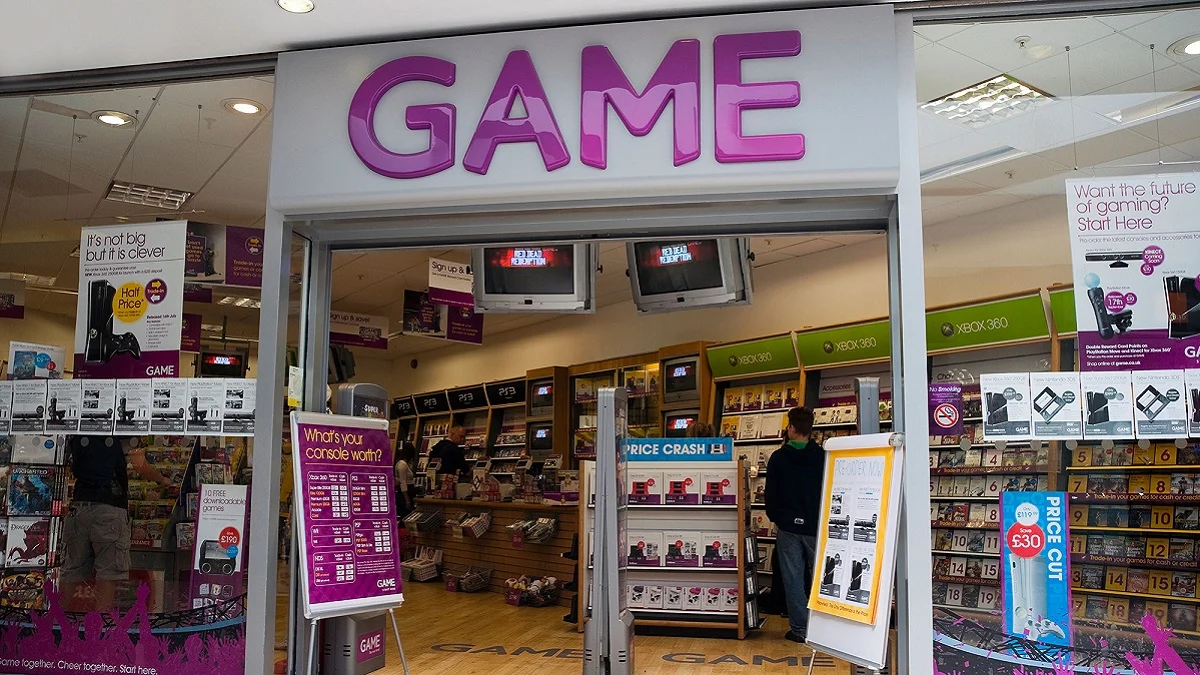
The United Kingdom’s video game retail landscape is once again at the center of significant disruption, as reports indicate that GAME, a long-standing fixture in the industry, is preparing for substantial staff redundancies and a widespread transition to zero-hours contracts for its non-managerial workforce. This development arrives at a time when the broader video game industry is grappling with a wave of layoffs and studio closures, casting a shadow over the stability of retail operations that have historically served as crucial touchpoints for consumers.
Sources, speaking anonymously to Eurogamer, have revealed that employees have been informed of impending redundancies, a situation that, while not officially confirmed by GAME or its parent company, Frasers Group, at the time of writing, has generated considerable anxiety within the company’s retail staff. The reported shift to zero-hours contracts for the majority of workers means that employment will no longer guarantee a set number of working hours each week or month, introducing a significant level of income precarity for those affected. This move impacts non-managerial staff, who are reportedly being contacted individually via phone or email to ascertain their job status. Eurogamer has reached out to GAME for official comment on these developments.
A Shifting Retail Ecosystem: The Decline of Physical Game Stores
For decades, GAME stood as a cornerstone of physical game retail in the UK. Established in 1992, the company grew to operate over 250 outlets across the nation, becoming the go-to destination for many gamers seeking the latest releases, pre-orders, and trade-ins. Its presence was synonymous with the tangible experience of acquiring video games, offering a communal space for enthusiasts and a vital channel for publishers and developers to reach their audience. However, the retail environment in which GAME operates has undergone a seismic transformation, driven primarily by the inexorable rise of digital distribution.
The advent of online storefronts like Steam, PlayStation Store, and Xbox Games Store, coupled with the increasing prevalence of digital downloads and game subscription services, has significantly eroded the market share of physical media. Consumers are increasingly opting for the convenience of instant access, the often-lower price points of digital titles, and the expansive libraries offered by services such as Xbox Game Pass and PlayStation Plus. This paradigm shift has placed immense pressure on brick-and-mortar retailers, forcing them to adapt or face obsolescence.
Timeline of Challenges and Ownership Changes
The current situation at GAME is not an isolated incident but rather the culmination of a series of challenges that have plagued the company for years.
- Early 2010s: GAME experienced significant financial difficulties, leading to administration and a subsequent rescue deal by OpCapix. This period highlighted the vulnerability of its business model to market shifts.
- 2019: In a move to diversify its portfolio and leverage its retail expertise, the Frasers Group, headed by Mike Ashley and known for its ownership of Sports Direct, acquired GAME for an undisclosed sum. This acquisition was intended to bolster GAME’s presence and integrate it into Frasers Group’s broader retail strategy.
- Early 2024: Indicating further strategic re-evaluation, GAME announced the discontinuation of its popular trade-in service. This service had been a significant revenue driver and a key attraction for many customers, allowing them to exchange used games for credit towards new purchases. The cessation of this service signaled a potential move away from traditional retail models and a focus on core new product sales, or perhaps a strategic pivot driven by declining profitability of the trade-in segment.
The current reports of redundancies and the shift to zero-hours contracts suggest that these earlier adaptations may not have been sufficient to weather the ongoing economic headwinds and evolving consumer habits.
Supporting Data: The Digital Dominance and Retail Decline
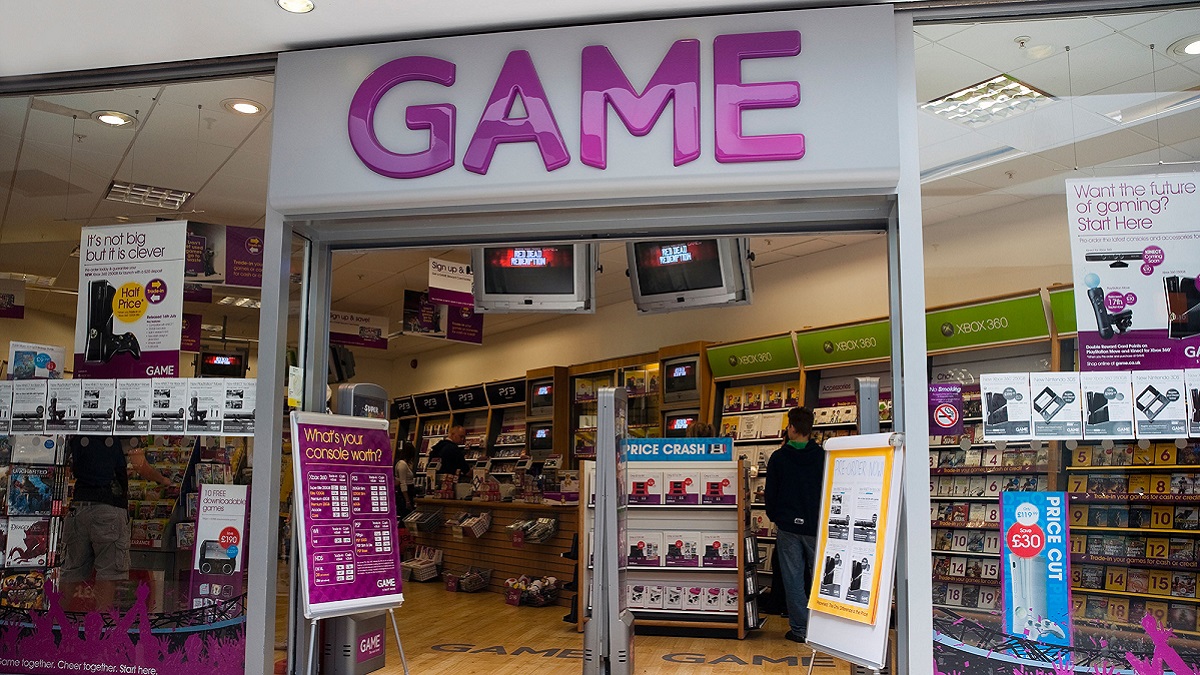
The broader industry trends provide a stark context for GAME’s predicament. While specific figures for GAME’s recent financial performance are not publicly detailed in this report, industry-wide data consistently illustrates the dominance of digital sales. According to Newzoo, a leading games market intelligence firm, digital game revenues accounted for over 90% of the global games market in recent years. Physical game sales, while still relevant, represent a shrinking segment of the overall market.
Furthermore, reports from organizations like the UK’s Office for National Statistics (ONS) have detailed a general decline in retail footfall and sales for physical goods stores. The specific challenges faced by video game retailers are exacerbated by the increasing shelf life of games and the consistent release of new titles, creating a highly competitive environment where inventory management and sales velocity are critical for profitability. The costs associated with maintaining a large physical retail footprint – rent, staffing, utilities, and stock management – become increasingly burdensome when offset by declining in-store sales.
Analysis of Implications: Impact on Staff and the Consumer Experience
The potential for widespread redundancies at GAME carries significant implications for its employees. For many, their roles represent not just a job but a passion for the gaming community. The transition to zero-hours contracts introduces a new level of uncertainty, potentially impacting their ability to secure stable income, plan for the future, and maintain financial security. This shift can also affect morale and job satisfaction, as employees grapple with the lack of guaranteed work.
For consumers, the news may signal a further contraction of physical retail options for video games. While digital remains dominant, physical retailers like GAME have historically offered unique services such as expert advice, community engagement through in-store events, and the tangible experience of browsing and purchasing. The reduction in staff and potential store closures could diminish these aspects of the gaming ecosystem. It also raises questions about the future availability of certain niche titles or collector’s editions that may not be as readily accessible through digital channels or other remaining retail outlets.
The move towards zero-hours contracts can also be viewed as a cost-saving measure for the company, aiming to reduce fixed labor costs and increase flexibility in staffing levels to match fluctuating demand. However, this approach often comes at the expense of employee security and loyalty.
Broader Industry Context: A Persistent Trend
GAME’s reported struggles are emblematic of a broader trend impacting the retail sector, particularly those reliant on physical product sales. The video game industry, while experiencing robust growth overall, is undergoing a structural shift. Beyond retail, this has manifested in significant layoffs at major development studios and publishers. Companies like Activision Blizzard, Epic Games, Riot Games, and EA have all announced substantial workforce reductions in recent months, citing factors such as over-hiring during periods of rapid growth, the need for restructuring, and the ongoing economic uncertainty.
These industry-wide challenges suggest that the current economic climate, combined with the ongoing digital transformation, presents a formidable challenge for all players in the video game ecosystem. The future of physical game retail, and by extension, the employment opportunities within it, remains a subject of considerable debate and adaptation. The ultimate outcome for GAME and its workforce will depend on a complex interplay of strategic decisions by its leadership, evolving consumer behavior, and the broader economic landscape. As the situation unfolds, the industry will be closely watching to see how GAME navigates this critical juncture.