


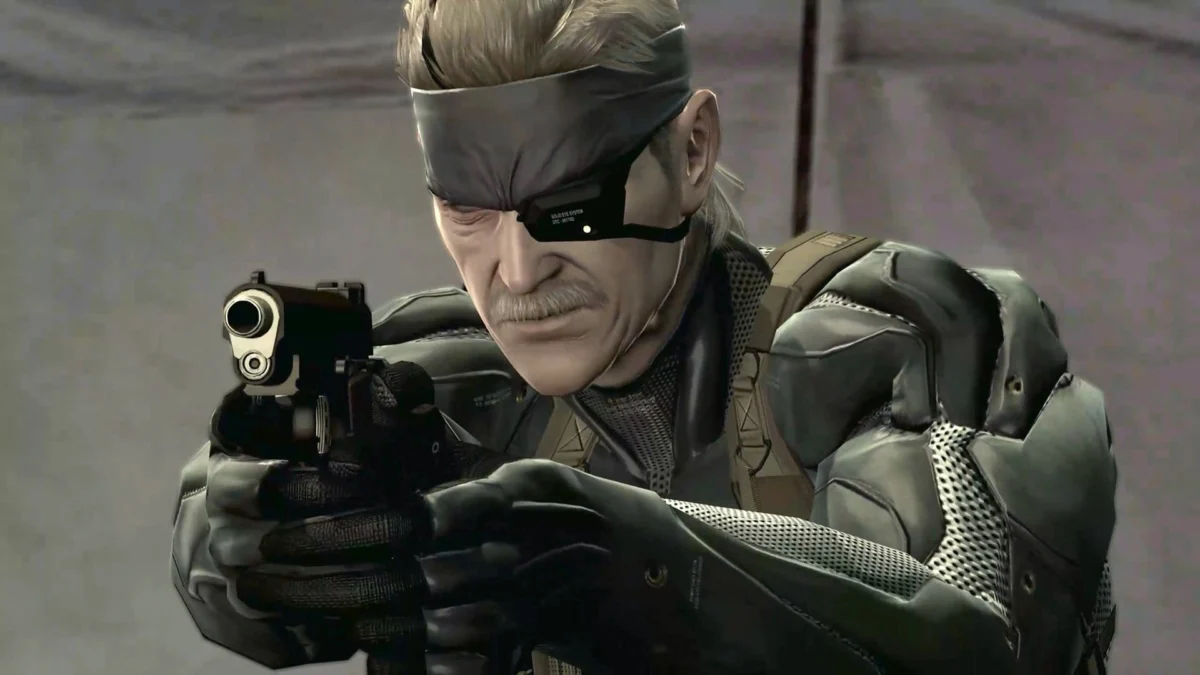
The long-standing barrier between one of the most celebrated entries in stealth-action history and the Xbox community is finally set to dissolve as Konami prepares for the launch of Metal Gear Solid: Master Collection Vol. 2. For the first time since its original release in 2008, Metal Gear Solid 4: Guns of the Patriots will move beyond its traditional home on the PlayStation 3, headlining a collection that has already begun to garner significant acclaim from international critics. Scheduled for release on August 27, the collection serves as a pivotal moment in video game preservation, bringing a title once thought to be technically tethered to legacy hardware into the modern multi-platform era.
The upcoming volume is not merely a single-game port but a curated assembly of the franchise’s mid-to-late-era milestones. Alongside the cinematic conclusion of Solid Snake’s saga in Metal Gear Solid 4, the package includes the high-definition version of the 2010 portable hit Metal Gear Solid: Peace Walker. Furthermore, the collection offers a rare treat for enthusiasts in the form of Metal Gear: Ghost Babel, the 2000 Game Boy Color title that, despite its handheld origins, remains one of the most critically respected entries in the series’ expanded canon.
The Technical Significance of the Metal Gear Solid 4 Port
The inclusion of Metal Gear Solid 4: Guns of the Patriots is the undisputed centerpiece of this release. For over 16 years, the title remained an exclusive for the PlayStation 3, a rarity in an industry where major third-party exclusives eventually find their way to other platforms. The primary obstacle was the game’s deep integration with the PlayStation 3’s unique and notoriously complex Cell Broadband Engine architecture. Developed by Kojima Productions during an era of extreme technical experimentation, the game utilized the PS3’s SPU (Synergistic Processing Units) for everything from sound processing to its sophisticated "Octocamo" camouflage system.
Industry analysts long speculated that porting the game to modern x86-based architectures, such as those found in the Xbox Series X|S and PlayStation 5, would require a near-total rewrite of the game’s underlying engine. Konami’s success in bringing this title to the Master Collection suggests a significant engineering effort aimed at preservation. Early reports indicate that the version included in Vol. 2 targets a 60-frames-per-second performance profile, a notable upgrade from the original hardware, which often struggled to maintain a consistent 30fps during intense combat sequences.
Critical Reception and Performance Benchmarks
Ahead of its official launch, the collection has undergone rigorous testing by major gaming outlets. While Xbox-specific review codes were not widely circulated prior to the embargo lift, the PlayStation 5 versions have served as a baseline for what players can expect. Currently sitting at a Metacritic average of 85, the critical consensus suggests that Konami has prioritized authenticity and performance over modern visual overhauls.
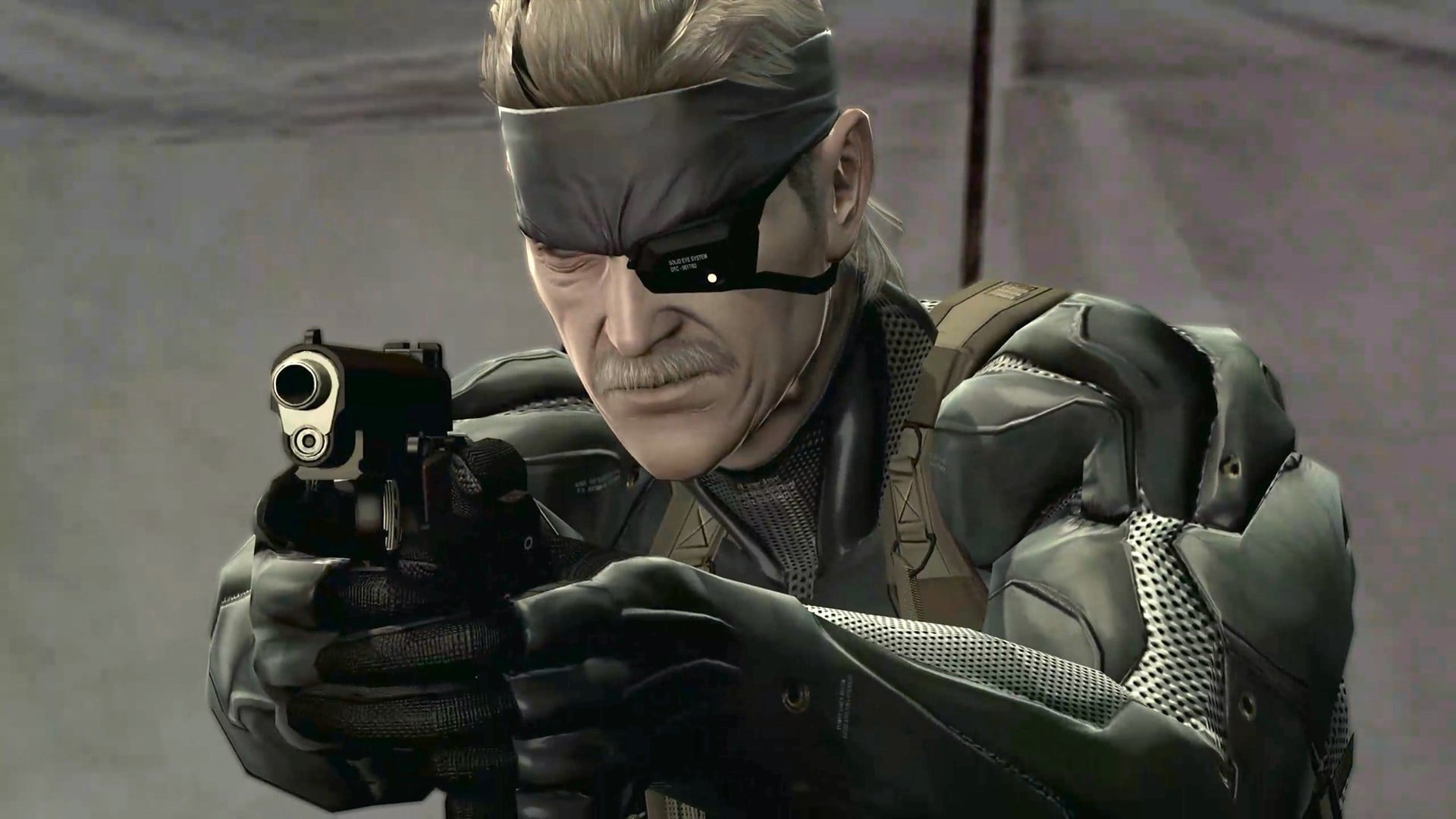
Video Games Chronicle (VGC) awarded the collection a perfect 5/5 score, emphasizing the historical importance of the release. The outlet noted that while the "prize" is undoubtedly Metal Gear Solid 4, the inclusion of Peace Walker and Ghost Babel elevates the package into an "unmissable" experience for fans. Similarly, CGM Magazine provided a 9/10 rating, comparing the revival of Metal Gear Solid 4 to a "shot of nanomachine suppressors," highlighting how the game’s narrative themes of digital control and pmc-driven warfare remain strikingly relevant today.
Noisy Pixel, also rating the title 9/10, described the collection as a "faithful preservation package." The review pointed out that while the ports do little to modernize the graphics or controls to current-generation standards, the sheer quality of the original games carries the experience. This sentiment was echoed by COGConnected (8.5/10), which praised the addition of a locked frame rate for Metal Gear Solid 4, transforming a "masterpiece" into a smoother, more playable modern experience.
A Chronological and Narrative Deep Dive
To understand the weight of this collection, one must look at the narrative timeline it covers. Metal Gear Solid: Master Collection Vol. 2 effectively bridges the gap between the franchise’s cold war origins and its futuristic conclusion.
- Metal Gear: Ghost Babel (2000): Set in an alternate timeline from the main series, this Game Boy Color title follows Solid Snake as he infiltrates a fortress in Central Africa. It is lauded for translating the complex stealth mechanics of the PlayStation original into a 2D top-down format.
- Metal Gear Solid: Peace Walker (2010): Originally released for the PlayStation Portable, this title is a direct sequel to Metal Gear Solid 3: Snake Eater. It follows Big Boss (Naked Snake) in 1974 Costa Rica and introduces the "Mother Base" management mechanics that would later define Metal Gear Solid V: The Phantom Pain.
- Metal Gear Solid 4: Guns of the Patriots (2008): Set in 2014, the game depicts a world where war has become the primary driver of the global economy. An aged Solid Snake must navigate a battlefield dominated by private military companies and the overarching control of "The Patriots."
By including these specific titles, Konami allows players to witness the ideological shift from Big Boss’s dream of a soldier’s sanctuary to the grim reality of the "War Economy" faced by his clone, Solid Snake.
Market Positioning and Pricing Structure
Konami has adopted a flexible sales model for the Master Collection Vol. 2. The full bundle is listed on the Xbox Store and other digital storefronts for £44.98 / $49.99. However, acknowledging that some fans may only be interested in specific chapters of the saga, the publisher has confirmed that the primary titles—MGS4 and Peace Walker—will be available for individual purchase.
While individual pricing has yet to be finalized, the "bundle" approach offers significant value through the inclusion of "goodies" and bonus content. The most notable bonus is the aforementioned Ghost Babel, which is exclusive to the full collection and cannot be purchased as a standalone digital item. This strategy mirrors the approach taken with Vol. 1, which bundled the original NES and MSX titles as bonuses for those who bought the complete set.

Broad Industry Implications and Game Preservation
The release of Metal Gear Solid: Master Collection Vol. 2 is being viewed by many as a course correction for Konami. Following the mixed reception of the first Master Collection, which faced criticism for technical bugs and lack of resolution options at launch, the publisher has reportedly been more diligent with the second volume.
The move also signals a broader trend in the industry toward "un-siloing" legacy content. For years, the hardware-specific nature of the seventh generation of consoles (PS3/Xbox 360) threatened to leave many iconic titles behind. By porting MGS4 to the Xbox Series X|S, Konami is not only expanding its revenue stream but ensuring that one of the medium’s most ambitious cinematic achievements remains accessible to future generations of players who may never own original hardware.
Furthermore, this release sets the stage for the upcoming Metal Gear Solid Delta: Snake Eater, a full remake of the third game. By maintaining the availability of the original versions through the Master Collections, Konami allows the "Delta" remake to exist as a modern reimagining without replacing the historical record of the original work.
Final Preparations for Launch
As the August 27 release date approaches, anticipation remains high among the Xbox community. For a platform that has long prided itself on backward compatibility and the preservation of gaming history, the absence of Metal Gear Solid 4 was a glaring omission in its library. The arrival of the Master Collection Vol. 2 finally rectifies this, offering hundreds of hours of tactical espionage action.
The collection will be available digitally on the Xbox Store, with physical editions expected in select regions. As players prepare to step back into the boots of Old Snake and Big Boss, the critical consensus is clear: these games have stood the test of time, and their arrival on modern hardware is a landmark event for the industry at large. Whether it is the 60fps fluidity of MGS4 or the retro charm of Ghost Babel, the Master Collection Vol. 2 appears poised to be a definitive retrospective of a series that redefined what storytelling in video games could achieve.