


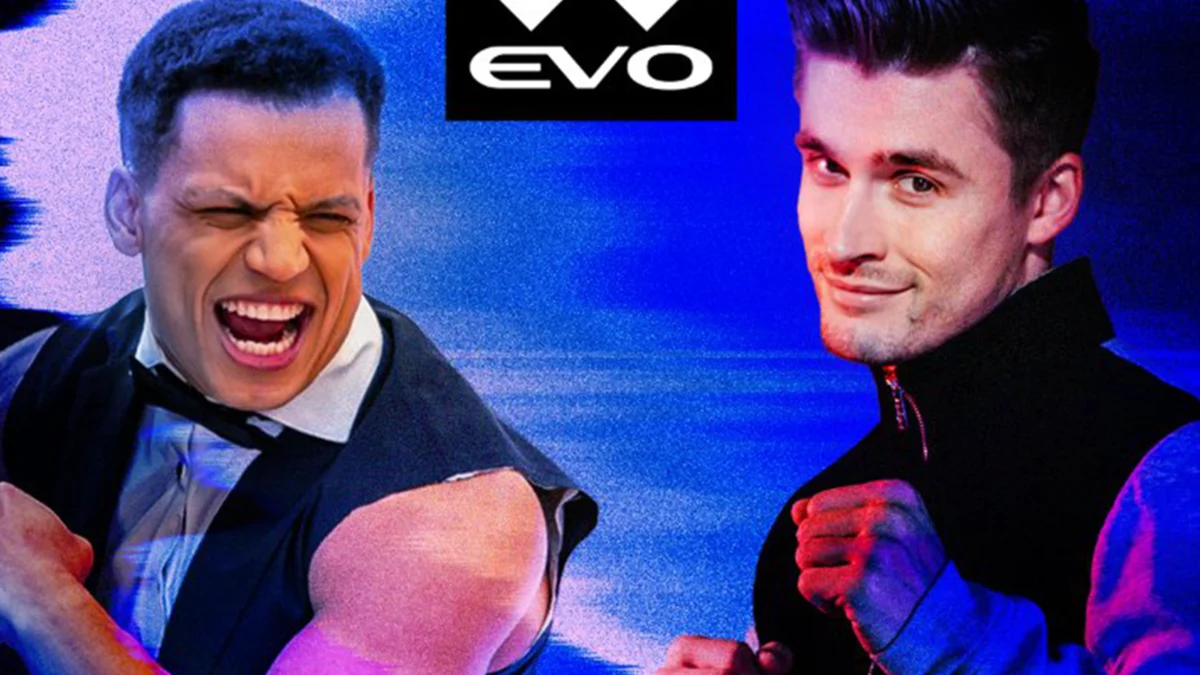
The fighting game community (FGC) is abuzz with a mixture of anticipation and controversy following the announcement of a special Street Fighter 6 exhibition match featuring popular streamers Ludwig Ahgren and Tyler "Tyler1" Steinkamp at Evo Las Vegas 2026. The decision to feature two prominent figures from the broader streaming world, rather than established FGC professionals, has ignited a debate about representation, resource allocation, and the evolving landscape of competitive gaming events.
Evo, widely recognized as the premier fighting game tournament globally, has historically served as a crucial platform for both burgeoning talent and seasoned veterans to showcase their skills on the grandest stage. The inclusion of Ludwig and Tyler1 in a high-profile exhibition slot has led some within the FGC to question whether the event’s resources and spotlight could have been better utilized to support players and tournaments more deeply rooted in the community’s traditional structure. This sentiment stems from a concern that such high-profile, non-endemic appearances might overshadow or detract from the core competitive elements that have defined Evo for decades.
Ludwig, acknowledging the online discourse surrounding his participation, addressed the matter directly during an April livestream. He revealed a significant financial incentive for his involvement, stating he was compensated "$500,000" to compete in the exhibition. This revelation has further fueled discussions about the economics of esports events and the financial considerations that influence booking decisions for high-profile talent. Beyond the financial aspect, Ludwig articulated his personal motivations for accepting the offer, emphasizing his positive working relationship and enjoyment of creating content with Tyler1.
"I agreed to this because in general, I like doing content with Tyler," Ludwig explained. "I think it’d be fun." He also directly addressed the criticism, noting, "There were actually a lot of people online who were a bit upset about this. I think some of the FGC members thought there was a lot of budget and opportunity costs that went into this that could have gone into something else, which I think is just a misunderstanding of the case here." This statement suggests a perceived disconnect between the FGC’s expectations and the strategic decisions behind event programming.
Ludwig’s Broader Ambitions for Rivals of Aether II at Evo
Beyond the Street Fighter 6 exhibition, Ludwig revealed a strategic personal investment in ensuring the success of "Rivals of Aether II," a platform fighter published by his company, Offbrand Games. He stated that his attendance at Evo Las Vegas 2026 was already planned, irrespective of the exhibition match, with the primary objective of promoting his company’s latest title. This underscores a dual agenda for his presence at the event: leveraging the Evo platform for both personal content creation and business development.
Ludwig expressed confidence in "Rivals of Aether II"’s potential to capture significant attention at Evo, even hinting at the possibility of the game reaching the prestigious Sunday Finals – a coveted spot typically reserved for the culmination of major tournaments. To further bolster its presence, Ludwig has declared his intention to subsidize registration fees for hundreds of players, encouraging broader participation in "Rivals of Aether II" tournaments at the event.
"I was always planning to go to Evo, regardless," Ludwig reiterated. "I’m not going to Evo just for a paid opportunity just to do Street Fighter. … I want Rivals of Aether II to have the biggest tournament at Evo. I’m making a play to cover registration for basically hundreds of people to go to Evo and play the game." This commitment to supporting the competitive ecosystem of "Rivals of Aether II" highlights his dedication to fostering the growth of his company’s intellectual property within the broader fighting game landscape.
A Look at the Competitors’ Street Fighter 6 Prowess
The exhibition match, while drawing criticism for the participants’ FGC tenure, is not without its competitive intrigue. Ludwig shared screenshots of private messages with Tyler1, claiming that Steinkamp has achieved the highly respected Master rank in Street Fighter 6. Ludwig himself reported his current rank to be Platinum, indicating a significant disparity in their in-game achievements within the popular Capcom title.
This revelation adds a layer of competitive credibility to the exhibition, suggesting that both streamers have invested considerable time and effort into mastering Street Fighter 6, beyond mere casual play. The Master rank is a testament to a player’s dedication and skill, typically requiring hundreds of hours of practice and a deep understanding of the game’s mechanics, matchups, and strategies.
Both Ludwig and Tyler1 have a history of engaging with the Street Fighter franchise, albeit through different avenues. Tyler1 notably organized and hosted a "Modern controls-only" Street Fighter 6 tournament in July 2025, boasting a substantial $10,000 grand prize. This event demonstrated his commitment to the game and his willingness to invest in its competitive scene, albeit with a specific focus on a particular control scheme.
Ludwig, on the other hand, participated in the 2025 AT&T Annihilator Cup, an event that saw him competing in Street Fighter 6 using classic controls. His performance at that tournament was commendable, securing a 5th-place finish. This past experience in a significant FGC-adjacent tournament showcases his ability to compete at a respectable level within the genre.
The Broader Implications for Evo and the FGC
The decision to feature Ludwig and Tyler1 in a prominent Evo exhibition slot raises important questions about the future trajectory of major fighting game events. Evo has long been a gatekeeper for the FGC, curating a competitive environment that respects the legacy and dedication of its core participants. However, as esports and streaming continue to converge, events like Evo are increasingly navigating the complex dynamics of appealing to both a dedicated FGC fanbase and a broader, more casual audience that follows popular online personalities.
The substantial financial compensation for Ludwig’s appearance also highlights the significant economic leverage that top-tier streamers can command. This can create a situation where established content creators are prioritized over up-and-coming FGC players who may lack the same level of viewership or financial backing. This tension is a recurring theme in discussions about the professionalization of esports and the equitable distribution of resources within competitive communities.
The controversy surrounding the exhibition can be seen as a symptom of a larger discussion about authenticity and inclusion within the FGC. While some argue that welcoming new faces and cross-community engagement can expand the reach of fighting games, others maintain that preserving the integrity and competitive spirit of the FGC requires prioritizing individuals who have demonstrated long-term commitment and expertise within the genre.
The successful promotion of "Rivals of Aether II" at Evo could also signal a shift in how fighting game developers leverage large-scale tournaments. By investing heavily in player registration and community engagement, Offbrand Games is attempting to build a dedicated player base from the ground up, utilizing Evo as a crucial launchpad. This strategy, if successful, could influence how other independent fighting game titles approach their marketing and competitive event participation in the future.
Ultimately, the Ludwig vs. Tyler1 Street Fighter 6 exhibition at Evo Las Vegas 2026 serves as a microcosm of the ongoing evolution of competitive gaming. It underscores the financial realities of event organizing, the power of online personalities, and the enduring passion of the fighting game community. The outcome of this exhibition, both in terms of in-game performance and community reaction, will likely contribute to the ongoing dialogue about how Evo and similar events can best serve the diverse interests of players, fans, and stakeholders in the ever-expanding world of esports. The long-term impact will hinge on whether this exhibition is perceived as an isolated spectacle or a harbinger of a more integrated approach to talent and content at the pinnacle of fighting game competition.