


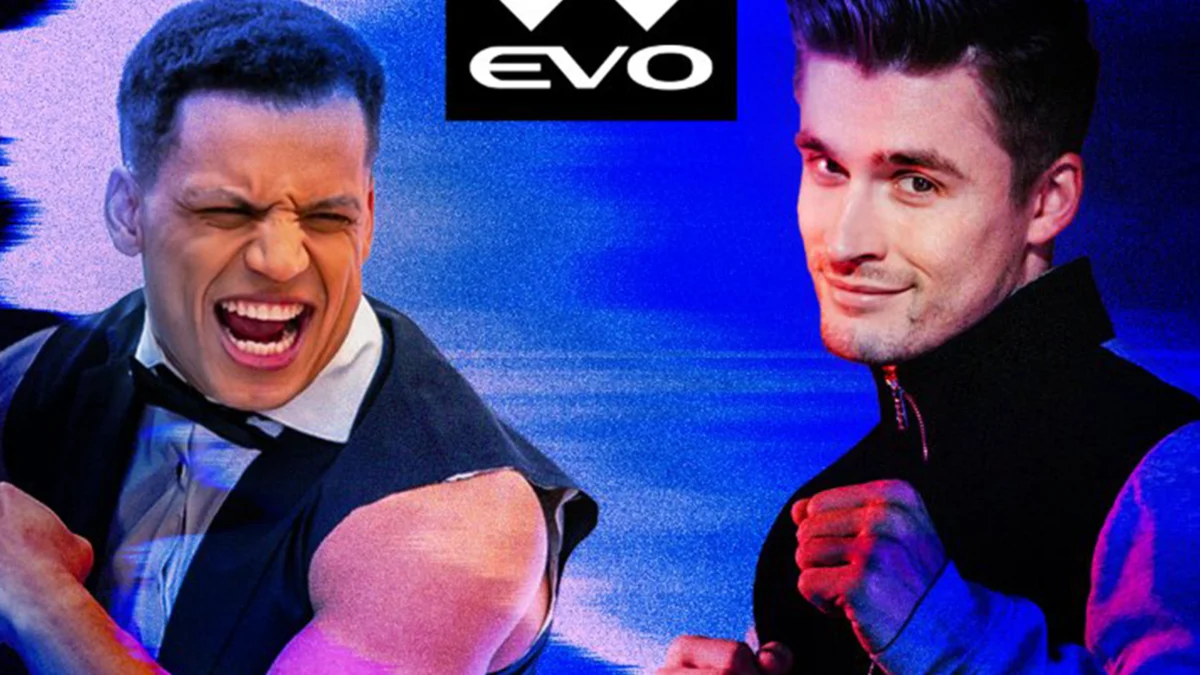
The fighting game community (FGC) is abuzz following the announcement of a special Street Fighter 6 exhibition match at Evo Las Vegas 2026, featuring popular streamers Ludwig Ahgren and Tyler "Tyler1" Steinkamp. The pairing, while promising a significant viewership draw, has ignited a debate within the FGC regarding the selection of participants for one of the world’s most prestigious fighting game tournaments. Critics argue that the inclusion of streamers, who are not considered endemic to the FGC’s competitive roots, takes away valuable opportunities from seasoned players and developers who are deeply invested in the genre.
Evo, short for Evolution Championship Series, has long been the pinnacle of competitive fighting games, attracting thousands of players and hundreds of thousands of online viewers globally. Its reputation is built on showcasing the highest level of skill and dedication from players who have honed their craft within the FGC. The decision to feature prominent streamers in a dedicated exhibition slot has therefore been met with a mixture of excitement and apprehension, with some questioning the rationale behind prioritizing entertainment personalities over established competitive figures.
Ludwig, a prolific streamer and content creator with a massive online following, addressed the controversy directly during an April livestream. He revealed that he was compensated with a substantial sum of $500,000 for his participation in the exhibition match. This figure immediately amplified discussions about resource allocation within the event. Ludwig, however, framed his acceptance not solely as a financial opportunity, but as a chance to create engaging content with a fellow streamer he respects and enjoys collaborating with.
"I agreed to this because in general, I like doing content with Tyler," Ludwig stated during the stream. "I think it’d be fun." He acknowledged the online discourse, noting, "There were actually a lot of people online who were a bit upset about this. I think some of the FGC members thought there was a lot of budget and opportunity costs that went into this that could have gone into something else, which I think is just a misunderstanding of the case here." This sentiment suggests a perceived disconnect between the motivations of the event organizers and the expectations of some within the dedicated fighting game scene.
The Broader Vision: Promoting Rivals of Aether II
Ludwig further elaborated on his multifaceted intentions for attending Evo Las Vegas 2026. Beyond the Street Fighter 6 exhibition, he revealed a significant personal and professional investment in promoting "Rivals of Aether II," a platform fighter published by his company, Offbrand Games. This prior commitment, he explained, was the primary driver for his attendance, with the exhibition match being a secondary, albeit lucrative, engagement.
"I was always planning to go to Evo, regardless," Ludwig emphasized. "I’m not going to Evo just for a paid opportunity just to do Street Fighter." His strategic aim is to elevate "Rivals of Aether II" to unprecedented prominence at Evo. He expressed a strong desire for the game to feature the "biggest tournament at Evo," indicating a commitment to fostering a significant competitive presence for his published title.
To achieve this goal, Ludwig announced plans to subsidize player registration fees for "Rivals of Aether II." This initiative is designed to remove financial barriers for aspiring competitors, encouraging a larger and more diverse field of participants. "I’m making a play to cover registration for basically hundreds of people to go to Evo and play the game," he stated, underscoring his dedication to the growth of his company’s game within the broader fighting game landscape. This proactive approach highlights a strategic effort to leverage the massive audience and platform of Evo not only for his own content but also for the commercial interests of his gaming company.
A Competitive Background and Skill Assessment
The announcement also prompted scrutiny of Ludwig and Tyler1’s current standing within the Street Fighter 6 competitive scene. Ludwig shared screenshots of direct messages exchanged with Tyler1, which indicated that Tyler1 has achieved the prestigious Master rank in Street Fighter 6. This suggests a significant level of dedication and skill from the notoriously boisterous streamer. Ludwig, in comparison, stated his current rank is Platinum. While Platinum is a respectable achievement, it places him a tier below Tyler1’s reported rank, potentially setting up an interesting dynamic for their exhibition match.
Both streamers have prior experience in Street Fighter 6 tournaments, albeit through different avenues. Tyler1 previously hosted and participated in a "Modern controls-only" tournament with a substantial $10,000 grand prize last year, demonstrating his engagement with the game and its competitive potential. This event was notable for its focus on a specific control scheme, which has been a point of discussion within the FGC regarding accessibility and competitive viability.
Ludwig, on the other hand, participated in the 2025 AT&T Annihilator Cup, an event that saw him competing in Street Fighter 6 on "classic" controls. He achieved a respectable 5th place finish in that tournament, showcasing his ability to adapt and perform in a more traditional competitive setting. These past performances indicate that while they may not be FGC mainstays, both streamers possess a demonstrable interest and a degree of competence in Street Fighter 6, lending some credence to their inclusion, albeit still a point of contention for purists.
Evo’s Evolving Landscape and Community Reactions
The inclusion of high-profile streamers in major FGC events like Evo is not entirely unprecedented, but the scale and financial aspect of this particular exhibition have amplified the discussion. Evo has historically strived to balance its roots in hardcore competition with the broader appeal of esports and online entertainment. The event’s organizers, typically focusing on the main tournaments and the integrity of the competitive brackets, rarely engage directly in public discourse regarding participant selection for exhibition matches.
However, the debate highlights a recurring tension within the FGC: the balance between catering to a dedicated, long-standing player base and attracting new audiences through popular personalities. For some within the FGC, the concern is that significant financial and promotional resources being allocated to streamer exhibitions could detract from critical areas such as prize pools for main tournaments, support for up-and-coming players, or investment in grassroots FGC initiatives. The argument is that Evo’s primary purpose should be to celebrate and advance competitive fighting games, and that decisions should reflect this core mission.
Conversely, proponents of such exhibitions argue that they serve as powerful marketing tools. The immense reach of streamers like Ludwig and Tyler1 can introduce Street Fighter 6, and by extension the FGC, to millions of potential new fans who might otherwise never encounter the genre. This influx of new interest can translate into increased player bases for games, higher viewership for official tournaments, and ultimately, a healthier and more sustainable ecosystem for fighting games. The $500,000 figure, while eye-watering, could be viewed by organizers as a strategic investment in the long-term growth and visibility of fighting games.
Implications for the Future of Fighting Game Events
The Ludwig vs. Tyler1 Street Fighter 6 exhibition at Evo Las Vegas 2026 is more than just a novelty match; it represents a potential turning point in how major fighting game events are curated and perceived. The controversy underscores the delicate balancing act event organizers face. They must acknowledge and respect the deeply ingrained culture and competitive spirit of the FGC, while also recognizing the economic realities and promotional opportunities presented by the modern digital landscape.
Ludwig’s clear intent to simultaneously promote "Rivals of Aether II" through significant financial backing of its tournament at Evo suggests a new model for integrating personal and corporate interests within the framework of major esports events. This approach, while potentially beneficial for the games being promoted, could also lead to further questions about the primary motivations behind participation in large-scale tournaments.
As Evo continues to evolve, the decisions made regarding participant selection, exhibition matches, and resource allocation will be closely watched by players, fans, and industry stakeholders alike. The success of this exhibition, both in terms of viewership and its impact on the FGC, will undoubtedly shape future strategies for integrating mainstream entertainment personalities into the heart of competitive gaming. The underlying sentiment from many within the FGC remains a desire for Evo to remain a sanctuary for competitive excellence, even as it seeks to broaden its appeal. The dialogue initiated by this announcement is likely to persist, pushing for greater transparency and a clear articulation of the strategic goals behind such high-profile collaborations.