


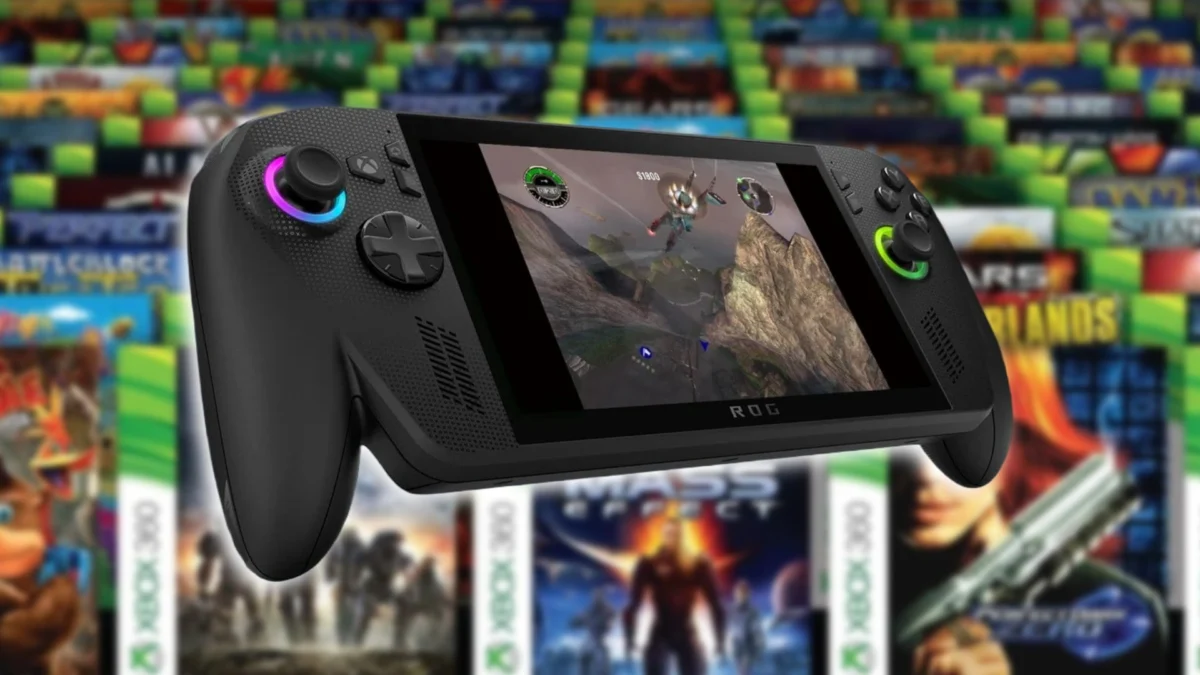
A comprehensive internal roadmap for Xbox’s future strategies in backwards compatibility and content delivery has reportedly surfaced, outlining a multi-year plan that commenced in July and extends through 2028. The leaked document, which has been disseminated across social media platforms and corroborated by prominent technology journalists, notably The Verge’s Tom Warren, details significant expansions to the Xbox ecosystem, including the progressive integration of older generation titles onto PC and potential next-generation hardware, alongside the much-anticipated disc-to-digital conversion feature. This revelation marks a pivotal moment for Xbox, signaling a renewed commitment to game preservation and accessibility across an evolving array of platforms.
The Genesis of a New Era for Backwards Compatibility
The current timeline suggests that Xbox’s renewed focus on backwards compatibility (BC) for PC began with an "early access" phase in July, introducing a limited selection of original Xbox titles to the personal computer platform. This initial rollout is slated to transition into a "full launch" in October, at which point a broader array of original Xbox games is expected to become available to PC users. This strategic move aligns with Microsoft’s broader vision of expanding the reach of its gaming ecosystem beyond traditional console boundaries, leveraging the vast PC gaming market.
Following the foundational PC integration of original Xbox titles, the roadmap indicates a more extensive initiative for Xbox 360 games. A "gradual rollout" of these titles is projected to span throughout 2027 and 2028, suggesting a phased approach to address potential technical complexities and licensing agreements inherent in bringing a larger, more diverse library to new platforms. This gradual implementation underscores the significant undertaking involved in optimizing a vast catalog of games, originally designed for specific hardware architectures, to function seamlessly on contemporary PCs and future devices.
Disc-to-Digital: Bridging the Physical and Digital Divide
Another crucial component of the leaked roadmap is the inclusion of a disc-to-digital feature, a concept that has been the subject of considerable speculation within the gaming community for several months. This program, which would allow owners of physical Xbox game discs to convert them into digital licenses, was reportedly slated for an initial rollout to Xbox Insiders in July. However, reports indicate that this launch has since been slightly delayed.
The disc-to-digital initiative represents a significant strategic move by Xbox, aiming to provide greater flexibility and convenience for consumers in an increasingly digital-centric gaming landscape. As physical media gradually recedes in prominence and disc-less consoles become more common, such a feature addresses the concerns of players who have invested heavily in physical game libraries. It ensures that their existing collections retain value and accessibility on future hardware, potentially mitigating resistance to fully digital console generations. The logistical and legal frameworks required to implement such a system, involving publisher agreements, digital rights management, and robust verification processes, are undoubtedly complex, explaining potential delays and the phased approach to its introduction.
Developer Autonomy and Content Expansion
A particularly insightful detail from the leaked document, echoed by The Verge’s reporting, highlights the significant control developers and publishers will retain over the backwards compatibility of their Xbox 360 titles. The roadmap explicitly states that developers will have the option to "opt into" making their games backward compatible, and critically, they will also maintain control over key commercial aspects such as a game’s price point and its inclusion in the Xbox Game Pass subscription service.

This model suggests a collaborative approach where Microsoft facilitates the technical implementation of backwards compatibility on PC, handling the "engineering" aspects, while the "decisions" regarding content availability and monetization rest firmly with the creators and rights holders. This division of labor is crucial for addressing the intricate legal and financial considerations associated with re-releasing older titles. It offers a framework that incentivizes developers to participate, as they can directly benefit from renewed interest in their back catalogs, potentially through new sales or Game Pass royalties.
The framework also opens the intriguing possibility of brand-new additions to the backwards compatibility program – titles that may never have been previously compatible on Xbox consoles. If developers and publishers are willing to sign off on the necessary agreements, the technical pathway provided by Microsoft could enable a much broader expansion of the accessible game library, revitalizing dormant intellectual properties and offering players access to a richer historical catalog than ever before. This approach could significantly differentiate Xbox’s preservation efforts, moving beyond simply carrying forward existing compatible titles to actively expanding the historical library on modern platforms.
"Next-Gen Devices" and Project Helix: Glimpses of Future Hardware
The roadmap’s mention of Xbox 360 titles rolling out "across next-gen devices," distinct from the specific mention of PC, introduces an element of speculation regarding Microsoft’s future hardware plans. This phrasing suggests that the backwards compatibility initiative is not solely confined to the PC ecosystem but also extends to forthcoming Xbox hardware. This aligns with previous discussions and rumors surrounding "Project Helix," an initiative linked to Xbox’s strategy for reducing the price of future consoles.
While the specifics of "Project Helix" remain under wraps, its connection to "next-gen devices" and backwards compatibility hints at several possibilities. It could indicate that a future Xbox console, potentially disc-less or heavily focused on cloud integration, will also feature robust backwards compatibility for Xbox 360 titles, perhaps with its own unique set of optimizations or a curated library. Alternatively, "next-gen devices" could encompass a broader range of hardware, such as streaming sticks or cloud-centric devices, that would leverage Xbox’s cloud gaming infrastructure to deliver older titles. The subtle distinction from PC in the roadmap might imply different implementation strategies or curated libraries for these different hardware categories, or it could simply be a strategic phrasing to encompass a wider scope of future platforms.
Historically, Xbox has championed backwards compatibility as a core feature, beginning with the Xbox 360’s ability to play a selection of original Xbox games, and later expanding significantly with the Xbox One and Xbox Series X|S, which support a vast library of Xbox 360 and original Xbox titles. This leaked roadmap reaffirms that commitment, signaling that game preservation will remain a cornerstone of Xbox’s strategy as it moves into its next hardware cycle. The integration of older titles onto new devices, including those potentially developed under Project Helix, would provide substantial value for consumers, ensuring continuity and expanding access to a rich gaming heritage.
Background and Context: Xbox’s Commitment to Preservation
Xbox’s long-standing dedication to backwards compatibility has been a significant differentiator in the console wars. From the original Xbox titles playable on the Xbox 360, to the extensive libraries of Xbox 360 and original Xbox games made available on Xbox One and Series X|S, Microsoft has consistently invested in enabling players to access their beloved games across generations. This commitment has often been lauded by consumers as a pro-player stance, contrasting with competitors who have historically been less consistent in their backwards compatibility efforts.
The previous phase of Xbox’s backwards compatibility program officially wound down in 2021, with Microsoft stating that it had reached the limits of its technical and legal capabilities to add more titles. This latest leak, therefore, represents a resurgence and a new chapter in that commitment, propelled by advancements in emulation technology and a refined approach to publisher agreements. The expansion to PC, in particular, signifies Microsoft’s recognition of the growing convergence between console and PC gaming, and its desire to create a unified ecosystem where content is accessible regardless of the chosen platform. This strategy aligns with the company’s broader Game Pass initiative, which aims to make a vast library of games available on both consoles and PCs, often day-and-date with their release. By bringing older titles into this fold, Xbox enhances the value proposition of its subscription service and its overall platform.

Broader Implications and Market Trends
The revelations within this leaked roadmap carry significant implications for the gaming industry. For consumers, it promises unprecedented access to a wealth of classic titles, fostering game preservation and offering substantial value to existing game owners. The ability to play Xbox 360 games on PC, for instance, opens up a massive library to a new audience and potentially breathes new life into games that might otherwise be forgotten. For Game Pass subscribers, the gradual integration of these titles further enriches an already compelling library, strengthening the service’s competitive edge.
From an industry perspective, Xbox’s aggressive stance on backwards compatibility and cross-platform accessibility could exert pressure on competitors to enhance their own preservation efforts. In an era where digital storefronts and game libraries can be ephemeral, Microsoft’s commitment to ensuring long-term access to its content positions it as a leader in digital archival. The emphasis on developer control over pricing and Game Pass inclusion also highlights a pragmatic approach to content rights, acknowledging the commercial realities for publishers while still expanding consumer choice.
The disc-to-digital feature, while facing initial delays, addresses a critical pain point for players transitioning to disc-less hardware. As the industry continues its inexorable shift towards digital distribution, providing a mechanism for physical collections to retain utility is a forward-thinking move that could assuage concerns about ownership and digital license vulnerability. It reflects a deeper understanding of consumer sentiment and a willingness to innovate in response to evolving market dynamics.
Anticipation for Official Confirmation
While the leaked roadmap provides a detailed glimpse into Xbox’s future plans, the information remains unofficial. Microsoft has a long-standing policy of not commenting on rumors or speculation, and it is expected that any official confirmation regarding these initiatives will come directly from Xbox leadership through formal announcements. However, the consistent nature of the leak, corroborated by reputable sources, lends significant credibility to its contents.
The coming months, particularly leading up to the projected full PC launch in October and the ongoing developments in 2027 and 2028, will be critical for observing how these ambitious plans unfold. Further details on the disc-to-digital feature, the specific titles slated for backwards compatibility expansion, and the nature of "next-gen devices" under "Project Helix" are eagerly awaited by the gaming community. This roadmap, if accurate, paints a picture of an Xbox ecosystem increasingly focused on openness, accessibility, and the enduring value of its vast gaming heritage across an expanding universe of platforms.